Integrating Advanced Dental Software: Streamlining Operations and Enhancing Patient Experience
In the rapidly evolving landscape of healthcare, dental clinics are increasingly recognizing the importance of integrating advanced dental software to streamline operations and enhance the patient experience. As technology continues to advance, dental practices are presented with opportunities to optimize their IT systems, thereby improving efficiency and patient satisfaction. By adopting cutting-edge software solutions, dental clinics can not only enhance their operational workflows but also provide a more seamless and personalized experience for their patients.
One of the primary benefits of integrating advanced dental software is the ability to streamline administrative tasks. Traditionally, dental clinics have relied on manual processes for scheduling appointments, managing patient records, and handling billing. However, with the advent of sophisticated dental management software, these tasks can be automated, reducing the likelihood of human error and freeing up valuable time for dental staff. For instance, automated appointment scheduling systems can send reminders to patients, minimizing no-shows and optimizing the clinic’s schedule. This not only improves operational efficiency but also ensures that patients receive timely care.
Moreover, advanced dental software facilitates the seamless management of patient records. Electronic health records (EHR) systems allow for the secure storage and easy retrieval of patient information, ensuring that dental professionals have access to comprehensive and up-to-date data. This is particularly beneficial in providing personalized care, as dentists can quickly review a patient’s history, treatment plans, and any previous interactions with the clinic. Consequently, this leads to more informed decision-making and enhances the overall quality of care provided to patients.
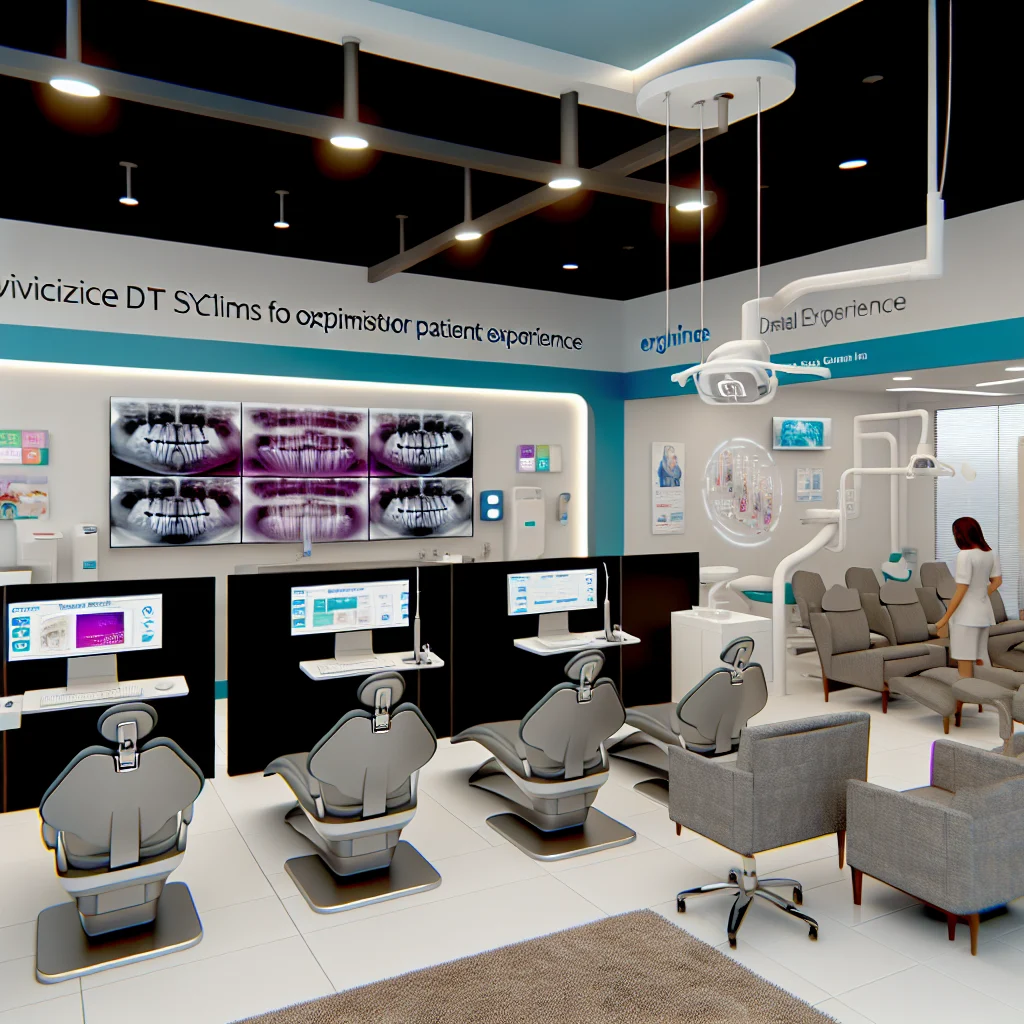
In addition to streamlining administrative tasks, advanced dental software plays a crucial role in enhancing the clinical aspects of dental care. For example, digital imaging software allows for the precise capture and analysis of dental images, aiding in accurate diagnosis and treatment planning. This technology not only improves the accuracy of clinical assessments but also enhances patient communication. Dentists can visually explain diagnoses and treatment options to patients, fostering a better understanding and increasing patient engagement in their own care.
Furthermore, the integration of advanced dental software can significantly enhance the patient experience by offering more convenient and personalized services. Patient portals, for instance, empower individuals to access their health information, schedule appointments, and communicate with their dental care providers online. This level of accessibility and transparency fosters a sense of empowerment among patients, as they can actively participate in managing their oral health. Additionally, personalized communication tools, such as automated follow-up messages and tailored treatment reminders, ensure that patients feel valued and supported throughout their dental journey.
As dental clinics continue to embrace technological advancements, it is essential to consider the security and privacy of patient data. Advanced dental software solutions are equipped with robust security measures to protect sensitive information, ensuring compliance with regulations such as the Health Insurance Portability and Accountability Act (HIPAA). By prioritizing data security, dental clinics can build trust with their patients, reinforcing the importance of safeguarding personal information in an increasingly digital world.
In conclusion, the integration of advanced dental software in dental clinics offers a multitude of benefits, from streamlining administrative tasks to enhancing clinical care and improving the overall patient experience. By optimizing IT systems, dental practices can operate more efficiently, provide personalized and informed care, and foster stronger patient relationships. As technology continues to evolve, embracing these innovations will be crucial for dental clinics aiming to stay at the forefront of patient-centered care.
Ensuring Data Security in Dental Clinics: Protecting Patient Information Through Optimized IT Systems
In the rapidly evolving landscape of healthcare, dental clinics are increasingly relying on advanced IT systems to enhance patient experience and streamline operations. However, as these clinics embrace digital transformation, ensuring data security becomes paramount. Protecting patient information is not only a legal obligation but also a critical component of maintaining trust and credibility. Therefore, optimizing IT systems in dental clinics is essential to safeguard sensitive data while simultaneously improving service delivery.
To begin with, the integration of robust cybersecurity measures is fundamental in protecting patient information. Dental clinics must implement comprehensive security protocols, including firewalls, encryption, and secure access controls. These measures help prevent unauthorized access and data breaches, which could lead to significant legal and financial repercussions. Moreover, regular security audits and vulnerability assessments are crucial in identifying potential weaknesses within the IT infrastructure. By proactively addressing these vulnerabilities, clinics can fortify their defenses against cyber threats.
In addition to technical safeguards, fostering a culture of data security awareness among staff is equally important. Training programs should be conducted regularly to educate employees about the latest cybersecurity threats and best practices. This includes recognizing phishing attempts, using strong passwords, and understanding the importance of maintaining patient confidentiality. When staff members are well-informed and vigilant, the risk of human error, which is often a significant factor in data breaches, is significantly reduced.
Furthermore, the adoption of cloud-based solutions offers a viable pathway to enhance data security in dental clinics. Cloud services provide scalable storage options and advanced security features that are often beyond the reach of smaller clinics with limited IT budgets. By leveraging cloud technology, dental practices can ensure that patient data is stored securely and is easily accessible to authorized personnel. Additionally, cloud providers typically offer automatic updates and backups, ensuring that the system is always up-to-date with the latest security patches.
Another critical aspect of optimizing IT systems is ensuring compliance with relevant regulations and standards. Dental clinics must adhere to laws such as the Health Insurance Portability and Accountability Act (HIPAA) in the United States, which sets stringent requirements for the protection of patient information. Compliance not only helps avoid legal penalties but also reinforces the clinic’s commitment to safeguarding patient data. Regular compliance checks and audits should be conducted to ensure that all processes and systems align with regulatory requirements.
Moreover, the implementation of electronic health records (EHR) systems can significantly enhance both data security and patient experience. EHR systems centralize patient information, making it easier for dental professionals to access and update records efficiently. This not only improves the accuracy of patient data but also enhances the overall quality of care. However, it is crucial to ensure that these systems are equipped with robust security features to protect against unauthorized access and data breaches.
In conclusion, optimizing IT systems in dental clinics is a multifaceted endeavor that requires a strategic approach to data security. By implementing advanced cybersecurity measures, fostering a culture of awareness, leveraging cloud technology, ensuring regulatory compliance, and utilizing secure EHR systems, dental clinics can protect patient information effectively. As a result, they not only enhance the patient experience but also build a foundation of trust and reliability, which is essential in today’s digital age.
Network Management Strategies for Dental Clinics: Improving Connectivity and Patient Care
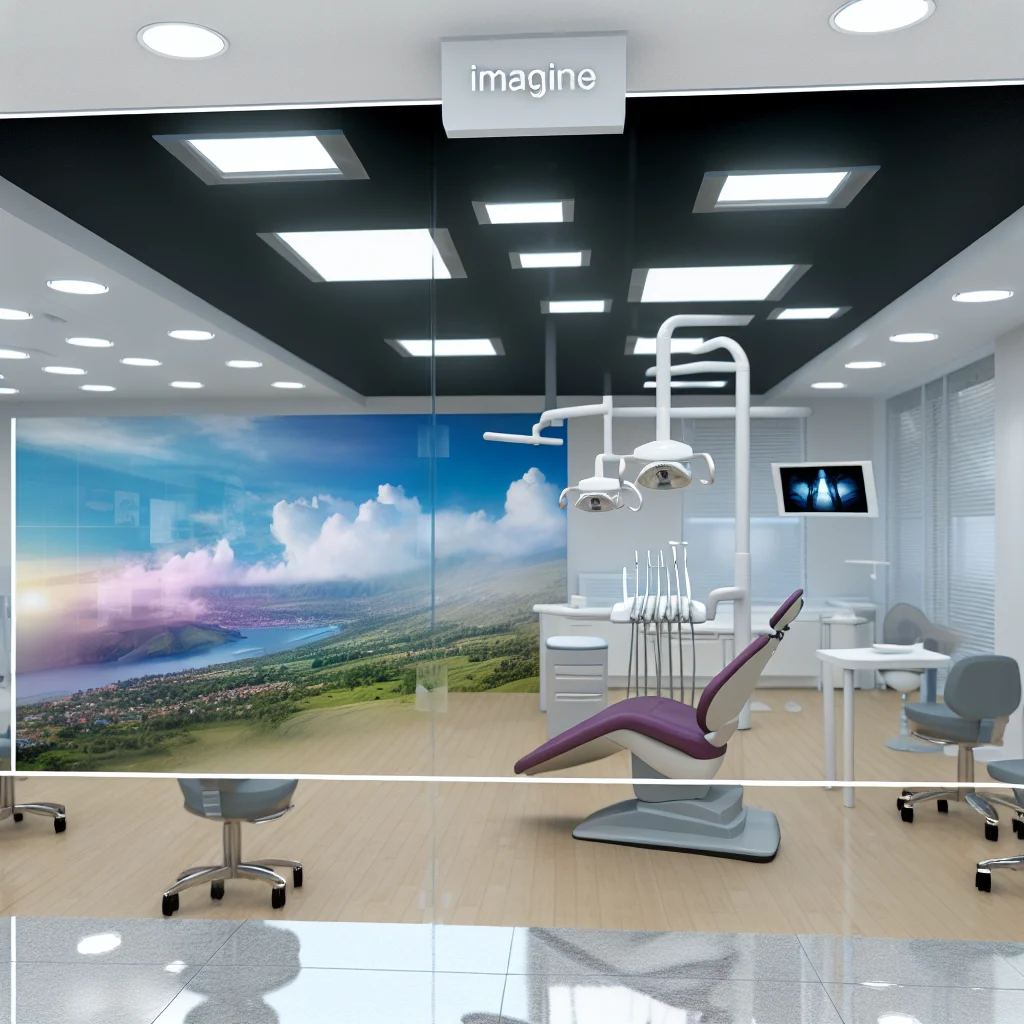
In the rapidly evolving landscape of healthcare, dental clinics are increasingly recognizing the importance of robust IT systems to enhance patient experience and streamline operations. A critical component of these systems is network management, which plays a pivotal role in ensuring seamless connectivity and efficient patient care. As dental clinics strive to optimize their IT infrastructure, implementing effective network management strategies becomes essential.
To begin with, a well-structured network is the backbone of any IT system in a dental clinic. It facilitates the smooth flow of information between various departments, enabling dental professionals to access patient records, radiographic images, and treatment plans with ease. This connectivity is crucial for providing timely and accurate care, as it allows for quick decision-making and reduces the likelihood of errors. Therefore, investing in a reliable and scalable network infrastructure is a fundamental step towards improving patient care.
Moreover, network management strategies should prioritize security to protect sensitive patient data. Dental clinics handle a vast amount of personal and medical information, making them attractive targets for cyberattacks. Implementing robust security measures, such as firewalls, encryption, and regular security audits, can safeguard this data from unauthorized access and breaches. By ensuring data integrity and confidentiality, dental clinics can build trust with their patients, thereby enhancing the overall patient experience.
In addition to security, network performance is another critical aspect that dental clinics must address. Slow or unreliable networks can lead to delays in accessing patient information, scheduling appointments, and processing billing, all of which can negatively impact patient satisfaction. To mitigate these issues, clinics should employ network monitoring tools that provide real-time insights into network performance. These tools can help identify bottlenecks, optimize bandwidth usage, and ensure that the network operates at peak efficiency. By maintaining a high-performing network, dental clinics can improve operational efficiency and deliver a smoother patient experience.
Furthermore, the integration of cloud-based solutions into network management strategies offers significant advantages for dental clinics. Cloud technology enables the storage and retrieval of patient data from any location, facilitating remote consultations and telehealth services. This flexibility not only enhances patient convenience but also expands the clinic’s reach to a broader patient base. Additionally, cloud solutions often come with built-in security features and automatic updates, reducing the burden on in-house IT staff and ensuring that the network remains secure and up-to-date.
Transitioning to a more patient-centric approach, dental clinics can leverage network management to personalize patient interactions. By utilizing data analytics and patient management systems, clinics can gain insights into patient preferences, treatment histories, and appointment patterns. This information can be used to tailor communication, send personalized reminders, and offer customized treatment plans, thereby improving patient engagement and satisfaction.
In conclusion, optimizing IT systems through effective network management strategies is crucial for dental clinics aiming to enhance patient experience and improve connectivity. By focusing on building a reliable network infrastructure, prioritizing security, ensuring optimal performance, integrating cloud solutions, and personalizing patient interactions, dental clinics can create a seamless and efficient environment that benefits both patients and staff. As the healthcare industry continues to evolve, embracing these strategies will position dental clinics at the forefront of technological advancement, ultimately leading to improved patient care and satisfaction.
Leveraging Technology Integration in Dental Clinics: A Path to Superior Patient Experience
In the rapidly evolving landscape of healthcare, dental clinics are increasingly recognizing the importance of integrating advanced technology into their operations to enhance patient experience. The optimization of IT systems within these clinics is not merely a trend but a necessity, as it plays a pivotal role in streamlining processes, improving patient care, and ultimately, elevating the overall patient experience. By leveraging technology integration, dental clinics can address various challenges and create a more efficient and patient-centered environment.
To begin with, the implementation of electronic health records (EHR) is a fundamental step in optimizing IT systems. EHRs facilitate seamless access to patient information, enabling dental professionals to make informed decisions quickly. This digital transformation reduces the reliance on paper records, minimizing the risk of errors and ensuring that patient data is accurate and up-to-date. Moreover, EHRs enhance communication between dental practitioners and other healthcare providers, fostering a collaborative approach to patient care. As a result, patients benefit from a more coordinated and comprehensive treatment plan.
In addition to EHRs, the integration of practice management software is crucial for improving operational efficiency. This software automates various administrative tasks, such as appointment scheduling, billing, and inventory management. By streamlining these processes, dental clinics can reduce wait times, minimize administrative burdens, and allocate more time to patient care. Furthermore, practice management software often includes features that allow patients to book appointments online, receive reminders, and access their treatment history, thereby enhancing convenience and engagement.
Another significant aspect of technology integration is the adoption of digital imaging systems. These systems provide high-quality images that are essential for accurate diagnosis and treatment planning. Digital radiography, for instance, offers numerous advantages over traditional film-based methods, including reduced radiation exposure and immediate image availability. This not only improves patient safety but also allows dental professionals to discuss findings with patients in real-time, fostering transparency and trust. Additionally, digital imaging systems can be easily integrated with EHRs, ensuring that all relevant information is readily accessible.
Telehealth services are also becoming an integral part of dental clinics’ IT systems. The ability to conduct virtual consultations offers patients greater flexibility and access to care, particularly for those in remote areas or with mobility challenges. Telehealth can be used for follow-up appointments, initial assessments, and even emergency consultations, reducing the need for in-person visits and enhancing patient satisfaction. As telehealth technology continues to advance, it is likely to become an increasingly valuable tool in the dental industry.
Furthermore, the integration of artificial intelligence (AI) into dental clinics’ IT systems holds great promise for the future. AI can assist in diagnosing conditions, predicting treatment outcomes, and personalizing patient care. By analyzing vast amounts of data, AI algorithms can identify patterns and provide insights that may not be immediately apparent to human practitioners. This can lead to more accurate diagnoses, optimized treatment plans, and ultimately, improved patient outcomes.
In conclusion, the optimization of IT systems in dental clinics is a critical component of enhancing patient experience. By embracing technology integration, clinics can streamline operations, improve communication, and provide more personalized and efficient care. As the healthcare landscape continues to evolve, dental clinics that prioritize technology integration will be well-positioned to meet the growing expectations of patients and deliver superior care. Through the strategic use of EHRs, practice management software, digital imaging, telehealth, and AI, dental clinics can create a more patient-centered environment that fosters trust, transparency, and satisfaction.
Optimizing IT Systems for Dental Clinics: Key Steps to Enhance Patient Satisfaction and Efficiency
In the rapidly evolving landscape of healthcare, dental clinics are increasingly recognizing the importance of optimizing their IT systems to enhance patient satisfaction and operational efficiency. As technology continues to advance, dental practices must adapt to meet the growing expectations of patients who demand seamless, efficient, and personalized care. By strategically implementing and optimizing IT systems, dental clinics can significantly improve the patient experience while streamlining their internal processes.
To begin with, the integration of electronic health records (EHR) is a fundamental step in optimizing IT systems within dental clinics. EHRs provide a centralized platform for storing and accessing patient information, which not only facilitates better communication among dental professionals but also ensures that patient data is accurate and up-to-date. This integration allows for more personalized treatment plans, as dental practitioners can easily access a patient’s history, preferences, and previous treatments. Consequently, patients experience a more tailored approach to their dental care, enhancing their overall satisfaction.
Moreover, the implementation of appointment scheduling software is another critical component in optimizing IT systems. Such software allows patients to book, reschedule, or cancel appointments online, providing them with greater flexibility and control over their schedules. This convenience reduces the likelihood of missed appointments and improves the clinic’s operational efficiency by minimizing gaps in the schedule. Additionally, automated reminders sent via email or text message can further decrease no-show rates, ensuring that both patients and dental professionals make the most of their time.
In addition to appointment scheduling, the adoption of digital imaging technologies is transforming the way dental clinics operate. Digital X-rays and 3D imaging systems offer more precise and detailed images compared to traditional methods, enabling dentists to diagnose and treat conditions with greater accuracy. This not only enhances the quality of care provided but also reduces the need for repeat visits, as issues can be identified and addressed more effectively during initial consultations. Patients benefit from quicker diagnoses and more efficient treatment plans, leading to higher levels of satisfaction.
Furthermore, the use of patient portals is becoming increasingly prevalent in dental clinics as a means of optimizing IT systems. These portals empower patients by granting them access to their health records, treatment plans, and billing information. By providing a transparent view of their dental care, patients are more likely to feel engaged and informed, fostering a sense of trust and collaboration between them and their dental providers. This transparency can lead to improved patient compliance with treatment recommendations, ultimately enhancing clinical outcomes.
To ensure the successful optimization of IT systems, dental clinics must also prioritize cybersecurity measures. Protecting patient data from breaches and unauthorized access is paramount in maintaining trust and compliance with regulations such as the Health Insurance Portability and Accountability Act (HIPAA). Implementing robust security protocols, such as encryption and multi-factor authentication, can safeguard sensitive information and prevent potential data breaches.
In conclusion, optimizing IT systems in dental clinics is a multifaceted process that requires careful planning and execution. By integrating electronic health records, appointment scheduling software, digital imaging technologies, and patient portals, dental practices can significantly enhance patient satisfaction and operational efficiency. Moreover, prioritizing cybersecurity measures ensures that patient data remains protected, fostering trust and compliance. As dental clinics continue to embrace technological advancements, they are better positioned to meet the evolving needs of their patients, ultimately leading to improved patient experiences and outcomes.
Unlock the full potential of your dental clinic by optimizing your IT systems to enhance patient experience. Streamline operations, improve patient satisfaction, and stay ahead in the competitive dental industry. [Learn more](https://comptss.com) today!