Enhancing Medical Data Security: Strategies for HIPAA Compliance in Modern Healthcare Systems
In the rapidly evolving landscape of healthcare, the integration of modern IT strategies has become indispensable for ensuring the security of medical data. As healthcare systems increasingly rely on digital solutions to manage patient information, the importance of adhering to the Health Insurance Portability and Accountability Act (HIPAA) cannot be overstated. HIPAA compliance is crucial for protecting sensitive patient data from breaches and unauthorized access, thereby safeguarding patient privacy and maintaining trust in healthcare institutions.
To begin with, one of the fundamental strategies for enhancing medical data security is the implementation of robust encryption protocols. Encryption serves as a critical line of defense by converting sensitive information into unreadable code, which can only be deciphered with the appropriate decryption key. This ensures that even if data is intercepted during transmission or accessed without authorization, it remains protected. Modern healthcare systems must adopt advanced encryption standards, such as AES-256, to comply with HIPAA requirements and provide a secure environment for patient data.
In addition to encryption, healthcare organizations must prioritize access control measures to ensure that only authorized personnel can access sensitive information. This involves implementing multi-factor authentication (MFA) systems, which require users to provide multiple forms of verification before gaining access to data. By incorporating MFA, healthcare providers can significantly reduce the risk of unauthorized access, thereby enhancing data security and compliance with HIPAA regulations.
Moreover, regular security audits and risk assessments are essential components of a comprehensive data protection strategy. These evaluations help identify potential vulnerabilities within the IT infrastructure and provide insights into areas that require improvement. By conducting thorough assessments, healthcare organizations can proactively address security gaps and implement necessary safeguards to protect patient information. This proactive approach not only ensures compliance with HIPAA but also fortifies the overall security posture of the healthcare system.
Furthermore, employee training and awareness programs play a pivotal role in maintaining HIPAA compliance. Healthcare staff must be educated on the importance of data security and the specific protocols they need to follow to protect patient information. Regular training sessions can help employees stay informed about the latest security threats and best practices, thereby reducing the likelihood of human error, which is often a significant factor in data breaches.
Incorporating advanced technologies such as artificial intelligence (AI) and machine learning (ML) can also enhance medical data security. These technologies can be leveraged to monitor network activity in real-time, detect anomalies, and respond to potential threats swiftly. By utilizing AI and ML, healthcare systems can improve their ability to identify and mitigate security risks, ensuring that patient data remains secure and HIPAA-compliant.
Finally, developing a comprehensive incident response plan is crucial for addressing data breaches effectively. This plan should outline the steps to be taken in the event of a security incident, including communication protocols, containment strategies, and recovery procedures. A well-defined incident response plan enables healthcare organizations to respond to breaches promptly, minimizing damage and ensuring compliance with HIPAA’s breach notification requirements.
In conclusion, enhancing medical data security in modern healthcare systems requires a multifaceted approach that combines advanced technologies, stringent access controls, regular assessments, and employee education. By implementing these strategies, healthcare organizations can ensure HIPAA compliance, protect patient information, and maintain the trust of those they serve. As the healthcare industry continues to embrace digital transformation, prioritizing data security will remain a critical component of delivering safe and effective care.
The Future of EHR: Integrating Advanced Tech for Improved Clinical Support
The future of Electronic Health Records (EHR) is poised for a transformative evolution, driven by the integration of advanced technologies that promise to enhance clinical support and streamline healthcare delivery. As healthcare systems worldwide grapple with the challenges of providing efficient and effective patient care, the role of EHRs becomes increasingly pivotal. The integration of cutting-edge technologies such as artificial intelligence (AI), machine learning, and blockchain is set to redefine the landscape of EHRs, offering unprecedented opportunities for improving clinical outcomes and operational efficiencies.
To begin with, artificial intelligence is emerging as a cornerstone in the evolution of EHR systems. AI algorithms can analyze vast amounts of patient data to identify patterns and predict outcomes, thereby enabling healthcare providers to make more informed decisions. For instance, AI can assist in early diagnosis by recognizing subtle signs of disease progression that may be overlooked by human eyes. This capability not only enhances the accuracy of diagnoses but also facilitates personalized treatment plans tailored to individual patient needs. Moreover, AI-driven analytics can help in reducing the administrative burden on healthcare professionals by automating routine tasks, thus allowing them to focus more on patient care.
In addition to AI, machine learning is playing a crucial role in advancing EHR functionalities. Machine learning models can continuously learn from new data inputs, improving their predictive accuracy over time. This adaptability is particularly beneficial in managing chronic diseases, where patient data is constantly evolving. By integrating machine learning into EHR systems, healthcare providers can gain insights into patient trends and adjust treatment plans proactively, thereby improving patient outcomes and reducing hospital readmissions.
Furthermore, the incorporation of blockchain technology into EHR systems offers a promising solution to the longstanding issues of data security and interoperability. Blockchain’s decentralized nature ensures that patient data is stored securely and can be accessed only by authorized individuals. This not only protects sensitive information from cyber threats but also facilitates seamless data sharing across different healthcare providers. As a result, patients can enjoy a more coordinated care experience, with their medical history readily available to any healthcare professional involved in their treatment.
Moreover, the integration of advanced technologies into EHR systems is fostering a more patient-centric approach to healthcare. With the advent of wearable devices and mobile health applications, patients are increasingly empowered to take charge of their health. These technologies can feed real-time data into EHR systems, providing healthcare providers with a comprehensive view of a patient’s health status. This continuous flow of information enables more timely interventions and supports a proactive approach to healthcare management.
In conclusion, the future of EHR systems is being shaped by the integration of advanced technologies that enhance clinical support and improve patient care. As AI, machine learning, and blockchain continue to evolve, they offer significant potential to address the challenges faced by healthcare systems today. By embracing these innovations, healthcare providers can not only improve the quality of care but also achieve greater operational efficiencies. As we move forward, it is imperative for stakeholders in the healthcare industry to collaborate and invest in these technologies, ensuring that EHR systems are equipped to meet the demands of modern healthcare delivery. Through such efforts, the promise of a more efficient, secure, and patient-centered healthcare system can be realized.
Health IT Trends: Transforming Healthcare Systems with Innovative Tech Integration
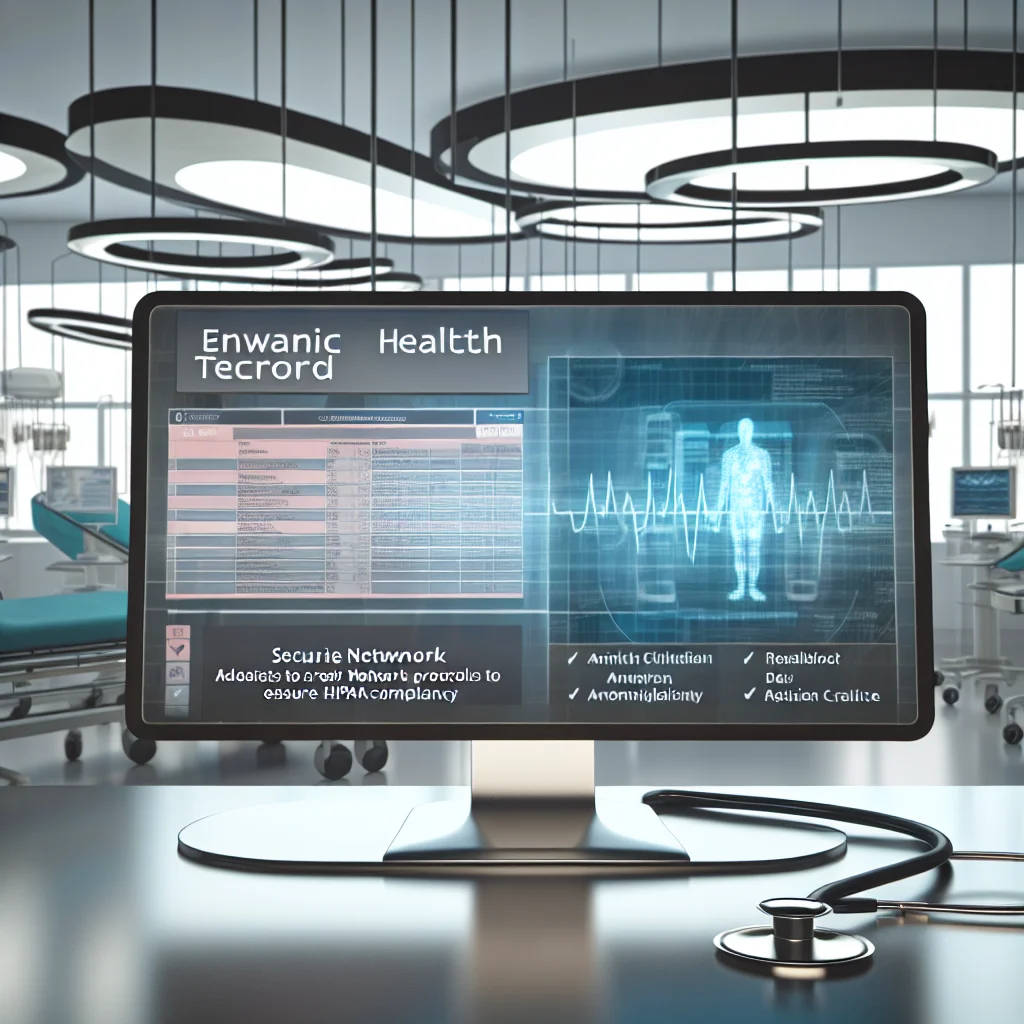
In recent years, the healthcare industry has witnessed a significant transformation driven by the integration of innovative information technology solutions. This evolution is not merely a trend but a necessary adaptation to the growing demands for efficiency, accuracy, and patient-centered care. As healthcare systems strive to improve outcomes and reduce costs, modern IT strategies have become indispensable tools in achieving these goals. The integration of advanced technologies such as electronic health records (EHRs), telemedicine, and artificial intelligence (AI) is reshaping the landscape of healthcare delivery.
Electronic health records have become a cornerstone of modern healthcare IT strategies. By digitizing patient information, EHRs facilitate seamless access to comprehensive medical histories, enabling healthcare providers to make informed decisions quickly. This digital transformation not only enhances the accuracy of diagnoses but also reduces the likelihood of medical errors. Moreover, EHRs promote interoperability, allowing different healthcare systems to communicate effectively and share critical patient data. This interconnectedness is crucial in ensuring continuity of care, especially for patients with complex medical conditions who require treatment from multiple specialists.
In addition to EHRs, telemedicine has emerged as a vital component of contemporary healthcare systems. The COVID-19 pandemic accelerated the adoption of telehealth services, highlighting their potential to expand access to care, particularly in underserved and remote areas. By leveraging video conferencing and other digital communication tools, healthcare providers can offer consultations, monitor chronic conditions, and provide follow-up care without the need for in-person visits. This not only enhances convenience for patients but also reduces the burden on healthcare facilities, allowing them to allocate resources more efficiently.
Furthermore, the integration of artificial intelligence into healthcare systems is revolutionizing the way medical professionals diagnose and treat diseases. AI algorithms can analyze vast amounts of data with remarkable speed and accuracy, identifying patterns and trends that may elude human observation. For instance, AI-powered diagnostic tools can assist radiologists in detecting anomalies in medical images, leading to earlier and more accurate diagnoses. Additionally, AI-driven predictive analytics can help healthcare providers anticipate patient needs, optimize treatment plans, and improve overall outcomes.
Despite the numerous benefits of integrating modern IT strategies into healthcare systems, challenges remain. Data security and patient privacy are paramount concerns, as the digitization of health records increases the risk of cyberattacks and unauthorized access. Healthcare organizations must implement robust cybersecurity measures to protect sensitive information and maintain patient trust. Moreover, the successful adoption of these technologies requires significant investment in infrastructure and training, which can be a barrier for smaller healthcare providers with limited resources.
In conclusion, the integration of innovative IT solutions is transforming healthcare systems, offering new opportunities to enhance patient care and operational efficiency. As electronic health records, telemedicine, and artificial intelligence continue to evolve, they hold the potential to address some of the most pressing challenges in healthcare today. However, to fully realize these benefits, healthcare organizations must navigate the complexities of implementation, ensuring that technology serves as an enabler rather than a hindrance. By embracing these modern IT strategies, the healthcare industry can move towards a future where high-quality, patient-centered care is accessible to all.
Optimizing Clinical Support: Leveraging Health IT for Better Patient Outcomes
In the rapidly evolving landscape of healthcare, the integration of information technology has become a pivotal factor in enhancing patient outcomes. As healthcare systems strive to optimize clinical support, leveraging health IT emerges as a crucial strategy. The adoption of advanced IT solutions not only streamlines operations but also significantly improves the quality of care provided to patients. By harnessing the power of technology, healthcare providers can ensure more accurate diagnoses, personalized treatment plans, and ultimately, better patient outcomes.
One of the primary ways health IT contributes to improved patient outcomes is through the implementation of electronic health records (EHRs). EHRs facilitate seamless access to patient information, enabling healthcare professionals to make informed decisions quickly. This accessibility reduces the likelihood of errors and ensures that all members of a patient’s care team are on the same page. Moreover, EHRs support the integration of clinical decision support systems (CDSS), which provide evidence-based recommendations to clinicians. These systems analyze patient data and suggest potential diagnoses or treatment options, thereby enhancing the decision-making process.
In addition to EHRs, telemedicine has emerged as a transformative tool in healthcare IT. By allowing patients to consult with healthcare providers remotely, telemedicine expands access to care, particularly for those in rural or underserved areas. This technology not only reduces the need for travel but also ensures that patients receive timely medical attention. Furthermore, telemedicine platforms often incorporate features such as remote monitoring, which enables continuous tracking of a patient’s health status. This real-time data collection allows for early detection of potential health issues, facilitating prompt intervention and reducing the risk of complications.
Another significant aspect of health IT is the use of data analytics to drive clinical improvements. By analyzing large volumes of health data, healthcare organizations can identify trends, predict outcomes, and develop targeted interventions. For instance, predictive analytics can help identify patients at high risk of readmission, allowing healthcare providers to implement preventive measures. Additionally, data analytics can support population health management by identifying patterns in disease prevalence and guiding public health initiatives. This data-driven approach not only enhances individual patient care but also contributes to the overall improvement of community health.
Moreover, the integration of artificial intelligence (AI) in healthcare IT is revolutionizing clinical support. AI algorithms can process vast amounts of data at unprecedented speeds, identifying patterns and insights that may be overlooked by human analysis. In radiology, for example, AI can assist in the interpretation of medical images, improving diagnostic accuracy and reducing the time required for analysis. Similarly, AI-powered chatbots can provide patients with instant responses to their queries, enhancing patient engagement and satisfaction.
Despite the numerous benefits of health IT, challenges remain in its implementation. Ensuring data security and patient privacy is paramount, as breaches can undermine trust and compromise patient safety. Additionally, the integration of new technologies requires significant investment and training, which can be a barrier for some healthcare organizations. However, by addressing these challenges and fostering a culture of innovation, healthcare systems can fully leverage IT to optimize clinical support.
In conclusion, the strategic use of health IT is essential for optimizing clinical support and improving patient outcomes. Through the adoption of EHRs, telemedicine, data analytics, and AI, healthcare providers can enhance the quality of care, increase efficiency, and ensure better health outcomes for patients. As technology continues to advance, its role in healthcare will undoubtedly expand, offering new opportunities to transform patient care and support the overarching goal of improved health for all.
Tech Integration in Healthcare: Balancing Innovation with HIPAA Compliance
In the rapidly evolving landscape of healthcare, the integration of modern information technology systems has become a pivotal component in enhancing patient care and operational efficiency. As healthcare providers increasingly rely on digital solutions to manage patient data, streamline operations, and improve outcomes, the challenge of balancing innovation with regulatory compliance, particularly with the Health Insurance Portability and Accountability Act (HIPAA), becomes ever more pronounced. This delicate balance requires a strategic approach that not only embraces technological advancements but also ensures the protection of sensitive patient information.
The adoption of electronic health records (EHRs) exemplifies the transformative impact of IT in healthcare. EHRs facilitate seamless access to patient information, enabling healthcare professionals to make informed decisions swiftly. However, the digitization of health records also introduces vulnerabilities that could potentially compromise patient privacy. To mitigate these risks, healthcare organizations must implement robust security measures that align with HIPAA regulations. This includes employing encryption technologies, access controls, and regular audits to safeguard patient data against unauthorized access and breaches.
Moreover, the integration of telemedicine platforms has revolutionized patient care by providing remote access to healthcare services. Telemedicine not only enhances accessibility for patients in remote areas but also reduces the burden on healthcare facilities. Nevertheless, the use of telemedicine raises concerns about data transmission security and patient confidentiality. To address these issues, healthcare providers must ensure that telemedicine platforms are HIPAA-compliant, incorporating secure communication channels and authentication protocols to protect patient information during virtual consultations.
In addition to EHRs and telemedicine, the rise of wearable health technologies and mobile health applications presents new opportunities and challenges. Wearable devices, such as fitness trackers and smartwatches, collect a wealth of health-related data that can be invaluable for monitoring patient health and promoting preventive care. However, the integration of these devices into healthcare systems necessitates stringent data management practices to ensure compliance with HIPAA standards. Healthcare organizations must establish clear guidelines for data collection, storage, and sharing, ensuring that patient consent is obtained and that data is used responsibly.
Furthermore, the implementation of artificial intelligence (AI) and machine learning in healthcare holds the promise of revolutionizing diagnostics and treatment planning. AI algorithms can analyze vast amounts of data to identify patterns and predict outcomes, thereby enhancing clinical decision-making. Yet, the use of AI in healthcare also raises ethical and legal considerations, particularly concerning data privacy and algorithmic transparency. To navigate these complexities, healthcare providers must collaborate with IT experts to develop AI systems that are not only effective but also compliant with HIPAA regulations, ensuring that patient data is anonymized and that AI-driven decisions are explainable and accountable.
As healthcare systems continue to integrate modern IT strategies, the importance of fostering a culture of compliance cannot be overstated. This involves ongoing training for healthcare professionals on data privacy and security practices, as well as fostering collaboration between IT departments and clinical staff to ensure that technological solutions are implemented effectively and ethically. By prioritizing both innovation and compliance, healthcare organizations can harness the full potential of IT to improve patient care while safeguarding the privacy and security of patient information.
In conclusion, the integration of technology in healthcare presents a myriad of opportunities to enhance patient care and operational efficiency. However, it also necessitates a careful balancing act to ensure compliance with HIPAA regulations. By adopting a strategic approach that prioritizes data security and privacy, healthcare organizations can successfully navigate the complexities of tech integration, ultimately leading to improved healthcare outcomes and patient trust.
Unlock the future of healthcare with cutting-edge IT strategies! Discover how modern technology is transforming healthcare systems. Dive into Healthcare IT Insights now! Learn more.