Emerging Health IT Trends: Transforming Healthcare Systems
In recent years, the healthcare industry has witnessed a significant transformation driven by the rapid advancement of information technology. This evolution is reshaping healthcare systems globally, offering new opportunities to enhance patient care, streamline operations, and improve overall health outcomes. As we delve into the emerging health IT trends, it becomes evident that these innovations are not merely technological upgrades but fundamental shifts that are redefining the landscape of healthcare delivery.
One of the most prominent trends is the integration of artificial intelligence (AI) and machine learning into healthcare systems. These technologies are being leveraged to analyze vast amounts of data, enabling healthcare providers to make more informed decisions. For instance, AI algorithms can predict patient outcomes, identify potential health risks, and even suggest personalized treatment plans. This not only enhances the accuracy of diagnoses but also allows for more proactive and preventive care, ultimately leading to better patient outcomes.
Moreover, the rise of telemedicine has been a game-changer, particularly in the wake of the COVID-19 pandemic. Telehealth platforms have enabled healthcare providers to reach patients in remote areas, offering consultations and follow-ups without the need for physical visits. This has not only increased access to healthcare services but also reduced the burden on healthcare facilities. As telemedicine continues to evolve, it is expected to become an integral part of healthcare systems, providing a convenient and efficient way for patients to receive care.
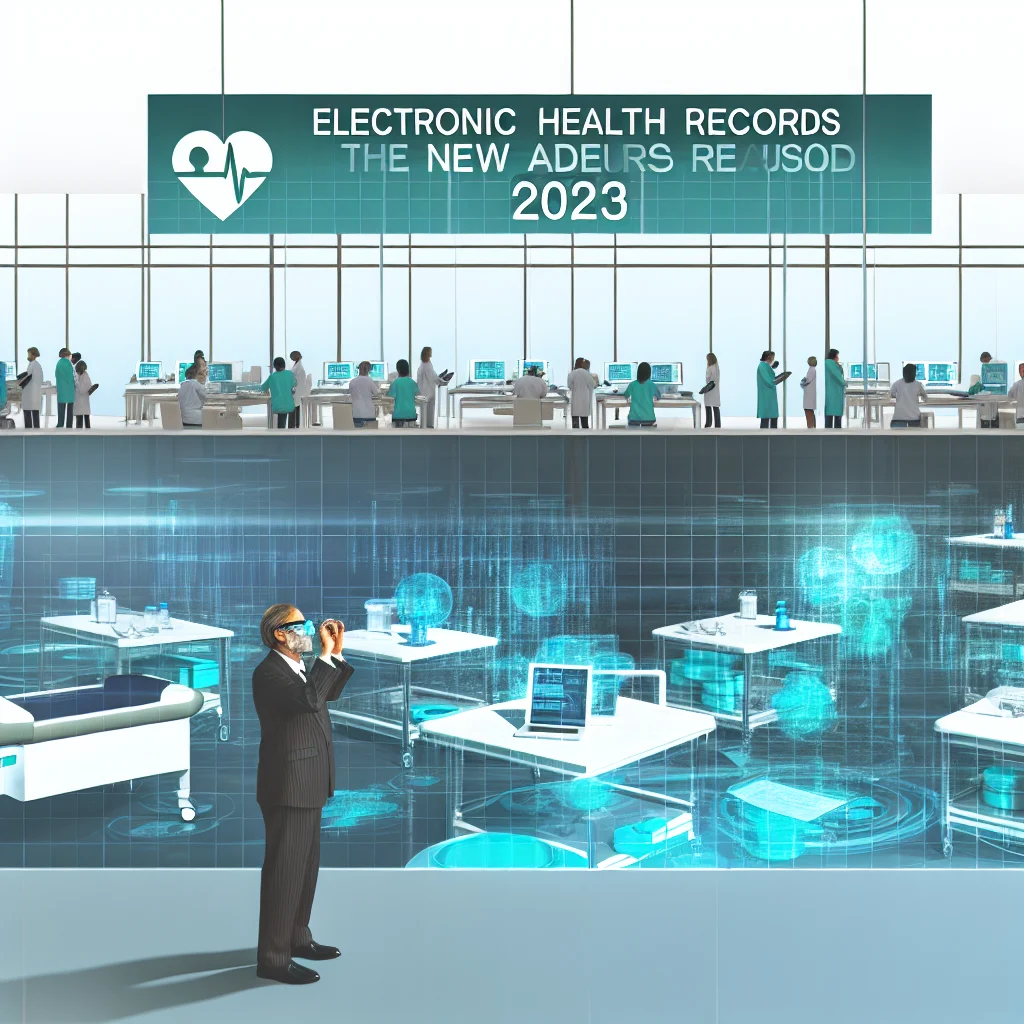
In addition to AI and telemedicine, the adoption of electronic health records (EHRs) has been instrumental in transforming healthcare systems. EHRs facilitate the seamless exchange of patient information across different healthcare providers, ensuring continuity of care. This digitalization of health records has improved the efficiency of healthcare delivery, reduced errors, and enhanced patient safety. Furthermore, EHRs enable healthcare providers to track patient history more effectively, leading to more accurate diagnoses and treatment plans.
Another emerging trend is the use of wearable technology and mobile health applications. These tools empower patients to take an active role in managing their health by providing real-time data on various health metrics such as heart rate, physical activity, and sleep patterns. This data can be shared with healthcare providers, allowing for more personalized and timely interventions. As wearable technology becomes more sophisticated, it is expected to play a crucial role in preventive healthcare, helping individuals maintain healthier lifestyles and detect potential health issues early.
Furthermore, the implementation of blockchain technology in healthcare systems is gaining traction. Blockchain offers a secure and transparent way to store and share health data, addressing concerns related to data privacy and security. By ensuring that patient information is tamper-proof and accessible only to authorized individuals, blockchain technology enhances trust between patients and healthcare providers. This, in turn, encourages more open communication and collaboration, ultimately improving the quality of care.
In conclusion, the integration of emerging health IT trends into healthcare systems is revolutionizing the way care is delivered and managed. From AI and telemedicine to EHRs, wearable technology, and blockchain, these innovations are paving the way for a more efficient, accessible, and patient-centered healthcare system. As these technologies continue to evolve, they hold the promise of transforming healthcare into a more proactive, personalized, and data-driven industry, ultimately leading to improved health outcomes for individuals and communities worldwide.
The Role Of Medical Data In Modern Healthcare Systems
In the rapidly evolving landscape of modern healthcare systems, the role of medical data has become increasingly pivotal. As healthcare providers strive to deliver more efficient and personalized care, the integration and utilization of medical data have emerged as critical components in achieving these goals. The advent of advanced technologies and the proliferation of electronic health records (EHRs) have transformed the way medical data is collected, stored, and analyzed, thereby reshaping the healthcare industry.
To begin with, the digitization of medical records has facilitated the seamless exchange of information among healthcare providers. This interoperability ensures that patient data is readily accessible, enabling healthcare professionals to make informed decisions swiftly. For instance, when a patient visits multiple specialists, their medical history, test results, and treatment plans can be easily shared, reducing the risk of redundant tests and potential medical errors. Consequently, this leads to improved patient outcomes and enhanced coordination of care.
Moreover, the aggregation of vast amounts of medical data has paved the way for significant advancements in medical research and public health. By analyzing trends and patterns within large datasets, researchers can identify risk factors for diseases, track the spread of epidemics, and evaluate the effectiveness of treatments. This data-driven approach not only accelerates the pace of medical discoveries but also informs public health policies and preventive measures, ultimately contributing to the well-being of populations.
In addition to research, medical data plays a crucial role in the development and implementation of personalized medicine. By leveraging data analytics and machine learning algorithms, healthcare providers can tailor treatments to individual patients based on their genetic makeup, lifestyle, and medical history. This personalized approach enhances the efficacy of treatments and minimizes adverse effects, thereby improving the overall quality of care. Furthermore, predictive analytics can identify patients at high risk of developing certain conditions, allowing for early intervention and preventive care.
However, the increasing reliance on medical data also raises important ethical and security concerns. The protection of patient privacy is paramount, as unauthorized access to sensitive information can have severe consequences. Healthcare systems must implement robust cybersecurity measures to safeguard data against breaches and ensure compliance with regulations such as the Health Insurance Portability and Accountability Act (HIPAA). Additionally, ethical considerations must be addressed when using data for research, ensuring that patient consent is obtained and that data is used responsibly.
Despite these challenges, the potential benefits of harnessing medical data in healthcare systems are undeniable. As technology continues to advance, the integration of artificial intelligence and machine learning will further enhance the capabilities of healthcare providers. These technologies can assist in diagnosing diseases, predicting patient outcomes, and optimizing resource allocation, thereby improving the efficiency and effectiveness of healthcare delivery.
In conclusion, medical data is an indispensable asset in modern healthcare systems, driving innovation and improving patient care. The ability to collect, analyze, and apply data effectively has transformed the healthcare landscape, offering new opportunities for research, personalized medicine, and public health initiatives. As we continue to navigate the complexities of data management and privacy, it is essential to strike a balance between leveraging data for progress and safeguarding patient rights. By doing so, healthcare systems can harness the full potential of medical data to enhance the health and well-being of individuals and communities worldwide.
Tech Integration Strategies For Enhanced Clinical Support

In the rapidly evolving landscape of healthcare, the integration of technology into clinical support systems has become a pivotal strategy for enhancing patient care and operational efficiency. As healthcare systems strive to meet the increasing demands of patient populations, the role of technology in streamlining processes and improving outcomes cannot be overstated. The integration of advanced IT solutions into healthcare systems is not merely a trend but a necessity, driven by the need for more efficient, accurate, and patient-centered care.
One of the primary strategies for integrating technology into healthcare systems is the implementation of Electronic Health Records (EHRs). EHRs have revolutionized the way patient information is stored, accessed, and utilized. By digitizing patient records, healthcare providers can ensure that critical information is readily available, reducing the risk of errors and enhancing the continuity of care. Moreover, EHRs facilitate seamless communication among healthcare professionals, enabling them to collaborate more effectively and make informed decisions based on comprehensive patient data.
In addition to EHRs, telemedicine has emerged as a transformative tool in healthcare IT integration. Telemedicine platforms allow healthcare providers to extend their reach beyond traditional clinical settings, offering patients the convenience of remote consultations. This not only improves access to care, particularly for those in rural or underserved areas, but also optimizes resource allocation by reducing the need for in-person visits. As a result, telemedicine contributes to a more efficient healthcare delivery system, where patients receive timely care without the constraints of geographical barriers.
Furthermore, the integration of Artificial Intelligence (AI) into clinical support systems is reshaping the way healthcare is delivered. AI algorithms can analyze vast amounts of data to identify patterns and predict outcomes, assisting healthcare providers in diagnosing conditions more accurately and swiftly. For instance, AI-powered diagnostic tools can detect anomalies in medical imaging with remarkable precision, supporting radiologists in their assessments. This not only enhances diagnostic accuracy but also expedites the treatment process, ultimately improving patient outcomes.
Another critical aspect of technology integration in healthcare is the use of data analytics. By harnessing the power of big data, healthcare systems can gain valuable insights into patient populations, treatment efficacy, and operational efficiency. Data analytics enables healthcare providers to identify trends, optimize resource allocation, and implement evidence-based practices. Consequently, this leads to more personalized care plans and improved patient satisfaction, as treatments are tailored to individual needs and preferences.
However, the integration of technology into healthcare systems is not without its challenges. Ensuring data security and patient privacy remains a top priority, as the digitization of health records increases the risk of cyber threats. Healthcare organizations must invest in robust cybersecurity measures to protect sensitive information and maintain patient trust. Additionally, the successful implementation of technology requires adequate training and support for healthcare professionals, ensuring they are equipped to leverage these tools effectively.
In conclusion, the integration of technology into healthcare systems is a multifaceted strategy that holds immense potential for enhancing clinical support. From EHRs and telemedicine to AI and data analytics, these technological advancements are transforming the way healthcare is delivered, making it more efficient, accurate, and patient-centered. As healthcare systems continue to embrace these innovations, they must also address the associated challenges to fully realize the benefits of technology integration. By doing so, they can pave the way for a future where healthcare is not only more accessible but also more effective in meeting the needs of diverse patient populations.
Ensuring HIPAA Compliance In EHR And Healthcare Systems
Ensuring HIPAA compliance in Electronic Health Records (EHR) and healthcare systems is a critical aspect of modern healthcare management. As the healthcare industry increasingly relies on digital solutions to enhance patient care and streamline operations, safeguarding patient information has become paramount. The Health Insurance Portability and Accountability Act (HIPAA) sets the standard for protecting sensitive patient data, and compliance with its regulations is not only a legal obligation but also a fundamental component of maintaining patient trust.
To begin with, understanding the core requirements of HIPAA is essential for any healthcare organization. HIPAA mandates the protection of patient information through a series of administrative, physical, and technical safeguards. These safeguards are designed to ensure the confidentiality, integrity, and availability of electronic protected health information (ePHI). Consequently, healthcare providers must implement robust security measures to prevent unauthorized access, use, or disclosure of patient data.
One of the primary challenges in ensuring HIPAA compliance within EHR systems is the integration of security measures without compromising the usability and efficiency of these systems. Healthcare providers must strike a delicate balance between protecting patient information and allowing healthcare professionals to access the data they need to deliver quality care. This requires a comprehensive approach that includes regular risk assessments, employee training, and the implementation of advanced security technologies.
Risk assessments play a crucial role in identifying potential vulnerabilities within healthcare systems. By conducting thorough evaluations of their IT infrastructure, healthcare organizations can pinpoint areas that may be susceptible to data breaches or unauthorized access. These assessments should be conducted regularly and updated to reflect changes in technology and the evolving threat landscape. By proactively identifying and addressing risks, healthcare providers can significantly reduce the likelihood of data breaches and ensure compliance with HIPAA regulations.
In addition to risk assessments, employee training is a vital component of maintaining HIPAA compliance. Healthcare staff must be well-versed in the principles of data protection and understand their role in safeguarding patient information. Regular training sessions can help reinforce the importance of HIPAA compliance and provide employees with the knowledge they need to recognize and respond to potential security threats. Moreover, fostering a culture of security awareness within the organization can further enhance compliance efforts.
Furthermore, the implementation of advanced security technologies is essential for protecting ePHI. Encryption, access controls, and audit trails are just a few examples of the technical safeguards that can be employed to secure patient data. Encryption ensures that even if data is intercepted, it remains unreadable to unauthorized individuals. Access controls limit who can view or modify patient information, while audit trails provide a record of who accessed the data and when. These technologies, when used in conjunction with other security measures, create a robust defense against data breaches.
In conclusion, ensuring HIPAA compliance in EHR and healthcare systems is a multifaceted endeavor that requires a comprehensive approach. By understanding the core requirements of HIPAA, conducting regular risk assessments, providing employee training, and implementing advanced security technologies, healthcare organizations can protect patient information and maintain compliance with federal regulations. As the healthcare industry continues to evolve, staying vigilant and proactive in safeguarding patient data will remain a top priority for healthcare providers.
Innovations In Healthcare Systems: A Deep Dive Into EHR Solutions
In recent years, the healthcare industry has witnessed a significant transformation driven by technological advancements, particularly in the realm of healthcare information technology. Among these innovations, Electronic Health Records (EHR) systems have emerged as a cornerstone, revolutionizing the way healthcare providers manage patient information. EHR solutions have not only streamlined administrative processes but have also enhanced the quality of patient care, making them indispensable in modern healthcare systems.
To begin with, EHR systems have fundamentally changed how patient data is stored and accessed. Traditionally, patient records were maintained in paper form, which posed numerous challenges, including the risk of data loss, difficulty in sharing information, and inefficiencies in data retrieval. However, with the advent of EHR solutions, healthcare providers can now store patient information digitally, ensuring that data is both secure and easily accessible. This digital transformation has facilitated seamless communication among healthcare professionals, enabling them to make informed decisions swiftly and accurately.
Moreover, EHR systems have significantly improved the coordination of care. In a traditional setup, a patient’s medical history might be scattered across various healthcare providers, leading to fragmented care. EHR solutions address this issue by integrating patient data from multiple sources into a single, comprehensive record. This integration allows healthcare providers to have a holistic view of a patient’s medical history, including past diagnoses, treatments, and medications. Consequently, this comprehensive overview aids in reducing medical errors, avoiding unnecessary tests, and ensuring that patients receive consistent and coordinated care.
In addition to improving care coordination, EHR systems have also enhanced patient engagement. With the rise of patient portals, individuals now have the ability to access their own health records, schedule appointments, and communicate with their healthcare providers online. This increased accessibility empowers patients to take an active role in managing their health, fostering a collaborative relationship between patients and providers. Furthermore, by having access to their medical information, patients are better equipped to understand their health conditions and treatment plans, leading to improved adherence to medical advice and better health outcomes.
Another notable advantage of EHR solutions is their role in facilitating data-driven decision-making. The vast amount of data generated by EHR systems can be analyzed to identify trends, predict outcomes, and develop personalized treatment plans. For instance, healthcare providers can use data analytics to identify patients at risk of developing chronic conditions and implement preventive measures accordingly. This proactive approach not only improves patient outcomes but also reduces healthcare costs by minimizing the need for expensive interventions.
Despite the numerous benefits, the implementation of EHR systems is not without challenges. Healthcare organizations often face hurdles such as high initial costs, the need for staff training, and concerns about data privacy and security. However, with ongoing advancements in technology and increased focus on interoperability standards, these challenges are gradually being addressed. As healthcare systems continue to evolve, it is crucial for stakeholders to collaborate and invest in robust EHR solutions that prioritize patient safety and data security.
In conclusion, EHR systems have become an integral part of modern healthcare systems, offering a multitude of benefits ranging from improved care coordination to enhanced patient engagement. As technology continues to advance, the potential for EHR solutions to further transform healthcare delivery is immense. By embracing these innovations, healthcare providers can ensure that they are well-equipped to meet the demands of an ever-changing healthcare landscape, ultimately leading to better patient outcomes and a more efficient healthcare system.
Unlock the future of healthcare with cutting-edge IT insights! Discover how 57 innovative healthcare systems are transforming patient care and operational efficiency. [Explore more](https://comptss.com) today!