The Future Of Dental Technology: Embracing IT Upgrades For Enhanced Patient Care
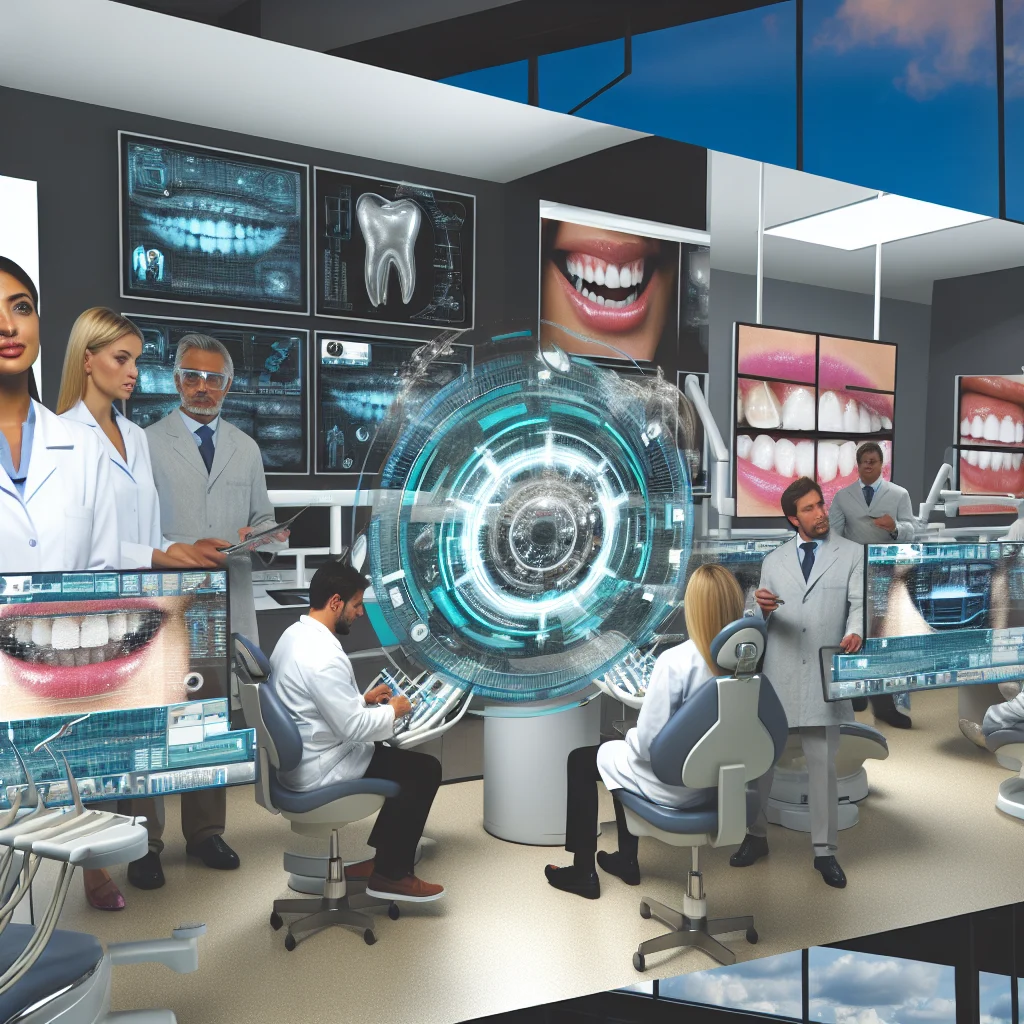
The future of dental technology is poised for significant transformation, driven by the rapid advancements in information technology. As dental practices increasingly embrace IT upgrades, the potential for enhanced patient care becomes more apparent. The integration of cutting-edge technologies not only streamlines operations but also elevates the quality of care provided to patients. This evolution is marked by several key trends that are reshaping the landscape of dental care.
One of the most notable advancements is the adoption of digital imaging technologies. Traditional X-rays are being replaced by digital radiography, which offers numerous benefits, including reduced radiation exposure and immediate image availability. This shift allows for more accurate diagnoses and treatment planning, ultimately improving patient outcomes. Furthermore, digital imaging facilitates better communication between dental professionals and patients, as images can be easily shared and explained, enhancing patient understanding and engagement.
In addition to digital imaging, the implementation of electronic health records (EHRs) is revolutionizing dental practices. EHRs provide a comprehensive and accessible repository of patient information, enabling dental professionals to make informed decisions quickly. This technology not only improves the efficiency of patient management but also enhances the continuity of care, as records can be seamlessly shared among different healthcare providers. Moreover, EHRs support the integration of various diagnostic tools, allowing for a more holistic approach to patient care.
Another significant development in dental technology is the rise of teledentistry. This innovative approach leverages telecommunications technology to provide remote dental consultations and care. Teledentistry is particularly beneficial for patients in rural or underserved areas, where access to dental services may be limited. By facilitating virtual consultations, dental professionals can offer timely advice and treatment recommendations, reducing the need for in-person visits and improving access to care.
Furthermore, the incorporation of artificial intelligence (AI) into dental practices is set to revolutionize the industry. AI algorithms can analyze vast amounts of data to identify patterns and predict outcomes, assisting dental professionals in making more accurate diagnoses and treatment plans. For instance, AI can be used to detect early signs of dental diseases, such as cavities or periodontal issues, allowing for proactive intervention. Additionally, AI-powered tools can enhance administrative tasks, such as appointment scheduling and billing, improving the overall efficiency of dental practices.
The integration of 3D printing technology is also making waves in the dental field. This technology enables the rapid production of dental prosthetics, such as crowns, bridges, and dentures, with unparalleled precision and customization. By reducing the time and cost associated with traditional manufacturing methods, 3D printing enhances the patient experience and allows for more personalized care.
As dental practices continue to embrace these IT upgrades, the importance of cybersecurity cannot be overstated. Protecting patient data from breaches and ensuring compliance with regulations, such as the Health Insurance Portability and Accountability Act (HIPAA), is paramount. Implementing robust cybersecurity measures is essential to maintaining patient trust and safeguarding sensitive information.
In conclusion, the future of dental technology is bright, with IT upgrades playing a pivotal role in enhancing patient care. From digital imaging and EHRs to teledentistry, AI, and 3D printing, these advancements are transforming the way dental services are delivered. By embracing these technologies, dental professionals can provide more efficient, accurate, and personalized care, ultimately improving patient outcomes and satisfaction. As the industry continues to evolve, staying abreast of these technological developments will be crucial for dental practices aiming to remain at the forefront of patient care.
Cloud Integration In Dental Practices: Streamlining Operations And Improving Efficiency
In the rapidly evolving landscape of dental technology, cloud integration has emerged as a pivotal advancement, offering dental practices a transformative approach to streamline operations and enhance efficiency. As dental practices increasingly seek to modernize their operations, the adoption of cloud-based solutions presents a compelling opportunity to optimize various aspects of practice management, from patient records to appointment scheduling and beyond. By leveraging the power of the cloud, dental practices can achieve a level of operational efficiency that was previously unattainable with traditional, on-premise systems.
One of the most significant advantages of cloud integration in dental practices is the seamless accessibility it provides. With cloud-based systems, dental professionals can access patient records, treatment plans, and other critical information from any location with an internet connection. This flexibility not only facilitates remote consultations and telehealth services but also ensures that dental teams can collaborate effectively, regardless of their physical location. Consequently, this level of accessibility enhances the overall patient experience, as it allows for more timely and coordinated care.
Moreover, cloud integration offers robust data security measures that are essential for protecting sensitive patient information. Cloud service providers typically employ advanced encryption techniques and multi-factor authentication to safeguard data, ensuring compliance with stringent healthcare regulations such as the Health Insurance Portability and Accountability Act (HIPAA). By entrusting data security to specialized cloud providers, dental practices can mitigate the risk of data breaches and focus more on delivering quality patient care.
In addition to security, cloud-based solutions offer scalability that is particularly beneficial for growing dental practices. As a practice expands, the need for additional storage and computing power increases. Cloud services can easily accommodate these needs without the necessity for significant upfront investments in hardware. This scalability allows dental practices to adapt to changing demands efficiently, ensuring that they can continue to provide high-quality care without interruption.
Furthermore, cloud integration streamlines administrative tasks, reducing the burden on dental staff and allowing them to focus more on patient care. Automated appointment scheduling, billing, and inventory management are just a few examples of how cloud-based systems can enhance operational efficiency. By automating these routine tasks, dental practices can reduce the likelihood of human error, improve accuracy, and ultimately enhance the overall patient experience.
Another critical aspect of cloud integration is its role in facilitating data analytics. Cloud-based platforms often come equipped with powerful analytics tools that enable dental practices to gain valuable insights into their operations. By analyzing data on patient demographics, treatment outcomes, and financial performance, practices can make informed decisions that drive improvements in both clinical and business outcomes. This data-driven approach empowers dental practices to identify trends, optimize resource allocation, and enhance patient satisfaction.
In conclusion, the integration of cloud technology in dental practices represents a significant step forward in streamlining operations and improving efficiency. By offering enhanced accessibility, robust security, scalability, and advanced analytics capabilities, cloud-based solutions provide dental practices with the tools they need to thrive in an increasingly competitive healthcare environment. As the dental industry continues to embrace digital transformation, cloud integration will undoubtedly play a crucial role in shaping the future of dental care, ensuring that practices can deliver exceptional service while maintaining operational excellence.
Navigating Dental Compliance: Essential IT Strategies For Modern Practices
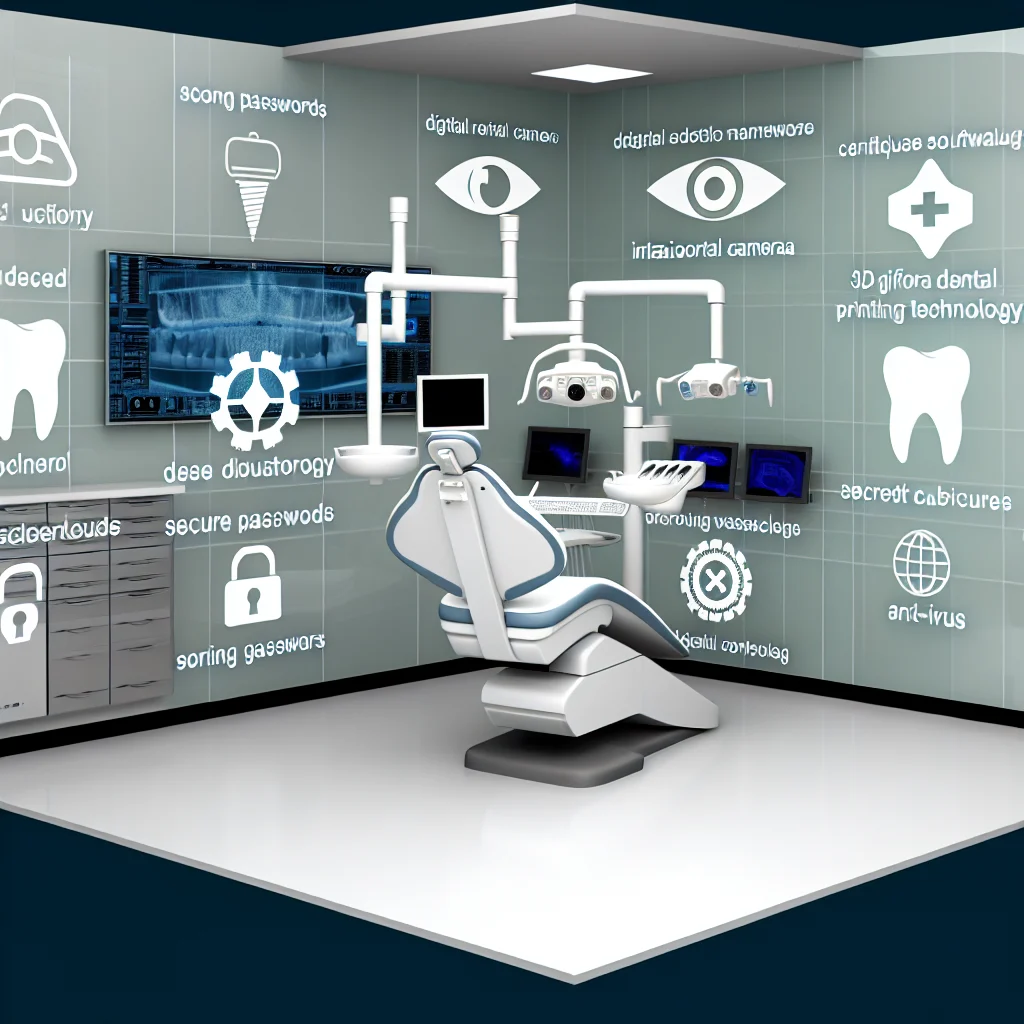
In the rapidly evolving landscape of dental technology, maintaining compliance with regulatory standards is a critical concern for modern dental practices. As digital solutions become increasingly integral to dental operations, ensuring that these technologies align with compliance requirements is paramount. This necessitates a strategic approach to IT management, where practices must not only adopt advanced technologies but also implement robust compliance strategies to safeguard patient data and adhere to legal mandates.
To begin with, understanding the regulatory framework is essential for any dental practice aiming to navigate compliance effectively. Regulations such as the Health Insurance Portability and Accountability Act (HIPAA) in the United States set stringent standards for the protection of patient information. Dental practices must ensure that their IT systems are designed to meet these standards, which include secure data storage, controlled access, and regular audits. By doing so, practices can mitigate the risk of data breaches and avoid potential legal repercussions.
Moreover, the integration of electronic health records (EHRs) into dental practices has revolutionized patient care but also introduced new compliance challenges. EHR systems must be configured to ensure that patient data is encrypted and accessible only to authorized personnel. Regular training sessions for staff on the proper use of these systems can further enhance compliance, as employees are often the first line of defense against data breaches. Additionally, implementing multi-factor authentication and regular password updates can significantly bolster the security of these systems.
Transitioning to cloud-based solutions offers another layer of complexity in compliance management. While cloud services provide scalability and flexibility, they also require careful consideration of data sovereignty and vendor compliance. Dental practices must conduct thorough due diligence when selecting cloud service providers, ensuring that these vendors comply with relevant regulations and offer robust security measures. Establishing clear contractual agreements that outline data protection responsibilities is crucial in maintaining compliance when utilizing cloud technologies.
Furthermore, the rise of teledentistry has expanded the scope of dental services but also introduced new compliance considerations. As dental consultations increasingly occur over digital platforms, ensuring the confidentiality and security of these interactions is vital. Practices must select telehealth platforms that are HIPAA-compliant and provide end-to-end encryption for all communications. Additionally, obtaining informed consent from patients for virtual consultations is a necessary step in maintaining compliance and protecting patient rights.
In addition to these technological considerations, regular risk assessments are a fundamental component of a comprehensive compliance strategy. By conducting periodic evaluations of their IT infrastructure, dental practices can identify potential vulnerabilities and implement corrective measures proactively. This not only helps in maintaining compliance but also enhances the overall security posture of the practice.
Finally, staying informed about evolving regulations and technological advancements is crucial for dental practices aiming to maintain compliance. Engaging with professional organizations, attending industry conferences, and subscribing to relevant publications can provide valuable insights into emerging trends and regulatory updates. By fostering a culture of continuous learning and adaptation, dental practices can ensure that their compliance strategies remain effective in the face of changing technological and regulatory landscapes.
In conclusion, navigating dental compliance in the modern era requires a multifaceted approach that integrates advanced IT strategies with a thorough understanding of regulatory requirements. By prioritizing data security, leveraging compliant technologies, and fostering a culture of continuous improvement, dental practices can successfully navigate the complexities of compliance while delivering high-quality care to their patients.
Strengthening Practice Security: IT Solutions To Protect Patient Data
In the rapidly evolving landscape of dental technology, safeguarding patient data has become a paramount concern for dental practices. As digital records and electronic health systems become more prevalent, the need for robust IT solutions to protect sensitive information is increasingly critical. Dental practices must navigate a complex array of security challenges to ensure that patient data remains confidential and secure. This article explores the essential IT solutions that can help dental practices strengthen their security measures and protect patient data effectively.
To begin with, implementing comprehensive encryption protocols is a fundamental step in securing patient data. Encryption transforms sensitive information into unreadable code, ensuring that even if data is intercepted, it remains inaccessible to unauthorized individuals. By employing advanced encryption standards, dental practices can protect data both in transit and at rest, thereby minimizing the risk of data breaches. Moreover, encryption serves as a critical line of defense against cyber threats, providing an additional layer of security that is essential in today’s digital age.
In addition to encryption, dental practices should prioritize the deployment of robust firewalls and intrusion detection systems. Firewalls act as a barrier between the internal network and external threats, monitoring and controlling incoming and outgoing network traffic based on predetermined security rules. Meanwhile, intrusion detection systems work in tandem with firewalls to identify and respond to potential security breaches in real-time. By integrating these technologies, dental practices can significantly reduce the likelihood of unauthorized access to their networks, thereby safeguarding patient data from cybercriminals.
Furthermore, regular software updates and patch management are crucial components of a comprehensive IT security strategy. Software vendors frequently release updates to address vulnerabilities and enhance security features. Dental practices must ensure that all software, including operating systems and dental management applications, is kept up-to-date to protect against known exploits. By establishing a routine schedule for software updates and patch management, practices can mitigate the risk of security breaches and maintain the integrity of their systems.
Another vital aspect of strengthening practice security is the implementation of multi-factor authentication (MFA). MFA requires users to provide two or more verification factors to gain access to sensitive systems or data. This additional layer of security makes it significantly more difficult for unauthorized individuals to access patient information, even if they have obtained login credentials. By adopting MFA, dental practices can enhance their security posture and provide greater assurance to patients that their data is protected.
Moreover, employee training and awareness programs play a critical role in safeguarding patient data. Human error remains one of the leading causes of data breaches, often resulting from phishing attacks or inadvertent data exposure. By educating staff on best practices for data security, including recognizing phishing attempts and handling sensitive information appropriately, dental practices can reduce the risk of data breaches. Regular training sessions and updates on emerging threats can empower employees to become active participants in the practice’s security efforts.
In conclusion, as dental technology continues to advance, the importance of protecting patient data cannot be overstated. By implementing a combination of encryption, firewalls, intrusion detection systems, regular software updates, multi-factor authentication, and employee training, dental practices can significantly enhance their security measures. These IT solutions not only protect sensitive information but also build trust with patients, ensuring that their data is handled with the utmost care and confidentiality. As the digital landscape continues to evolve, dental practices must remain vigilant and proactive in their efforts to safeguard patient data, thereby upholding the highest standards of privacy and security.
Digital Dentistry Revolution: How Dental Software Is Transforming Patient Experiences
The digital revolution has permeated nearly every aspect of modern life, and dentistry is no exception. As dental practices increasingly adopt advanced technologies, the transformation in patient experiences is becoming more pronounced. Dental software, in particular, is at the forefront of this evolution, offering a myriad of benefits that enhance both the efficiency of dental practices and the quality of care provided to patients.
One of the most significant advancements in dental technology is the integration of digital imaging systems. These systems have revolutionized the way dental professionals diagnose and plan treatments. Traditional X-rays, while still in use, are gradually being supplanted by digital radiography, which offers clearer images with reduced radiation exposure. This not only ensures a safer experience for patients but also allows for more accurate diagnoses. Furthermore, digital images can be easily stored and shared, facilitating seamless communication between dental professionals and specialists, thereby improving collaborative care.
In addition to imaging, dental software has made significant strides in patient management systems. These systems streamline administrative tasks, such as scheduling appointments, managing patient records, and processing billing. By automating these processes, dental practices can reduce the likelihood of human error and free up valuable time for staff to focus on patient care. Moreover, the integration of electronic health records (EHR) into dental software ensures that patient information is readily accessible, up-to-date, and secure, enhancing the overall efficiency of the practice.
Another area where dental software is making a substantial impact is in treatment planning and simulation. Advanced software tools now allow dentists to create detailed 3D models of a patient’s oral cavity, enabling precise planning for procedures such as implants, orthodontics, and restorative treatments. These models provide a visual aid for both the dentist and the patient, fostering better understanding and communication regarding the proposed treatment plan. Patients can visualize the expected outcomes, which can alleviate anxiety and improve satisfaction with the care they receive.
Furthermore, dental software is playing a pivotal role in patient education and engagement. Interactive tools and applications are being developed to help patients understand their oral health conditions and the treatments being proposed. By providing patients with access to educational resources and personalized treatment plans, dental practices can empower individuals to take an active role in their oral health care. This not only enhances patient satisfaction but also encourages adherence to treatment recommendations, ultimately leading to better health outcomes.
The integration of artificial intelligence (AI) into dental software is another exciting development that holds great promise for the future. AI algorithms can analyze vast amounts of data to identify patterns and predict potential oral health issues before they become significant problems. This predictive capability allows for proactive interventions, which can prevent the progression of dental diseases and reduce the need for more invasive treatments.
In conclusion, the digital dentistry revolution, driven by advancements in dental software, is transforming patient experiences in profound ways. From improving diagnostic accuracy and treatment planning to streamlining administrative tasks and enhancing patient education, these technologies are reshaping the landscape of dental care. As dental practices continue to embrace these innovations, patients can look forward to more efficient, effective, and personalized care, ultimately leading to improved oral health and overall well-being. The future of dentistry is undoubtedly digital, and the benefits for both practitioners and patients are immense.
Discover the latest advancements in dental technology with our comprehensive guide, “Dental IT Insights: Dental Technology (26).” Stay ahead in the dental industry by exploring cutting-edge innovations and solutions. Learn more now!