The Future Of Digital Dentistry: Embracing IT Upgrades For Enhanced Patient Care
The future of digital dentistry is poised for significant transformation as dental practices increasingly embrace IT upgrades to enhance patient care. As technology continues to evolve, dental professionals are finding innovative ways to integrate digital solutions into their practices, thereby improving efficiency, accuracy, and patient satisfaction. This shift towards digital dentistry is not merely a trend but a necessary evolution in response to the growing demands for high-quality dental care.
One of the most significant advancements in digital dentistry is the adoption of electronic health records (EHRs). EHRs have revolutionized the way dental practices manage patient information, allowing for seamless access to comprehensive patient histories, treatment plans, and diagnostic data. This digital transformation facilitates better communication among dental professionals and ensures that patients receive consistent and informed care. Moreover, EHRs enhance the accuracy of diagnoses and treatment outcomes by providing dentists with a holistic view of a patient’s dental health.
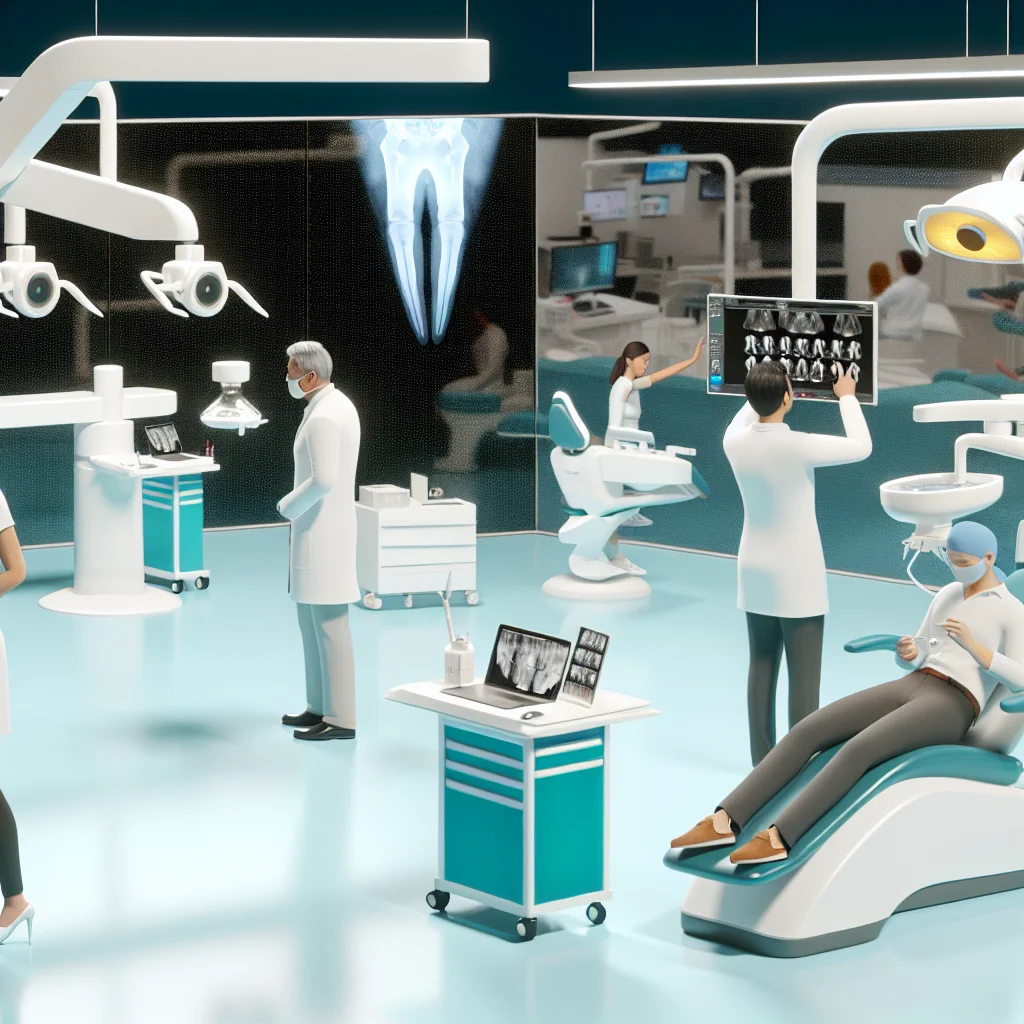
In addition to EHRs, digital imaging technologies have become indispensable tools in modern dental practices. Technologies such as digital X-rays and 3D imaging provide dentists with detailed and precise images of a patient’s oral structures. These advancements not only improve diagnostic accuracy but also reduce the exposure to radiation compared to traditional imaging methods. As a result, patients benefit from safer and more effective diagnostic procedures, while dentists can make more informed decisions regarding treatment options.
Furthermore, the integration of computer-aided design and computer-aided manufacturing (CAD/CAM) systems has transformed the way dental restorations are created. These systems enable the production of highly accurate dental prosthetics, such as crowns and bridges, in a fraction of the time required by traditional methods. By streamlining the fabrication process, CAD/CAM technology reduces the need for multiple patient visits and enhances the overall patient experience. This efficiency is particularly beneficial in today’s fast-paced world, where patients often seek quick and reliable solutions to their dental needs.
Tele-dentistry is another emerging trend that is reshaping the landscape of dental care. By leveraging digital communication tools, dental professionals can provide remote consultations and follow-up care, making dental services more accessible to patients in underserved or remote areas. This approach not only expands the reach of dental care but also offers patients the convenience of receiving expert advice without the need for in-person visits. As tele-dentistry continues to gain traction, it holds the potential to bridge gaps in dental care access and improve oral health outcomes on a broader scale.
Moreover, the integration of artificial intelligence (AI) in dental practices is set to revolutionize patient care further. AI-powered tools can assist in diagnosing dental conditions, predicting treatment outcomes, and personalizing patient care plans. By analyzing vast amounts of data, AI systems can identify patterns and trends that may not be immediately apparent to human practitioners. This capability enhances the precision of diagnoses and enables dentists to tailor treatments to individual patient needs, ultimately leading to improved patient satisfaction and outcomes.
In conclusion, the future of digital dentistry is bright, with IT upgrades playing a pivotal role in enhancing patient care. As dental practices continue to adopt and integrate these technological advancements, they are better equipped to meet the evolving needs of their patients. By embracing digital solutions, dental professionals can provide more efficient, accurate, and accessible care, ultimately improving the overall quality of dental services. As technology continues to advance, the dental industry must remain adaptable and open to innovation, ensuring that patients receive the best possible care in an increasingly digital world.
Navigating Dental Compliance: How Technology Ensures Regulatory Adherence
In the rapidly evolving landscape of dental care, compliance with regulatory standards is paramount. Dental practices must navigate a complex web of regulations to ensure patient safety, data protection, and quality care. Fortunately, advancements in dental technology are playing a pivotal role in helping practices adhere to these stringent requirements. By integrating innovative IT solutions, dental professionals can streamline compliance processes, reduce the risk of violations, and enhance overall operational efficiency.
One of the primary areas where technology aids compliance is in the management of patient records. Electronic Health Records (EHR) systems have revolutionized the way dental practices handle patient information. These systems not only facilitate the secure storage and retrieval of patient data but also ensure that records are maintained in accordance with regulatory standards such as the Health Insurance Portability and Accountability Act (HIPAA). By automating data entry and storage, EHR systems minimize human error and provide an audit trail that is crucial for compliance verification.
Moreover, dental technology enhances compliance through improved data security measures. Cybersecurity is a significant concern for dental practices, as they handle sensitive patient information that must be protected from unauthorized access. Advanced IT solutions offer robust encryption, secure access controls, and regular security updates to safeguard patient data. By implementing these technologies, dental practices can mitigate the risk of data breaches and demonstrate their commitment to maintaining patient confidentiality.
In addition to data management and security, technology also supports compliance in the realm of clinical procedures. Digital imaging systems, for instance, provide high-resolution images that aid in accurate diagnosis and treatment planning. These systems not only improve patient outcomes but also ensure that dental practices adhere to clinical guidelines and standards. Furthermore, digital imaging reduces the need for physical storage of X-rays and other diagnostic materials, thereby aligning with environmental regulations and reducing the practice’s carbon footprint.
Another critical aspect of compliance is staff training and education. Technology facilitates ongoing education through online training modules and webinars, ensuring that dental professionals remain informed about the latest regulatory changes and best practices. By leveraging these resources, practices can ensure that their staff is well-equipped to meet compliance requirements and deliver high-quality care.
Furthermore, technology streamlines the process of reporting and documentation, which is essential for regulatory adherence. Automated reporting tools can generate compliance reports with ease, reducing the administrative burden on dental staff. These tools also provide real-time insights into practice operations, enabling proactive identification and resolution of compliance issues before they escalate.
In conclusion, the integration of technology into dental practices is not merely a convenience but a necessity for ensuring regulatory compliance. By leveraging advanced IT solutions, dental professionals can enhance data management, improve security, adhere to clinical standards, and facilitate staff training. As the regulatory landscape continues to evolve, embracing technology will be crucial for dental practices to maintain compliance and deliver exceptional patient care. Through these technological advancements, dental practices can navigate the complexities of regulatory adherence with confidence and efficiency, ultimately contributing to a safer and more effective healthcare environment.
Cloud Integration In Dental Practices: Streamlining Operations And Data Management
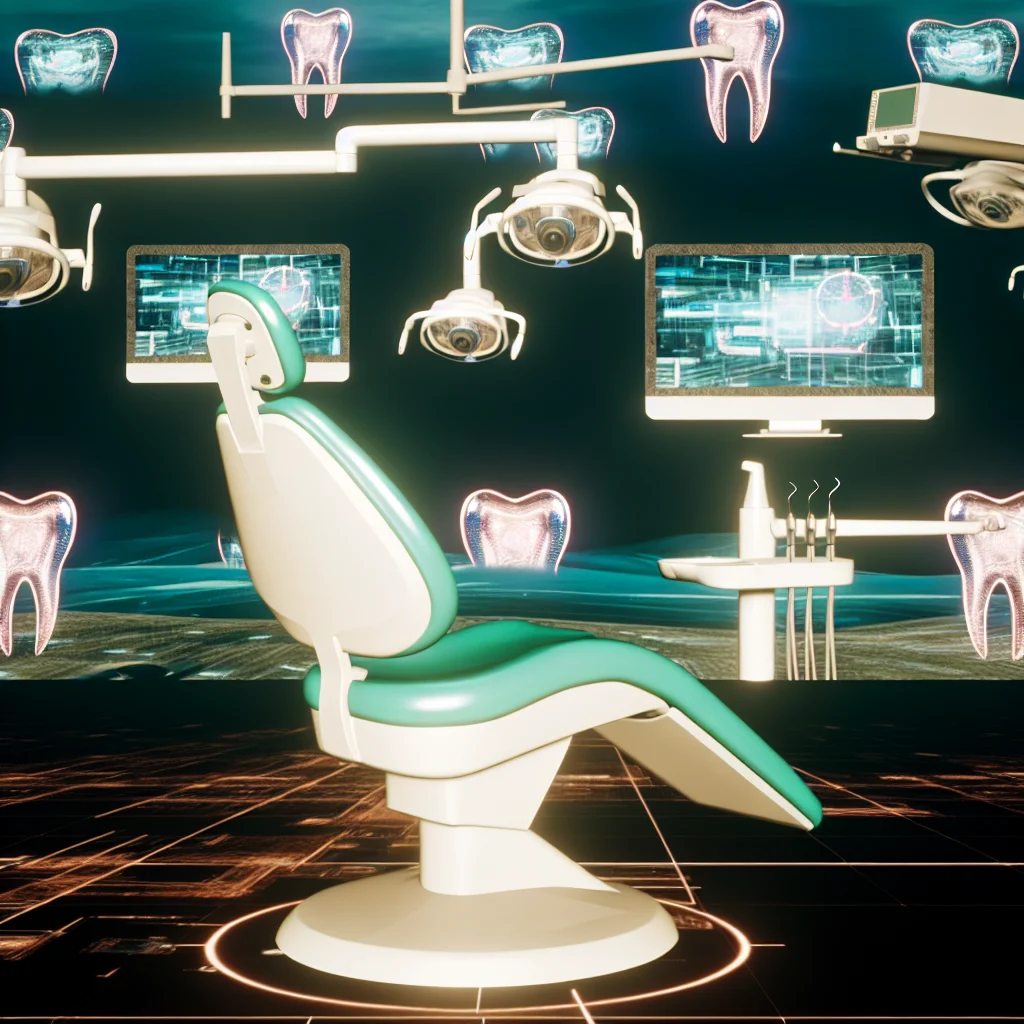
In the rapidly evolving landscape of dental technology, cloud integration has emerged as a pivotal advancement, offering dental practices a streamlined approach to operations and data management. As dental practices increasingly seek efficient solutions to enhance patient care and optimize administrative tasks, the adoption of cloud-based systems has become a cornerstone of modern dental operations. This shift towards cloud integration is not merely a trend but a strategic move that addresses several critical aspects of dental practice management.
To begin with, cloud integration facilitates seamless data management, which is essential for maintaining comprehensive patient records. Traditional paper-based systems and even local digital storage solutions often fall short in terms of accessibility and security. In contrast, cloud-based systems offer a centralized platform where patient data can be stored, accessed, and updated in real-time. This ensures that dental practitioners have immediate access to the most current patient information, thereby enhancing the quality of care provided. Moreover, the cloud’s robust security measures, including encryption and regular backups, safeguard sensitive patient data against breaches and data loss, which are significant concerns in the healthcare sector.
Furthermore, cloud integration streamlines administrative operations by automating routine tasks and improving communication within the practice. For instance, appointment scheduling, billing, and patient reminders can be efficiently managed through cloud-based applications, reducing the administrative burden on staff and minimizing the risk of human error. This automation not only enhances operational efficiency but also allows dental professionals to focus more on patient care rather than administrative duties. Additionally, cloud platforms facilitate better communication among team members, enabling seamless collaboration and information sharing, which is particularly beneficial in multi-location practices.
Another significant advantage of cloud integration in dental practices is its scalability and flexibility. As practices grow or experience fluctuations in patient volume, cloud-based systems can easily adapt to changing needs without the requirement for substantial investments in new hardware or software. This scalability ensures that dental practices can continue to operate efficiently and effectively, regardless of size or patient load. Moreover, the flexibility of cloud solutions allows for the integration of various applications and tools tailored to the specific needs of a practice, further enhancing operational capabilities.
In addition to operational benefits, cloud integration supports enhanced patient engagement and satisfaction. With cloud-based patient portals, individuals can access their dental records, treatment plans, and appointment schedules at their convenience. This transparency and accessibility empower patients to take an active role in their dental care, fostering a sense of trust and collaboration between patients and practitioners. Furthermore, the ability to offer tele-dentistry services through cloud platforms expands access to care, particularly for patients in remote or underserved areas, thereby broadening the reach of dental services.
In conclusion, the integration of cloud technology in dental practices represents a transformative shift towards more efficient, secure, and patient-centered operations. By streamlining data management, automating administrative tasks, and enhancing patient engagement, cloud-based systems offer a comprehensive solution to the challenges faced by modern dental practices. As the dental industry continues to embrace technological advancements, cloud integration stands out as a critical component in the pursuit of excellence in patient care and practice management.
Strengthening Practice Security: Essential IT Measures For Dental Offices
In the rapidly evolving landscape of dental technology, ensuring robust security measures within dental practices has become paramount. As dental offices increasingly rely on digital systems to manage patient records, appointment scheduling, and billing, the need for comprehensive IT security strategies has never been more critical. The integration of advanced technology in dental practices offers numerous benefits, including improved patient care and streamlined operations. However, it also introduces potential vulnerabilities that can be exploited by cybercriminals. Therefore, understanding and implementing essential IT measures is crucial for safeguarding sensitive patient information and maintaining the trust of patients.
To begin with, one of the fundamental steps in strengthening practice security is the implementation of strong access controls. This involves establishing strict protocols for who can access sensitive data and under what circumstances. By utilizing role-based access controls, dental practices can ensure that only authorized personnel have access to specific information, thereby minimizing the risk of unauthorized data breaches. Additionally, employing multi-factor authentication adds an extra layer of security, requiring users to provide multiple forms of verification before gaining access to critical systems.
Moreover, regular software updates and patch management are vital components of a robust IT security strategy. Cyber threats are constantly evolving, and software vendors frequently release updates to address newly discovered vulnerabilities. By ensuring that all software, including operating systems and dental management applications, are up-to-date, dental practices can protect themselves against known security threats. Automated update systems can be particularly beneficial, as they reduce the likelihood of human error and ensure timely implementation of security patches.
In addition to these measures, data encryption plays a crucial role in protecting patient information. Encrypting data both at rest and in transit ensures that even if data is intercepted or accessed without authorization, it remains unreadable and unusable to unauthorized individuals. Dental practices should employ robust encryption protocols for all sensitive data, including patient records, financial information, and communication between systems.
Furthermore, regular data backups are essential for mitigating the impact of potential data loss incidents, such as ransomware attacks or hardware failures. By maintaining secure and up-to-date backups, dental practices can quickly restore critical information and minimize downtime in the event of a security breach. It is advisable to store backups in multiple locations, including offsite or cloud-based solutions, to ensure data availability even in the face of physical disasters.
Employee training and awareness are also integral to strengthening practice security. Human error remains one of the leading causes of data breaches, often due to phishing attacks or mishandling of sensitive information. By providing regular training sessions and fostering a culture of security awareness, dental practices can empower their staff to recognize and respond appropriately to potential threats. This includes educating employees on identifying suspicious emails, using secure passwords, and understanding the importance of safeguarding patient data.
Finally, conducting regular security audits and risk assessments can help dental practices identify potential vulnerabilities and areas for improvement. By systematically evaluating their IT infrastructure and security protocols, practices can proactively address weaknesses before they are exploited by cybercriminals. Engaging with cybersecurity professionals for these assessments can provide valuable insights and recommendations tailored to the specific needs of the practice.
In conclusion, as dental technology continues to advance, so too must the security measures employed by dental practices. By implementing strong access controls, keeping software updated, encrypting data, maintaining regular backups, training employees, and conducting security audits, dental offices can significantly enhance their IT security posture. These essential measures not only protect sensitive patient information but also ensure the continued trust and confidence of patients in an increasingly digital world.
Exploring Dental Software Innovations: Transforming Patient Experience And Efficiency
In recent years, the dental industry has witnessed a remarkable transformation driven by technological advancements, particularly in the realm of dental software innovations. These developments have not only enhanced the efficiency of dental practices but have also significantly improved the patient experience. As dental professionals strive to provide top-notch care, the integration of cutting-edge software solutions has become indispensable. This article delves into the various ways dental software innovations are reshaping the landscape of dental care, focusing on their impact on patient experience and operational efficiency.
To begin with, one of the most significant advancements in dental technology is the advent of electronic health records (EHRs). EHRs have revolutionized the way dental practices manage patient information. By digitizing patient records, dental professionals can access comprehensive patient histories with ease, facilitating more accurate diagnoses and personalized treatment plans. This seamless access to information not only enhances the quality of care but also reduces the likelihood of errors, thereby improving patient safety. Moreover, EHRs enable efficient communication between dental professionals and other healthcare providers, ensuring a holistic approach to patient care.
In addition to EHRs, practice management software has become a cornerstone of modern dental practices. These systems streamline administrative tasks, such as appointment scheduling, billing, and inventory management. By automating these processes, dental practices can operate more efficiently, allowing staff to focus on patient care rather than administrative burdens. Furthermore, practice management software often includes features such as automated appointment reminders, which reduce no-show rates and optimize the scheduling process. This not only enhances the patient experience by minimizing wait times but also maximizes the practice’s productivity.
Another noteworthy innovation is the integration of digital imaging technologies. Digital radiography and intraoral cameras have transformed diagnostic procedures, providing high-resolution images that facilitate accurate assessments and treatment planning. These technologies allow for real-time imaging, enabling dental professionals to explain diagnoses and treatment options to patients more effectively. As a result, patients are better informed and more engaged in their treatment decisions, leading to improved satisfaction and outcomes. Additionally, digital imaging reduces the need for physical storage space and minimizes the environmental impact associated with traditional film-based methods.
Tele-dentistry is yet another area where dental software innovations are making a significant impact. By leveraging video conferencing and secure messaging platforms, dental professionals can provide remote consultations and follow-up care. This is particularly beneficial for patients in rural or underserved areas, who may face challenges accessing dental services. Tele-dentistry not only expands access to care but also offers convenience for patients with busy schedules. Furthermore, it allows for timely interventions, as dental professionals can address concerns promptly without the need for an in-person visit.
As dental technology continues to evolve, the integration of artificial intelligence (AI) is poised to further transform the industry. AI-powered tools can assist in diagnosing conditions, predicting treatment outcomes, and even automating routine tasks. By harnessing the power of AI, dental practices can enhance their diagnostic accuracy and efficiency, ultimately improving patient care.
In conclusion, dental software innovations are playing a pivotal role in transforming the patient experience and operational efficiency within dental practices. From electronic health records and practice management systems to digital imaging and tele-dentistry, these technologies are reshaping the way dental care is delivered. As the industry continues to embrace these advancements, dental professionals are better equipped to provide high-quality, patient-centered care, ensuring a brighter future for both practitioners and patients alike.
Discover the latest advancements in dental technology with our comprehensive guide, “Dental IT Insights: Dental Technology (32).” Stay ahead in the dental industry by exploring cutting-edge innovations and solutions. Learn more now!