The Future of Dental Software: Embracing IT Upgrades for Enhanced Patient Care
The future of dental software is poised for significant transformation as the integration of modern IT strategies becomes increasingly essential for enhancing patient care. As dental practices strive to provide superior services, embracing technological advancements is no longer optional but a necessity. The evolution of dental software is driven by the need to improve efficiency, accuracy, and patient satisfaction, all of which are critical components in the competitive landscape of dental care.
One of the most promising aspects of modern dental software is its ability to streamline administrative tasks. By automating appointment scheduling, billing, and patient record management, dental practices can reduce the burden on administrative staff, allowing them to focus more on patient interaction and care. This automation not only minimizes human error but also ensures that patient data is handled with greater precision and security. As a result, dental practices can operate more smoothly, leading to improved patient experiences and outcomes.
Moreover, the integration of artificial intelligence (AI) into dental software is revolutionizing diagnostic and treatment processes. AI algorithms can analyze dental images with remarkable accuracy, assisting dentists in identifying issues that may not be immediately apparent to the human eye. This capability enhances diagnostic precision, enabling early detection of dental problems and facilitating timely intervention. Consequently, patients benefit from more effective treatment plans and better long-term oral health.
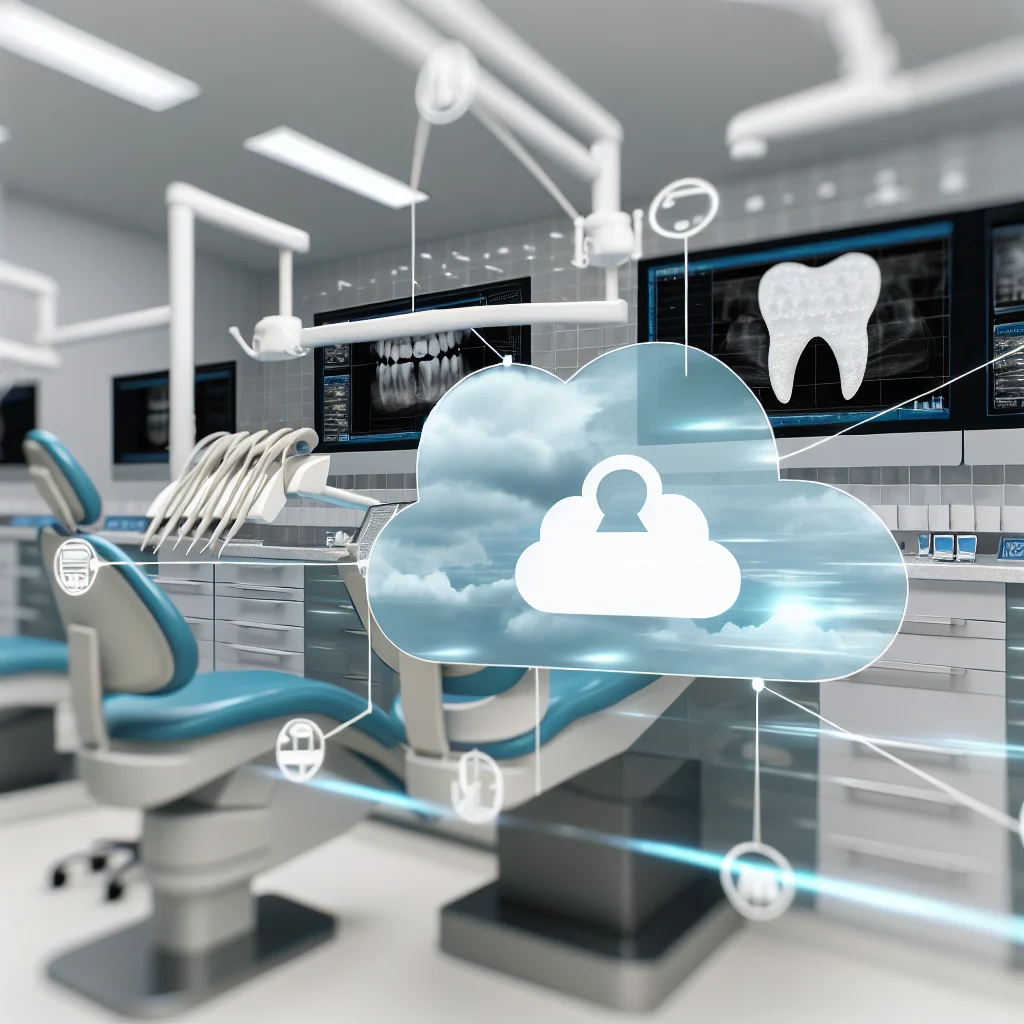
In addition to AI, cloud-based solutions are becoming increasingly prevalent in dental software. The adoption of cloud technology offers numerous advantages, including enhanced data accessibility and storage capabilities. Dental professionals can access patient records and treatment plans from any location, ensuring continuity of care even when practitioners are away from the office. Furthermore, cloud-based systems provide robust data backup and recovery options, safeguarding patient information against potential data loss due to hardware failures or cyber threats.
Cybersecurity is another critical aspect of modern dental software that cannot be overlooked. As dental practices become more reliant on digital systems, the risk of cyberattacks increases. Implementing advanced cybersecurity measures is essential to protect sensitive patient data and maintain trust. Encryption, multi-factor authentication, and regular software updates are just a few strategies that can be employed to enhance the security of dental IT systems. By prioritizing cybersecurity, dental practices can ensure that patient information remains confidential and secure.
The future of dental software also involves the integration of telehealth services, which have gained prominence in recent years. Telehealth enables dental professionals to conduct virtual consultations, providing patients with convenient access to care without the need for in-person visits. This approach is particularly beneficial for routine check-ups and follow-up appointments, reducing the need for travel and minimizing disruptions to patients’ schedules. As telehealth technology continues to advance, it is likely to become an integral component of comprehensive dental care.
In conclusion, the future of dental software is characterized by the adoption of modern IT strategies that enhance patient care through improved efficiency, accuracy, and security. By embracing these technological advancements, dental practices can offer superior services that meet the evolving needs of their patients. As the dental industry continues to innovate, the integration of AI, cloud technology, cybersecurity measures, and telehealth services will play a pivotal role in shaping the future of dental care. Through these advancements, dental professionals can ensure that they remain at the forefront of providing exceptional patient experiences and outcomes.
Digital Dentistry: How Cloud Integration is Revolutionizing Dental Practices
In recent years, the dental industry has witnessed a significant transformation, largely driven by advancements in digital technology. Among these innovations, cloud integration stands out as a pivotal development, revolutionizing how dental practices operate. By leveraging cloud-based solutions, dental professionals are not only enhancing patient care but also streamlining their administrative processes, thereby improving overall efficiency.
Cloud integration in dental practices offers a multitude of benefits, beginning with data accessibility. Traditionally, dental records were confined to physical files or local servers, limiting access to information. However, with cloud technology, dental practitioners can access patient records, treatment plans, and diagnostic images from any location with an internet connection. This accessibility is particularly beneficial for multi-location practices, where seamless data sharing is crucial for maintaining consistent patient care. Moreover, in emergency situations, dentists can quickly retrieve patient information, enabling them to make informed decisions without delay.
In addition to improved accessibility, cloud integration enhances data security, a critical concern in the healthcare sector. Cloud service providers employ advanced encryption methods and robust security protocols to protect sensitive patient information from unauthorized access and cyber threats. This level of security is often superior to what individual practices can achieve on their own, thus providing peace of mind to both practitioners and patients. Furthermore, cloud solutions offer automatic data backup, ensuring that patient records are preserved even in the event of hardware failure or natural disasters.
Another significant advantage of cloud integration is the facilitation of collaboration among dental professionals. With cloud-based platforms, dentists can easily share information with specialists, such as orthodontists or oral surgeons, fostering a more collaborative approach to patient care. This seamless exchange of information not only improves treatment outcomes but also enhances the patient experience by reducing the need for repetitive tests and consultations.
Moreover, cloud technology supports the integration of advanced dental software applications, which are instrumental in modernizing practice management. These applications can automate various administrative tasks, such as appointment scheduling, billing, and inventory management, thereby reducing the burden on staff and allowing them to focus more on patient care. Additionally, cloud-based practice management systems often come with analytics tools that provide valuable insights into practice performance, helping dentists make data-driven decisions to optimize their operations.
The adoption of cloud integration also aligns with the growing trend of telehealth in dentistry. Through cloud-based platforms, dental practices can offer virtual consultations, enabling patients to receive professional advice without the need for an in-person visit. This not only increases convenience for patients but also expands access to dental care, particularly for those in remote or underserved areas.
Despite the numerous benefits, the transition to cloud-based systems requires careful planning and consideration. Dental practices must evaluate their specific needs and choose a cloud service provider that aligns with their operational goals and compliance requirements. Additionally, staff training is essential to ensure that the team can effectively utilize the new technology and maximize its potential.
In conclusion, cloud integration is undeniably revolutionizing dental practices by enhancing data accessibility, security, and collaboration. As dental technology continues to evolve, embracing cloud solutions will be crucial for practices aiming to stay competitive and deliver high-quality care. By adopting modern IT strategies, dental professionals can not only improve their operational efficiency but also provide a superior patient experience, ultimately driving the future of digital dentistry.
Ensuring Dental Compliance: Modern IT Strategies for Secure Practice Management

In the rapidly evolving landscape of dental practice management, ensuring compliance with regulatory standards is paramount. As dental practices increasingly rely on digital solutions to enhance patient care and streamline operations, the integration of modern IT strategies becomes essential. These strategies not only facilitate efficient practice management but also ensure that dental practices remain compliant with stringent regulations such as the Health Insurance Portability and Accountability Act (HIPAA).
To begin with, the adoption of electronic health records (EHRs) has revolutionized the way dental practices manage patient information. EHRs offer a centralized platform for storing and accessing patient data, thereby improving the accuracy and efficiency of record-keeping. However, the digital nature of these records necessitates robust security measures to protect sensitive patient information. Implementing encryption protocols and access controls is crucial in safeguarding data against unauthorized access and potential breaches. By ensuring that only authorized personnel have access to patient records, dental practices can significantly reduce the risk of data breaches and maintain compliance with privacy regulations.
Moreover, regular staff training on data protection and privacy practices is an integral component of a comprehensive IT strategy. Dental professionals must be well-versed in the latest compliance requirements and understand the importance of maintaining patient confidentiality. Training programs should cover topics such as recognizing phishing attempts, creating strong passwords, and understanding the implications of data breaches. By fostering a culture of security awareness, dental practices can empower their staff to act as the first line of defense against potential threats.
In addition to staff training, the implementation of advanced cybersecurity measures is vital. Firewalls, antivirus software, and intrusion detection systems are essential tools in protecting dental IT infrastructure from cyber threats. These technologies work in tandem to detect and neutralize potential threats before they can compromise sensitive data. Furthermore, regular system updates and patches are necessary to address vulnerabilities and ensure that the IT infrastructure remains resilient against emerging threats.
Another critical aspect of ensuring compliance is the establishment of a comprehensive data backup and recovery plan. In the event of a data breach or system failure, having a reliable backup system in place ensures that patient information can be quickly restored, minimizing disruptions to practice operations. Cloud-based backup solutions offer a secure and scalable option for dental practices, providing offsite storage that is protected by advanced encryption and redundancy measures. By regularly testing backup and recovery procedures, dental practices can ensure that they are prepared to respond effectively to any data loss incidents.
Furthermore, dental practices must conduct regular audits and risk assessments to identify potential vulnerabilities and areas for improvement. These assessments provide valuable insights into the effectiveness of existing security measures and highlight areas where additional safeguards may be necessary. By proactively addressing identified risks, dental practices can enhance their compliance posture and reduce the likelihood of regulatory violations.
In conclusion, the integration of modern IT strategies is essential for ensuring compliance in dental practice management. By adopting robust security measures, providing ongoing staff training, and implementing comprehensive data backup solutions, dental practices can protect sensitive patient information and maintain compliance with regulatory standards. As the digital landscape continues to evolve, staying abreast of the latest technological advancements and regulatory requirements will be crucial for dental practices seeking to provide secure and efficient patient care.
Practice Security in the Digital Age: Protecting Patient Data with Advanced Dental Technology
In the rapidly evolving landscape of dental technology, the integration of advanced IT strategies has become paramount in ensuring the security of patient data. As dental practices increasingly rely on digital solutions to enhance patient care and streamline operations, the need to protect sensitive information from cyber threats has never been more critical. The digital age presents both opportunities and challenges for dental professionals, necessitating a comprehensive approach to data security that leverages cutting-edge technology and robust IT strategies.
To begin with, the digitization of dental records and the adoption of electronic health records (EHRs) have revolutionized the way dental practices manage patient information. These digital systems offer numerous benefits, including improved accessibility, enhanced accuracy, and streamlined workflows. However, they also introduce vulnerabilities that can be exploited by cybercriminals. Consequently, dental practices must implement stringent security measures to safeguard patient data from unauthorized access and breaches.
One of the fundamental strategies for protecting patient data is the implementation of strong encryption protocols. Encryption serves as a critical line of defense by converting sensitive information into unreadable code, which can only be deciphered with the appropriate decryption key. By encrypting data both at rest and in transit, dental practices can significantly reduce the risk of data breaches and ensure that patient information remains confidential.
In addition to encryption, the adoption of multi-factor authentication (MFA) is essential in fortifying access controls. MFA requires users to provide multiple forms of verification before gaining access to sensitive systems or data. This added layer of security makes it considerably more difficult for unauthorized individuals to infiltrate a practice’s digital infrastructure. By requiring something the user knows (such as a password) and something the user has (such as a mobile device), MFA provides a robust defense against unauthorized access.
Moreover, regular software updates and patch management are crucial components of a comprehensive IT security strategy. Cybercriminals often exploit vulnerabilities in outdated software to gain access to sensitive information. By ensuring that all software and systems are up-to-date with the latest security patches, dental practices can mitigate the risk of exploitation and protect patient data from emerging threats.
Furthermore, employee training and awareness play a pivotal role in maintaining data security. Human error remains one of the leading causes of data breaches, making it imperative for dental practices to educate their staff on best practices for data protection. Regular training sessions can help employees recognize phishing attempts, understand the importance of strong passwords, and adhere to data handling protocols. By fostering a culture of security awareness, dental practices can empower their staff to act as the first line of defense against cyber threats.
Finally, the implementation of comprehensive data backup and disaster recovery plans is essential for ensuring business continuity in the event of a data breach or system failure. Regularly backing up data to secure, offsite locations ensures that patient information can be restored quickly and efficiently, minimizing downtime and disruption to patient care. A well-defined disaster recovery plan outlines the steps to be taken in response to a security incident, enabling dental practices to respond swiftly and effectively.
In conclusion, the protection of patient data in the digital age requires a multifaceted approach that combines advanced dental technology with modern IT strategies. By implementing robust encryption, multi-factor authentication, regular software updates, employee training, and comprehensive backup plans, dental practices can safeguard sensitive information and maintain the trust of their patients. As technology continues to evolve, staying vigilant and proactive in the face of emerging threats will be essential for ensuring the security and integrity of patient data.
Streamlining Operations: The Role of IT Upgrades in Modernizing Dental Practices
In the rapidly evolving landscape of dental practices, the integration of advanced information technology (IT) systems has become indispensable. As dental professionals strive to enhance patient care and streamline operations, IT upgrades play a pivotal role in modernizing these practices. The adoption of cutting-edge technology not only improves efficiency but also ensures that dental practices remain competitive in an increasingly digital world.
To begin with, one of the most significant benefits of IT upgrades in dental practices is the enhancement of patient management systems. Electronic Health Records (EHRs) have revolutionized the way patient information is stored and accessed. By transitioning from paper-based records to digital systems, dental practices can significantly reduce the time spent on administrative tasks. This shift allows dental professionals to focus more on patient care, thereby improving the overall patient experience. Moreover, EHRs facilitate seamless communication between different departments within a practice, ensuring that all team members have access to up-to-date patient information.
In addition to improving patient management, IT upgrades also enhance the diagnostic capabilities of dental practices. Advanced imaging technologies, such as digital radiography and 3D imaging, provide dentists with more accurate and detailed views of a patient’s oral health. These technologies not only improve diagnostic accuracy but also enable dentists to develop more effective treatment plans. Furthermore, the integration of these imaging systems with practice management software allows for the efficient storage and retrieval of images, streamlining the diagnostic process.
Another critical aspect of IT upgrades in dental practices is the enhancement of data security. With the increasing reliance on digital systems, the protection of sensitive patient information has become a top priority. Modern IT strategies involve the implementation of robust cybersecurity measures to safeguard patient data from unauthorized access and potential breaches. By investing in secure IT infrastructure, dental practices can ensure compliance with regulations such as the Health Insurance Portability and Accountability Act (HIPAA), thereby maintaining patient trust and avoiding costly penalties.
Moreover, IT upgrades facilitate improved communication and collaboration within dental practices. Cloud-based solutions enable dental professionals to access patient information and collaborate on treatment plans from any location, fostering a more flexible and efficient work environment. This capability is particularly beneficial for multi-location practices, where seamless communication between different sites is essential for maintaining consistent patient care.
Furthermore, the integration of IT systems in dental practices supports more effective inventory management. Automated inventory tracking systems help practices maintain optimal stock levels, reducing the risk of running out of essential supplies or overstocking. This efficiency not only minimizes waste but also contributes to cost savings, allowing practices to allocate resources more effectively.
In conclusion, the role of IT upgrades in modernizing dental practices cannot be overstated. From enhancing patient management and diagnostic capabilities to improving data security and communication, advanced IT systems are integral to the efficient operation of contemporary dental practices. As technology continues to evolve, dental professionals must remain proactive in adopting new IT strategies to ensure that their practices remain at the forefront of the industry. By doing so, they can provide the highest level of care to their patients while optimizing operational efficiency.
Unlock the future of your dental practice with cutting-edge technology and modern IT strategies. Discover more at Dental IT Insights.