Enhancing Practice Security: Modern IT Strategies for Dental Offices
In the rapidly evolving landscape of dental technology, ensuring the security of patient data has become a paramount concern for dental practices. As digital records and electronic health systems become more prevalent, the need for robust IT strategies to protect sensitive information is increasingly critical. Modern IT strategies offer a comprehensive approach to safeguarding dental practices against potential security threats, ensuring that patient data remains confidential and secure.
One of the primary components of enhancing practice security is the implementation of advanced encryption techniques. Encryption serves as a fundamental barrier against unauthorized access, converting sensitive data into a coded format that can only be deciphered with the correct decryption key. By employing strong encryption protocols, dental practices can protect patient information from cybercriminals who may attempt to intercept data during transmission or access stored records.
In addition to encryption, the adoption of multi-factor authentication (MFA) is another effective strategy for enhancing security. MFA requires users to provide two or more verification factors to gain access to systems or data, significantly reducing the risk of unauthorized access. For dental offices, implementing MFA can involve a combination of something the user knows (such as a password), something the user has (like a smartphone or security token), and something the user is (biometric verification). This layered approach ensures that even if one factor is compromised, unauthorized access is still unlikely.
Furthermore, regular software updates and patch management are crucial in maintaining the security of dental IT systems. Cyber threats are constantly evolving, and software vendors frequently release updates to address newly discovered vulnerabilities. By keeping all software up to date, dental practices can protect themselves against known security flaws that could be exploited by attackers. Automated update systems can streamline this process, ensuring that all devices within the practice are consistently protected.
Another vital aspect of modern IT strategies is the implementation of comprehensive data backup solutions. Regularly backing up data ensures that, in the event of a cyberattack or system failure, patient information can be quickly restored with minimal disruption to the practice. Cloud-based backup solutions offer an additional layer of security, as they store data offsite and provide protection against physical damage to on-premises systems.
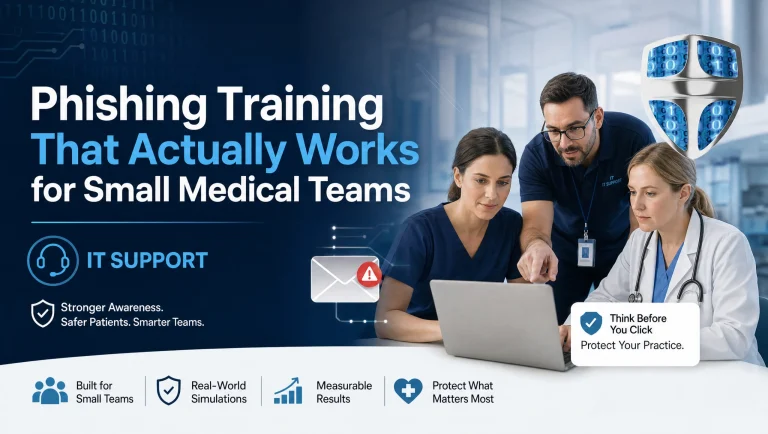
Moreover, employee training and awareness programs play a significant role in enhancing practice security. Human error is often a contributing factor in security breaches, making it essential for dental staff to be well-informed about potential threats and best practices for data protection. Regular training sessions can educate employees on recognizing phishing attempts, creating strong passwords, and adhering to security protocols, thereby reducing the likelihood of accidental data breaches.
Finally, conducting regular security audits and risk assessments is an integral part of a proactive IT strategy. These evaluations help identify potential vulnerabilities within the practice’s IT infrastructure and provide insights into areas that require improvement. By addressing identified risks promptly, dental practices can strengthen their overall security posture and ensure compliance with industry regulations and standards.
In conclusion, modern IT strategies are indispensable for enhancing the security of dental practices. Through the implementation of encryption, multi-factor authentication, regular software updates, data backup solutions, employee training, and security audits, dental offices can effectively protect patient data from a wide range of threats. As technology continues to advance, staying informed and adopting these strategies will be crucial in maintaining the trust and confidence of patients in the digital age.
The Future of Digital Dentistry: Embracing Advanced Dental Technology
The future of digital dentistry is poised for a transformative evolution, driven by the integration of advanced dental technology and modern IT strategies. As the dental industry continues to embrace digital innovations, practitioners are witnessing a paradigm shift that enhances patient care, optimizes operational efficiency, and fosters a more personalized approach to dental health. This transformation is not merely a trend but a necessary adaptation to the rapidly changing technological landscape.
One of the most significant advancements in digital dentistry is the adoption of 3D printing technology. This innovation allows for the precise fabrication of dental prosthetics, such as crowns, bridges, and dentures, directly from digital scans. By utilizing 3D printing, dental professionals can significantly reduce the time required for prosthetic production, thereby improving patient satisfaction and streamlining clinical workflows. Moreover, the accuracy and customization offered by 3D printing ensure that patients receive prosthetics that fit perfectly, enhancing both comfort and functionality.
In addition to 3D printing, the implementation of digital imaging technologies, such as cone-beam computed tomography (CBCT) and intraoral scanners, has revolutionized diagnostic capabilities. These tools provide high-resolution, three-dimensional images of a patient’s oral structures, enabling dentists to diagnose conditions with greater precision and plan treatments more effectively. The integration of these imaging technologies into dental practices not only improves diagnostic accuracy but also enhances patient communication, as practitioners can visually demonstrate treatment plans and expected outcomes.
Furthermore, the rise of artificial intelligence (AI) in dentistry is reshaping how dental professionals approach patient care. AI algorithms can analyze vast amounts of data to identify patterns and predict potential oral health issues before they manifest. This predictive capability allows for proactive interventions, ultimately leading to better patient outcomes. Additionally, AI-powered tools can assist in automating administrative tasks, such as appointment scheduling and patient record management, thereby freeing up valuable time for dental staff to focus on patient care.
The convergence of dental technology and modern IT strategies also emphasizes the importance of cybersecurity in protecting sensitive patient information. As dental practices increasingly rely on digital systems to store and manage patient data, safeguarding this information from cyber threats becomes paramount. Implementing robust cybersecurity measures, such as encryption, multi-factor authentication, and regular system audits, is essential to maintaining patient trust and ensuring compliance with data protection regulations.
Moreover, the integration of cloud-based solutions offers dental practices the flexibility to access patient records and collaborate with colleagues from any location. This capability is particularly beneficial in multi-location practices or when consulting with specialists. Cloud-based systems also facilitate seamless data backup and recovery, ensuring that critical patient information is not lost in the event of a system failure.
In conclusion, the future of digital dentistry is characterized by the seamless integration of advanced dental technology and modern IT strategies. As these innovations continue to evolve, dental professionals must remain adaptable and open to embracing new tools and methodologies. By doing so, they can enhance patient care, improve operational efficiency, and ultimately contribute to the advancement of the dental industry as a whole. The journey towards a fully digital dental practice is not without its challenges, but the potential benefits far outweigh the obstacles, promising a brighter future for both practitioners and patients alike.
Cloud Integration in Dental Practices: Streamlining Operations and Enhancing Security
In the rapidly evolving landscape of dental technology, the integration of cloud computing has emerged as a pivotal strategy for streamlining operations and enhancing security within dental practices. As dental professionals increasingly rely on digital solutions to manage patient records, appointment scheduling, and billing, the adoption of cloud-based systems offers a multitude of benefits that traditional on-premises systems struggle to match. By leveraging the power of the cloud, dental practices can achieve greater efficiency, scalability, and data protection, thereby transforming the way they deliver care and manage their operations.
One of the primary advantages of cloud integration in dental practices is the ability to streamline operations through improved accessibility and collaboration. Cloud-based systems enable dental professionals to access patient information and practice management tools from any location with an internet connection. This flexibility not only facilitates remote consultations and telehealth services but also allows for seamless collaboration among team members, regardless of their physical location. Consequently, dental practices can enhance their operational efficiency by reducing the time and effort required to coordinate care and manage administrative tasks.
Moreover, cloud integration supports scalability, a critical factor for growing dental practices. Traditional IT infrastructure often requires significant investment in hardware and software, which can be both costly and time-consuming to upgrade. In contrast, cloud-based solutions offer a more flexible approach, allowing practices to easily scale their IT resources up or down based on demand. This adaptability ensures that dental practices can efficiently manage their resources and respond to changing needs without the burden of maintaining extensive on-site infrastructure.
In addition to operational benefits, cloud integration significantly enhances the security of dental practices. With the increasing prevalence of cyber threats and data breaches, safeguarding patient information has become a top priority for healthcare providers. Cloud service providers typically offer robust security measures, including data encryption, regular security updates, and advanced threat detection systems, which are often beyond the capabilities of individual practices. By entrusting their data to reputable cloud providers, dental practices can mitigate the risk of unauthorized access and ensure compliance with stringent data protection regulations, such as the Health Insurance Portability and Accountability Act (HIPAA).
Furthermore, cloud-based systems offer reliable data backup and disaster recovery solutions, which are essential for maintaining continuity of care in the event of data loss or system failure. Unlike traditional backup methods that require manual intervention and physical storage, cloud solutions automatically back up data at regular intervals and store it in secure, off-site locations. This ensures that dental practices can quickly recover critical information and resume operations with minimal disruption, thereby safeguarding both their reputation and patient trust.
Despite the numerous advantages of cloud integration, dental practices must carefully consider several factors when selecting a cloud service provider. It is crucial to evaluate the provider’s track record in the healthcare sector, their compliance with relevant regulations, and the level of support they offer. Additionally, practices should assess the provider’s data security measures and ensure that they align with their specific needs and risk management strategies.
In conclusion, the integration of cloud computing in dental practices represents a transformative approach to managing operations and enhancing security. By embracing cloud-based solutions, dental professionals can achieve greater efficiency, scalability, and data protection, ultimately improving the quality of care they provide to their patients. As the dental industry continues to evolve, the adoption of modern IT strategies, such as cloud integration, will be essential for practices seeking to remain competitive and responsive to the demands of the digital age.
Dental Software Innovations: Key IT Upgrades for Modern Practices
In the rapidly evolving landscape of dental care, the integration of advanced technology and modern IT strategies has become indispensable for contemporary practices. As dental professionals strive to enhance patient care and streamline operations, the adoption of innovative dental software solutions has emerged as a pivotal factor. These technological advancements not only improve clinical outcomes but also optimize administrative efficiency, thereby transforming the overall patient experience.
One of the most significant innovations in dental software is the development of comprehensive practice management systems. These platforms serve as the backbone of modern dental practices, offering a centralized solution for scheduling, billing, and patient record management. By automating routine administrative tasks, these systems allow dental professionals to focus more on patient care and less on paperwork. Moreover, the integration of cloud-based solutions ensures that patient data is securely stored and easily accessible, facilitating seamless communication between dental teams and enhancing collaborative care.
In addition to practice management systems, the advent of digital imaging technology has revolutionized diagnostic capabilities in dentistry. High-resolution intraoral cameras and 3D imaging software provide detailed visualizations of a patient’s oral health, enabling more accurate diagnoses and treatment planning. These tools not only improve clinical precision but also enhance patient engagement by allowing individuals to visualize their dental conditions and understand proposed treatments better. Consequently, patients are more likely to be involved in their care decisions, leading to improved satisfaction and compliance with treatment plans.
Furthermore, the integration of artificial intelligence (AI) in dental software is poised to redefine the future of dental care. AI algorithms can analyze vast amounts of data to identify patterns and predict potential oral health issues before they manifest. This predictive capability empowers dental professionals to adopt a proactive approach to patient care, focusing on prevention rather than merely treating existing conditions. Additionally, AI-driven tools can assist in automating administrative tasks such as appointment scheduling and patient follow-ups, further enhancing operational efficiency.
Another critical aspect of modern dental IT strategies is the emphasis on cybersecurity. As dental practices increasingly rely on digital solutions, safeguarding patient data has become a paramount concern. Implementing robust cybersecurity measures, such as encryption and multi-factor authentication, is essential to protect sensitive information from unauthorized access and potential breaches. By prioritizing data security, dental practices not only comply with regulatory requirements but also build trust with their patients, who are assured that their personal information is handled with the utmost care.
Moreover, the integration of telehealth solutions in dental practices has gained momentum, particularly in the wake of the COVID-19 pandemic. Virtual consultations and remote monitoring tools enable dental professionals to extend their reach beyond the confines of the clinic, providing care to patients in remote or underserved areas. This approach not only enhances accessibility but also offers a convenient option for patients seeking routine consultations or follow-up care without the need for in-person visits.
In conclusion, the adoption of innovative dental software and modern IT strategies is reshaping the landscape of dental care. By embracing these technological advancements, dental practices can enhance clinical outcomes, improve operational efficiency, and elevate the patient experience. As the field of dentistry continues to evolve, staying abreast of these developments will be crucial for practices aiming to remain competitive and deliver the highest standard of care.
Ensuring Dental Compliance: IT Strategies for Secure and Efficient Practices
In the rapidly evolving landscape of dental technology, ensuring compliance with regulatory standards while maintaining efficient practice operations has become a critical concern for dental professionals. As dental practices increasingly rely on digital solutions to enhance patient care and streamline administrative tasks, the integration of robust IT strategies is essential. These strategies not only safeguard sensitive patient information but also ensure that practices remain compliant with industry regulations such as the Health Insurance Portability and Accountability Act (HIPAA).
To begin with, the implementation of comprehensive data encryption protocols is a fundamental step in securing patient information. Encryption transforms sensitive data into unreadable code, accessible only to those with the correct decryption key. This ensures that even if data is intercepted during transmission or accessed without authorization, it remains protected. Dental practices must employ encryption for both data at rest and data in transit, thereby providing a dual layer of security that is crucial for compliance and patient trust.
In addition to encryption, regular data backups are indispensable for maintaining the integrity and availability of patient records. Automated backup solutions can be scheduled to occur at regular intervals, ensuring that the most recent data is always preserved. This not only protects against data loss due to hardware failures or cyberattacks but also facilitates swift recovery in the event of an unforeseen incident. By implementing a robust backup strategy, dental practices can minimize downtime and maintain continuity of care, which is vital for both compliance and operational efficiency.
Moreover, access control measures play a pivotal role in safeguarding patient information. By implementing role-based access controls, dental practices can ensure that only authorized personnel have access to specific data. This minimizes the risk of unauthorized access and potential data breaches. Additionally, multi-factor authentication (MFA) adds an extra layer of security by requiring users to provide two or more verification factors to gain access to sensitive systems. These measures collectively enhance the security posture of dental practices, aligning with compliance requirements and fostering a culture of accountability.
Furthermore, regular staff training is essential in maintaining a secure and compliant dental practice. Employees must be well-versed in the latest cybersecurity protocols and understand the importance of safeguarding patient information. Training sessions should cover topics such as recognizing phishing attempts, proper data handling procedures, and the significance of maintaining strong, unique passwords. By fostering a culture of security awareness, dental practices can significantly reduce the risk of human error, which is often a leading cause of data breaches.
In addition to these technical measures, dental practices should conduct regular audits and risk assessments to identify potential vulnerabilities and areas for improvement. These assessments provide valuable insights into the effectiveness of current IT strategies and highlight any gaps that need to be addressed. By proactively identifying and mitigating risks, dental practices can ensure ongoing compliance with regulatory standards and maintain the trust of their patients.
In conclusion, the integration of modern IT strategies is paramount for dental practices aiming to ensure compliance and enhance operational efficiency. By implementing robust encryption protocols, regular data backups, stringent access controls, and comprehensive staff training, dental practices can safeguard sensitive patient information and maintain compliance with industry regulations. Regular audits and risk assessments further bolster these efforts, providing a proactive approach to identifying and addressing potential vulnerabilities. As dental technology continues to advance, the adoption of these IT strategies will remain essential in fostering secure and efficient dental practices.
Unlock the future of your dental practice with cutting-edge technology and modern IT strategies. Discover more in “Dental IT Insights: Dental technology and Modern IT Strategies (14)” by visiting our website today!