Cost-Effective IT Support Strategies for Small Businesses
In today’s rapidly evolving digital landscape, small businesses face the challenge of maintaining robust IT systems while managing limited budgets. The need for cost-effective IT support solutions has never been more critical, as technology becomes increasingly integral to business operations. Small businesses must navigate the complexities of IT infrastructure, cybersecurity, and software management without the extensive resources available to larger corporations. Fortunately, there are several strategies that can help small businesses achieve efficient IT support without incurring prohibitive costs.
One of the most effective strategies is to leverage cloud-based services. Cloud computing offers small businesses the flexibility to scale their IT resources according to their needs, eliminating the need for significant upfront investments in hardware and software. By utilizing cloud services, businesses can access a wide range of applications and storage solutions on a subscription basis, ensuring they only pay for what they use. This not only reduces costs but also enhances operational efficiency by providing access to the latest technology without the burden of maintenance and upgrades.
In addition to cloud computing, outsourcing IT support can be a cost-effective solution for small businesses. By partnering with managed service providers (MSPs), businesses can access a team of IT professionals who can handle everything from network management to cybersecurity. This approach allows small businesses to benefit from expert knowledge and experience without the expense of hiring full-time IT staff. Moreover, MSPs often offer flexible pricing models, enabling businesses to choose services that align with their specific needs and budget constraints.
Another essential strategy is to invest in employee training. While it may seem counterintuitive to spend money on training when trying to cut costs, empowering employees with basic IT skills can significantly reduce the need for external support. By providing training on common software applications, cybersecurity best practices, and troubleshooting techniques, businesses can minimize downtime and enhance productivity. Furthermore, a well-trained workforce is better equipped to adapt to new technologies, ensuring the business remains competitive in a rapidly changing market.
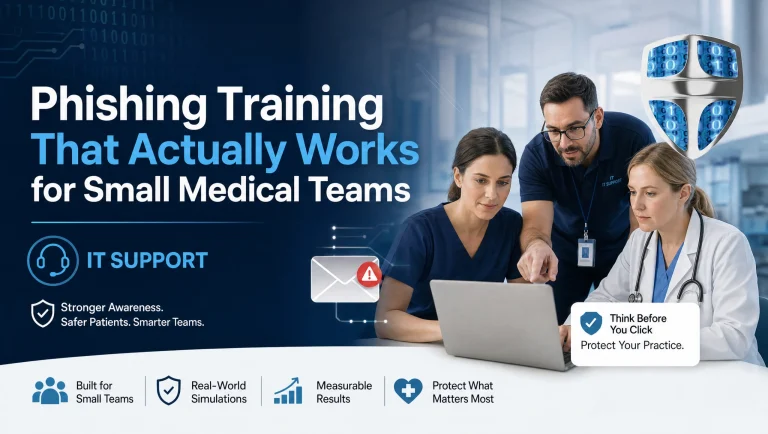
Implementing robust cybersecurity measures is also crucial for small businesses seeking cost-effective IT support. Cyber threats are becoming increasingly sophisticated, and a security breach can have devastating financial and reputational consequences. Small businesses should prioritize the implementation of firewalls, antivirus software, and regular data backups to protect their digital assets. Additionally, educating employees about phishing scams and safe online practices can further bolster the company’s defenses against cyberattacks.
Moreover, small businesses should consider adopting open-source software as a cost-effective alternative to proprietary solutions. Open-source software often provides similar functionality to commercial products but without the associated licensing fees. By utilizing open-source applications for tasks such as word processing, accounting, and project management, businesses can significantly reduce their software expenses while maintaining operational efficiency.
Finally, regular IT audits can help small businesses identify inefficiencies and areas for improvement within their IT infrastructure. By conducting periodic assessments, businesses can ensure their technology aligns with their strategic goals and make informed decisions about future investments. This proactive approach not only helps in optimizing current resources but also prevents costly issues from arising in the future.
In conclusion, small businesses can effectively manage their IT support needs by adopting a combination of cloud-based services, outsourcing, employee training, robust cybersecurity measures, open-source software, and regular IT audits. By implementing these cost-effective strategies, small businesses can enhance their technological capabilities, improve operational efficiency, and maintain a competitive edge in today’s digital economy.
Network Maintenance Tips for Small Business IT Support
In the rapidly evolving digital landscape, small businesses face unique challenges in maintaining their IT infrastructure. Network maintenance, a critical component of IT support, often poses a significant hurdle due to limited resources and expertise. However, by implementing cost-effective solutions, small businesses can ensure their networks remain robust and secure, thereby supporting their operational needs and growth objectives.
To begin with, regular network assessments are essential for identifying potential vulnerabilities and inefficiencies. By conducting periodic evaluations, businesses can proactively address issues before they escalate into costly problems. These assessments should include a thorough review of hardware and software components, ensuring that all devices are up-to-date and functioning optimally. Additionally, businesses should consider leveraging automated tools that can monitor network performance in real-time, providing alerts for any anomalies that may indicate underlying issues.
Transitioning to another crucial aspect, network security cannot be overstated. Small businesses are often targeted by cybercriminals due to perceived vulnerabilities. Therefore, implementing robust security measures is paramount. Firewalls and antivirus software form the first line of defense, but they must be complemented by regular updates and patches to protect against emerging threats. Furthermore, businesses should adopt a comprehensive approach to cybersecurity by educating employees on best practices, such as recognizing phishing attempts and using strong, unique passwords.
Moreover, the importance of data backup and recovery plans cannot be ignored. Data loss can have devastating consequences for small businesses, potentially leading to financial losses and reputational damage. To mitigate this risk, businesses should establish a reliable backup system that includes both on-site and off-site solutions. Cloud-based services offer an affordable and scalable option, allowing businesses to store data securely while ensuring easy access and recovery in the event of a disaster.
In addition to these measures, optimizing network performance is vital for maintaining productivity. Network congestion can lead to slow response times and decreased efficiency, impacting overall business operations. To address this, businesses should prioritize bandwidth allocation for critical applications and consider implementing Quality of Service (QoS) protocols. These protocols help manage network traffic effectively, ensuring that essential services receive the necessary resources to function smoothly.
Furthermore, as small businesses grow, their network needs will inevitably evolve. Scalability should be a key consideration in any network maintenance strategy. By investing in scalable solutions, businesses can accommodate increased demand without overhauling their entire infrastructure. This might involve adopting cloud-based services or modular hardware that can be easily upgraded as needed.
Finally, while in-house IT support may be limited, small businesses can benefit from outsourcing certain aspects of network maintenance. Managed service providers (MSPs) offer expertise and resources that may be beyond the reach of smaller organizations. By partnering with an MSP, businesses can access a range of services, from routine maintenance to advanced security solutions, all tailored to their specific needs and budget constraints.
In conclusion, effective network maintenance is crucial for small businesses seeking to thrive in today’s digital environment. By focusing on regular assessments, robust security measures, reliable data backup, performance optimization, scalability, and strategic outsourcing, businesses can maintain a cost-effective IT infrastructure that supports their growth and success. Through these proactive steps, small businesses can navigate the complexities of network maintenance with confidence, ensuring their IT systems remain a valuable asset rather than a liability.
Managed IT Services: A Cost-Effective Solution for Small Businesses

In today’s rapidly evolving digital landscape, small businesses face numerous challenges in maintaining efficient and secure IT operations. As technology becomes increasingly integral to business success, the need for reliable IT support has never been more critical. However, many small businesses operate on tight budgets, making it difficult to justify the expense of a full-time, in-house IT team. This is where managed IT services emerge as a cost-effective solution, offering small businesses the expertise and support they need without the financial burden of maintaining an internal department.
Managed IT services provide small businesses with access to a team of skilled professionals who can handle a wide range of IT tasks, from routine maintenance to complex problem-solving. By outsourcing these responsibilities, businesses can focus on their core operations while ensuring their IT infrastructure remains robust and secure. This approach not only reduces the need for costly in-house staff but also allows businesses to benefit from the latest technological advancements and industry best practices.
One of the primary advantages of managed IT services is the predictable cost structure they offer. Instead of dealing with unexpected expenses related to IT issues, businesses can budget for a fixed monthly fee that covers all their IT needs. This financial predictability is particularly beneficial for small businesses, which often have limited resources and need to allocate their budgets carefully. Moreover, managed service providers (MSPs) typically offer scalable solutions, allowing businesses to adjust their level of service as their needs evolve, ensuring they only pay for what they require.
In addition to cost savings, managed IT services provide small businesses with access to a wealth of expertise and experience. MSPs employ teams of IT professionals who specialize in various areas, such as cybersecurity, network management, and data backup. This breadth of knowledge ensures that businesses receive comprehensive support, addressing potential issues before they escalate into significant problems. Furthermore, MSPs stay abreast of the latest technological trends and regulatory requirements, ensuring that their clients remain compliant and competitive in their respective industries.
Another significant benefit of managed IT services is the enhanced security they offer. Cybersecurity threats are a growing concern for businesses of all sizes, and small businesses are often particularly vulnerable due to limited resources and expertise. MSPs provide robust security measures, including regular system updates, threat monitoring, and data encryption, to protect sensitive information and prevent unauthorized access. By leveraging the expertise of an MSP, small businesses can significantly reduce their risk of cyberattacks and data breaches, safeguarding their reputation and customer trust.
Moreover, managed IT services can improve operational efficiency by minimizing downtime and ensuring that systems run smoothly. MSPs offer proactive monitoring and maintenance, identifying and resolving potential issues before they impact business operations. This proactive approach not only enhances productivity but also allows businesses to respond quickly to changing market conditions and customer demands.
In conclusion, managed IT services present a cost-effective solution for small businesses seeking to optimize their IT operations without the financial strain of an in-house team. By providing predictable costs, access to expert knowledge, enhanced security, and improved efficiency, MSPs enable small businesses to focus on their core objectives while maintaining a competitive edge in the digital age. As technology continues to advance, the role of managed IT services in supporting small business success will undoubtedly become even more vital.
System Optimization Techniques for Small Business IT Infrastructure
In the rapidly evolving digital landscape, small businesses must prioritize the optimization of their IT infrastructure to remain competitive and efficient. System optimization is not merely a luxury but a necessity, especially for small enterprises that often operate with limited resources. By implementing cost-effective solutions, small businesses can enhance their IT systems’ performance, ensuring seamless operations and improved productivity.
To begin with, one of the most fundamental aspects of system optimization is regular maintenance and updates. Ensuring that all software and hardware components are up-to-date is crucial for maintaining system efficiency and security. Outdated software can lead to vulnerabilities, making systems susceptible to cyber threats. Therefore, small businesses should establish a routine schedule for updates and patches, which can often be automated to reduce the burden on IT staff.
In addition to regular updates, optimizing system performance involves effective resource management. Small businesses should conduct periodic assessments of their IT infrastructure to identify underutilized resources. By reallocating or upgrading these resources, businesses can prevent bottlenecks and improve overall system performance. For instance, upgrading RAM or switching to solid-state drives (SSDs) can significantly enhance processing speeds, leading to faster data retrieval and improved application performance.
Moreover, virtualization is a powerful tool for optimizing IT infrastructure. By creating virtual versions of servers, storage devices, and networks, small businesses can maximize resource utilization and reduce hardware costs. Virtualization allows multiple applications to run on a single physical server, thereby increasing efficiency and reducing energy consumption. This not only lowers operational costs but also provides scalability, enabling businesses to adjust their IT resources according to demand.
Another critical aspect of system optimization is the implementation of robust data management practices. Efficient data management ensures that information is easily accessible and secure, which is vital for decision-making and operational efficiency. Small businesses should invest in reliable data backup solutions to prevent data loss and ensure business continuity. Cloud-based storage solutions offer a cost-effective alternative to traditional on-premises storage, providing flexibility and scalability while reducing the need for physical infrastructure.
Furthermore, network optimization plays a significant role in enhancing IT infrastructure. Small businesses should regularly monitor their network performance to identify and resolve issues such as latency, bandwidth congestion, and connectivity problems. Implementing quality of service (QoS) protocols can prioritize critical applications and ensure that essential business functions are not disrupted by network issues. Additionally, investing in modern networking equipment, such as routers and switches, can improve network reliability and speed.
Security is another paramount consideration in system optimization. Small businesses must implement comprehensive security measures to protect their IT infrastructure from cyber threats. This includes deploying firewalls, antivirus software, and intrusion detection systems. Regular security audits and employee training on cybersecurity best practices are also essential to safeguard sensitive information and maintain customer trust.
In conclusion, optimizing IT infrastructure is a multifaceted process that requires careful planning and execution. By focusing on regular maintenance, resource management, virtualization, data management, network optimization, and security, small businesses can enhance their system performance while minimizing costs. These cost-effective solutions not only improve operational efficiency but also provide a competitive edge in today’s technology-driven marketplace. As small businesses continue to navigate the complexities of the digital world, prioritizing system optimization will be key to their success and sustainability.
Building a Robust IT Infrastructure: Essential Tips for Small Businesses
In today’s digital age, small businesses must prioritize building a robust IT infrastructure to remain competitive and efficient. However, the challenge often lies in achieving this without incurring prohibitive costs. Fortunately, there are cost-effective solutions that can help small businesses establish a solid IT foundation while maintaining financial prudence. By focusing on essential components such as hardware, software, cybersecurity, and support, small businesses can create an infrastructure that supports their growth and operational needs.
To begin with, selecting the right hardware is crucial. Small businesses should invest in reliable and scalable equipment that can accommodate their current and future needs. Opting for refurbished or gently used hardware can be a cost-effective alternative to purchasing brand-new equipment. Additionally, leasing options can provide flexibility and reduce upfront costs, allowing businesses to allocate resources to other critical areas. It is also important to regularly assess hardware performance and upgrade components as necessary to ensure optimal functionality.
In tandem with hardware, software selection plays a pivotal role in building a robust IT infrastructure. Small businesses should prioritize software that enhances productivity and streamlines operations. Open-source software can be an economical choice, offering a wide range of functionalities without the hefty price tag associated with proprietary solutions. Furthermore, cloud-based applications provide scalability and accessibility, enabling businesses to adapt quickly to changing demands. By leveraging cloud services, small businesses can reduce the need for extensive on-premises infrastructure, thereby lowering maintenance costs.
Cybersecurity is another essential aspect that small businesses must address. With the increasing prevalence of cyber threats, implementing robust security measures is non-negotiable. Small businesses should invest in comprehensive security solutions that include firewalls, antivirus software, and encryption tools. Regularly updating these systems is vital to protect against emerging threats. Additionally, employee training programs can significantly enhance cybersecurity by fostering a culture of awareness and vigilance. By educating staff on best practices, such as recognizing phishing attempts and using strong passwords, businesses can mitigate the risk of data breaches.
Equally important is the provision of reliable IT support. Small businesses often lack the resources to maintain an in-house IT team, making outsourcing a viable option. Managed IT service providers offer a range of services, from troubleshooting and maintenance to strategic planning and implementation. By outsourcing IT support, small businesses can access expert knowledge and experience without the overhead costs associated with full-time staff. This approach not only ensures that technical issues are resolved promptly but also allows business owners to focus on core operations.
Moreover, regular system audits and performance evaluations are essential for maintaining a robust IT infrastructure. These assessments help identify potential vulnerabilities and areas for improvement, enabling businesses to make informed decisions about upgrades and investments. By proactively addressing issues, small businesses can prevent costly downtime and ensure that their IT systems continue to support their objectives.
In conclusion, building a robust IT infrastructure is a critical undertaking for small businesses seeking to thrive in a competitive landscape. By carefully selecting cost-effective hardware and software solutions, prioritizing cybersecurity, and leveraging outsourced IT support, small businesses can establish a solid foundation that supports their growth and operational efficiency. Through strategic planning and regular assessments, these businesses can navigate the complexities of the digital world while maintaining financial sustainability.
Unlock the full potential of your small business with our IT Support Essentials! Discover cost-effective solutions tailored just for you. Learn more now!