Enhancing Patient Data Protection: IT Solutions for Modern Dental Offices
In the rapidly evolving landscape of healthcare, dental offices are increasingly recognizing the importance of integrating advanced IT solutions to enhance patient data protection. As dental practices handle sensitive patient information, ensuring the security and privacy of this data is paramount. The implementation of robust IT solutions not only safeguards patient information but also streamlines operations, thereby improving overall efficiency and patient satisfaction.
To begin with, the adoption of electronic health records (EHRs) has revolutionized the way dental offices manage patient information. EHRs facilitate the seamless storage, retrieval, and sharing of patient data, which is crucial for providing high-quality care. However, the digital nature of EHRs also presents potential security risks. To mitigate these risks, dental offices must employ comprehensive cybersecurity measures. This includes the use of encryption technologies to protect data both in transit and at rest, ensuring that unauthorized individuals cannot access sensitive information.
Moreover, implementing multi-factor authentication (MFA) is a critical step in enhancing data security. By requiring multiple forms of verification before granting access to patient records, MFA significantly reduces the likelihood of unauthorized access. This added layer of security is particularly important in preventing data breaches, which can have severe legal and financial repercussions for dental practices.
In addition to these security measures, regular staff training is essential in maintaining a secure IT environment. Dental office personnel must be well-versed in recognizing potential security threats, such as phishing attacks, and understand the protocols for responding to such incidents. Continuous education and training programs help ensure that staff remain vigilant and informed about the latest cybersecurity trends and best practices.
Furthermore, the integration of cloud-based solutions offers numerous advantages for modern dental offices. Cloud computing provides scalable storage options and facilitates remote access to patient data, enabling dental professionals to deliver care more flexibly. However, it is crucial to select cloud service providers that comply with industry standards and regulations, such as the Health Insurance Portability and Accountability Act (HIPAA), to ensure the protection of patient information.
Another vital aspect of IT solutions in dental offices is the implementation of regular data backups. By routinely backing up patient data, dental practices can safeguard against data loss due to hardware failures, cyberattacks, or natural disasters. Automated backup systems ensure that data is consistently and accurately preserved, allowing for quick recovery in the event of an incident.
Moreover, dental offices should consider employing network monitoring tools to detect and respond to potential security threats in real-time. These tools provide valuable insights into network activity, enabling IT teams to identify and address vulnerabilities before they can be exploited. Proactive network monitoring is a key component of a comprehensive cybersecurity strategy, helping to maintain the integrity and confidentiality of patient data.
In conclusion, the integration of advanced IT solutions is essential for modern dental offices seeking to enhance patient data protection. By adopting measures such as encryption, multi-factor authentication, staff training, cloud-based solutions, regular data backups, and network monitoring, dental practices can effectively safeguard sensitive information while streamlining operations. As the healthcare industry continues to evolve, dental offices must remain vigilant and proactive in their approach to data security, ensuring that they can provide the highest standard of care to their patients.
Streamlining Operations in Dental Practice Management with Technology Integration
In the rapidly evolving landscape of dental practice management, the integration of advanced IT solutions has become indispensable for streamlining operations and enhancing overall efficiency. As dental offices strive to provide superior patient care while managing administrative tasks, technology plays a pivotal role in bridging the gap between clinical excellence and operational efficiency. By embracing modern IT solutions, dental practices can optimize their workflows, improve patient experiences, and ensure robust data security.
One of the primary ways technology integration streamlines operations in dental practices is through the implementation of comprehensive practice management software. These platforms offer a centralized system for scheduling appointments, managing patient records, and handling billing processes. By automating these tasks, dental offices can significantly reduce administrative burdens, allowing staff to focus more on patient care. Moreover, practice management software often includes features such as automated appointment reminders and online booking systems, which enhance patient engagement and reduce no-show rates.
In addition to practice management software, electronic health records (EHR) systems are crucial for modern dental offices. EHRs facilitate seamless access to patient information, enabling dental professionals to make informed decisions quickly. The digitization of patient records not only improves the accuracy of data but also enhances collaboration among dental team members. With EHRs, dental practitioners can easily share patient information with specialists or other healthcare providers, ensuring continuity of care and improving treatment outcomes.
Furthermore, the integration of digital imaging technologies has revolutionized diagnostic and treatment planning processes in dental practices. Advanced imaging tools, such as digital X-rays and intraoral cameras, provide high-resolution images that aid in accurate diagnosis and treatment planning. These technologies not only enhance the precision of dental procedures but also improve patient communication. By visually demonstrating dental conditions and proposed treatments, practitioners can foster better understanding and trust with their patients.
While technology integration offers numerous benefits, it also necessitates a strong focus on data security. Dental offices handle sensitive patient information, making them prime targets for cyber threats. Therefore, implementing robust cybersecurity measures is essential to protect patient data and maintain compliance with regulations such as the Health Insurance Portability and Accountability Act (HIPAA). Encryption, secure access controls, and regular data backups are fundamental components of a comprehensive cybersecurity strategy. Additionally, staff training on data protection practices is crucial to ensure that all team members are aware of potential risks and know how to mitigate them.
Moreover, cloud-based solutions have emerged as a game-changer for dental practices, offering scalability, flexibility, and enhanced data security. By storing data in the cloud, dental offices can access information from anywhere, facilitating remote consultations and telehealth services. Cloud solutions also provide automatic updates and backups, reducing the risk of data loss and ensuring that the practice’s IT infrastructure remains up-to-date with the latest security protocols.
In conclusion, the integration of IT solutions in dental practice management is essential for streamlining operations and enhancing patient care. By adopting practice management software, electronic health records, digital imaging technologies, and robust cybersecurity measures, dental offices can optimize their workflows and improve patient experiences. As technology continues to advance, dental practices must remain proactive in embracing these innovations to stay competitive and deliver the highest standard of care. Through strategic technology integration, modern dental offices can achieve operational excellence while safeguarding patient data, ultimately leading to a more efficient and secure practice environment.
The Role of IT Solutions in Securing Modern Dental Offices
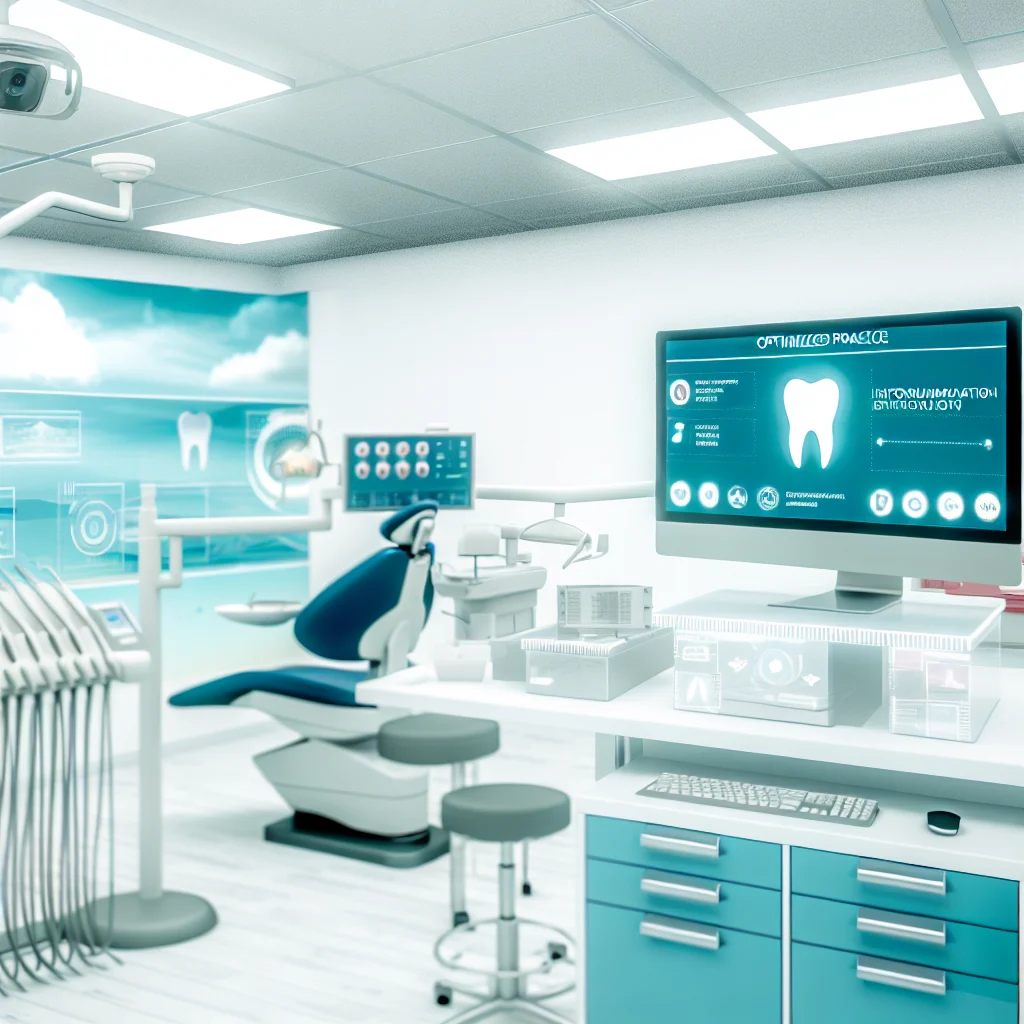
In the rapidly evolving landscape of healthcare, dental offices are increasingly relying on advanced IT solutions to streamline operations and enhance security. As the digital transformation continues to reshape the dental industry, the integration of sophisticated IT systems has become indispensable. These solutions not only improve the efficiency of daily operations but also play a crucial role in safeguarding sensitive patient information. In this context, understanding the role of IT solutions in securing modern dental offices is paramount.
To begin with, the implementation of electronic health records (EHR) has revolutionized the way dental offices manage patient information. EHR systems enable dental practitioners to store, retrieve, and update patient data with ease, thereby enhancing the overall efficiency of the practice. However, the digitalization of patient records also introduces potential security risks. To mitigate these risks, dental offices must employ robust IT solutions that ensure data integrity and confidentiality. Encryption technologies, for instance, are essential in protecting patient information from unauthorized access. By converting data into a secure format, encryption ensures that even if data is intercepted, it remains unreadable to unauthorized individuals.
Moreover, the adoption of cloud-based solutions has further transformed the operational dynamics of dental offices. Cloud computing offers numerous advantages, such as scalability, cost-effectiveness, and remote access to data. Nevertheless, it also necessitates stringent security measures to protect sensitive information stored off-site. Dental offices must collaborate with reputable cloud service providers that comply with industry standards and regulations, such as the Health Insurance Portability and Accountability Act (HIPAA). These providers implement advanced security protocols, including multi-factor authentication and regular security audits, to safeguard data against breaches.
In addition to data protection, IT solutions play a vital role in ensuring the physical security of dental offices. Modern security systems, integrated with IT infrastructure, offer comprehensive surveillance and access control capabilities. For instance, video surveillance systems equipped with motion detection and real-time alerts enable dental offices to monitor their premises effectively. Furthermore, access control systems, such as biometric authentication, restrict entry to sensitive areas, thereby preventing unauthorized access and enhancing overall security.
Another critical aspect of IT solutions in dental offices is the management of cybersecurity threats. As cyberattacks become increasingly sophisticated, dental offices must adopt proactive measures to protect their digital assets. Implementing firewalls, antivirus software, and intrusion detection systems are fundamental steps in creating a secure IT environment. Additionally, regular software updates and patches are essential to address vulnerabilities and protect against emerging threats. Dental offices should also conduct regular cybersecurity training for their staff to raise awareness about potential risks and promote best practices in data protection.
Furthermore, the integration of IT solutions facilitates seamless communication and collaboration within dental offices. Secure messaging platforms and telehealth solutions enable dental practitioners to communicate with patients and colleagues efficiently while maintaining data privacy. These technologies not only enhance patient care but also contribute to a more cohesive and secure working environment.
In conclusion, the role of IT solutions in securing modern dental offices is multifaceted and indispensable. By leveraging advanced technologies, dental offices can streamline operations, protect sensitive information, and enhance overall security. As the dental industry continues to embrace digital transformation, the importance of robust IT solutions in safeguarding patient data and ensuring operational efficiency cannot be overstated. Consequently, dental offices must remain vigilant and proactive in adopting and maintaining cutting-edge IT systems to navigate the challenges of the digital age effectively.
Innovative IT Solutions for Efficient Dental Practice Management
In the rapidly evolving landscape of healthcare, dental practices are increasingly turning to innovative IT solutions to enhance efficiency and security. As dental offices strive to provide superior patient care while managing operational complexities, the integration of advanced technology has become indispensable. By streamlining operations and fortifying data security, these IT solutions are transforming the way dental practices function, ultimately leading to improved patient experiences and optimized practice management.
One of the primary areas where IT solutions are making a significant impact is in the management of patient records. Electronic Health Records (EHR) systems have revolutionized the way dental offices handle patient information. By digitizing records, dental practices can ensure that patient data is easily accessible, up-to-date, and securely stored. This not only facilitates seamless communication between dental professionals but also enhances the accuracy of diagnoses and treatment plans. Moreover, EHR systems enable dental offices to comply with regulatory requirements, such as the Health Insurance Portability and Accountability Act (HIPAA), by providing robust data protection measures.
In addition to EHR systems, practice management software is another critical component of modern dental IT solutions. These platforms offer a comprehensive suite of tools designed to streamline administrative tasks, such as appointment scheduling, billing, and inventory management. By automating these processes, dental offices can reduce the likelihood of human error, improve efficiency, and free up valuable time for staff to focus on patient care. Furthermore, practice management software often includes features such as automated reminders and online booking, which enhance patient engagement and satisfaction.
As dental practices increasingly rely on digital solutions, the importance of cybersecurity cannot be overstated. Protecting sensitive patient data from cyber threats is paramount, and modern IT solutions offer a range of security measures to safeguard this information. Encryption, multi-factor authentication, and regular security audits are just a few of the strategies employed to protect against data breaches. By implementing these measures, dental offices can build trust with their patients, ensuring that their personal information is handled with the utmost care and confidentiality.
Moreover, cloud computing has emerged as a game-changer for dental practices, offering scalable and cost-effective solutions for data storage and management. By leveraging cloud-based platforms, dental offices can access patient records and practice management tools from any location, facilitating remote consultations and collaboration among dental professionals. This flexibility not only enhances operational efficiency but also ensures business continuity in the event of unforeseen disruptions, such as natural disasters or pandemics.
Telehealth services are another innovative IT solution that is gaining traction in the dental industry. By offering virtual consultations, dental practices can expand their reach and provide care to patients who may face barriers to accessing traditional in-office visits. Telehealth platforms enable dentists to conduct preliminary assessments, offer follow-up care, and provide guidance on oral hygiene practices, all while maintaining the convenience and safety of remote interactions.
In conclusion, the integration of IT solutions in modern dental offices is essential for streamlining operations and enhancing security. By adopting electronic health records, practice management software, robust cybersecurity measures, cloud computing, and telehealth services, dental practices can optimize their operations and deliver superior patient care. As technology continues to advance, dental offices that embrace these innovations will be well-positioned to thrive in an increasingly digital world, ultimately benefiting both their patients and their practice.
Technology Integration: Transforming Operations and Security in Dental Offices
In the rapidly evolving landscape of healthcare, dental offices are increasingly turning to advanced IT solutions to enhance their operational efficiency and bolster security measures. The integration of technology in dental practices is not merely a trend but a necessity, driven by the need to streamline operations, improve patient care, and safeguard sensitive information. As dental offices embrace digital transformation, they are discovering a myriad of benefits that extend beyond traditional practices, ultimately leading to a more efficient and secure environment.
One of the primary ways technology is transforming dental offices is through the implementation of electronic health records (EHRs). EHRs have revolutionized the way patient information is stored, accessed, and shared. By digitizing patient records, dental offices can significantly reduce the time spent on administrative tasks, allowing dental professionals to focus more on patient care. Moreover, EHRs facilitate seamless communication between different healthcare providers, ensuring that patient information is readily available when needed. This not only enhances the quality of care but also minimizes the risk of errors associated with manual record-keeping.
In addition to EHRs, dental offices are increasingly adopting practice management software to streamline their operations. These comprehensive systems offer a range of functionalities, including appointment scheduling, billing, and inventory management. By automating these processes, dental offices can improve their operational efficiency, reduce overhead costs, and enhance patient satisfaction. For instance, automated appointment reminders can significantly reduce no-show rates, while efficient billing systems ensure timely payments and accurate financial records. As a result, dental practices can allocate more resources to patient care and other critical areas.
While operational efficiency is a key focus, the security of patient data remains a paramount concern for dental offices. With the increasing prevalence of cyber threats, safeguarding sensitive information has become more challenging than ever. To address this, dental practices are investing in robust cybersecurity measures to protect their digital assets. This includes implementing advanced encryption technologies, multi-factor authentication, and regular security audits. By prioritizing data security, dental offices can not only comply with regulatory requirements but also build trust with their patients, who expect their personal information to be handled with the utmost care.
Furthermore, the integration of cloud-based solutions is playing a pivotal role in enhancing both operational efficiency and security in dental offices. Cloud computing offers a scalable and cost-effective solution for data storage and management, allowing dental practices to access information from anywhere at any time. This flexibility is particularly beneficial for multi-location practices, as it enables seamless collaboration and data sharing across different sites. Additionally, cloud-based systems often come with built-in security features, providing an added layer of protection against data breaches.
As dental offices continue to embrace technology, it is essential for them to stay informed about the latest advancements and best practices in IT solutions. Regular training and education for staff members are crucial to ensure that they are equipped to leverage these technologies effectively. By fostering a culture of continuous learning and adaptation, dental practices can maximize the benefits of technology integration and remain competitive in an increasingly digital world.
In conclusion, the integration of IT solutions in modern dental offices is transforming the way they operate and secure patient information. By adopting electronic health records, practice management software, and cloud-based solutions, dental practices can streamline their operations, enhance patient care, and protect sensitive data. As technology continues to evolve, dental offices must remain proactive in embracing these advancements to ensure they are well-equipped to meet the demands of the future.
Enhance your dental practice with cutting-edge IT solutions designed to streamline operations and ensure top-notch security. Discover how our tailored services can transform your office efficiency and protect sensitive patient data. Explore IT Solutions for Modern Dental Offices today!