The Impact Of IT In Healthcare: Transforming Patient Care And Data Management
The integration of Information Technology (IT) into healthcare has revolutionized the way patient care is delivered and how data is managed. This transformation is not only enhancing the quality of care but also streamlining operations within healthcare facilities. As technology continues to evolve, its role in healthcare becomes increasingly pivotal, offering numerous benefits that extend from patient care to data management.
One of the most significant impacts of IT in healthcare is the improvement in patient care. Electronic Health Records (EHRs) have replaced traditional paper records, providing healthcare professionals with instant access to patient information. This accessibility ensures that medical histories, treatment plans, and test results are readily available, facilitating more accurate diagnoses and personalized treatment plans. Moreover, EHRs enhance communication among healthcare providers, allowing for coordinated care that is crucial for patients with complex medical conditions.
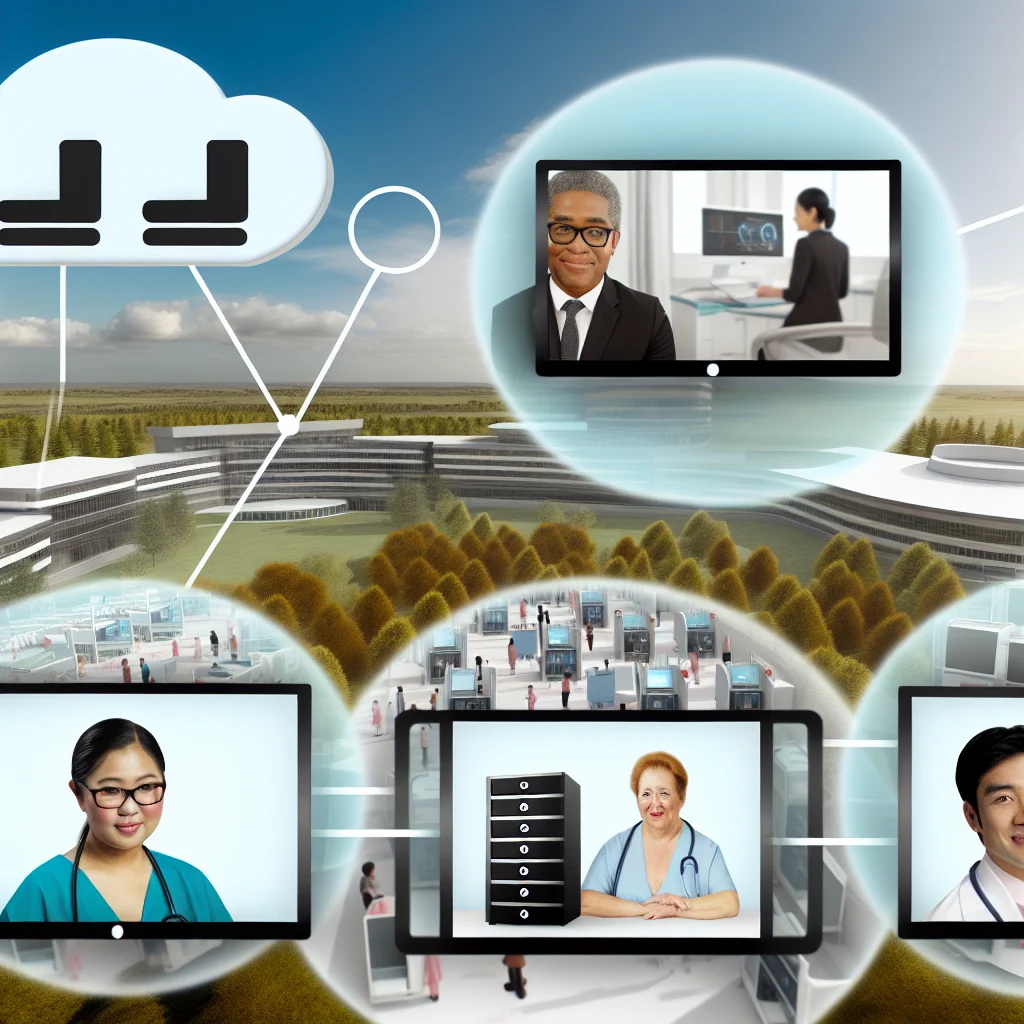
In addition to EHRs, telemedicine has emerged as a vital component of modern healthcare, particularly in remote and underserved areas. Through telemedicine, patients can consult with healthcare providers via video calls, reducing the need for travel and minimizing the time spent in waiting rooms. This not only increases convenience for patients but also allows healthcare providers to reach a broader patient base. Furthermore, telemedicine has proven invaluable during public health emergencies, such as the COVID-19 pandemic, by enabling continued access to care while minimizing the risk of infection.
Another area where IT has made a substantial impact is in the management of healthcare data. The vast amounts of data generated in healthcare settings require efficient management systems to ensure accuracy, security, and accessibility. Advanced data analytics tools are now being employed to analyze patient data, leading to improved decision-making and the identification of trends that can inform public health strategies. These tools also facilitate predictive analytics, which can anticipate patient needs and potential health risks, allowing for proactive interventions.
Moreover, IT has enhanced the security of patient data, which is paramount in an era where data breaches are a significant concern. Healthcare organizations are implementing robust cybersecurity measures to protect sensitive information from unauthorized access. Encryption, firewalls, and secure access protocols are some of the technologies employed to safeguard patient data, ensuring compliance with regulations such as the Health Insurance Portability and Accountability Act (HIPAA).
The role of IT in healthcare extends beyond patient care and data management to include operational efficiencies. Automated systems for scheduling, billing, and inventory management reduce administrative burdens, allowing healthcare professionals to focus more on patient care. These systems also minimize errors associated with manual processes, leading to cost savings and improved resource allocation.
In conclusion, the role of IT in healthcare is multifaceted, with profound implications for patient care and data management. As technology continues to advance, its integration into healthcare will likely deepen, offering even more innovative solutions to the challenges faced by the industry. The ongoing collaboration between healthcare professionals and IT experts is essential to harness the full potential of technology, ultimately leading to improved patient outcomes and more efficient healthcare systems. As we look to the future, the continued evolution of IT in healthcare promises to transform the landscape of medical care, making it more accessible, efficient, and secure for all.
Leveraging Health Information Systems For Enhanced Patient Outcomes
In the rapidly evolving landscape of healthcare, the integration of Information Technology (IT) has become indispensable in enhancing patient outcomes and streamlining data management. Health Information Systems (HIS) are at the forefront of this transformation, offering a myriad of tools and solutions that facilitate improved patient care. By leveraging these systems, healthcare providers can ensure more accurate diagnoses, personalized treatment plans, and efficient management of patient information, ultimately leading to better health outcomes.
One of the primary benefits of Health Information Systems is their ability to centralize patient data, making it easily accessible to healthcare professionals. This centralization allows for a comprehensive view of a patient’s medical history, including past treatments, medications, and test results. Consequently, healthcare providers can make more informed decisions, reducing the likelihood of errors and ensuring that patients receive the most appropriate care. Moreover, the availability of real-time data enables clinicians to monitor patient progress more effectively, allowing for timely interventions when necessary.
In addition to improving access to patient information, Health Information Systems facilitate enhanced communication among healthcare providers. Through electronic health records (EHRs), physicians, nurses, and specialists can collaborate more efficiently, sharing critical information and insights that contribute to a cohesive treatment strategy. This collaborative approach not only improves the quality of care but also reduces the risk of redundant tests and procedures, thereby minimizing patient discomfort and healthcare costs.
Furthermore, Health Information Systems play a crucial role in the personalization of patient care. By analyzing vast amounts of data, these systems can identify patterns and trends that may not be immediately apparent to human observers. This capability allows for the development of tailored treatment plans that consider a patient’s unique genetic makeup, lifestyle, and medical history. Personalized medicine, supported by IT, has the potential to significantly improve patient outcomes by targeting therapies that are most likely to be effective for individual patients.
Another significant advantage of Health Information Systems is their contribution to public health and research. By aggregating and analyzing data from diverse sources, these systems can identify emerging health trends and potential outbreaks, enabling public health officials to respond swiftly and effectively. Additionally, researchers can leverage this data to conduct studies that advance medical knowledge and lead to the development of new treatments and interventions.
Despite the numerous benefits, the implementation of Health Information Systems is not without challenges. Ensuring data security and patient privacy is paramount, as the digitization of health records increases the risk of unauthorized access and data breaches. Healthcare organizations must invest in robust cybersecurity measures and adhere to strict regulatory standards to protect sensitive information. Moreover, the successful integration of IT in healthcare requires significant investment in infrastructure and training, as well as a cultural shift towards embracing technology-driven solutions.
In conclusion, the role of IT in healthcare, particularly through Health Information Systems, is pivotal in improving patient care and data management. By centralizing patient information, enhancing communication among providers, personalizing treatment plans, and contributing to public health efforts, these systems are transforming the way healthcare is delivered. As technology continues to advance, the potential for Health Information Systems to further enhance patient outcomes and streamline healthcare processes is immense, promising a future where healthcare is more efficient, effective, and patient-centered.
The Role Of Electronic Health Records In Modern Healthcare IT Solutions
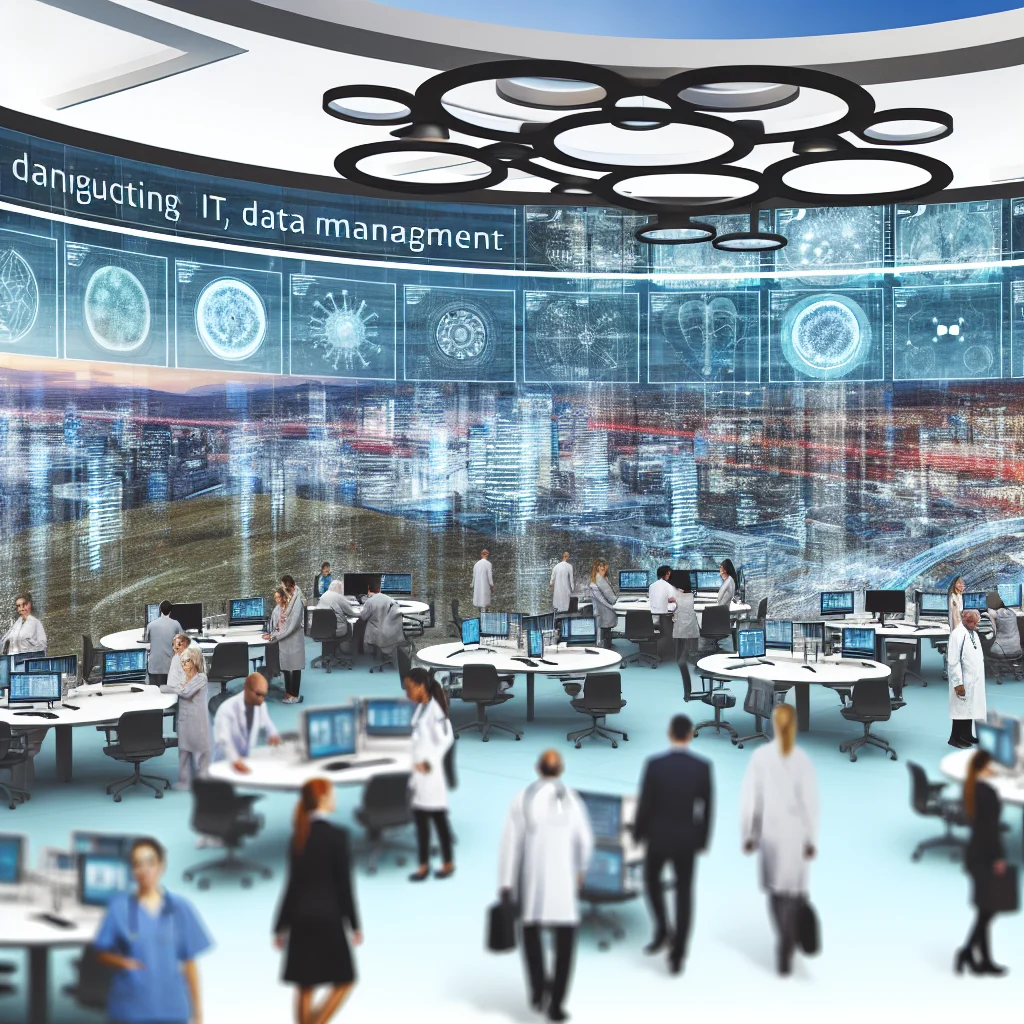
The integration of Information Technology (IT) into healthcare has revolutionized the way patient care is delivered and managed. At the heart of this transformation lies the adoption of Electronic Health Records (EHRs), which have become a cornerstone of modern healthcare IT solutions. EHRs are digital versions of patients’ paper charts and have significantly enhanced the efficiency, accuracy, and accessibility of patient information. This advancement has not only streamlined healthcare processes but also improved the quality of care provided to patients.
One of the primary benefits of EHRs is their ability to provide healthcare professionals with real-time access to patient data. This immediate availability of information facilitates more informed decision-making, allowing for timely interventions and reducing the likelihood of medical errors. For instance, when a patient visits a new healthcare provider, their complete medical history, including past diagnoses, treatments, and medications, can be quickly accessed. This comprehensive view enables clinicians to make better-informed decisions, ultimately leading to improved patient outcomes.
Moreover, EHRs enhance communication and collaboration among healthcare providers. In a traditional paper-based system, sharing patient information between different departments or facilities could be cumbersome and time-consuming. However, with EHRs, data can be seamlessly shared across various platforms, ensuring that all members of a patient’s care team are on the same page. This interconnectedness is particularly beneficial in complex cases where multiple specialists are involved, as it ensures continuity of care and reduces the risk of redundant tests or conflicting treatments.
In addition to improving patient care, EHRs play a crucial role in data management within healthcare organizations. They offer a centralized repository for storing vast amounts of patient data, which can be easily organized, retrieved, and analyzed. This capability is invaluable for healthcare administrators and researchers who rely on accurate data to identify trends, allocate resources, and develop evidence-based policies. Furthermore, EHRs facilitate compliance with regulatory requirements by maintaining detailed records of patient interactions and treatments, thus simplifying the auditing process.
The implementation of EHRs also supports the growing emphasis on patient-centered care. By granting patients access to their own health records, EHRs empower individuals to take an active role in managing their health. Patients can review their medical history, track their progress, and communicate with their healthcare providers through secure online portals. This transparency fosters a collaborative relationship between patients and providers, encouraging patients to engage in their own care and make informed decisions about their health.
Despite the numerous advantages of EHRs, their adoption is not without challenges. Concerns about data security and patient privacy remain paramount, as healthcare organizations must ensure that sensitive information is protected from unauthorized access. Additionally, the transition from paper-based systems to digital records can be resource-intensive, requiring significant investment in technology and training. However, as technology continues to evolve, these challenges are being addressed through advancements in cybersecurity measures and user-friendly interfaces.
In conclusion, Electronic Health Records are a vital component of modern healthcare IT solutions, offering significant benefits in terms of patient care and data management. By providing real-time access to comprehensive patient information, enhancing communication among healthcare providers, and supporting data-driven decision-making, EHRs have transformed the healthcare landscape. As the industry continues to embrace digital solutions, the role of EHRs will undoubtedly expand, further improving the quality and efficiency of healthcare delivery.
Innovations In Medical Technology: Revolutionizing Patient Care Through IT
The integration of information technology (IT) into healthcare has ushered in a new era of patient care and data management, fundamentally transforming the way medical services are delivered and managed. As healthcare systems worldwide grapple with increasing demands and complex challenges, IT innovations have emerged as pivotal tools in enhancing the quality, efficiency, and accessibility of medical care. By leveraging advanced technologies, healthcare providers can now offer more personalized and effective treatments, streamline administrative processes, and ensure the secure handling of sensitive patient information.
One of the most significant contributions of IT to healthcare is the development and implementation of electronic health records (EHRs). EHRs have replaced traditional paper-based records, providing a comprehensive, digital repository of patient information that is easily accessible to authorized healthcare professionals. This transition not only reduces the risk of errors associated with manual record-keeping but also facilitates seamless communication and coordination among different healthcare providers. Consequently, patients benefit from more coordinated and informed care, as their medical histories, test results, and treatment plans are readily available to all members of their healthcare team.
Moreover, IT has played a crucial role in advancing telemedicine, which has become increasingly important, especially in the wake of the COVID-19 pandemic. Telemedicine leverages digital communication tools to provide remote clinical services, allowing patients to consult with healthcare professionals from the comfort of their homes. This innovation has expanded access to medical care, particularly for individuals in rural or underserved areas, and has proven to be a vital resource during times when in-person visits are not feasible. By reducing the need for physical travel, telemedicine also helps to minimize the risk of infection transmission, thereby safeguarding both patients and healthcare workers.
In addition to improving patient care, IT innovations have revolutionized data management within the healthcare sector. The vast amounts of data generated by healthcare activities can now be efficiently collected, stored, and analyzed using sophisticated IT systems. This capability enables healthcare organizations to gain valuable insights into patient outcomes, treatment efficacy, and operational efficiency. For instance, data analytics can identify patterns and trends that inform evidence-based decision-making, ultimately leading to improved patient outcomes and optimized resource allocation.
Furthermore, the integration of artificial intelligence (AI) and machine learning into healthcare IT systems has opened new avenues for innovation. AI algorithms can analyze complex datasets to assist in diagnosing diseases, predicting patient outcomes, and personalizing treatment plans. These technologies have the potential to enhance diagnostic accuracy and speed, allowing for earlier interventions and better management of chronic conditions. As AI continues to evolve, its applications in healthcare are expected to expand, offering even more sophisticated tools for clinicians and researchers.
However, the increasing reliance on IT in healthcare also raises important considerations regarding data security and privacy. Protecting sensitive patient information from cyber threats is paramount, necessitating robust cybersecurity measures and compliance with regulations such as the Health Insurance Portability and Accountability Act (HIPAA). Healthcare organizations must invest in secure IT infrastructures and continuously update their security protocols to safeguard patient data and maintain trust.
In conclusion, the role of IT in healthcare is multifaceted, encompassing improvements in patient care, data management, and operational efficiency. As technological advancements continue to reshape the healthcare landscape, the potential for further innovation remains vast. By embracing these developments, healthcare providers can enhance the quality of care they deliver, ultimately leading to better health outcomes for patients worldwide.
Data Management Strategies In Healthcare: Optimizing IT Solutions For Better Care
In the rapidly evolving landscape of healthcare, the integration of Information Technology (IT) has become indispensable, particularly in the realm of data management. As healthcare systems worldwide strive to enhance patient care, the optimization of IT solutions plays a crucial role in achieving this goal. The effective management of data not only streamlines operations but also significantly improves the quality of care provided to patients. Consequently, healthcare organizations are increasingly focusing on developing robust data management strategies that leverage IT to its fullest potential.
One of the primary ways IT contributes to improved data management in healthcare is through the implementation of Electronic Health Records (EHRs). EHRs have revolutionized the way patient information is stored, accessed, and shared among healthcare providers. By digitizing patient records, EHRs facilitate seamless communication and coordination among different departments and specialists, thereby reducing the likelihood of errors and ensuring that patients receive timely and appropriate care. Moreover, EHRs enable healthcare providers to track patient histories more efficiently, leading to more informed decision-making and personalized treatment plans.
In addition to EHRs, the use of data analytics in healthcare has emerged as a powerful tool for optimizing patient care. Advanced analytics allow healthcare organizations to process vast amounts of data to identify trends, predict outcomes, and make data-driven decisions. For instance, predictive analytics can help identify patients at high risk of developing certain conditions, enabling early intervention and preventive care. This proactive approach not only improves patient outcomes but also reduces healthcare costs by minimizing the need for more intensive treatments later on.
Furthermore, the integration of IT in healthcare data management extends to the use of cloud computing. Cloud-based solutions offer scalable and flexible data storage options, allowing healthcare organizations to manage large volumes of data without the constraints of physical infrastructure. This flexibility is particularly beneficial in handling the increasing amount of data generated by modern healthcare practices. Additionally, cloud computing enhances data security by providing robust encryption and access controls, thereby safeguarding sensitive patient information from unauthorized access and breaches.
Another critical aspect of optimizing IT solutions for better care is the interoperability of healthcare systems. Interoperability ensures that different IT systems and software applications can communicate and exchange data effectively. This capability is essential for creating a cohesive healthcare ecosystem where patient information can be shared seamlessly across various platforms and providers. By promoting interoperability, healthcare organizations can eliminate data silos, reduce redundancies, and improve the overall efficiency of care delivery.
Moreover, the role of IT in healthcare data management is not limited to technological advancements alone. It also involves the development of comprehensive data governance frameworks that establish clear policies and procedures for data handling. Effective data governance ensures that data is accurate, consistent, and used ethically, thereby fostering trust among patients and healthcare providers. By implementing robust data governance practices, healthcare organizations can enhance data quality and integrity, ultimately leading to better patient care.
In conclusion, the optimization of IT solutions in healthcare data management is pivotal in improving patient care. Through the adoption of EHRs, data analytics, cloud computing, and interoperability, healthcare organizations can streamline operations, enhance decision-making, and provide more personalized and efficient care. As the healthcare industry continues to evolve, the strategic use of IT will remain a cornerstone in the quest to deliver high-quality patient care and manage data effectively.
Discover how IT is revolutionizing healthcare by enhancing patient care and streamlining data management. Learn more about the transformative role of technology in healthcare today! Explore Now