Understanding IT Compliance: The Role of Cybersecurity Audits
In today’s digital age, the importance of cybersecurity cannot be overstated, as organizations increasingly rely on technology to conduct their operations. This reliance brings with it a heightened risk of cyber threats, making it imperative for businesses to ensure their IT systems are secure and compliant with relevant regulations. One of the most effective ways to achieve this is through a cybersecurity audit, which plays a crucial role in understanding and maintaining IT compliance.
A cybersecurity audit is a comprehensive evaluation of an organization’s information systems, policies, and procedures. It aims to assess the effectiveness of existing security measures and identify potential vulnerabilities that could be exploited by malicious actors. By conducting regular audits, organizations can ensure that their cybersecurity practices align with industry standards and regulatory requirements, thereby minimizing the risk of data breaches and other cyber incidents.
The process of a cybersecurity audit typically begins with the identification of the scope and objectives. This involves determining which systems and processes will be evaluated and what specific compliance requirements need to be addressed. Once the scope is defined, auditors gather relevant data through interviews, document reviews, and system analyses. This data collection phase is critical, as it provides the foundation for assessing the organization’s cybersecurity posture.
Following data collection, auditors analyze the information to identify any gaps or weaknesses in the organization’s security framework. This analysis often involves comparing the current state of the organization’s cybersecurity measures against established benchmarks and best practices. By doing so, auditors can pinpoint areas where improvements are needed and provide recommendations for enhancing security controls.
One of the key benefits of a cybersecurity audit is its ability to provide organizations with a clear understanding of their compliance status. In many industries, compliance with regulations such as the General Data Protection Regulation (GDPR) or the Health Insurance Portability and Accountability Act (HIPAA) is mandatory. Failure to comply with these regulations can result in significant financial penalties and reputational damage. A cybersecurity audit helps organizations identify any compliance gaps and take corrective actions to address them, thereby reducing the risk of non-compliance.
Moreover, cybersecurity audits play a vital role in fostering a culture of security awareness within an organization. By involving various stakeholders in the audit process, organizations can promote a shared understanding of cybersecurity risks and the importance of adhering to security policies. This collaborative approach not only enhances the effectiveness of security measures but also encourages employees to take an active role in safeguarding sensitive information.
In addition to ensuring compliance and promoting security awareness, cybersecurity audits also provide valuable insights into the organization’s overall risk management strategy. By identifying vulnerabilities and assessing the effectiveness of existing controls, organizations can prioritize their cybersecurity investments and allocate resources more effectively. This strategic approach enables organizations to build a robust security framework that is capable of adapting to the ever-evolving threat landscape.
In conclusion, cybersecurity audits are an essential component of any organization’s IT compliance strategy. They provide a systematic approach to evaluating and enhancing cybersecurity measures, ensuring that organizations remain compliant with relevant regulations and are well-equipped to defend against cyber threats. By conducting regular audits, organizations can not only protect their sensitive data but also foster a culture of security awareness and continuous improvement. As the digital landscape continues to evolve, the role of cybersecurity audits in maintaining IT compliance will only become more critical.
Enhancing Endpoint Protection Through Comprehensive Cybersecurity Audits
In the rapidly evolving landscape of digital threats, enhancing endpoint protection has become a critical priority for organizations striving to safeguard their sensitive data and maintain operational integrity. A comprehensive cybersecurity audit serves as a pivotal tool in this endeavor, offering a structured approach to identifying vulnerabilities and fortifying defenses. By systematically evaluating an organization’s security posture, these audits provide invaluable insights that inform strategic decisions and bolster endpoint protection.
To begin with, a cybersecurity audit involves a thorough examination of an organization’s IT infrastructure, policies, and practices. This process is designed to assess the effectiveness of existing security measures and identify potential weaknesses that could be exploited by malicious actors. By scrutinizing various components such as hardware, software, network configurations, and user access controls, auditors can pinpoint areas that require immediate attention. This meticulous evaluation not only highlights current vulnerabilities but also anticipates future risks, enabling organizations to proactively address them.
Moreover, the insights gained from a cybersecurity audit are instrumental in enhancing endpoint protection. Endpoints, which include devices such as laptops, smartphones, and tablets, are often the most vulnerable entry points for cyberattacks. By understanding the specific threats that target these devices, organizations can implement targeted security measures to mitigate risks. For instance, an audit may reveal outdated software on endpoints, prompting timely updates and patches that close security gaps. Additionally, audits can uncover inadequate encryption protocols or weak password policies, leading to the implementation of stronger authentication mechanisms.
Transitioning from identification to action, the recommendations derived from a cybersecurity audit serve as a roadmap for strengthening endpoint protection. These recommendations often encompass a range of strategies, from deploying advanced antivirus solutions to enhancing user training programs. By prioritizing these actions based on the severity of identified risks, organizations can allocate resources effectively and achieve optimal security outcomes. Furthermore, the audit process fosters a culture of continuous improvement, encouraging organizations to regularly reassess their security measures and adapt to emerging threats.
In addition to direct enhancements in endpoint protection, cybersecurity audits also contribute to broader organizational resilience. By fostering a comprehensive understanding of the threat landscape, audits empower organizations to develop robust incident response plans. These plans ensure that, in the event of a security breach, swift and coordinated actions can be taken to minimize damage and restore normal operations. Moreover, the documentation and reporting generated during an audit provide a valuable reference for compliance with industry regulations and standards, further reinforcing an organization’s commitment to cybersecurity.
As the digital environment continues to evolve, the importance of cybersecurity audits in enhancing endpoint protection cannot be overstated. By offering a detailed assessment of an organization’s security posture, these audits enable the identification and mitigation of vulnerabilities that could otherwise lead to significant financial and reputational damage. Through the implementation of targeted recommendations, organizations can fortify their defenses and ensure the integrity of their endpoints. Ultimately, a comprehensive cybersecurity audit is not merely a reactive measure but a proactive strategy that empowers organizations to navigate the complexities of the digital age with confidence and resilience.
Threat Detection Strategies: Insights from Cybersecurity Audits
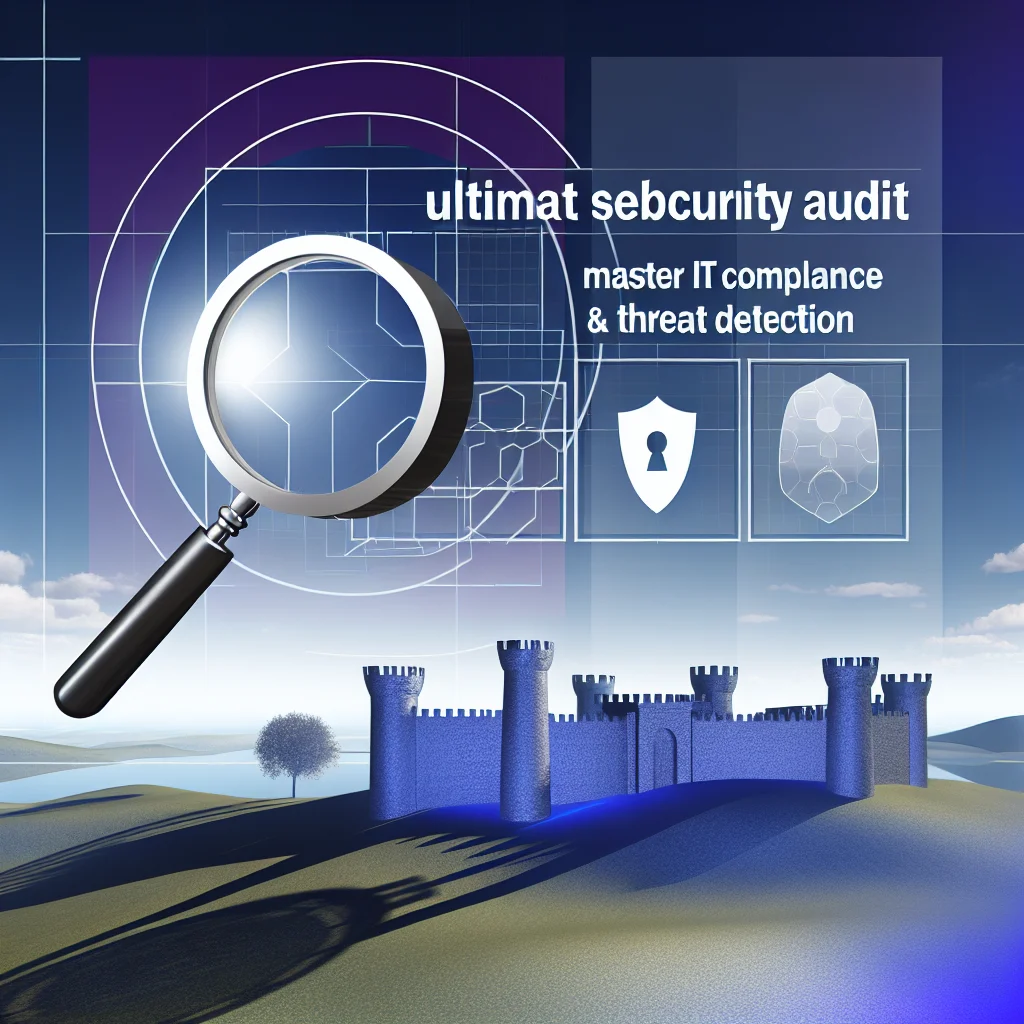
In the ever-evolving landscape of digital threats, cybersecurity audits have emerged as a critical tool for organizations seeking to bolster their defenses. These audits provide a comprehensive evaluation of an organization’s security posture, identifying vulnerabilities and recommending strategies to mitigate potential risks. One of the most significant insights gleaned from cybersecurity audits is the importance of robust threat detection strategies. As cyber threats become increasingly sophisticated, organizations must adopt proactive measures to detect and respond to potential breaches before they can cause significant harm.
A key component of effective threat detection is the implementation of advanced monitoring systems. These systems continuously analyze network traffic and user behavior, looking for anomalies that may indicate a security breach. By leveraging machine learning algorithms and artificial intelligence, these systems can identify patterns that might be missed by human analysts. This automated approach not only enhances the speed and accuracy of threat detection but also allows organizations to allocate their resources more efficiently, focusing human expertise on the most critical threats.
In addition to advanced monitoring, cybersecurity audits often highlight the importance of maintaining up-to-date threat intelligence. This involves gathering and analyzing data on the latest cyber threats, including malware signatures, phishing tactics, and emerging vulnerabilities. By staying informed about the current threat landscape, organizations can adjust their defenses accordingly, ensuring they are prepared to counter new and evolving threats. Furthermore, sharing threat intelligence with industry peers and participating in information-sharing networks can enhance an organization’s ability to detect and respond to threats more effectively.
Another crucial insight from cybersecurity audits is the need for a layered security approach. This strategy involves implementing multiple security measures at different levels of the organization’s infrastructure, creating a comprehensive defense system. For instance, firewalls, intrusion detection systems, and endpoint protection can work together to provide a robust barrier against potential attacks. By employing a combination of preventive, detective, and responsive measures, organizations can significantly reduce their risk of a successful cyber attack.
Moreover, cybersecurity audits emphasize the importance of regular testing and updating of security protocols. Conducting regular penetration tests and vulnerability assessments allows organizations to identify weaknesses in their systems and address them before they can be exploited by malicious actors. Additionally, keeping software and hardware up to date with the latest security patches is essential for protecting against known vulnerabilities. This proactive approach ensures that an organization’s defenses remain strong in the face of an ever-changing threat landscape.
Furthermore, audits often reveal the critical role of employee training in threat detection strategies. Human error remains one of the most significant vulnerabilities in any security system, and educating employees about cybersecurity best practices can significantly reduce this risk. Training programs should cover topics such as recognizing phishing attempts, using strong passwords, and reporting suspicious activity. By fostering a culture of security awareness, organizations can empower their employees to act as an additional line of defense against cyber threats.
In conclusion, insights from cybersecurity audits underscore the importance of a comprehensive and proactive approach to threat detection. By implementing advanced monitoring systems, maintaining up-to-date threat intelligence, adopting a layered security strategy, regularly testing security protocols, and investing in employee training, organizations can enhance their ability to detect and respond to cyber threats effectively. As the digital landscape continues to evolve, these strategies will be essential for safeguarding sensitive information and maintaining the trust of stakeholders.
Implementing Zero Trust Models: Lessons from Cybersecurity Audits
In the ever-evolving landscape of cybersecurity, organizations are increasingly turning to zero trust models as a robust framework to safeguard their digital assets. The zero trust model, which operates on the principle of “never trust, always verify,” requires continuous validation of every user and device attempting to access resources within a network. This approach is particularly relevant in today’s environment, where traditional perimeter-based security measures are no longer sufficient to protect against sophisticated cyber threats. Insights gleaned from cybersecurity audits have underscored the importance of implementing zero trust models, offering valuable lessons for organizations seeking to enhance their security posture.
One of the primary lessons from cybersecurity audits is the necessity of a comprehensive understanding of the organization’s network architecture. Before implementing a zero trust model, it is crucial to map out all network components, including users, devices, applications, and data flows. This detailed mapping allows organizations to identify potential vulnerabilities and areas where access controls need to be strengthened. By leveraging insights from audits, organizations can ensure that their zero trust implementation is tailored to their specific network environment, thereby maximizing its effectiveness.
Moreover, cybersecurity audits have highlighted the importance of robust identity and access management (IAM) systems in the successful deployment of zero trust models. IAM systems are integral to zero trust as they facilitate the continuous authentication and authorization of users and devices. Audits often reveal gaps in existing IAM processes, such as inadequate password policies or insufficient multi-factor authentication (MFA) mechanisms. Addressing these gaps is essential for establishing a zero trust environment where access is granted based on verified identities and contextual information, rather than assumed trust.
In addition to IAM, audits emphasize the significance of network segmentation in zero trust architectures. By dividing the network into smaller, isolated segments, organizations can limit the lateral movement of potential threats. This segmentation ensures that even if a breach occurs, the impact is contained within a specific segment, thereby minimizing the risk to the entire network. Cybersecurity audits often uncover areas where network segmentation can be improved, providing organizations with actionable insights to enhance their zero trust strategies.
Furthermore, continuous monitoring and real-time analytics are critical components of a zero trust model, as highlighted by cybersecurity audits. These tools enable organizations to detect and respond to anomalies or suspicious activities promptly. Audits frequently identify deficiencies in monitoring capabilities, such as outdated logging systems or insufficient threat intelligence integration. By addressing these deficiencies, organizations can bolster their zero trust frameworks, ensuring that they are equipped to respond swiftly to emerging threats.
Finally, cybersecurity audits underscore the importance of fostering a culture of security awareness within the organization. Implementing a zero trust model requires collaboration across various departments, including IT, human resources, and executive leadership. Audits often reveal gaps in communication and training, which can hinder the successful adoption of zero trust principles. By promoting a culture of security awareness and providing regular training, organizations can ensure that all employees understand their role in maintaining a secure environment.
In conclusion, insights from cybersecurity audits provide invaluable guidance for organizations seeking to implement zero trust models. By focusing on network architecture, identity and access management, network segmentation, continuous monitoring, and security awareness, organizations can effectively transition to a zero trust framework. This transition not only enhances their security posture but also prepares them to navigate the complex and ever-changing cybersecurity landscape with confidence.
Network Intrusion and Firewall Setup: Key Takeaways from Cybersecurity Audits
In the ever-evolving landscape of digital threats, the importance of robust network security cannot be overstated. Cybersecurity audits have become an essential tool for organizations seeking to safeguard their digital assets. These audits provide a comprehensive evaluation of an organization’s security posture, identifying vulnerabilities and recommending improvements. One of the critical areas scrutinized during these audits is network intrusion and firewall setup, which are fundamental components of any cybersecurity strategy.
Network intrusion refers to unauthorized access to an organization’s network, often with malicious intent. Cybersecurity audits focus on identifying potential entry points that intruders might exploit. This involves a thorough examination of network architecture, including routers, switches, and other connected devices. Auditors assess the configuration of these devices to ensure they are not only optimized for performance but also fortified against unauthorized access. By identifying misconfigurations or outdated software, audits help organizations close potential gaps that could be exploited by cybercriminals.
Firewalls, on the other hand, serve as the first line of defense against external threats. They act as a barrier between a trusted internal network and untrusted external networks, such as the internet. During a cybersecurity audit, the configuration and effectiveness of firewalls are meticulously evaluated. Auditors examine firewall rules and policies to ensure they are aligned with the organization’s security objectives. This includes verifying that only necessary ports are open and that traffic is appropriately filtered based on predefined security policies. Moreover, audits often reveal the need for regular updates to firewall software, which is crucial for defending against the latest threats.
Transitioning from the technical aspects, it is important to consider the human element in network security. Cybersecurity audits emphasize the significance of training and awareness among employees. Even the most sophisticated firewall setup can be rendered ineffective if employees inadvertently allow intrusions through phishing attacks or other social engineering tactics. Therefore, audits often recommend regular training sessions to educate staff about the latest threats and best practices for maintaining network security. This holistic approach ensures that both technological and human factors are addressed in the organization’s cybersecurity strategy.
Furthermore, audits highlight the importance of continuous monitoring and incident response. While firewalls and intrusion detection systems are vital, they are not infallible. Cybersecurity audits recommend implementing robust monitoring systems that can detect and respond to suspicious activities in real-time. This proactive approach allows organizations to mitigate potential threats before they escalate into full-blown security incidents. Additionally, having a well-defined incident response plan is crucial for minimizing damage and ensuring a swift recovery in the event of a breach.
In conclusion, cybersecurity audits provide invaluable insights into network intrusion and firewall setup, offering organizations a roadmap to enhance their security posture. By identifying vulnerabilities, optimizing configurations, and emphasizing the importance of employee training, these audits help organizations build a resilient defense against cyber threats. As the digital landscape continues to evolve, the lessons learned from cybersecurity audits will remain a cornerstone of effective network security strategies. Organizations that prioritize regular audits and implement recommended improvements will be better equipped to navigate the complex and ever-changing world of cybersecurity.
Enhance your organization’s security posture with our comprehensive Cybersecurity Insights: Cybersecurity Audit. Learn more and secure your business today!