HIPAA Compliance: Ensuring Privacy and Security in Modern Healthcare Systems
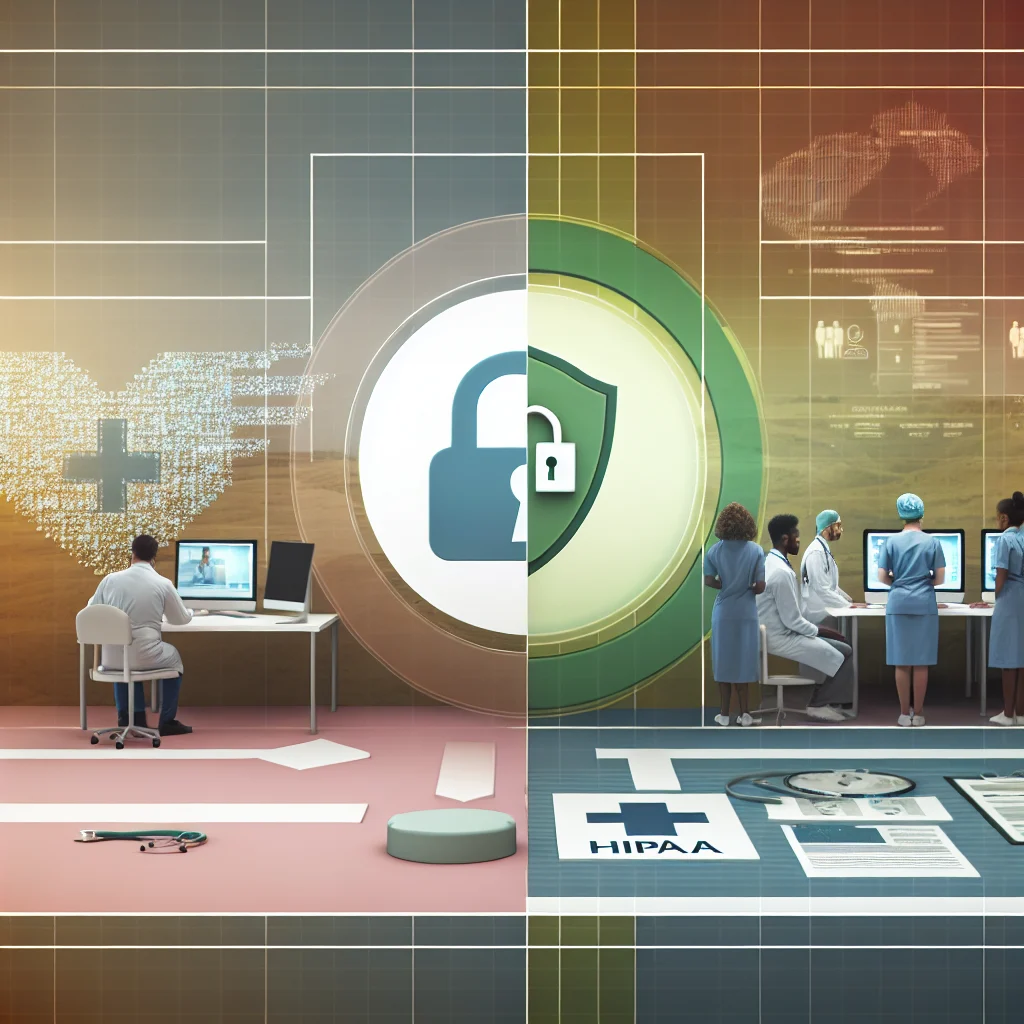
In the rapidly evolving landscape of healthcare, the integration of modern IT strategies has become indispensable. As healthcare systems increasingly rely on digital solutions to enhance patient care and streamline operations, the importance of maintaining robust privacy and security measures cannot be overstated. Central to this endeavor is adherence to the Health Insurance Portability and Accountability Act (HIPAA), which sets the standard for protecting sensitive patient information. Ensuring HIPAA compliance is not merely a regulatory obligation but a critical component of fostering trust and safeguarding patient data in the digital age.
To begin with, HIPAA compliance involves a comprehensive understanding of its Privacy and Security Rules, which are designed to protect patient information from unauthorized access and breaches. The Privacy Rule establishes national standards for the protection of individually identifiable health information, while the Security Rule specifies safeguards that covered entities must implement to secure electronic protected health information (ePHI). These rules necessitate that healthcare organizations adopt a multifaceted approach to data protection, encompassing administrative, physical, and technical safeguards.
Administrative safeguards involve the implementation of policies and procedures that govern the conduct of the workforce and the management of ePHI. This includes conducting regular risk assessments to identify potential vulnerabilities and developing a risk management plan to address them. Moreover, training programs are essential to ensure that all employees understand their responsibilities in maintaining HIPAA compliance. By fostering a culture of awareness and accountability, healthcare organizations can significantly reduce the risk of data breaches.
In addition to administrative measures, physical safeguards are crucial in protecting the infrastructure that houses sensitive information. This includes controlling access to facilities where ePHI is stored and ensuring that workstations and devices are secure. For instance, implementing access controls such as key cards or biometric systems can prevent unauthorized individuals from entering sensitive areas. Furthermore, regular maintenance and monitoring of physical security systems are vital to ensure their effectiveness.
On the technical front, healthcare organizations must employ advanced technologies to protect ePHI from cyber threats. Encryption is a fundamental technical safeguard that renders data unreadable to unauthorized users, thereby mitigating the risk of data breaches. Additionally, implementing secure access controls, such as multi-factor authentication, can further enhance the security of electronic systems. Regular audits and monitoring of network activity are also essential to detect and respond to potential security incidents promptly.
As healthcare systems continue to adopt innovative IT solutions, the challenge of maintaining HIPAA compliance becomes increasingly complex. Emerging technologies such as telemedicine, cloud computing, and artificial intelligence offer significant benefits but also introduce new risks. Therefore, it is imperative for healthcare organizations to stay abreast of technological advancements and continuously evaluate their impact on data privacy and security. Collaborating with IT experts and legal advisors can provide valuable insights into navigating the complexities of HIPAA compliance in the context of modern healthcare systems.
In conclusion, ensuring HIPAA compliance is a dynamic and ongoing process that requires a holistic approach to privacy and security. By implementing comprehensive administrative, physical, and technical safeguards, healthcare organizations can protect patient information and maintain the trust of those they serve. As the healthcare industry continues to evolve, a steadfast commitment to HIPAA compliance will be essential in safeguarding the integrity of patient data and upholding the principles of privacy and security in modern healthcare systems.
The Role of Clinical Support in Enhancing Healthcare IT Systems
In the rapidly evolving landscape of healthcare, the integration of information technology has become indispensable. As healthcare systems strive to improve patient outcomes and operational efficiency, the role of clinical support in enhancing healthcare IT systems has gained prominence. Clinical support, encompassing a range of services and tools designed to assist healthcare professionals in decision-making, plays a pivotal role in bridging the gap between technology and patient care.
To begin with, clinical support systems are integral to the effective implementation of healthcare IT strategies. These systems, which include electronic health records (EHRs), clinical decision support systems (CDSS), and telemedicine platforms, provide healthcare professionals with real-time access to patient data and evidence-based guidelines. By facilitating informed decision-making, these tools help clinicians deliver personalized care, reduce errors, and improve patient safety. For instance, CDSS can alert physicians to potential drug interactions or suggest alternative treatment plans based on the latest research, thereby enhancing the quality of care.
Moreover, the integration of clinical support systems into healthcare IT infrastructure requires a collaborative approach. Healthcare organizations must engage clinicians, IT professionals, and administrators in the design and implementation process to ensure that the systems meet the needs of end-users. This collaboration fosters a sense of ownership among healthcare providers, encouraging them to embrace new technologies and integrate them into their daily practice. Additionally, involving clinicians in the development of IT systems ensures that these tools are user-friendly and aligned with clinical workflows, ultimately leading to higher adoption rates and more effective utilization.
Furthermore, training and education are critical components of successful clinical support integration. Healthcare professionals must be equipped with the necessary skills to navigate complex IT systems and leverage their full potential. Comprehensive training programs, tailored to the specific needs of different user groups, can facilitate this process. By providing ongoing education and support, healthcare organizations can empower clinicians to utilize IT tools effectively, thereby enhancing patient care and optimizing resource utilization.
In addition to training, continuous evaluation and feedback mechanisms are essential for the sustained success of clinical support systems. Healthcare organizations should establish robust monitoring and evaluation frameworks to assess the impact of IT systems on clinical outcomes and operational efficiency. By collecting and analyzing data on system performance, organizations can identify areas for improvement and make data-driven decisions to enhance their IT strategies. Feedback from end-users, particularly clinicians, is invaluable in this process, as it provides insights into the practical challenges and opportunities associated with IT system implementation.
Finally, the role of clinical support in enhancing healthcare IT systems extends beyond individual organizations. Collaboration and knowledge-sharing among healthcare institutions can drive innovation and accelerate the adoption of best practices. By participating in industry forums, research initiatives, and collaborative networks, healthcare organizations can stay abreast of emerging trends and technologies, ensuring that their IT strategies remain relevant and effective.
In conclusion, clinical support is a cornerstone of modern healthcare IT systems, facilitating the delivery of high-quality, patient-centered care. Through collaboration, training, evaluation, and knowledge-sharing, healthcare organizations can harness the power of clinical support to enhance their IT strategies and improve patient outcomes. As the healthcare landscape continues to evolve, the integration of clinical support systems will remain a critical factor in the success of healthcare IT initiatives.
Leveraging EHR for Improved Medical Data Management and Patient Care
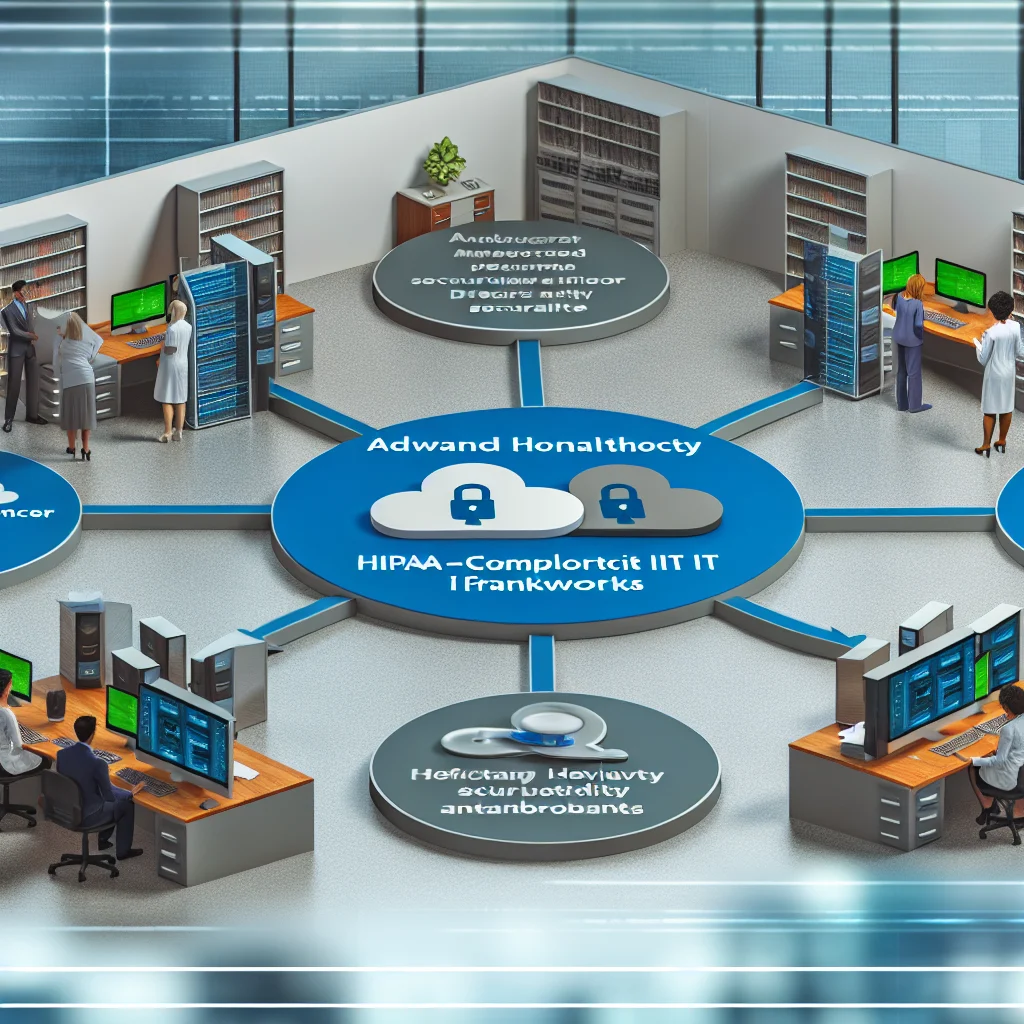
In the rapidly evolving landscape of healthcare, the integration of Electronic Health Records (EHR) has become a cornerstone for enhancing medical data management and patient care. As healthcare systems strive to improve efficiency and patient outcomes, leveraging EHR systems effectively is paramount. These digital records offer a comprehensive view of a patient’s medical history, facilitating better-informed clinical decisions and fostering a more coordinated approach to patient care.
One of the primary advantages of EHR systems is their ability to centralize patient information, making it accessible to authorized healthcare providers across different settings. This accessibility ensures that clinicians have up-to-date information at their fingertips, reducing the likelihood of errors that can occur with paper-based records. Moreover, EHRs streamline the process of data entry and retrieval, allowing healthcare professionals to focus more on patient interaction rather than administrative tasks. This shift not only enhances the quality of care but also improves the overall patient experience.
Furthermore, EHR systems play a crucial role in facilitating communication among healthcare providers. By providing a unified platform for sharing patient information, EHRs enable seamless collaboration between primary care physicians, specialists, and other healthcare professionals. This interconnectedness is particularly beneficial in managing chronic conditions, where coordinated care is essential for effective treatment. As a result, patients receive more comprehensive and personalized care, which can lead to better health outcomes.
In addition to improving communication, EHRs also support the implementation of evidence-based practices. By integrating clinical decision support tools, EHR systems can provide healthcare providers with real-time alerts and reminders based on the latest medical guidelines. This feature helps ensure that patients receive care that is aligned with current best practices, thereby enhancing the quality of treatment. Moreover, the data collected through EHRs can be used for research and analysis, contributing to the advancement of medical knowledge and the development of new treatment protocols.
Another significant benefit of EHR systems is their potential to enhance patient engagement. By granting patients access to their own health records, EHRs empower individuals to take an active role in managing their health. Patients can review their medical history, track their progress, and communicate with their healthcare providers through secure messaging systems. This increased engagement can lead to better adherence to treatment plans and a greater sense of ownership over one’s health.
Despite these advantages, the implementation of EHR systems is not without challenges. Healthcare organizations must address issues related to data security and privacy, ensuring that patient information is protected from unauthorized access. Additionally, the transition from paper-based records to digital systems requires significant investment in technology and training. However, the long-term benefits of EHR systems, in terms of improved patient care and operational efficiency, make this investment worthwhile.
In conclusion, leveraging EHR systems is a critical component of modern healthcare strategies aimed at improving medical data management and patient care. By centralizing patient information, facilitating communication among providers, supporting evidence-based practices, and enhancing patient engagement, EHRs have the potential to transform the healthcare landscape. As healthcare systems continue to evolve, the effective use of EHR technology will be essential in meeting the demands of an increasingly complex and interconnected healthcare environment.
Emerging Health IT Trends: Shaping the Future of Healthcare Systems
In recent years, the healthcare industry has witnessed a transformative shift driven by the integration of modern information technology strategies. As healthcare systems strive to enhance patient care, improve operational efficiency, and reduce costs, emerging health IT trends are playing a pivotal role in shaping the future of healthcare. One of the most significant trends is the adoption of electronic health records (EHRs), which has revolutionized the way patient information is stored, accessed, and shared. EHRs facilitate seamless communication among healthcare providers, ensuring that patient data is readily available and up-to-date, thereby improving the quality of care and reducing the likelihood of medical errors.
Moreover, the rise of telemedicine has been a game-changer in expanding access to healthcare services. By leveraging digital communication tools, telemedicine enables patients to consult with healthcare professionals remotely, breaking down geographical barriers and making healthcare more accessible to underserved populations. This trend has gained momentum, particularly in the wake of the COVID-19 pandemic, as it offers a safe and convenient alternative to in-person visits. As telemedicine continues to evolve, it is expected to integrate more advanced technologies such as artificial intelligence (AI) and machine learning, which can enhance diagnostic accuracy and personalize treatment plans.
In addition to telemedicine, wearable health technology is another emerging trend that is reshaping healthcare systems. Devices such as smartwatches and fitness trackers are empowering individuals to monitor their health metrics in real-time, promoting proactive health management. These devices collect valuable data that can be shared with healthcare providers, enabling more informed decision-making and early intervention in case of potential health issues. As wearable technology becomes more sophisticated, it is anticipated that its integration with healthcare systems will lead to more personalized and preventive care.
Furthermore, the application of big data analytics in healthcare is unlocking new possibilities for improving patient outcomes and optimizing healthcare operations. By analyzing vast amounts of data from various sources, healthcare providers can identify patterns and trends that were previously undetectable. This data-driven approach facilitates evidence-based decision-making, enhances disease surveillance, and supports the development of targeted treatment strategies. As big data analytics continues to advance, it is expected to play a crucial role in predictive modeling and population health management.
Cybersecurity is another critical aspect of modern healthcare IT strategies, as the increasing digitization of healthcare systems has made them more vulnerable to cyber threats. Protecting sensitive patient information and ensuring the integrity of healthcare data are paramount concerns for healthcare organizations. Consequently, there is a growing emphasis on implementing robust cybersecurity measures, such as encryption, multi-factor authentication, and regular security audits, to safeguard against data breaches and cyberattacks.
Finally, the integration of blockchain technology in healthcare is an emerging trend that holds promise for enhancing data security and interoperability. Blockchain’s decentralized and immutable nature makes it an ideal solution for securely storing and sharing patient data across different healthcare systems. By providing a transparent and tamper-proof record of transactions, blockchain can improve data integrity and foster trust among healthcare stakeholders.
In conclusion, the convergence of modern IT strategies with healthcare systems is driving significant advancements in the industry. As these emerging health IT trends continue to evolve, they hold the potential to transform healthcare delivery, making it more efficient, accessible, and patient-centered. Embracing these innovations will be crucial for healthcare organizations seeking to navigate the challenges of the future and deliver high-quality care in an increasingly digital world.
Tech Integration Strategies for Optimizing Healthcare IT Infrastructure
In the rapidly evolving landscape of healthcare, the integration of modern IT strategies into healthcare systems has become a pivotal component in optimizing infrastructure and enhancing patient care. As healthcare organizations strive to meet the increasing demands for efficiency, accuracy, and security, the adoption of advanced technological solutions is no longer optional but essential. The seamless integration of IT strategies into healthcare systems not only streamlines operations but also significantly improves the quality of care provided to patients.
One of the primary strategies for optimizing healthcare IT infrastructure is the implementation of electronic health records (EHRs). EHRs have revolutionized the way patient information is stored, accessed, and shared across different healthcare providers. By digitizing patient records, healthcare organizations can ensure that critical information is readily available to authorized personnel, thereby reducing the risk of errors and improving the coordination of care. Moreover, EHRs facilitate data analytics, enabling healthcare providers to gain valuable insights into patient populations and tailor treatments accordingly.
In addition to EHRs, the integration of telemedicine platforms has emerged as a crucial strategy in modern healthcare IT. Telemedicine allows healthcare providers to extend their reach beyond the confines of traditional clinical settings, offering patients the convenience of remote consultations. This not only enhances access to care, particularly for individuals in rural or underserved areas, but also reduces the burden on healthcare facilities. By leveraging telemedicine, healthcare systems can optimize resource allocation and improve patient satisfaction through timely and efficient service delivery.
Furthermore, the adoption of cloud computing solutions is transforming the way healthcare organizations manage their IT infrastructure. Cloud computing offers scalable and flexible solutions that can accommodate the dynamic needs of healthcare systems. By migrating to the cloud, organizations can reduce the costs associated with maintaining on-premises servers and hardware, while also benefiting from enhanced data security and disaster recovery capabilities. The cloud also facilitates collaboration among healthcare professionals by providing a centralized platform for data sharing and communication.
Another critical aspect of optimizing healthcare IT infrastructure is the implementation of robust cybersecurity measures. As healthcare systems become increasingly digitized, they are also more vulnerable to cyber threats. Protecting sensitive patient data from breaches and unauthorized access is paramount. Healthcare organizations must invest in advanced cybersecurity technologies, such as encryption, multi-factor authentication, and intrusion detection systems, to safeguard their IT infrastructure. Additionally, regular staff training on cybersecurity best practices is essential to ensure that all personnel are equipped to recognize and respond to potential threats.
Moreover, the integration of artificial intelligence (AI) and machine learning (ML) into healthcare IT systems is paving the way for more personalized and efficient care. AI and ML algorithms can analyze vast amounts of data to identify patterns and predict patient outcomes, enabling healthcare providers to make informed decisions and deliver targeted interventions. These technologies also have the potential to automate routine administrative tasks, freeing up valuable time for healthcare professionals to focus on patient care.
In conclusion, the integration of modern IT strategies into healthcare systems is a multifaceted approach that requires careful planning and execution. By embracing electronic health records, telemedicine, cloud computing, robust cybersecurity measures, and artificial intelligence, healthcare organizations can optimize their IT infrastructure and enhance the quality of care they provide. As the healthcare industry continues to evolve, the adoption of these strategies will be instrumental in meeting the challenges of the future and ensuring that patients receive the best possible care.
Unlock the future of healthcare with cutting-edge IT strategies. Discover how modern technology is transforming healthcare systems for better patient outcomes. Learn more about Healthcare IT Insights now!