Understanding Cybersecurity Audits: Key Steps for IT Compliance
In today’s digital age, the importance of cybersecurity cannot be overstated. As organizations increasingly rely on technology to conduct their operations, the risk of cyber threats has grown exponentially. Consequently, ensuring robust cybersecurity measures is paramount, and one effective way to achieve this is through a comprehensive cybersecurity audit. A cybersecurity audit serves as a critical tool for assessing an organization’s security posture, identifying vulnerabilities, and ensuring compliance with relevant regulations and standards.
To begin with, a cybersecurity audit involves a systematic evaluation of an organization’s information systems, policies, and procedures. This process is designed to identify potential weaknesses that could be exploited by cybercriminals. By conducting regular audits, organizations can proactively address vulnerabilities before they are exploited, thereby reducing the risk of data breaches and other cyber incidents. Moreover, audits help organizations align their cybersecurity practices with industry standards and regulatory requirements, which is essential for maintaining trust with clients and stakeholders.
The first step in a cybersecurity audit is to define the scope of the audit. This involves determining which systems, networks, and processes will be evaluated. It is crucial to have a clear understanding of the organization’s IT infrastructure and the data it handles to ensure that the audit is comprehensive. Once the scope is defined, the next step is to gather relevant documentation, such as security policies, network diagrams, and access control lists. This documentation provides auditors with a baseline understanding of the organization’s current security measures.
Following the documentation review, auditors typically conduct interviews with key personnel to gain insights into the organization’s security practices and culture. These interviews help auditors understand how security policies are implemented and whether employees are aware of their roles in maintaining cybersecurity. Additionally, auditors may perform technical assessments, such as vulnerability scans and penetration testing, to identify potential security gaps. These assessments provide a practical evaluation of the organization’s defenses against cyber threats.
Once the audit is complete, auditors compile their findings into a detailed report. This report outlines identified vulnerabilities, assesses the effectiveness of existing security measures, and provides recommendations for improvement. It is essential for organizations to carefully review this report and prioritize remediation efforts based on the severity of the identified risks. Implementing the recommended changes not only strengthens the organization’s security posture but also demonstrates a commitment to cybersecurity best practices.
Furthermore, cybersecurity audits play a vital role in ensuring compliance with various regulations and standards. Many industries are subject to specific cybersecurity requirements, such as the Health Insurance Portability and Accountability Act (HIPAA) for healthcare or the Payment Card Industry Data Security Standard (PCI DSS) for businesses handling credit card information. Regular audits help organizations verify that they are meeting these requirements, thereby avoiding potential legal and financial penalties.
In conclusion, a cybersecurity audit is an indispensable component of an organization’s overall security strategy. By systematically evaluating their security measures, organizations can identify vulnerabilities, ensure compliance with regulations, and enhance their ability to protect sensitive data. As cyber threats continue to evolve, the importance of regular audits cannot be overstated. Organizations that prioritize cybersecurity audits are better equipped to safeguard their assets, maintain customer trust, and navigate the complex landscape of modern cybersecurity challenges.
Enhancing Threat Detection with Advanced Firewall Setup Techniques
In the ever-evolving landscape of cybersecurity, the importance of robust threat detection mechanisms cannot be overstated. As cyber threats become increasingly sophisticated, organizations must adopt advanced techniques to safeguard their digital assets. One of the most critical components in this defense strategy is the firewall, a tool that serves as the first line of defense against unauthorized access. However, to maximize its effectiveness, a firewall must be configured with precision and foresight. This article delves into advanced firewall setup techniques that enhance threat detection capabilities, providing organizations with a fortified shield against potential cyber intrusions.
To begin with, understanding the fundamental role of a firewall is essential. At its core, a firewall acts as a barrier between a trusted internal network and untrusted external networks, such as the internet. It scrutinizes incoming and outgoing traffic based on predetermined security rules, thereby preventing malicious data from infiltrating the network. However, as cyber threats become more complex, traditional firewall configurations may fall short. This necessitates the adoption of advanced setup techniques that can adapt to and anticipate emerging threats.
One such technique involves the implementation of a next-generation firewall (NGFW). Unlike traditional firewalls, NGFWs offer a more comprehensive approach to threat detection by integrating additional security features such as intrusion prevention systems (IPS), deep packet inspection (DPI), and application awareness. These capabilities enable the firewall to analyze traffic at a granular level, identifying and blocking threats that might otherwise go unnoticed. By leveraging NGFWs, organizations can enhance their threat detection capabilities, ensuring a more robust defense against cyber attacks.
Moreover, the strategic placement of firewalls within a network architecture is crucial for optimizing threat detection. Instead of relying on a single perimeter firewall, organizations should consider deploying multiple firewalls at various network segments. This approach, known as a layered security model, allows for more precise monitoring and control of traffic flows. By segmenting the network and placing firewalls at critical junctures, organizations can isolate potential threats and prevent them from spreading laterally across the network. This not only enhances threat detection but also minimizes the potential impact of a security breach.
In addition to strategic placement, the continuous updating and fine-tuning of firewall rules are imperative. Cyber threats are dynamic, constantly evolving to exploit new vulnerabilities. Therefore, firewall configurations must be regularly reviewed and updated to reflect the latest threat intelligence. This involves not only adding new rules to counter emerging threats but also removing outdated or redundant rules that could create security gaps. By maintaining an up-to-date rule set, organizations can ensure that their firewalls remain effective in detecting and mitigating threats.
Furthermore, integrating firewalls with other security tools can significantly enhance threat detection capabilities. For instance, combining firewall data with information from security information and event management (SIEM) systems can provide a more comprehensive view of network activity. This integration allows for real-time correlation and analysis of security events, enabling organizations to detect and respond to threats more swiftly and effectively.
In conclusion, as cyber threats continue to evolve, organizations must adopt advanced firewall setup techniques to enhance their threat detection capabilities. By leveraging next-generation firewalls, strategically placing them within the network, continuously updating rules, and integrating with other security tools, organizations can build a robust defense against potential cyber intrusions. These measures not only fortify the network’s perimeter but also ensure a proactive approach to cybersecurity, safeguarding digital assets in an increasingly perilous digital landscape.
Implementing Zero Trust Architecture for Robust Network Intrusion Prevention
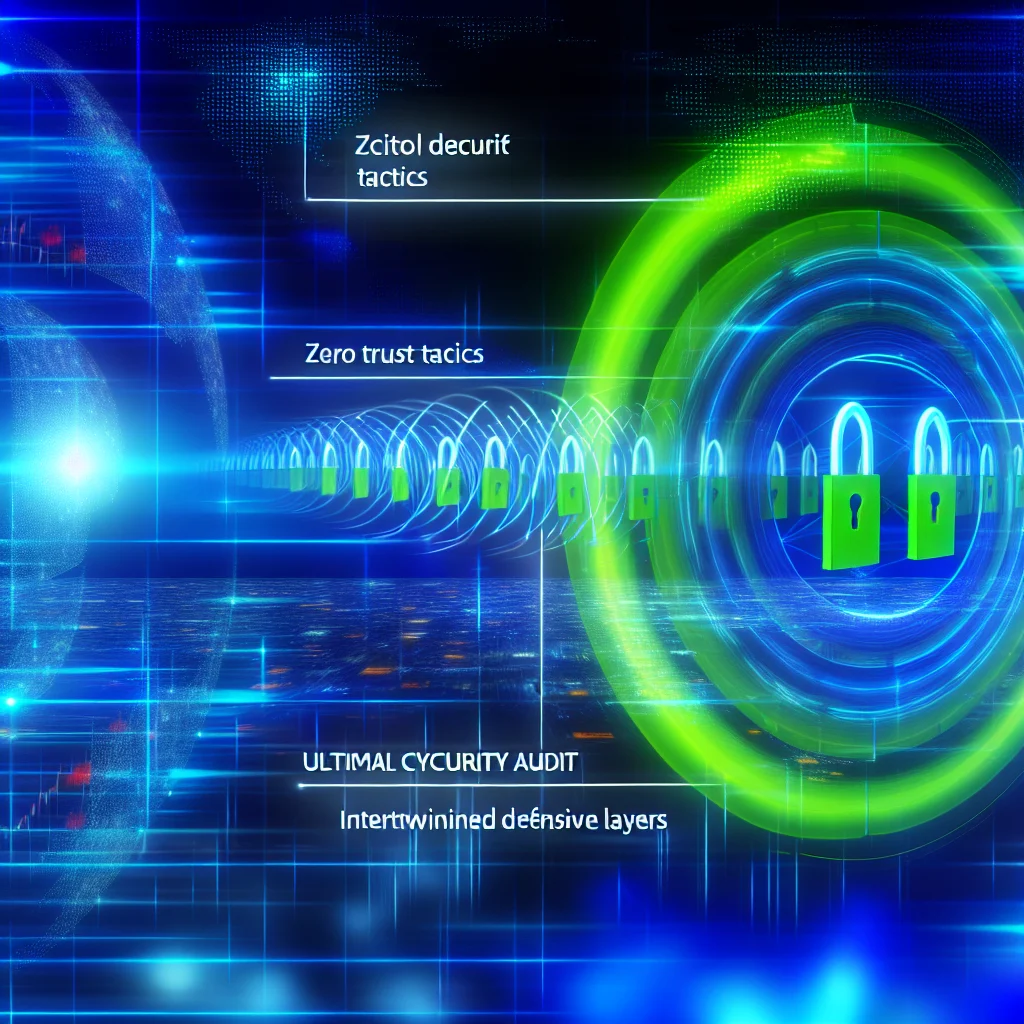
In the ever-evolving landscape of cybersecurity, organizations are increasingly recognizing the importance of implementing robust measures to protect their networks from potential intrusions. One such measure that has gained significant traction is the Zero Trust Architecture (ZTA). This approach fundamentally shifts the traditional security paradigm by operating under the assumption that threats could exist both outside and inside the network. Consequently, it requires verification of every user and device attempting to access resources, regardless of their location within the network.
The implementation of Zero Trust Architecture begins with a comprehensive understanding of the network’s current state. This involves conducting a thorough cybersecurity audit to identify potential vulnerabilities and assess the effectiveness of existing security measures. By doing so, organizations can establish a baseline from which to develop a more secure framework. The audit serves as a critical first step, providing valuable insights into areas that require immediate attention and those that can be fortified over time.
Once the audit is complete, the next phase involves segmenting the network into smaller, manageable zones. This segmentation is crucial as it limits the lateral movement of potential intruders, thereby containing any breaches that may occur. Each segment is governed by strict access controls, ensuring that only authenticated and authorized users can access specific resources. This granular level of control is a hallmark of Zero Trust Architecture, as it minimizes the risk of unauthorized access and data exfiltration.
In tandem with network segmentation, organizations must implement robust identity and access management (IAM) protocols. These protocols are essential for verifying the identity of users and devices before granting access to network resources. Multi-factor authentication (MFA) is a key component of IAM, adding an additional layer of security by requiring users to provide multiple forms of verification. This significantly reduces the likelihood of unauthorized access, even if login credentials are compromised.
Moreover, continuous monitoring and real-time analytics play a pivotal role in the successful implementation of Zero Trust Architecture. By leveraging advanced technologies such as artificial intelligence and machine learning, organizations can detect and respond to anomalies and potential threats with unprecedented speed and accuracy. This proactive approach enables security teams to mitigate risks before they escalate into full-blown breaches, thereby enhancing the overall resilience of the network.
Furthermore, the integration of Zero Trust principles into the organization’s culture is essential for long-term success. This involves educating employees about the importance of cybersecurity and their role in maintaining a secure environment. Regular training sessions and awareness programs can empower staff to recognize potential threats and adhere to best practices, thereby reinforcing the organization’s security posture.
In conclusion, implementing Zero Trust Architecture is a multifaceted process that requires careful planning and execution. By conducting a thorough cybersecurity audit, segmenting the network, enforcing strict access controls, and leveraging advanced monitoring technologies, organizations can significantly enhance their network intrusion prevention capabilities. As cyber threats continue to evolve, adopting a Zero Trust approach ensures that organizations remain vigilant and prepared to defend against potential intrusions, safeguarding their valuable assets and maintaining the trust of their stakeholders.
Best Practices for Endpoint Protection in Cybersecurity Audits
In the ever-evolving landscape of cybersecurity, endpoint protection has emerged as a critical component in safeguarding organizational assets. As cyber threats become increasingly sophisticated, the need for robust endpoint protection strategies during cybersecurity audits has never been more pressing. These audits serve as a comprehensive evaluation of an organization’s security posture, and focusing on endpoint protection is essential to ensure that vulnerabilities are identified and mitigated effectively.
To begin with, understanding the scope of endpoint protection is crucial. Endpoints, which include devices such as laptops, desktops, and mobile devices, are often the most vulnerable entry points for cyberattacks. Therefore, during a cybersecurity audit, it is imperative to assess the security measures in place for these devices. This involves evaluating the deployment of antivirus software, firewalls, and intrusion detection systems. By ensuring that these tools are up-to-date and properly configured, organizations can significantly reduce the risk of unauthorized access and data breaches.
Moreover, implementing a comprehensive endpoint protection strategy requires a multi-layered approach. This involves not only deploying technical solutions but also establishing robust policies and procedures. For instance, organizations should enforce strict access controls to limit the number of users with administrative privileges. This minimizes the risk of insider threats and ensures that only authorized personnel can make critical changes to the system. Additionally, regular training and awareness programs for employees are vital. By educating staff about the latest cyber threats and safe computing practices, organizations can foster a culture of security that extends beyond technical measures.
Transitioning to the technical aspects, endpoint detection and response (EDR) solutions play a pivotal role in modern endpoint protection strategies. EDR tools provide real-time monitoring and analysis of endpoint activities, enabling organizations to detect and respond to threats swiftly. During a cybersecurity audit, it is essential to evaluate the effectiveness of these tools in identifying suspicious activities and potential breaches. By analyzing the data collected by EDR solutions, auditors can gain valuable insights into the organization’s threat landscape and recommend improvements to enhance security.
Furthermore, the integration of artificial intelligence (AI) and machine learning (ML) technologies into endpoint protection solutions has revolutionized the way organizations defend against cyber threats. These technologies enable the automation of threat detection and response processes, reducing the time it takes to identify and mitigate attacks. During an audit, it is important to assess how effectively these AI-driven solutions are being utilized. This includes evaluating their ability to adapt to new threats and their integration with existing security infrastructure.
In addition to technical measures, regular patch management is a fundamental aspect of endpoint protection. Cybersecurity audits should include a thorough review of the organization’s patch management processes to ensure that all software and systems are up-to-date with the latest security patches. This helps to close vulnerabilities that could be exploited by attackers. Moreover, auditors should assess the organization’s ability to respond to zero-day vulnerabilities, which require immediate attention and remediation.
In conclusion, best practices for endpoint protection in cybersecurity audits encompass a holistic approach that combines technical solutions, policy enforcement, and employee education. By focusing on these areas, organizations can strengthen their security posture and better protect their assets from cyber threats. As the threat landscape continues to evolve, staying vigilant and proactive in implementing these best practices will be key to maintaining robust endpoint protection.
The Role of Cybersecurity Audits in Strengthening IT Compliance and Network Security
In today’s digital age, the importance of robust cybersecurity measures cannot be overstated. As organizations increasingly rely on digital infrastructure to conduct their operations, the need for stringent cybersecurity protocols becomes paramount. One of the most effective ways to ensure that these protocols are both comprehensive and up-to-date is through regular cybersecurity audits. These audits play a crucial role in strengthening IT compliance and enhancing network security, serving as a vital tool for organizations to identify vulnerabilities and implement necessary safeguards.
Cybersecurity audits are systematic evaluations of an organization’s information systems, policies, and procedures. They are designed to assess the effectiveness of existing security measures and ensure compliance with relevant regulations and standards. By conducting these audits, organizations can gain valuable insights into their cybersecurity posture, identifying areas of strength as well as potential weaknesses that could be exploited by malicious actors. This proactive approach not only helps in mitigating risks but also ensures that the organization remains compliant with industry standards and legal requirements.
Transitioning from the general benefits of cybersecurity audits, it is essential to delve into their role in IT compliance. Compliance with regulatory standards such as the General Data Protection Regulation (GDPR), the Health Insurance Portability and Accountability Act (HIPAA), and the Payment Card Industry Data Security Standard (PCI DSS) is not just a legal obligation but also a critical component of maintaining trust with clients and stakeholders. Cybersecurity audits help organizations verify that they are adhering to these standards by evaluating their data protection measures, access controls, and incident response strategies. Through this process, organizations can demonstrate their commitment to safeguarding sensitive information, thereby enhancing their reputation and credibility.
Moreover, cybersecurity audits are instrumental in fortifying network security. As cyber threats continue to evolve in complexity and sophistication, organizations must remain vigilant in their efforts to protect their networks from breaches and attacks. Audits provide a comprehensive overview of an organization’s network infrastructure, identifying potential entry points for cybercriminals and assessing the effectiveness of firewalls, intrusion detection systems, and other security technologies. By pinpointing vulnerabilities, organizations can take targeted actions to bolster their defenses, such as updating software, patching security gaps, and implementing advanced threat detection mechanisms.
In addition to identifying vulnerabilities, cybersecurity audits also facilitate the development of a robust incident response plan. In the event of a security breach, having a well-defined response strategy is crucial to minimizing damage and ensuring a swift recovery. Audits help organizations evaluate their current response plans, testing their effectiveness and identifying areas for improvement. This ensures that, should a cyber incident occur, the organization is well-prepared to respond quickly and efficiently, thereby reducing downtime and mitigating potential losses.
Furthermore, cybersecurity audits foster a culture of continuous improvement within organizations. By regularly assessing their security measures, organizations can stay ahead of emerging threats and adapt to the ever-changing cybersecurity landscape. This ongoing process of evaluation and enhancement not only strengthens an organization’s security posture but also instills a sense of accountability and vigilance among employees.
In conclusion, cybersecurity audits are an indispensable component of an organization’s cybersecurity strategy. By ensuring IT compliance and enhancing network security, these audits provide organizations with the insights needed to protect their digital assets and maintain the trust of their clients and stakeholders. As cyber threats continue to pose significant challenges, the role of cybersecurity audits in safeguarding information systems and fortifying defenses will remain critical in the years to come.
Enhance your organization’s security posture with our comprehensive Cybersecurity Insights: Cybersecurity Audit. [Learn more](https://comptss.com).