Email Protection Strategies: Enhancing DLP Systems for Modern IT
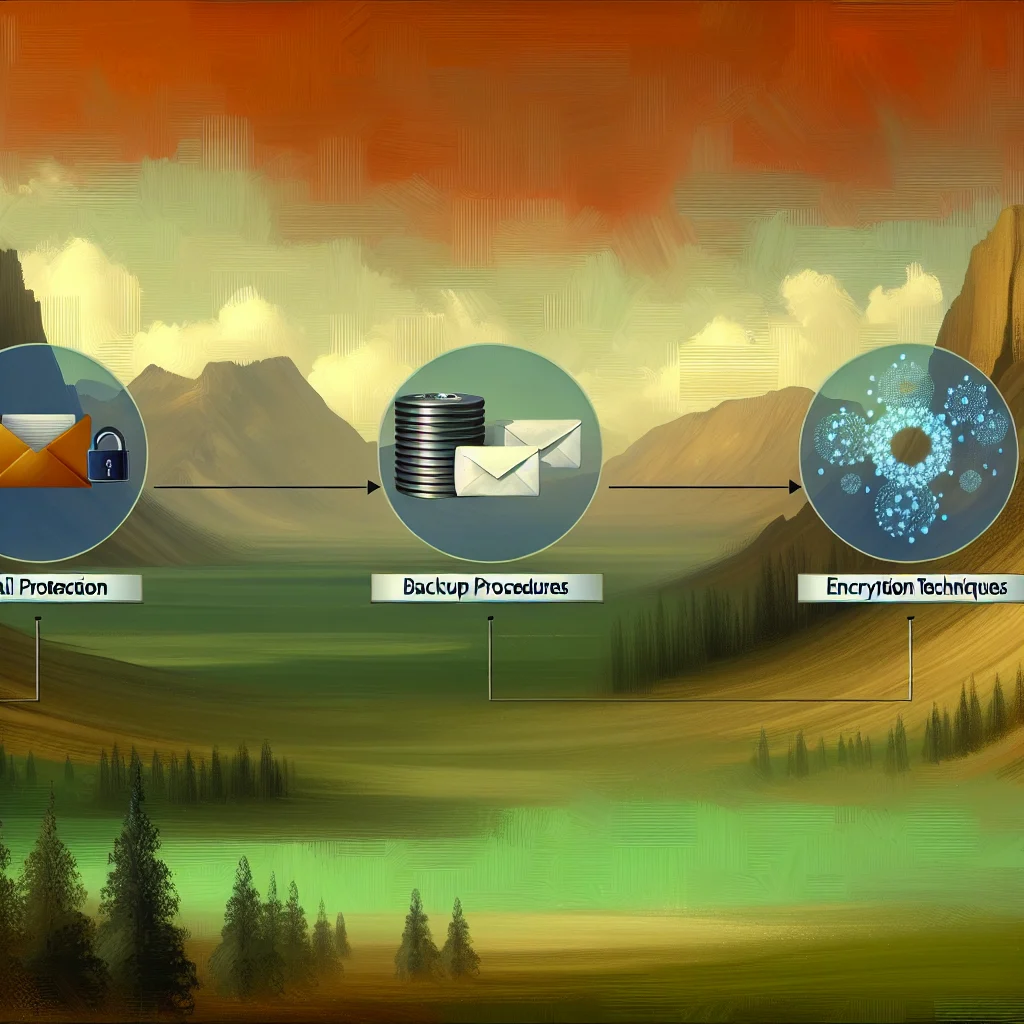
In the rapidly evolving landscape of information technology, safeguarding sensitive data has become a paramount concern for organizations worldwide. As businesses increasingly rely on digital communication, email remains a critical vector for data exchange, making it a focal point for data loss prevention (DLP) strategies. Modern IT strategies must therefore incorporate robust email protection mechanisms to enhance DLP systems, ensuring that sensitive information is not inadvertently or maliciously exposed.
To begin with, understanding the role of email in data breaches is essential. Emails are often the weakest link in an organization’s security chain due to their ubiquitous nature and the ease with which they can be manipulated. Phishing attacks, for instance, exploit human vulnerabilities, tricking employees into divulging confidential information or clicking on malicious links. Consequently, integrating advanced email protection strategies into DLP systems is crucial for mitigating these risks.
One effective approach is the implementation of machine learning algorithms that can analyze email patterns and detect anomalies indicative of phishing attempts or unauthorized data sharing. These algorithms can be trained to recognize subtle deviations from normal communication patterns, thereby providing an additional layer of security. Moreover, by continuously learning from new threats, these systems can adapt to the ever-changing landscape of cyber threats, offering a dynamic defense mechanism.
In addition to machine learning, encryption plays a vital role in email protection. Encrypting emails ensures that even if they are intercepted, the contents remain unreadable to unauthorized parties. Modern DLP systems should incorporate end-to-end encryption protocols, which secure data from the moment it is sent until it is received by the intended recipient. This not only protects sensitive information but also helps organizations comply with stringent data protection regulations.
Furthermore, user education and awareness are indispensable components of an effective email protection strategy. Employees must be trained to recognize phishing attempts and understand the importance of safeguarding sensitive information. Regular training sessions and simulated phishing exercises can help reinforce these concepts, making employees an active part of the organization’s defense strategy.
Another critical aspect of enhancing DLP systems is the integration of multi-factor authentication (MFA) for email access. MFA adds an extra layer of security by requiring users to provide two or more verification factors to gain access to their email accounts. This significantly reduces the risk of unauthorized access, even if login credentials are compromised.
Moreover, organizations should consider implementing data classification policies that categorize information based on its sensitivity. By doing so, DLP systems can apply appropriate protection measures tailored to the level of sensitivity, ensuring that the most critical data receives the highest level of security. This targeted approach not only enhances data protection but also optimizes resource allocation within the IT infrastructure.
In conclusion, as email continues to be a vital communication tool in the modern business environment, enhancing DLP systems with robust email protection strategies is imperative. By leveraging machine learning, encryption, user education, multi-factor authentication, and data classification, organizations can significantly bolster their defenses against data breaches. As cyber threats continue to evolve, so too must the strategies employed to combat them, ensuring that sensitive information remains secure in an increasingly interconnected world.
Backup Strategies: Integrating DLP Systems for Comprehensive Data Security
In the rapidly evolving landscape of information technology, safeguarding sensitive data has become a paramount concern for organizations worldwide. As cyber threats grow increasingly sophisticated, the integration of Data Loss Prevention (DLP) systems into backup strategies has emerged as a critical component of comprehensive data security. By understanding the synergy between DLP systems and modern IT strategies, organizations can better protect their valuable information assets.
To begin with, DLP systems are designed to detect and prevent unauthorized access, use, or transmission of sensitive data. These systems employ a variety of techniques, such as content inspection and contextual analysis, to identify potential data breaches before they occur. By integrating DLP systems into backup strategies, organizations can ensure that their data is not only backed up but also protected from potential threats during the backup process. This integration is crucial because backups, while essential for data recovery, can also become targets for cybercriminals if not adequately secured.
Moreover, the integration of DLP systems into backup strategies enhances the overall security posture of an organization. By continuously monitoring data flows and applying security policies, DLP systems can identify and mitigate risks in real-time. This proactive approach allows organizations to address vulnerabilities before they can be exploited, thereby reducing the likelihood of data breaches. Furthermore, DLP systems can provide valuable insights into data usage patterns, helping organizations to refine their security policies and ensure compliance with regulatory requirements.
In addition to enhancing security, integrating DLP systems into backup strategies can also improve operational efficiency. By automating the process of data classification and protection, organizations can reduce the burden on IT staff and allocate resources more effectively. This automation not only streamlines backup processes but also ensures that data is consistently protected across all platforms and devices. As a result, organizations can achieve a higher level of data integrity and availability, which is essential for maintaining business continuity in the event of a data loss incident.
Furthermore, the integration of DLP systems into backup strategies supports the implementation of modern IT strategies, such as cloud computing and virtualization. As organizations increasingly adopt these technologies, the need for robust data protection measures becomes even more critical. DLP systems can provide the necessary security controls to protect data in cloud environments, ensuring that sensitive information remains secure regardless of where it is stored or accessed. This capability is particularly important as organizations seek to leverage the scalability and flexibility of cloud solutions while maintaining stringent security standards.
In conclusion, the integration of DLP systems into backup strategies represents a vital step towards achieving comprehensive data security. By combining the strengths of DLP systems with modern IT strategies, organizations can protect their sensitive data from a wide range of threats while also improving operational efficiency and supporting technological innovation. As cyber threats continue to evolve, the importance of integrating DLP systems into backup strategies will only grow, making it an essential consideration for any organization seeking to safeguard its information assets in today’s digital age. Through careful planning and implementation, organizations can create a robust data protection framework that not only meets current security challenges but also anticipates future risks, ensuring the continued safety and integrity of their data.
Access Control and DLP Systems: Modern IT Strategies for Data Protection
In the rapidly evolving landscape of information technology, safeguarding sensitive data has become a paramount concern for organizations across the globe. As cyber threats grow in sophistication and frequency, the implementation of robust data protection strategies is essential. Among these strategies, access control and Data Loss Prevention (DLP) systems play a crucial role in ensuring the security and integrity of organizational data. By integrating these systems into modern IT strategies, businesses can effectively mitigate the risks associated with data breaches and unauthorized access.
Access control is a fundamental component of any data protection strategy. It involves the regulation of who can view or use resources within a computing environment. By implementing stringent access control measures, organizations can ensure that only authorized personnel have access to sensitive information. This is achieved through various mechanisms such as role-based access control (RBAC), which assigns permissions based on the user’s role within the organization, and multi-factor authentication (MFA), which adds an additional layer of security by requiring multiple forms of verification before granting access. These measures not only protect against external threats but also help in preventing insider threats, which can be equally damaging.
In conjunction with access control, DLP systems provide an additional layer of security by monitoring and controlling the flow of data within an organization. DLP systems are designed to detect and prevent unauthorized data transfers, whether intentional or accidental. They achieve this by identifying sensitive information, such as personal identifiable information (PII) or intellectual property, and enforcing policies that restrict its movement. For instance, a DLP system can be configured to block the transmission of sensitive data via email or to external storage devices, thereby reducing the risk of data leakage.
The integration of access control and DLP systems into modern IT strategies requires a comprehensive approach. Organizations must first conduct a thorough assessment of their data protection needs, identifying the types of data that require protection and the potential threats they face. This assessment forms the basis for developing a tailored data protection strategy that aligns with the organization’s overall IT objectives. Furthermore, it is essential to ensure that these systems are regularly updated and maintained to address emerging threats and vulnerabilities.
Moreover, the successful implementation of access control and DLP systems hinges on employee awareness and training. Employees must be educated about the importance of data protection and the role they play in safeguarding organizational data. Regular training sessions and awareness programs can help in fostering a culture of security within the organization, ensuring that employees are vigilant and adhere to established data protection policies.
In conclusion, the integration of access control and DLP systems into modern IT strategies is vital for effective data protection. By implementing these systems, organizations can significantly reduce the risk of data breaches and unauthorized access, thereby safeguarding their sensitive information. However, it is important to recognize that technology alone is not sufficient. A holistic approach that includes regular assessments, employee training, and continuous monitoring is essential for maintaining a robust data protection framework. As cyber threats continue to evolve, organizations must remain vigilant and proactive in their efforts to protect their data, ensuring that they are well-equipped to navigate the challenges of the digital age.
Encryption Techniques in DLP Systems: Preventing Data Breaches
In the ever-evolving landscape of information technology, the protection of sensitive data has become a paramount concern for organizations worldwide. As cyber threats grow increasingly sophisticated, the implementation of robust Data Loss Prevention (DLP) systems has emerged as a critical component of modern IT strategies. Central to the effectiveness of these systems is the use of advanced encryption techniques, which serve as a formidable barrier against unauthorized access and data breaches.
Encryption, at its core, is the process of converting data into a coded format that can only be deciphered by those possessing the appropriate decryption key. This method ensures that even if data is intercepted or accessed by malicious actors, it remains unintelligible and thus, secure. Within the framework of DLP systems, encryption plays a dual role: it not only protects data at rest but also safeguards data in transit. This dual-layered approach is essential in a world where data is constantly being shared across networks and devices.
One of the most widely used encryption techniques in DLP systems is Advanced Encryption Standard (AES). AES is favored for its combination of security and efficiency, offering a robust defense against brute-force attacks while maintaining high performance. Its versatility allows it to be implemented across various platforms and devices, making it an ideal choice for organizations seeking to protect their data comprehensively. Moreover, AES’s adaptability to different key lengths provides an additional layer of security, enabling organizations to tailor their encryption strategies to their specific needs.
In addition to AES, another critical encryption technique employed in DLP systems is Public Key Infrastructure (PKI). PKI uses a pair of cryptographic keys—a public key and a private key—to encrypt and decrypt data. This method is particularly effective for securing data in transit, as it allows for secure communication between parties without the need to exchange sensitive information. By leveraging PKI, organizations can ensure that their data remains protected even as it moves across potentially vulnerable networks.
While encryption is a powerful tool in the fight against data breaches, it is not without its challenges. One of the primary concerns is the management of encryption keys. Ensuring that keys are stored securely and accessible only to authorized personnel is crucial to maintaining the integrity of the encryption process. Additionally, organizations must be vigilant in updating and rotating keys to prevent them from becoming compromised over time.
Furthermore, the integration of encryption techniques into DLP systems must be seamless to avoid disrupting business operations. This requires a careful balance between security and usability, as overly complex encryption processes can hinder productivity and lead to user resistance. To address this, many organizations are turning to automated solutions that streamline the encryption process, allowing for real-time protection without sacrificing efficiency.
In conclusion, encryption techniques are an indispensable component of modern DLP systems, providing a robust defense against data breaches. By employing advanced methods such as AES and PKI, organizations can protect their sensitive information both at rest and in transit. However, the successful implementation of these techniques requires careful consideration of key management and system integration. As cyber threats continue to evolve, the role of encryption in DLP systems will undoubtedly remain a critical element of effective IT strategies, ensuring that organizations can safeguard their data in an increasingly interconnected world.
Compliance Tools and DLP Systems: Aligning with Modern IT Strategies
In today’s rapidly evolving digital landscape, the importance of safeguarding sensitive information cannot be overstated. As organizations increasingly rely on digital data to drive their operations, the risk of data breaches and unauthorized access has grown exponentially. Consequently, Data Loss Prevention (DLP) systems have emerged as a critical component of modern IT strategies, particularly in the realm of compliance tools. These systems are designed to detect and prevent potential data breaches by monitoring, detecting, and blocking sensitive data while in use, in motion, and at rest. By aligning DLP systems with modern IT strategies, organizations can not only protect their data but also ensure compliance with various regulatory requirements.
The integration of DLP systems into IT strategies begins with understanding the specific compliance requirements that an organization must meet. Regulations such as the General Data Protection Regulation (GDPR), the Health Insurance Portability and Accountability Act (HIPAA), and the California Consumer Privacy Act (CCPA) impose stringent data protection standards. DLP systems can be tailored to address these specific requirements by identifying and classifying sensitive data, thereby enabling organizations to implement appropriate security measures. This alignment ensures that data protection efforts are not only robust but also compliant with legal mandates.
Moreover, the implementation of DLP systems requires a comprehensive approach that encompasses both technology and policy. On the technological front, DLP solutions must be integrated with existing IT infrastructure to provide seamless protection across all data touchpoints. This includes endpoints, networks, and cloud environments. By leveraging advanced technologies such as machine learning and artificial intelligence, DLP systems can enhance their ability to detect anomalies and potential threats in real-time. This proactive approach is essential in mitigating risks before they escalate into full-blown data breaches.
In addition to technological integration, the success of DLP systems hinges on the establishment of clear policies and procedures. Organizations must develop and enforce data handling policies that define how sensitive information is accessed, shared, and stored. Employee training is also crucial, as human error remains a significant factor in data breaches. By fostering a culture of data security awareness, organizations can empower their workforce to act as the first line of defense against potential threats.
Furthermore, the dynamic nature of modern IT environments necessitates continuous monitoring and adaptation of DLP systems. As new technologies and threats emerge, organizations must regularly assess and update their DLP strategies to ensure ongoing effectiveness. This iterative process involves not only technological upgrades but also a reevaluation of compliance requirements and organizational policies. By maintaining a flexible and adaptive approach, organizations can stay ahead of potential threats and ensure that their data protection efforts remain aligned with both current and future IT strategies.
In conclusion, the integration of DLP systems into modern IT strategies is a multifaceted endeavor that requires a harmonious blend of technology, policy, and continuous adaptation. By aligning DLP efforts with compliance requirements and leveraging advanced technologies, organizations can effectively safeguard their sensitive data while meeting regulatory obligations. As the digital landscape continues to evolve, the role of DLP systems in ensuring data security and compliance will undoubtedly become even more critical. Therefore, organizations must remain vigilant and proactive in their approach to data protection, ensuring that their strategies are both robust and adaptable to the ever-changing technological landscape.
Discover essential Data Loss Prevention Insights and modern IT strategies to safeguard your organization. Learn more about DLP systems today! Explore Now