EHR Optimization: Enhancing Efficiency in Healthcare Systems
In the rapidly evolving landscape of healthcare, the optimization of Electronic Health Records (EHR) systems has emerged as a pivotal factor in enhancing the efficiency and effectiveness of healthcare delivery. As healthcare systems strive to improve patient outcomes while managing costs, the role of EHRs has become increasingly significant. These digital systems, designed to store and manage patient information, have the potential to transform healthcare practices by streamlining operations, reducing errors, and facilitating better communication among healthcare providers.
To begin with, the optimization of EHR systems involves refining their functionality to better meet the needs of healthcare providers and patients alike. This process often includes customizing interfaces to improve user experience, integrating advanced data analytics tools, and ensuring interoperability with other healthcare technologies. By tailoring EHR systems to the specific workflows of healthcare organizations, providers can reduce the time spent on administrative tasks, thereby allowing more time for patient care. Moreover, optimized EHR systems can enhance clinical decision-making by providing healthcare professionals with timely access to comprehensive patient data.
Furthermore, the integration of advanced technologies such as artificial intelligence (AI) and machine learning into EHR systems holds great promise for the future of healthcare. These technologies can analyze vast amounts of data to identify patterns and predict patient outcomes, thus enabling more proactive and personalized care. For instance, AI algorithms can assist in diagnosing diseases at an earlier stage by recognizing subtle changes in patient data that may be overlooked by human eyes. Consequently, this can lead to earlier interventions and improved patient outcomes.
In addition to technological advancements, the optimization of EHR systems also requires addressing challenges related to data security and privacy. As healthcare organizations increasingly rely on digital systems to store sensitive patient information, ensuring the protection of this data becomes paramount. Implementing robust cybersecurity measures and adhering to regulatory standards such as the Health Insurance Portability and Accountability Act (HIPAA) are essential steps in safeguarding patient information. By prioritizing data security, healthcare systems can build trust with patients and encourage the adoption of digital health solutions.
Moreover, the successful optimization of EHR systems necessitates ongoing training and support for healthcare professionals. As these systems evolve, continuous education is crucial to ensure that providers are equipped with the knowledge and skills needed to effectively utilize EHRs. This includes training on new features, updates, and best practices for data entry and management. By investing in comprehensive training programs, healthcare organizations can maximize the benefits of EHR systems and minimize potential disruptions to clinical workflows.
In conclusion, the optimization of EHR systems is a critical component in enhancing the efficiency of healthcare systems. By refining these digital tools to better align with the needs of providers and patients, integrating advanced technologies, ensuring data security, and providing ongoing training, healthcare organizations can unlock the full potential of EHRs. As the healthcare industry continues to evolve, the optimization of EHR systems will play an increasingly vital role in improving patient care, reducing costs, and ultimately transforming the way healthcare is delivered. Through these efforts, healthcare systems can achieve a more efficient, effective, and patient-centered approach to care, paving the way for a healthier future.
Ensuring HIPAA Compliance in the Age of Digital Medical Data
In the rapidly evolving landscape of healthcare, the integration of digital technology has revolutionized the way medical data is managed, accessed, and shared. However, with these advancements comes the critical responsibility of ensuring that patient information remains secure and confidential. The Health Insurance Portability and Accountability Act (HIPAA) serves as a cornerstone in safeguarding medical data, setting the standard for privacy and security in the healthcare industry. As healthcare systems increasingly rely on digital solutions, ensuring HIPAA compliance has become more complex yet indispensable.
To begin with, the transition from paper-based records to electronic health records (EHRs) has significantly enhanced the efficiency and accessibility of patient information. This shift allows healthcare providers to deliver more coordinated and effective care. However, it also introduces new vulnerabilities, as digital data can be susceptible to breaches and unauthorized access. Consequently, healthcare organizations must implement robust security measures to protect sensitive information. This includes employing encryption technologies, access controls, and regular audits to detect and mitigate potential risks.
Moreover, the proliferation of mobile devices and telehealth services has further complicated the landscape of HIPAA compliance. As healthcare providers increasingly use smartphones, tablets, and other portable devices to access patient data, the risk of data breaches escalates. To address this, organizations must establish comprehensive mobile device management policies. These policies should encompass guidelines for secure data transmission, device encryption, and remote data wiping capabilities in case of loss or theft. By doing so, healthcare systems can ensure that patient information remains protected, even when accessed on the go.
In addition to technological safeguards, fostering a culture of compliance within healthcare organizations is paramount. This involves continuous training and education for all staff members, ensuring they understand the importance of HIPAA regulations and their role in maintaining data security. Regular training sessions can help employees stay informed about the latest threats and best practices, empowering them to act as the first line of defense against potential breaches. Furthermore, establishing clear protocols for reporting and responding to security incidents is essential, as it enables swift action to mitigate any damage and prevent future occurrences.
Another critical aspect of ensuring HIPAA compliance is the management of third-party vendors. Many healthcare organizations rely on external partners for services such as billing, data storage, and IT support. These vendors often have access to sensitive patient information, making it crucial to assess their compliance with HIPAA regulations. Conducting thorough due diligence, including reviewing vendor security policies and obtaining assurances through business associate agreements, can help mitigate risks associated with third-party access to medical data.
As the healthcare industry continues to embrace digital transformation, the importance of maintaining HIPAA compliance cannot be overstated. The consequences of non-compliance can be severe, ranging from financial penalties to reputational damage. Therefore, healthcare organizations must remain vigilant and proactive in their efforts to protect patient information. By leveraging advanced technologies, fostering a culture of compliance, and carefully managing third-party relationships, healthcare systems can navigate the complexities of the digital age while upholding the highest standards of privacy and security. In doing so, they not only comply with legal requirements but also build trust with patients, ensuring that their sensitive information is handled with the utmost care and respect.
The Role of Clinical Support Systems in Modern Healthcare IT
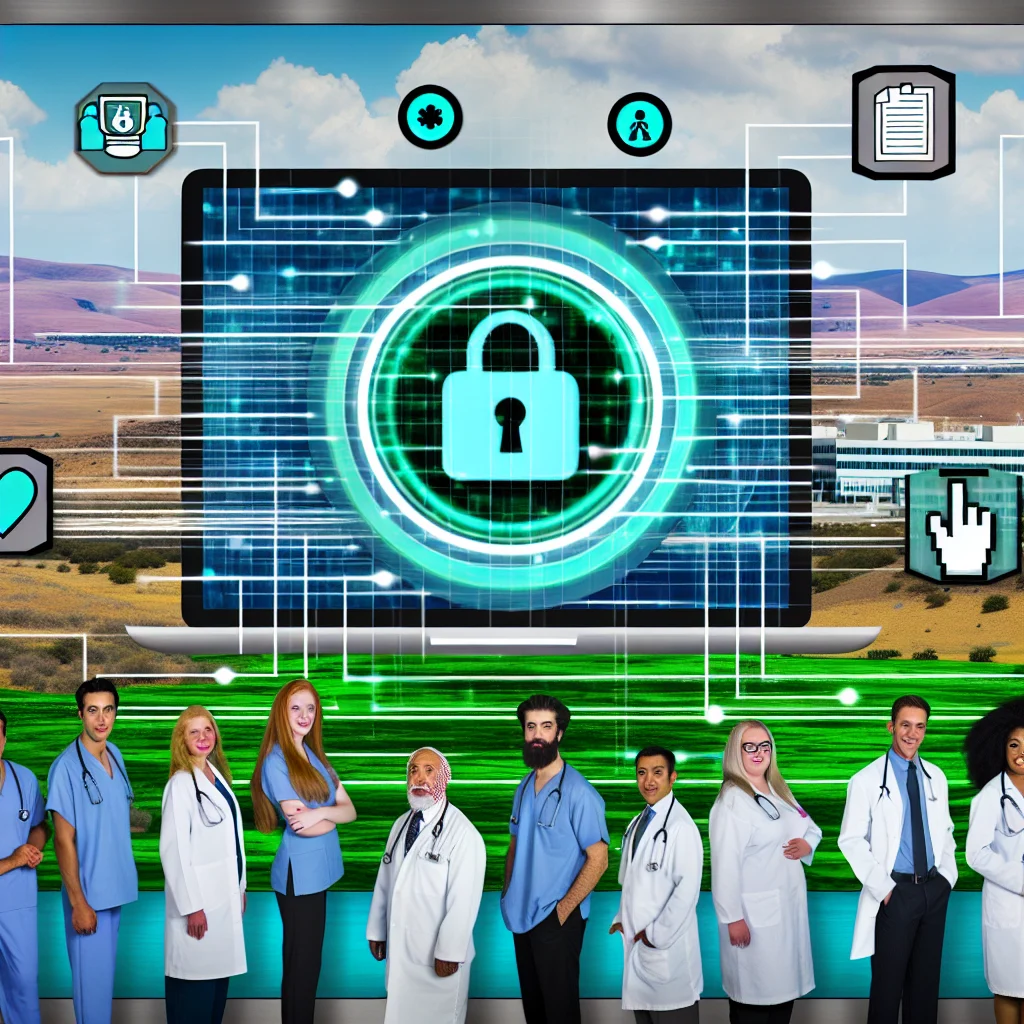
In the rapidly evolving landscape of modern healthcare, the integration of information technology has become indispensable. Among the various technological advancements, clinical support systems stand out as pivotal components that enhance the efficiency and effectiveness of healthcare delivery. These systems, designed to assist healthcare professionals in decision-making processes, have transformed the way patient care is administered, ensuring that it is both evidence-based and patient-centered.
Clinical support systems, often referred to as clinical decision support systems (CDSS), are sophisticated tools that provide healthcare practitioners with knowledge and person-specific information, intelligently filtered and presented at appropriate times. This functionality aids in making informed clinical decisions, thereby improving patient outcomes. The integration of these systems into healthcare IT infrastructure is not merely a technological upgrade but a fundamental shift towards a more data-driven approach to medicine.
One of the primary roles of clinical support systems is to reduce the incidence of medical errors. By providing real-time access to patient data and evidence-based guidelines, these systems help clinicians avoid potential pitfalls in diagnosis and treatment. For instance, CDSS can alert physicians to potential drug interactions, allergies, or deviations from standard treatment protocols, thereby minimizing the risk of adverse events. This capability is particularly crucial in high-pressure environments such as emergency rooms, where time is of the essence and the margin for error is slim.
Moreover, clinical support systems facilitate the standardization of care across different healthcare settings. By ensuring that all practitioners have access to the same evidence-based guidelines, these systems promote consistency in treatment approaches, which is essential for maintaining high-quality care. This standardization is particularly beneficial in large healthcare organizations where multiple practitioners may be involved in a single patient’s care. It ensures that all team members are on the same page, thereby enhancing coordination and communication.
In addition to improving patient safety and standardizing care, clinical support systems also play a significant role in enhancing operational efficiency. By automating routine tasks such as order entry and documentation, these systems free up valuable time for healthcare professionals, allowing them to focus more on direct patient care. Furthermore, the data collected and analyzed by CDSS can provide insights into workflow bottlenecks and resource utilization, enabling healthcare organizations to optimize their operations and reduce costs.
Despite their numerous benefits, the implementation of clinical support systems is not without challenges. One of the primary concerns is the potential for information overload, where clinicians may be bombarded with excessive alerts and recommendations, leading to alert fatigue. To mitigate this issue, it is crucial to design systems that prioritize and filter information effectively, ensuring that only the most relevant alerts are presented to the user. Additionally, the integration of these systems into existing IT infrastructure requires careful planning and collaboration among various stakeholders, including IT professionals, clinicians, and administrators.
In conclusion, clinical support systems are integral to the advancement of modern healthcare IT. By enhancing decision-making, improving patient safety, standardizing care, and increasing operational efficiency, these systems contribute significantly to the overall quality of healthcare delivery. As technology continues to evolve, it is imperative for healthcare organizations to embrace these tools and address the associated challenges to fully realize their potential. Through thoughtful implementation and continuous refinement, clinical support systems will undoubtedly play a crucial role in shaping the future of healthcare.
Emerging Health IT Trends: Transforming Patient Care
In recent years, the healthcare industry has witnessed a significant transformation driven by the rapid advancement of information technology. This evolution is reshaping patient care, making it more efficient, personalized, and accessible. As healthcare systems continue to integrate cutting-edge technologies, several emerging trends are poised to redefine the landscape of patient care. Understanding these trends is crucial for healthcare professionals, policymakers, and patients alike, as they hold the potential to improve outcomes and streamline operations.
One of the most prominent trends in healthcare IT is the increasing adoption of telemedicine. Telemedicine leverages digital communication tools to provide remote clinical services, thereby expanding access to healthcare, especially in underserved areas. This technology not only reduces the need for physical visits but also allows for real-time consultations, making healthcare more convenient for patients. Moreover, telemedicine has proven invaluable during public health emergencies, such as the COVID-19 pandemic, by minimizing the risk of infection while ensuring continuity of care.
In addition to telemedicine, the integration of artificial intelligence (AI) into healthcare systems is revolutionizing patient care. AI algorithms are being employed to analyze vast amounts of medical data, aiding in early diagnosis and personalized treatment plans. For instance, AI can identify patterns in medical images that may be imperceptible to the human eye, thus enhancing diagnostic accuracy. Furthermore, AI-driven predictive analytics can forecast patient outcomes, enabling healthcare providers to intervene proactively and tailor interventions to individual needs.
Another transformative trend is the rise of wearable health technology. Devices such as smartwatches and fitness trackers are increasingly being used to monitor vital signs and track health metrics in real-time. These wearables empower patients to take charge of their health by providing insights into their daily activities and overall well-being. Additionally, the data collected by these devices can be shared with healthcare providers, facilitating more informed decision-making and fostering a collaborative approach to patient care.
The implementation of electronic health records (EHRs) is also playing a pivotal role in transforming patient care. EHRs consolidate patient information into a single, accessible digital format, improving the efficiency and accuracy of medical record-keeping. This seamless access to patient data enhances coordination among healthcare providers, reduces the likelihood of medical errors, and streamlines administrative processes. As a result, EHRs contribute to a more cohesive and patient-centered healthcare experience.
Moreover, the growing emphasis on data security and privacy is shaping the future of healthcare IT. With the increasing digitization of health information, safeguarding patient data has become paramount. Healthcare systems are investing in robust cybersecurity measures to protect sensitive information from breaches and unauthorized access. This focus on data security not only ensures compliance with regulations but also builds trust between patients and healthcare providers, which is essential for the successful adoption of digital health solutions.
In conclusion, the integration of information technology into healthcare systems is ushering in a new era of patient care. Telemedicine, artificial intelligence, wearable technology, electronic health records, and data security are among the key trends driving this transformation. As these technologies continue to evolve, they promise to enhance the quality, accessibility, and efficiency of healthcare services. By staying informed about these emerging trends, stakeholders in the healthcare industry can better navigate the challenges and opportunities presented by this digital revolution, ultimately leading to improved patient outcomes and a more sustainable healthcare system.
Tech Integration in Healthcare: Bridging Systems for Better Outcomes
In the rapidly evolving landscape of healthcare, the integration of technology has become a pivotal factor in enhancing patient outcomes and streamlining operations. As healthcare systems strive to meet the increasing demands of patient care, the role of information technology in bridging disparate systems has never been more crucial. The seamless integration of healthcare IT systems not only improves efficiency but also ensures that healthcare providers can deliver high-quality care with greater precision and speed.
One of the primary challenges in healthcare IT integration is the fragmentation of systems. Many healthcare organizations operate with a patchwork of legacy systems that do not communicate effectively with one another. This lack of interoperability can lead to inefficiencies, such as redundant tests and procedures, which not only increase costs but also delay patient care. To address this issue, healthcare providers are increasingly turning to integrated platforms that facilitate the exchange of information across different systems. By adopting standardized protocols and leveraging cloud-based solutions, healthcare organizations can create a more cohesive IT environment that supports seamless data sharing.
Moreover, the integration of electronic health records (EHRs) has been a significant step forward in bridging healthcare systems. EHRs provide a comprehensive view of a patient’s medical history, enabling healthcare providers to make informed decisions quickly. The ability to access and update patient information in real-time reduces the likelihood of errors and enhances the coordination of care among different providers. Furthermore, EHRs facilitate the implementation of evidence-based practices by providing clinicians with access to the latest research and treatment guidelines.
In addition to EHRs, the integration of telemedicine platforms has revolutionized the way healthcare is delivered. Telemedicine allows patients to receive care remotely, breaking down geographical barriers and increasing access to healthcare services. This is particularly beneficial for patients in rural or underserved areas who may have limited access to healthcare facilities. By integrating telemedicine with existing healthcare systems, providers can offer a more flexible and patient-centered approach to care, ultimately leading to better health outcomes.
Another critical aspect of healthcare IT integration is the use of data analytics. By harnessing the power of big data, healthcare organizations can gain valuable insights into patient populations, identify trends, and predict potential health risks. This data-driven approach enables providers to implement preventive measures and tailor interventions to meet the specific needs of their patients. Furthermore, data analytics can help healthcare organizations optimize their operations by identifying areas for improvement and streamlining processes.
While the benefits of healthcare IT integration are clear, it is important to acknowledge the challenges that come with it. Ensuring data security and patient privacy is paramount, as the increased exchange of information can make healthcare systems more vulnerable to cyber threats. Healthcare organizations must invest in robust security measures and comply with regulations to protect sensitive patient data. Additionally, the successful integration of healthcare IT systems requires collaboration among stakeholders, including healthcare providers, IT professionals, and policymakers. By working together, these groups can develop solutions that address the unique needs of the healthcare industry.
In conclusion, the integration of technology in healthcare systems is essential for improving patient outcomes and operational efficiency. By bridging disparate systems and leveraging innovations such as EHRs, telemedicine, and data analytics, healthcare organizations can deliver more effective and patient-centered care. As the healthcare landscape continues to evolve, the ongoing collaboration and commitment to IT integration will be key to achieving better health outcomes for all.
Discover the latest in Healthcare IT Insights and transform your healthcare systems today! Learn more.