EHR Optimization: Enhancing Healthcare Systems Through Modern IT Strategies
In the rapidly evolving landscape of healthcare, the integration of modern IT strategies into healthcare systems has become a pivotal factor in enhancing the efficiency and effectiveness of patient care. Among the various components of healthcare IT, Electronic Health Records (EHR) stand out as a cornerstone, offering a digital solution to the traditional paper-based patient records. The optimization of EHR systems is crucial, as it not only streamlines the management of patient information but also significantly contributes to improved healthcare delivery. By leveraging advanced IT strategies, healthcare providers can enhance the functionality of EHR systems, thereby facilitating better patient outcomes and operational efficiency.
To begin with, the optimization of EHR systems involves the implementation of user-friendly interfaces that cater to the needs of healthcare professionals. A well-designed interface can reduce the time clinicians spend on data entry, allowing them to focus more on patient care. This is achieved through intuitive design elements and customizable features that align with the specific workflows of different medical specialties. Moreover, the integration of voice recognition technology and natural language processing can further streamline data entry processes, minimizing the risk of errors and enhancing the accuracy of patient records.
In addition to improving user interfaces, modern IT strategies emphasize the importance of interoperability in EHR systems. Interoperability ensures that different healthcare systems can communicate and exchange information seamlessly. This capability is vital for providing comprehensive care, as it allows healthcare providers to access a complete view of a patient’s medical history, regardless of where the data was originally recorded. By adopting standardized data formats and protocols, healthcare organizations can facilitate the seamless exchange of information across various platforms, thereby enhancing the continuity of care and reducing the likelihood of redundant tests and procedures.
Furthermore, the integration of advanced data analytics into EHR systems represents another significant aspect of optimization. By harnessing the power of big data, healthcare providers can gain valuable insights into patient populations, identify trends, and predict potential health risks. This proactive approach enables clinicians to implement preventive measures and tailor treatment plans to individual patients, ultimately improving health outcomes. Additionally, data analytics can aid in resource allocation and operational decision-making, ensuring that healthcare facilities operate efficiently and effectively.
Security and privacy are also paramount in the optimization of EHR systems. With the increasing digitization of patient records, safeguarding sensitive information from cyber threats is a top priority. Modern IT strategies involve the implementation of robust security measures, such as encryption, multi-factor authentication, and regular security audits, to protect patient data. Ensuring compliance with regulations such as the Health Insurance Portability and Accountability Act (HIPAA) is essential to maintaining patient trust and avoiding legal repercussions.
Finally, continuous training and support for healthcare professionals are integral to the successful optimization of EHR systems. As technology evolves, ongoing education ensures that clinicians remain adept at using new features and functionalities. Providing comprehensive training programs and readily available technical support can alleviate the challenges associated with transitioning to optimized EHR systems, thereby fostering a smoother adoption process.
In conclusion, the optimization of EHR systems through modern IT strategies is a multifaceted endeavor that holds the potential to transform healthcare delivery. By focusing on user-friendly interfaces, interoperability, data analytics, security, and continuous training, healthcare organizations can enhance the efficiency and effectiveness of their services. As the healthcare industry continues to embrace technological advancements, the strategic optimization of EHR systems will undoubtedly play a crucial role in shaping the future of patient care.
Ensuring HIPAA Compliance in the Age of Advanced Health IT Trends
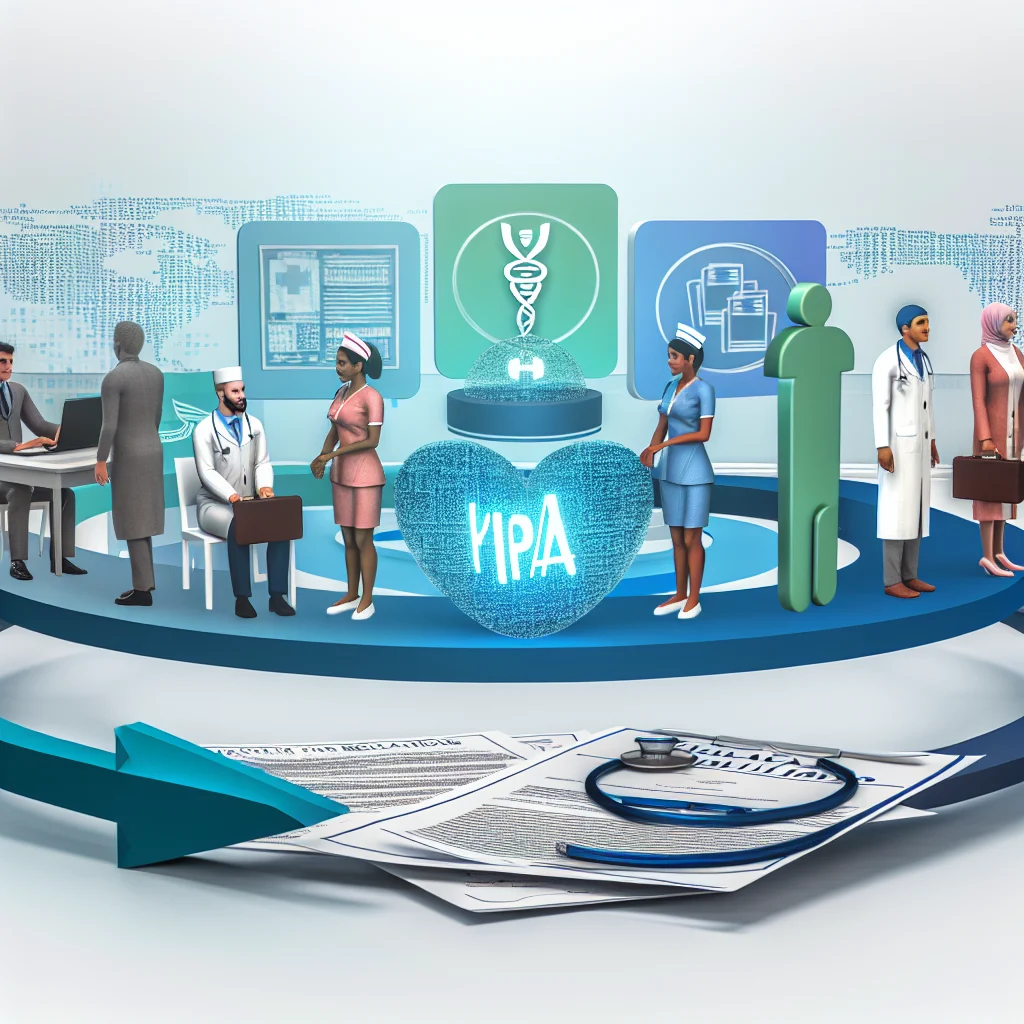
In the rapidly evolving landscape of healthcare information technology, ensuring compliance with the Health Insurance Portability and Accountability Act (HIPAA) remains a critical concern for healthcare providers and organizations. As advanced health IT trends continue to reshape the industry, the challenge of maintaining HIPAA compliance becomes increasingly complex. This complexity arises from the integration of innovative technologies such as electronic health records (EHRs), telemedicine, and cloud computing, which, while enhancing healthcare delivery, also introduce new vulnerabilities and risks to patient data privacy and security.
To begin with, the adoption of electronic health records has revolutionized the way patient information is stored and accessed. EHRs facilitate seamless sharing of patient data among healthcare providers, improving the quality of care and reducing medical errors. However, this digital transformation also necessitates stringent measures to protect sensitive health information from unauthorized access and breaches. Healthcare organizations must implement robust encryption protocols and access controls to safeguard EHRs, ensuring that only authorized personnel can access patient data. Additionally, regular audits and monitoring of access logs are essential to detect and respond to any suspicious activities promptly.
Moreover, the rise of telemedicine has expanded the reach of healthcare services, allowing patients to receive care remotely. While telemedicine offers numerous benefits, such as increased accessibility and convenience, it also presents unique challenges in maintaining HIPAA compliance. Secure communication channels must be established to protect patient information during virtual consultations. This includes using end-to-end encryption for video calls and ensuring that any data transmitted over the internet is adequately protected. Furthermore, healthcare providers must educate patients about the importance of using secure networks and devices during telemedicine sessions to prevent potential data breaches.
In addition to EHRs and telemedicine, the integration of cloud computing in healthcare has become increasingly prevalent. Cloud solutions offer scalable storage and processing capabilities, enabling healthcare organizations to manage vast amounts of data efficiently. However, entrusting patient data to third-party cloud service providers requires careful consideration of compliance requirements. Healthcare organizations must conduct thorough due diligence when selecting cloud vendors, ensuring that they adhere to HIPAA regulations and implement robust security measures. Establishing clear contractual agreements that outline the responsibilities of both parties in protecting patient data is crucial to maintaining compliance.
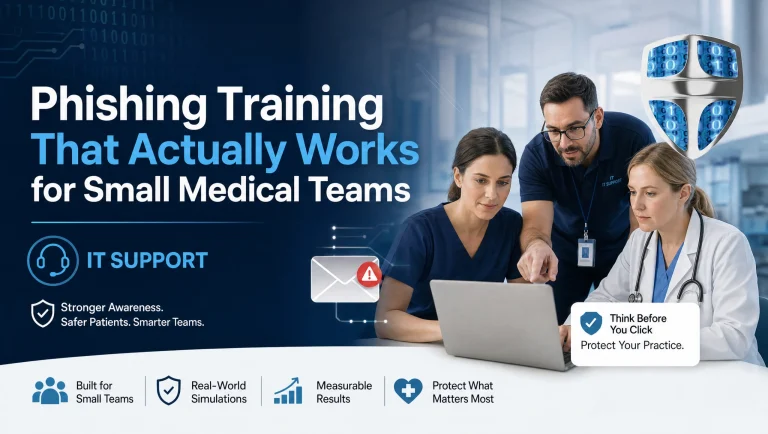
Furthermore, as healthcare IT systems become more interconnected, the risk of cyberattacks targeting sensitive health information increases. Cybersecurity threats such as ransomware and phishing attacks pose significant risks to patient data privacy. To mitigate these threats, healthcare organizations must adopt a proactive approach to cybersecurity, implementing comprehensive risk management strategies. This includes conducting regular vulnerability assessments, updating software and systems promptly, and providing ongoing training to staff on recognizing and responding to potential cyber threats.
In conclusion, ensuring HIPAA compliance in the age of advanced health IT trends requires a multifaceted approach that addresses the unique challenges posed by emerging technologies. Healthcare organizations must prioritize data privacy and security by implementing robust technical safeguards, conducting regular audits, and fostering a culture of compliance among staff. By staying informed about evolving threats and continuously adapting their strategies, healthcare providers can protect patient information while leveraging the benefits of modern health IT solutions. Ultimately, maintaining HIPAA compliance is not only a legal obligation but also a fundamental component of building trust with patients and ensuring the integrity of the healthcare system.
Tech Integration in Healthcare: Bridging Clinical Support and Medical Data
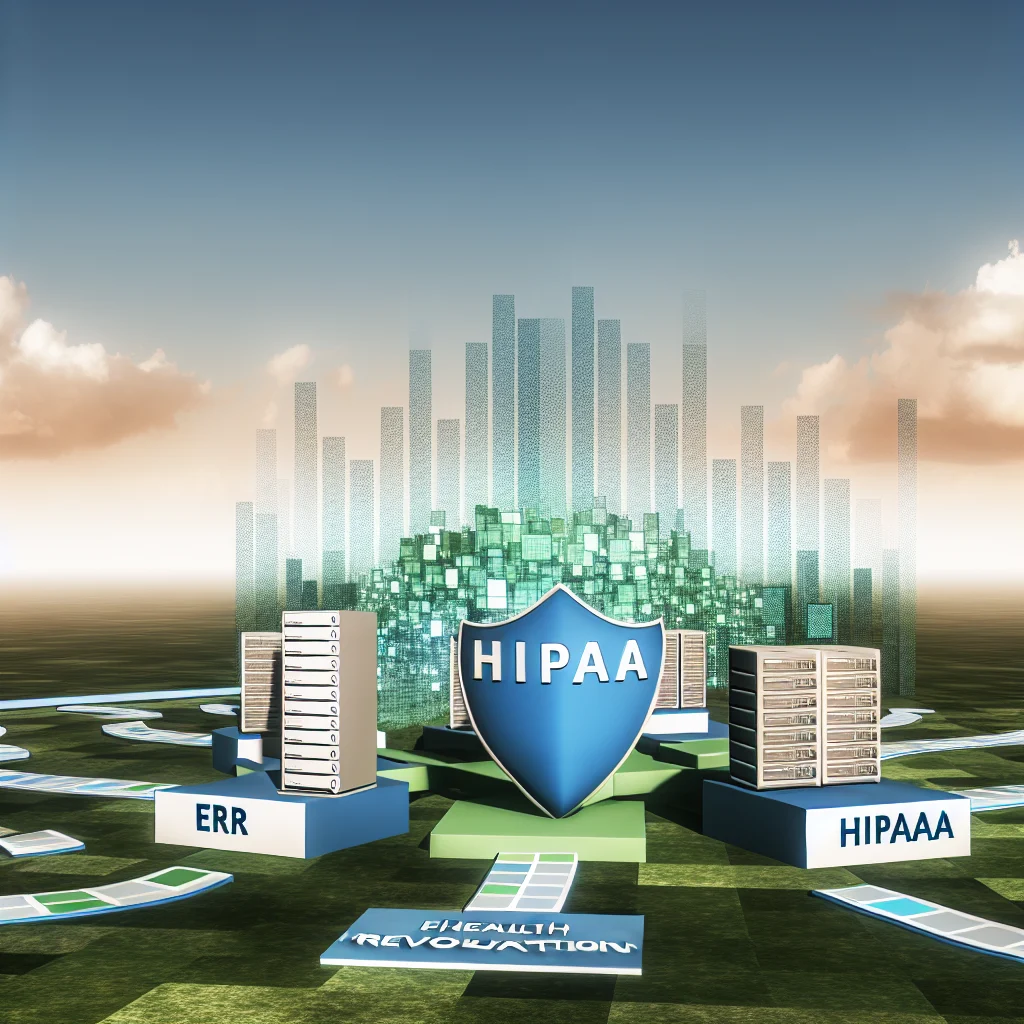
In the rapidly evolving landscape of healthcare, the integration of modern information technology strategies has become a pivotal component in enhancing clinical support and managing medical data. As healthcare systems strive to improve patient outcomes and operational efficiency, the seamless incorporation of IT solutions is increasingly recognized as a critical factor. This integration not only facilitates better communication among healthcare providers but also ensures that patient data is managed securely and efficiently, ultimately leading to improved patient care.
One of the primary benefits of integrating IT into healthcare systems is the enhancement of clinical support. Advanced IT solutions, such as electronic health records (EHRs) and clinical decision support systems (CDSS), provide healthcare professionals with real-time access to patient information. This access enables more informed decision-making, reducing the likelihood of errors and improving the quality of care. For instance, EHRs allow for the comprehensive documentation of patient histories, treatments, and outcomes, which can be easily shared among different healthcare providers. This sharing of information ensures continuity of care, particularly for patients with chronic conditions who require ongoing management by multiple specialists.
Moreover, the integration of IT in healthcare facilitates the efficient management of medical data. With the increasing volume of data generated by healthcare systems, traditional methods of data management are no longer sufficient. Modern IT strategies employ sophisticated data analytics tools that can process vast amounts of information quickly and accurately. These tools enable healthcare providers to identify trends, predict outcomes, and tailor treatments to individual patients, thereby enhancing personalized medicine. Additionally, the use of cloud-based storage solutions ensures that medical data is not only accessible but also secure, protecting patient privacy and complying with regulatory requirements.
Transitioning to a more IT-driven approach in healthcare also involves addressing several challenges. One significant concern is the interoperability of different IT systems. Healthcare providers often use a variety of software and platforms, which can lead to compatibility issues. To overcome this, there is a growing emphasis on developing standardized protocols and interfaces that allow different systems to communicate effectively. This interoperability is crucial for ensuring that patient data can be seamlessly shared across different healthcare settings, thereby improving coordination and reducing duplication of efforts.
Furthermore, the integration of IT in healthcare necessitates a focus on cybersecurity. As healthcare systems become more reliant on digital solutions, they become more vulnerable to cyber threats. Protecting sensitive patient information from unauthorized access and breaches is paramount. Consequently, healthcare organizations are investing in robust cybersecurity measures, including encryption, multi-factor authentication, and regular security audits, to safeguard their IT infrastructure.
In conclusion, the integration of modern IT strategies into healthcare systems is essential for bridging clinical support and medical data management. By enhancing access to patient information, improving data management, and addressing interoperability and cybersecurity challenges, healthcare providers can deliver more efficient and effective care. As technology continues to advance, the potential for further improvements in healthcare IT integration is vast, promising a future where patient care is not only more personalized but also more secure and efficient. This ongoing evolution underscores the importance of continued investment in IT solutions as a means to achieve better health outcomes and operational excellence in the healthcare sector.
The Future of Healthcare Systems: Leveraging Health IT Trends for Better Outcomes
The future of healthcare systems is intricately linked to the evolution of health information technology (IT), which is poised to transform patient care and operational efficiency. As healthcare providers strive to improve outcomes, leveraging emerging health IT trends becomes imperative. The integration of advanced technologies such as artificial intelligence (AI), telemedicine, and blockchain is reshaping the landscape, offering unprecedented opportunities to enhance patient experiences and streamline healthcare delivery.
Artificial intelligence stands at the forefront of this transformation, offering capabilities that extend beyond traditional data analysis. AI algorithms can process vast amounts of data with remarkable speed and accuracy, enabling healthcare professionals to make informed decisions swiftly. For instance, AI-driven diagnostic tools can analyze medical images, such as X-rays and MRIs, with a precision that rivals human experts. This not only accelerates the diagnostic process but also reduces the likelihood of human error, ultimately leading to better patient outcomes. Furthermore, AI can predict patient deterioration by analyzing electronic health records (EHRs), allowing for timely interventions and potentially saving lives.
In tandem with AI, telemedicine has emerged as a vital component of modern healthcare systems. The COVID-19 pandemic accelerated its adoption, highlighting its potential to provide accessible and convenient care. Telemedicine breaks down geographical barriers, enabling patients to consult with healthcare providers from the comfort of their homes. This is particularly beneficial for individuals in remote areas or those with mobility challenges. Moreover, telemedicine reduces the burden on healthcare facilities, freeing up resources for critical cases. As technology continues to advance, the integration of virtual reality and augmented reality into telemedicine platforms promises to further enhance the quality of remote consultations.
Blockchain technology, though often associated with cryptocurrencies, holds significant promise for healthcare systems. Its decentralized and secure nature makes it an ideal solution for managing sensitive patient data. Blockchain can ensure the integrity and confidentiality of medical records, reducing the risk of data breaches and unauthorized access. Additionally, it facilitates seamless data sharing among healthcare providers, fostering collaboration and improving care coordination. By providing patients with greater control over their health information, blockchain empowers individuals to make informed decisions about their care.
While these technologies offer immense potential, their successful implementation requires careful consideration of several factors. Interoperability remains a critical challenge, as healthcare systems often rely on disparate IT infrastructures. Ensuring that these systems can communicate effectively is essential for realizing the full benefits of health IT. Moreover, addressing privacy and security concerns is paramount, as the digitization of healthcare data increases the risk of cyber threats. Robust cybersecurity measures must be in place to safeguard patient information and maintain trust in digital healthcare solutions.
In conclusion, the future of healthcare systems is inextricably linked to the strategic adoption of health IT trends. By harnessing the power of AI, telemedicine, and blockchain, healthcare providers can enhance patient outcomes, improve operational efficiency, and foster a more patient-centric approach to care. However, realizing these benefits requires a concerted effort to address interoperability challenges and ensure the security of digital health data. As the healthcare landscape continues to evolve, embracing these technologies will be crucial for delivering high-quality, accessible, and efficient care in the years to come.
Modern IT Strategies for Effective EHR Management and Clinical Support
In the rapidly evolving landscape of healthcare, the integration of modern IT strategies into Electronic Health Record (EHR) management and clinical support systems has become indispensable. As healthcare providers strive to enhance patient care and streamline operations, the adoption of advanced IT solutions is proving to be a pivotal factor in achieving these goals. The implementation of modern IT strategies in EHR management not only improves the efficiency of healthcare delivery but also ensures the security and accuracy of patient data, which is paramount in today’s digital age.
One of the primary benefits of modern IT strategies in EHR management is the enhancement of data interoperability. By leveraging cloud-based platforms and standardized data formats, healthcare systems can facilitate seamless data exchange between different providers and institutions. This interoperability ensures that patient information is readily accessible, regardless of where care is provided, thus enabling more coordinated and informed decision-making. Moreover, the use of Application Programming Interfaces (APIs) allows for the integration of third-party applications, which can further enhance the functionality of EHR systems by providing additional tools for data analysis and patient engagement.
In addition to interoperability, modern IT strategies emphasize the importance of data security and privacy. With the increasing prevalence of cyber threats, safeguarding patient information has become a top priority for healthcare organizations. Advanced encryption techniques, multi-factor authentication, and regular security audits are some of the measures being implemented to protect sensitive data from unauthorized access. Furthermore, compliance with regulations such as the Health Insurance Portability and Accountability Act (HIPAA) is essential to ensure that healthcare providers adhere to the highest standards of data protection.
Another critical aspect of modern IT strategies in EHR management is the use of artificial intelligence (AI) and machine learning. These technologies have the potential to revolutionize clinical support by providing predictive analytics and decision support tools. For instance, AI algorithms can analyze vast amounts of patient data to identify patterns and predict potential health risks, enabling healthcare providers to intervene proactively. Additionally, machine learning models can assist in diagnosing complex medical conditions by comparing patient data with a vast repository of medical knowledge, thus improving diagnostic accuracy and reducing the likelihood of human error.
Furthermore, the integration of telemedicine and remote monitoring technologies into EHR systems is transforming the way healthcare is delivered. By enabling virtual consultations and continuous patient monitoring, these technologies provide patients with greater access to care while reducing the burden on healthcare facilities. This shift towards more patient-centered care models is facilitated by modern IT strategies that ensure the seamless integration of telehealth services with existing EHR systems, thereby enhancing the overall patient experience.
In conclusion, the adoption of modern IT strategies in EHR management and clinical support is essential for healthcare systems aiming to improve patient outcomes and operational efficiency. By focusing on data interoperability, security, AI-driven analytics, and telemedicine integration, healthcare providers can harness the full potential of technology to deliver high-quality care. As the healthcare industry continues to evolve, the role of IT in shaping the future of healthcare delivery will undoubtedly become even more significant, underscoring the need for ongoing investment in innovative IT solutions.
Unlock the future of healthcare with cutting-edge IT strategies. Discover how modern technology is transforming healthcare systems. Dive into Healthcare IT Insights now! Learn more.