Enhancing Data Security: The Role Of DLP Systems In Modern IT Strategies
In the rapidly evolving landscape of information technology, safeguarding sensitive data has become a paramount concern for organizations across the globe. As cyber threats grow in sophistication and frequency, the need for robust data protection mechanisms has never been more critical. Data Loss Prevention (DLP) systems have emerged as a vital component in modern IT strategies, offering a comprehensive approach to securing sensitive information from unauthorized access and potential breaches. By integrating DLP systems into their IT infrastructure, organizations can effectively mitigate risks and enhance their overall data security posture.
DLP systems are designed to identify, monitor, and protect data in use, in motion, and at rest. This multifaceted approach ensures that sensitive information is safeguarded at every stage of its lifecycle. By employing advanced techniques such as content inspection and contextual analysis, DLP systems can detect and prevent unauthorized data transfers, whether they occur through email, cloud storage, or removable media. Consequently, organizations can maintain control over their data, ensuring compliance with regulatory requirements and protecting their intellectual property.
Moreover, the implementation of DLP systems aligns with the broader objectives of modern IT strategies, which prioritize data-centric security measures. As organizations increasingly adopt cloud-based solutions and remote work models, the traditional network perimeter has become less defined. In this context, DLP systems provide a critical layer of security by focusing on the data itself rather than solely on the network infrastructure. This shift towards data-centric security is essential for addressing the challenges posed by the modern digital environment, where data is constantly on the move and accessible from various endpoints.
In addition to their technical capabilities, DLP systems also play a crucial role in fostering a culture of security awareness within organizations. By providing visibility into data flows and potential vulnerabilities, DLP systems empower IT teams to educate employees about best practices for data handling and protection. This proactive approach not only reduces the likelihood of accidental data leaks but also enhances the overall security consciousness of the workforce. As a result, organizations can create a more resilient security posture that is better equipped to withstand the ever-evolving threat landscape.
Furthermore, the integration of DLP systems into modern IT strategies can lead to significant operational efficiencies. By automating the monitoring and enforcement of data protection policies, DLP systems reduce the burden on IT staff, allowing them to focus on more strategic initiatives. This automation also ensures consistent policy enforcement across the organization, minimizing the risk of human error and enhancing the overall effectiveness of data protection efforts. Consequently, organizations can achieve a higher level of security while optimizing their resource allocation.
In conclusion, the role of DLP systems in modern IT strategies is indispensable for enhancing data security. By providing comprehensive protection for sensitive information and aligning with data-centric security objectives, DLP systems address the unique challenges of the contemporary digital landscape. Moreover, they contribute to a culture of security awareness and operational efficiency, enabling organizations to safeguard their data assets effectively. As cyber threats continue to evolve, the integration of DLP systems into IT strategies will remain a critical component of any robust data protection framework, ensuring that organizations can navigate the complexities of the digital age with confidence.
Access Control And Encryption: Key Components Of Effective DLP Systems
In the rapidly evolving landscape of information technology, safeguarding sensitive data has become a paramount concern for organizations across the globe. As cyber threats grow in sophistication, the implementation of robust Data Loss Prevention (DLP) systems has emerged as a critical strategy for protecting valuable information assets. Central to the effectiveness of these systems are two key components: access control and encryption. Together, they form the backbone of a comprehensive DLP strategy, ensuring that data remains secure from unauthorized access and potential breaches.
Access control serves as the first line of defense in a DLP system, regulating who can view or use resources within an organization. By implementing stringent access control measures, organizations can limit data exposure to only those individuals who require it for their roles. This is achieved through a combination of authentication and authorization processes. Authentication verifies the identity of users, often through multi-factor authentication methods, while authorization determines the level of access granted to each user. By employing these mechanisms, organizations can significantly reduce the risk of insider threats and accidental data leaks, as access is restricted to a need-to-know basis.
In tandem with access control, encryption plays a crucial role in protecting data both at rest and in transit. Encryption transforms data into a coded format, rendering it unreadable to unauthorized users. This ensures that even if data is intercepted or accessed by malicious actors, it remains unintelligible without the appropriate decryption key. Modern encryption algorithms, such as Advanced Encryption Standard (AES), provide robust security by using complex keys that are virtually impossible to crack with current technology. By encrypting sensitive data, organizations can maintain confidentiality and integrity, even in the event of a security breach.
Moreover, the integration of access control and encryption within DLP systems is essential for compliance with various regulatory frameworks. Regulations such as the General Data Protection Regulation (GDPR) and the Health Insurance Portability and Accountability Act (HIPAA) mandate stringent data protection measures, including access restrictions and encryption. By adhering to these standards, organizations not only protect their data but also avoid potential legal repercussions and financial penalties associated with non-compliance.
As organizations continue to adopt cloud-based solutions and remote work models, the importance of access control and encryption in DLP systems becomes even more pronounced. Cloud environments, while offering scalability and flexibility, also present unique security challenges. Implementing access control measures in the cloud requires careful consideration of identity and access management (IAM) solutions, which can provide centralized control over user permissions across various platforms. Similarly, encrypting data stored in the cloud ensures that it remains secure, even when stored on third-party servers.
In conclusion, access control and encryption are indispensable components of effective DLP systems, providing a multi-layered approach to data security. By regulating access and safeguarding data through encryption, organizations can protect sensitive information from both internal and external threats. As the digital landscape continues to evolve, the integration of these components within modern IT strategies will remain a cornerstone of data protection efforts. Organizations that prioritize these measures will be better equipped to navigate the complexities of data security, ensuring the confidentiality, integrity, and availability of their information assets in an increasingly interconnected world.
Preventing Data Breaches: How DLP Systems Integrate With Compliance Tools
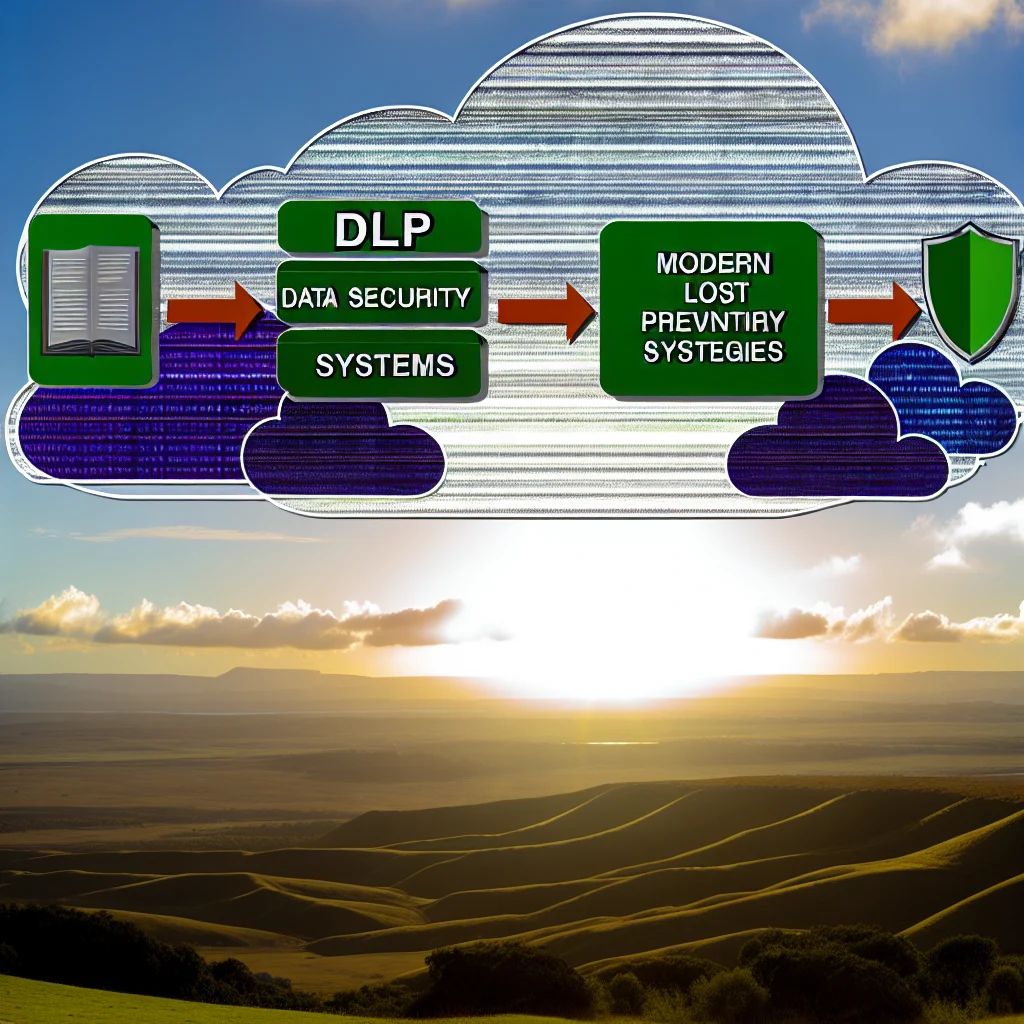
In the contemporary digital landscape, the integration of Data Loss Prevention (DLP) systems with compliance tools has become a pivotal strategy for organizations aiming to safeguard sensitive information and adhere to regulatory requirements. As data breaches continue to pose significant threats, businesses are increasingly recognizing the necessity of robust DLP systems to prevent unauthorized access and data exfiltration. These systems, when effectively integrated with compliance tools, not only enhance data security but also streamline the process of meeting various regulatory standards.
To begin with, DLP systems are designed to monitor, detect, and block the unauthorized transmission of sensitive data. They operate by identifying and classifying confidential information, ensuring that it remains within the organizational boundaries. This capability is crucial in preventing data breaches, which can lead to severe financial and reputational damage. However, the effectiveness of DLP systems is significantly amplified when they are integrated with compliance tools. Compliance tools are essential for organizations to ensure adherence to industry-specific regulations such as the General Data Protection Regulation (GDPR), the Health Insurance Portability and Accountability Act (HIPAA), and the Sarbanes-Oxley Act (SOX), among others.
The integration of DLP systems with compliance tools facilitates a comprehensive approach to data protection. By aligning DLP policies with regulatory requirements, organizations can automate the enforcement of compliance mandates. This integration ensures that any data handling practices that violate compliance standards are immediately flagged and addressed. Consequently, organizations can maintain a proactive stance in managing compliance risks, thereby reducing the likelihood of incurring penalties associated with non-compliance.
Moreover, the synergy between DLP systems and compliance tools enhances visibility into data flows within an organization. This visibility is crucial for identifying potential vulnerabilities and ensuring that data protection measures are consistently applied across all departments. By providing a unified view of data activities, integrated systems enable organizations to conduct thorough audits and generate detailed reports that demonstrate compliance with regulatory standards. These reports are invaluable during regulatory inspections, as they provide evidence of the organization’s commitment to data protection and compliance.
In addition to improving compliance, the integration of DLP systems with compliance tools supports the development of a security-conscious organizational culture. Employees become more aware of data protection policies and the importance of adhering to compliance standards. This awareness is fostered through regular training sessions and the implementation of user-friendly interfaces that guide employees in handling sensitive data appropriately. As a result, organizations can cultivate a workforce that is not only knowledgeable about data protection but also actively engaged in safeguarding sensitive information.
Furthermore, the integration of DLP systems with compliance tools can lead to cost savings for organizations. By automating compliance processes and reducing the risk of data breaches, organizations can avoid the financial repercussions associated with regulatory fines and data breach remediation efforts. Additionally, the streamlined processes resulting from this integration can lead to operational efficiencies, allowing organizations to allocate resources more effectively.
In conclusion, the integration of DLP systems with compliance tools is a strategic approach that offers numerous benefits for organizations seeking to prevent data breaches and ensure regulatory compliance. By enhancing data security, improving visibility, fostering a security-conscious culture, and achieving cost savings, this integration represents a critical component of modern IT strategies. As the digital landscape continues to evolve, organizations must remain vigilant in adopting and optimizing such integrated solutions to protect their most valuable asset: data.
Backup Strategies And DLP Systems: Ensuring Data Integrity And Availability
In the rapidly evolving landscape of information technology, safeguarding data integrity and ensuring its availability have become paramount concerns for organizations. As businesses increasingly rely on digital data to drive operations, the risk of data loss due to cyber threats, human error, or system failures has escalated. Consequently, implementing robust backup strategies and Data Loss Prevention (DLP) systems has become essential for maintaining data integrity and availability.
To begin with, backup strategies serve as the cornerstone of data protection. They involve creating copies of data that can be restored in the event of data loss. Traditional backup methods, such as full, incremental, and differential backups, have been the mainstay for many organizations. However, as data volumes grow and the need for rapid recovery intensifies, more advanced solutions like continuous data protection (CDP) and cloud-based backups are gaining traction. CDP, for instance, captures every change made to data in real-time, allowing organizations to restore data to any point in time. This capability is particularly beneficial in minimizing data loss and downtime, thereby ensuring business continuity.
In tandem with backup strategies, DLP systems play a crucial role in protecting sensitive information from unauthorized access and exfiltration. These systems are designed to monitor, detect, and prevent data breaches by enforcing policies that control data movement and usage. DLP solutions can be deployed at various levels, including network, endpoint, and cloud, to provide comprehensive coverage. By leveraging advanced technologies such as machine learning and artificial intelligence, modern DLP systems can identify patterns and anomalies that may indicate potential threats, thereby enabling proactive measures to safeguard data.
Moreover, the integration of backup strategies and DLP systems is vital for a holistic approach to data protection. While backups ensure data can be recovered in the event of loss, DLP systems prevent unauthorized access and leakage, thereby maintaining data integrity. This dual-layered approach not only enhances security but also aligns with regulatory compliance requirements, such as the General Data Protection Regulation (GDPR) and the Health Insurance Portability and Accountability Act (HIPAA), which mandate stringent data protection measures.
Furthermore, the adoption of cloud technologies has introduced new dimensions to backup and DLP strategies. Cloud-based solutions offer scalability, flexibility, and cost-effectiveness, making them attractive options for businesses of all sizes. Cloud backups, for instance, eliminate the need for physical storage infrastructure and provide seamless access to data from anywhere, facilitating remote work and collaboration. Similarly, cloud-based DLP solutions offer centralized management and real-time monitoring, enabling organizations to enforce data protection policies across diverse environments.
In addition to technological advancements, fostering a culture of data protection within organizations is equally important. This involves educating employees about the significance of data integrity and availability, as well as training them on best practices for data handling and security. By cultivating awareness and accountability, organizations can mitigate the risk of human error, which remains a leading cause of data breaches.
In conclusion, as the digital landscape continues to expand, the importance of robust backup strategies and DLP systems cannot be overstated. By integrating these solutions into modern IT strategies, organizations can ensure data integrity and availability, thereby safeguarding their most valuable asset—information. As technology evolves, staying abreast of emerging trends and continuously refining data protection measures will be crucial for organizations striving to maintain a competitive edge in an increasingly data-driven world.
Email Protection And DLP Systems: Safeguarding Sensitive Information In Communication
In today’s digital age, the protection of sensitive information has become a paramount concern for organizations across the globe. As businesses increasingly rely on electronic communication, particularly email, to conduct their operations, the risk of data breaches and unauthorized access to confidential information has escalated. Consequently, implementing robust Data Loss Prevention (DLP) systems has become an integral component of modern IT strategies, particularly in safeguarding sensitive information within email communications.
Email remains a primary vector for data breaches, as it is frequently targeted by cybercriminals seeking to exploit vulnerabilities. The inherent nature of email, which facilitates the rapid exchange of information, also makes it susceptible to accidental data leaks. Employees may inadvertently send sensitive data to unintended recipients or fall victim to phishing attacks, leading to significant security breaches. Therefore, organizations must adopt comprehensive DLP systems that not only detect and prevent unauthorized data transfers but also educate employees on best practices for secure communication.
DLP systems are designed to monitor, detect, and block the unauthorized transmission of sensitive data. By employing advanced algorithms and machine learning techniques, these systems can identify patterns and anomalies in email communications that may indicate a potential data breach. For instance, DLP solutions can scan email content and attachments for specific keywords, patterns, or data types, such as credit card numbers or social security numbers, that are deemed sensitive. When such data is detected, the system can automatically block the email from being sent or alert the IT security team for further investigation.
Moreover, DLP systems can be configured to enforce encryption policies, ensuring that sensitive information is protected during transmission. Encryption serves as a critical line of defense, rendering intercepted data unreadable to unauthorized parties. By integrating encryption protocols into email communication workflows, organizations can significantly reduce the risk of data exposure, even if emails are intercepted by malicious actors.
In addition to technological measures, fostering a culture of security awareness among employees is essential. Training programs that educate staff on recognizing phishing attempts, understanding the importance of data protection, and adhering to company policies can significantly enhance the effectiveness of DLP systems. Employees should be encouraged to verify the authenticity of email requests for sensitive information and to report suspicious activities promptly.
Furthermore, as remote work becomes increasingly prevalent, the need for robust email protection and DLP systems is more critical than ever. Remote work environments often lack the same level of security controls as traditional office settings, making them attractive targets for cybercriminals. Organizations must ensure that their DLP strategies extend to remote work scenarios, providing secure access to email systems and implementing multi-factor authentication to verify user identities.
In conclusion, safeguarding sensitive information in email communications is a multifaceted challenge that requires a combination of advanced technology and employee vigilance. By implementing comprehensive DLP systems and fostering a culture of security awareness, organizations can effectively mitigate the risks associated with email-based data breaches. As cyber threats continue to evolve, staying ahead of potential vulnerabilities through proactive measures and continuous education will be crucial in protecting sensitive information and maintaining the integrity of organizational communications.
Discover essential Data Loss Prevention Insights and modernize your IT strategies with our comprehensive guide. Don’t miss out—[click here](https://comptss.com) to explore now!