Ransomware Recovery: Effective Disaster Planning Strategies
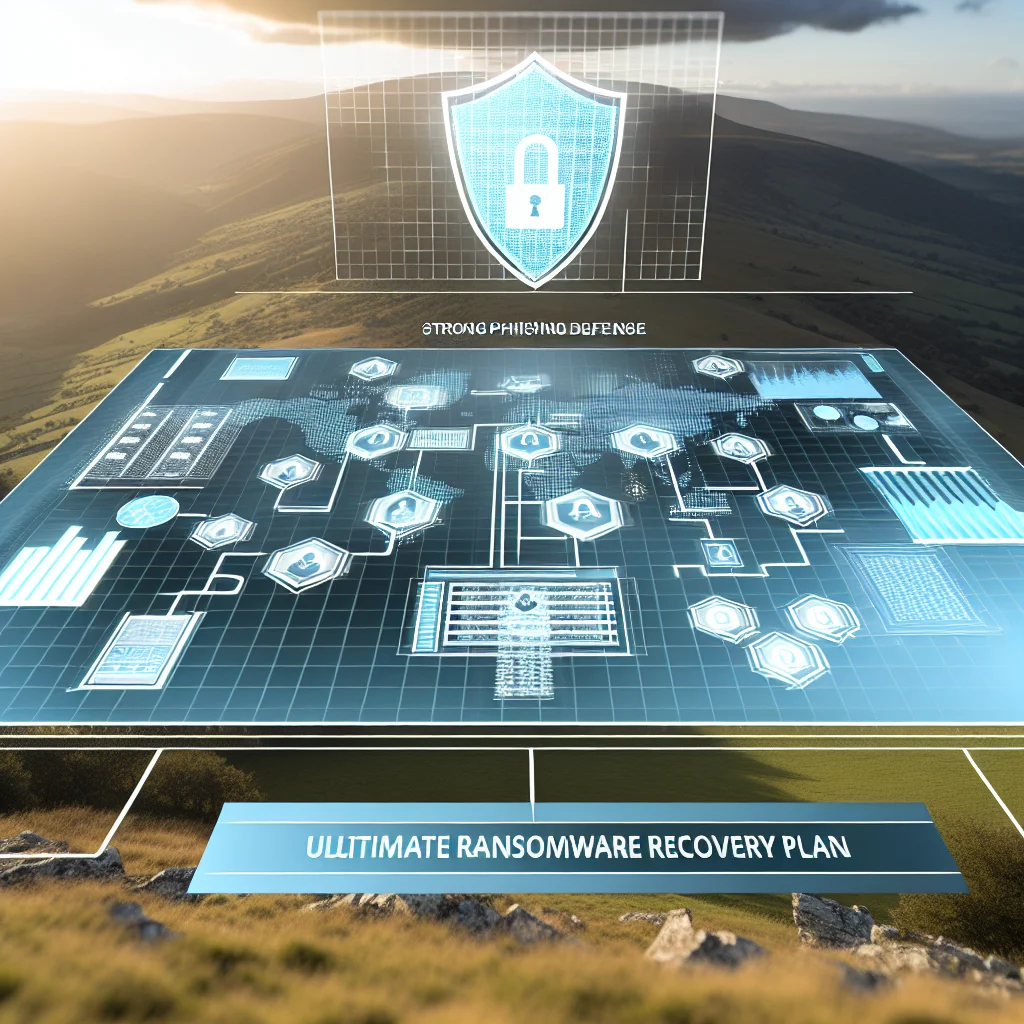
Ransomware attacks have emerged as one of the most formidable threats to modern organizations, necessitating robust disaster recovery strategies to mitigate their impact. As these cyber threats continue to evolve in complexity and frequency, businesses must prioritize the development of comprehensive recovery plans to ensure operational resilience. The cornerstone of an effective ransomware recovery strategy lies in meticulous disaster planning, which involves a multi-faceted approach encompassing prevention, response, and recovery.
To begin with, prevention is the first line of defense against ransomware attacks. Organizations must invest in advanced cybersecurity measures, such as firewalls, intrusion detection systems, and regular software updates, to reduce vulnerabilities. Employee training is equally crucial, as human error often serves as the entry point for ransomware. By fostering a culture of cybersecurity awareness, businesses can significantly diminish the likelihood of successful attacks. However, despite the best preventive measures, the possibility of a breach remains, underscoring the importance of a well-structured response plan.
In the event of a ransomware attack, a swift and coordinated response is vital to minimize damage. Organizations should establish an incident response team tasked with executing predefined protocols. This team should include IT professionals, legal advisors, and communication specialists who can manage both the technical and reputational aspects of the crisis. Immediate actions should focus on isolating affected systems to prevent further spread, followed by a thorough assessment to understand the scope and impact of the attack. Transparent communication with stakeholders, including employees, customers, and partners, is essential to maintain trust and manage expectations during the recovery process.
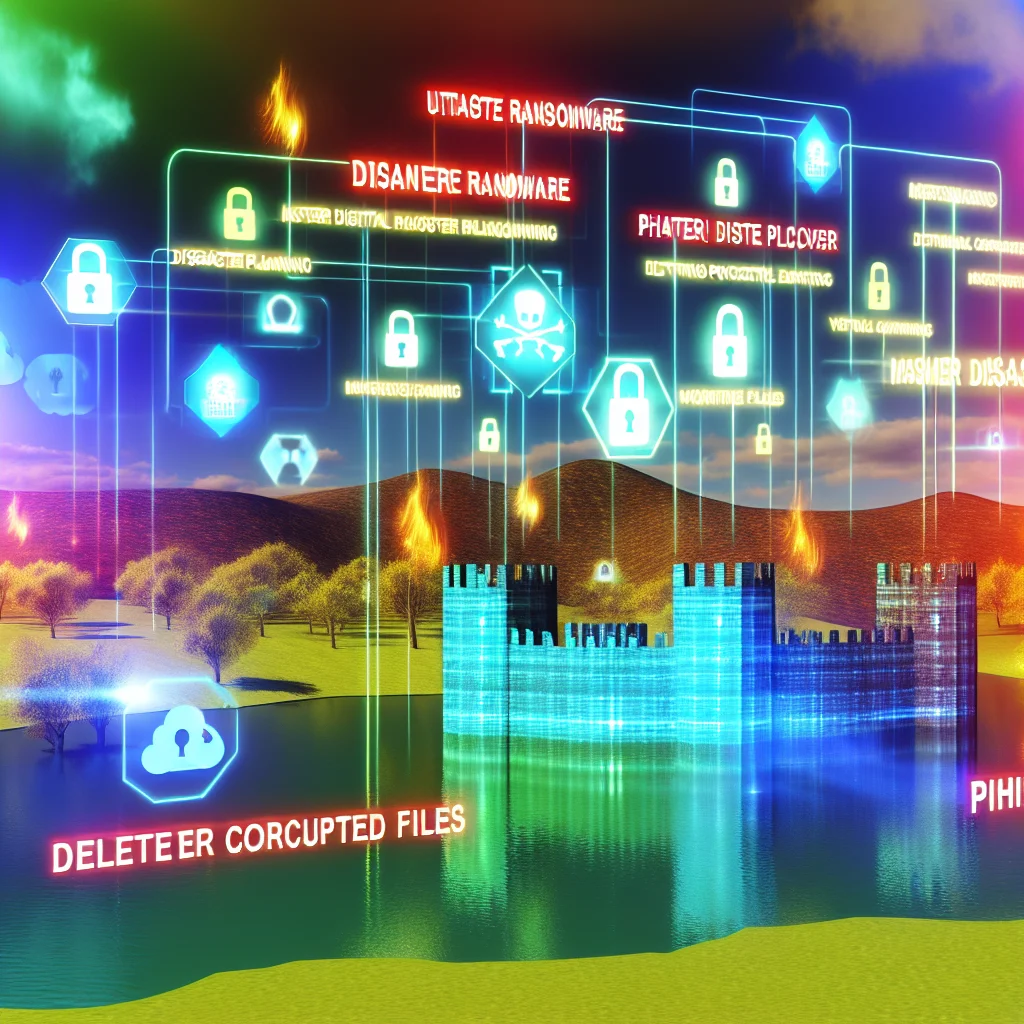
Transitioning from response to recovery, data backup and restoration play a pivotal role in resuming normal operations. Regularly updated and securely stored backups are indispensable, as they provide a clean slate from which systems can be restored. It is advisable to implement the 3-2-1 backup rule: maintaining three copies of data, on two different media, with one copy stored offsite. This approach ensures that even if local backups are compromised, an unaffected version remains accessible. Additionally, organizations should conduct regular testing of their backup systems to verify their integrity and reliability.
Moreover, modern IT strategies emphasize the importance of integrating cloud-based solutions into disaster recovery plans. Cloud services offer scalable and flexible options for data storage and recovery, enabling businesses to quickly restore operations without the need for extensive on-premises infrastructure. By leveraging cloud technology, organizations can enhance their resilience against ransomware attacks while optimizing costs and resources.
Furthermore, post-incident analysis is a critical component of ransomware recovery. After restoring operations, organizations should conduct a comprehensive review of the attack to identify vulnerabilities and areas for improvement. This analysis should inform updates to security protocols and disaster recovery plans, ensuring that lessons learned are incorporated into future strategies. Continuous improvement is essential in the ever-evolving landscape of cybersecurity threats.
In conclusion, effective disaster planning for ransomware recovery requires a holistic approach that encompasses prevention, response, and recovery. By investing in robust cybersecurity measures, establishing a coordinated response plan, and leveraging modern IT strategies such as cloud-based solutions, organizations can enhance their resilience against ransomware attacks. Ultimately, the ability to swiftly recover from such incidents not only safeguards business continuity but also reinforces stakeholder confidence in an organization’s commitment to security and reliability.
Enhancing Phishing Defense to Prevent Crypto Locker Attacks
In the ever-evolving landscape of cybersecurity threats, ransomware remains a formidable adversary, with crypto locker attacks posing significant risks to organizations worldwide. These attacks, which encrypt critical data and demand a ransom for its release, often originate from phishing schemes. Consequently, enhancing phishing defense mechanisms is paramount in preventing such malicious incursions. As organizations strive to fortify their defenses, understanding the intricacies of phishing attacks and implementing robust strategies becomes essential.
Phishing attacks, often the precursor to ransomware incidents, exploit human vulnerabilities by masquerading as legitimate communications. These deceptive tactics aim to trick individuals into divulging sensitive information or clicking on malicious links, thereby granting cybercriminals access to organizational networks. To counteract this, organizations must adopt a multi-faceted approach that combines technological solutions with employee education. By doing so, they can create a resilient defense system capable of thwarting phishing attempts before they escalate into crypto locker attacks.
One of the most effective strategies in enhancing phishing defense is the implementation of advanced email filtering systems. These systems utilize machine learning algorithms to identify and block suspicious emails before they reach the intended recipient. By analyzing patterns and characteristics of known phishing attempts, these filters can significantly reduce the likelihood of malicious emails infiltrating an organization’s network. However, while technology plays a crucial role, it is not infallible. Therefore, complementing these systems with regular updates and patches is vital to maintaining their efficacy against evolving threats.
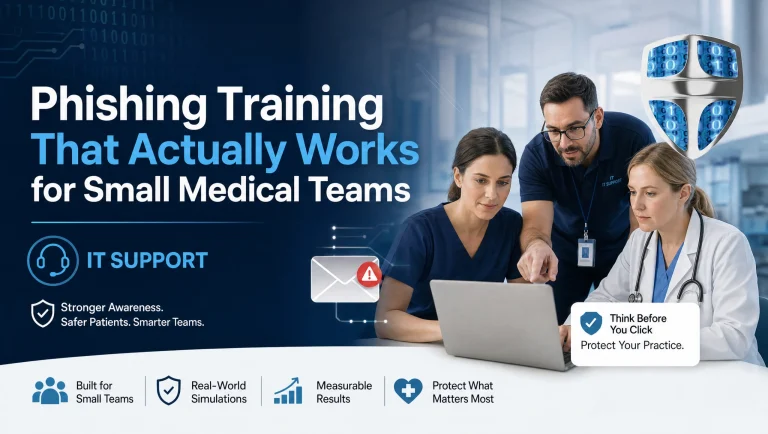
In addition to technological measures, fostering a culture of cybersecurity awareness among employees is indispensable. Regular training sessions and workshops can equip staff with the knowledge to recognize phishing attempts and respond appropriately. By simulating phishing attacks, organizations can assess their employees’ readiness and identify areas for improvement. This proactive approach not only enhances individual vigilance but also cultivates a collective responsibility towards safeguarding the organization’s digital assets.
Moreover, implementing a robust incident response plan is crucial in mitigating the impact of potential phishing-induced ransomware attacks. This plan should outline clear procedures for identifying, containing, and eradicating threats, as well as recovering affected systems. By conducting regular drills and updating the plan to reflect emerging threats, organizations can ensure a swift and coordinated response to any security breach. This preparedness not only minimizes downtime but also reduces the financial and reputational damage associated with ransomware incidents.
Furthermore, organizations should consider adopting a zero-trust security model, which operates on the principle of “never trust, always verify.” This approach requires continuous verification of user identities and device integrity, regardless of their location within the network. By implementing strict access controls and monitoring user activities, organizations can limit the lateral movement of cybercriminals within their systems, thereby reducing the risk of a successful ransomware attack.
In conclusion, as crypto locker attacks continue to pose significant threats to organizations, enhancing phishing defense mechanisms is a critical component of modern IT strategies. By integrating advanced technological solutions with comprehensive employee training and robust incident response plans, organizations can create a formidable defense against phishing attempts. Moreover, adopting a zero-trust security model further fortifies their defenses, ensuring that even if a phishing attack occurs, its impact is contained. Through these concerted efforts, organizations can safeguard their digital assets and maintain operational resilience in the face of evolving cyber threats.
The Role of Security Patches in Modern IT Strategies for Ransomware Defense
In the ever-evolving landscape of cybersecurity, ransomware has emerged as a formidable threat, challenging organizations to adopt robust defense mechanisms. Among the myriad strategies employed to combat this menace, the role of security patches stands out as a critical component in modern IT strategies for ransomware defense. As cybercriminals continuously refine their tactics, the importance of timely and effective patch management cannot be overstated.
Security patches are essentially updates provided by software vendors to address vulnerabilities within their products. These vulnerabilities, if left unaddressed, can serve as gateways for ransomware attacks, allowing malicious actors to infiltrate systems and encrypt valuable data. Consequently, the implementation of security patches is a fundamental aspect of maintaining the integrity and security of IT infrastructures. By regularly updating software and systems, organizations can significantly reduce their exposure to potential threats.
The process of patch management involves several key steps, beginning with the identification of vulnerabilities. This requires a comprehensive understanding of the organization’s IT environment, including all hardware and software components. Once vulnerabilities are identified, the next step is to prioritize them based on the level of risk they pose. High-risk vulnerabilities, which are more likely to be exploited by ransomware, should be addressed with urgency. This prioritization ensures that resources are allocated efficiently, focusing on the most critical areas first.
Following prioritization, the actual deployment of patches is a crucial phase. This involves testing patches in a controlled environment to ensure they do not disrupt existing systems or applications. Once tested, patches are deployed across the organization’s network. It is essential that this process is conducted systematically to avoid any potential downtime or operational disruptions. Moreover, organizations must maintain detailed records of all patches applied, creating an audit trail that can be invaluable in the event of a security incident.
In addition to the technical aspects of patch management, there is a strategic dimension that organizations must consider. This involves fostering a culture of security awareness among employees. Human error remains a significant factor in many ransomware incidents, often due to a lack of understanding of the importance of security updates. By educating staff about the role of security patches and encouraging proactive engagement with IT protocols, organizations can enhance their overall security posture.
Furthermore, the integration of automated tools into the patch management process can greatly enhance efficiency and effectiveness. Automation can streamline the identification, prioritization, and deployment of patches, reducing the burden on IT teams and minimizing the risk of human error. These tools can also provide real-time monitoring and reporting, offering valuable insights into the organization’s security status and helping to identify areas for improvement.
In conclusion, security patches are a vital element of modern IT strategies for ransomware defense. By addressing vulnerabilities promptly and systematically, organizations can protect themselves against the ever-present threat of ransomware. However, effective patch management requires a holistic approach, combining technical expertise with strategic planning and employee education. As cyber threats continue to evolve, so too must the strategies employed to defend against them, ensuring that organizations remain resilient in the face of adversity. Through diligent patch management and a commitment to cybersecurity best practices, organizations can safeguard their digital assets and maintain the trust of their stakeholders.
Incident Response Best Practices for Ransomware Recovery
In the ever-evolving landscape of cybersecurity threats, ransomware has emerged as a formidable adversary, challenging organizations to rethink their incident response strategies. As ransomware attacks become more sophisticated, the need for effective recovery strategies has never been more critical. Incident response best practices for ransomware recovery are essential for minimizing damage and ensuring a swift return to normal operations.
To begin with, preparation is the cornerstone of any effective incident response strategy. Organizations must develop comprehensive incident response plans that include specific protocols for ransomware attacks. These plans should be regularly updated and tested through simulated exercises to ensure that all team members are familiar with their roles and responsibilities. By doing so, organizations can identify potential weaknesses in their response strategies and address them proactively.
Moreover, a crucial aspect of preparation involves maintaining robust data backups. Regularly updated and securely stored backups can significantly reduce the impact of a ransomware attack. It is imperative that these backups are kept offline or in a separate network to prevent them from being compromised during an attack. In the event of a ransomware incident, having reliable backups allows organizations to restore their systems without succumbing to the demands of cybercriminals.
In addition to preparation, detection plays a vital role in incident response. Early detection of a ransomware attack can limit its spread and reduce the overall damage. Implementing advanced threat detection tools and continuously monitoring network activity can help identify suspicious behavior indicative of a ransomware attack. Once detected, it is essential to isolate affected systems immediately to prevent the malware from propagating further.
Following detection, containment is the next critical step. Organizations must act swiftly to contain the ransomware and prevent it from affecting additional systems. This may involve disconnecting infected devices from the network, disabling certain services, or even shutting down specific systems temporarily. The goal is to halt the attack’s progress and protect unaffected data and systems.
Once containment is achieved, eradication becomes the focus. This involves removing the ransomware from infected systems and ensuring that no remnants remain that could lead to a reinfection. Organizations should work closely with cybersecurity experts to thoroughly clean affected systems and verify that all traces of the malware have been eliminated.
After eradication, recovery efforts can commence. This phase involves restoring systems and data from backups, ensuring that all applications and services are fully operational. It is crucial to verify the integrity of restored data to prevent any corrupted files from re-entering the network. Additionally, organizations should take this opportunity to strengthen their security posture by addressing vulnerabilities that may have been exploited during the attack.
Finally, a post-incident review is essential for continuous improvement. Analyzing the incident response process allows organizations to identify areas for enhancement and refine their strategies for future incidents. This review should include a comprehensive assessment of what went well, what could be improved, and how similar incidents can be prevented in the future.
In conclusion, effective incident response best practices for ransomware recovery require a multifaceted approach that encompasses preparation, detection, containment, eradication, recovery, and review. By adopting these strategies, organizations can mitigate the impact of ransomware attacks and enhance their resilience against future threats. As the threat landscape continues to evolve, staying informed and proactive is paramount in safeguarding critical assets and ensuring business continuity.
Advanced Malware Detection Techniques in Ransomware Prevention
In the ever-evolving landscape of cybersecurity, ransomware has emerged as a formidable threat, necessitating advanced malware detection techniques to bolster ransomware prevention efforts. As organizations increasingly rely on digital infrastructures, the sophistication of ransomware attacks has grown, prompting the need for innovative strategies to detect and mitigate these threats effectively. Understanding the nuances of advanced malware detection techniques is crucial for organizations aiming to safeguard their data and maintain operational continuity.
To begin with, the integration of artificial intelligence (AI) and machine learning (ML) into cybersecurity frameworks has revolutionized the detection of ransomware. These technologies enable systems to analyze vast amounts of data in real-time, identifying patterns and anomalies that may indicate a ransomware attack. By leveraging AI and ML, organizations can enhance their ability to detect previously unknown threats, as these technologies can adapt and learn from new data, improving their accuracy over time. This proactive approach allows for the identification of ransomware before it can inflict significant damage, thereby reducing the potential impact on the organization.
Moreover, behavioral analysis has become a cornerstone of advanced malware detection techniques. Unlike traditional signature-based methods, which rely on known malware signatures, behavioral analysis focuses on the actions and behaviors of programs within a network. By monitoring for suspicious activities, such as unauthorized encryption of files or unusual network traffic, organizations can detect ransomware attacks in their early stages. This method is particularly effective against zero-day threats, which exploit vulnerabilities that have not yet been discovered or patched by software developers.
In addition to AI, ML, and behavioral analysis, the implementation of sandboxing techniques has proven to be an effective strategy in ransomware prevention. Sandboxing involves executing potentially malicious code in a controlled, isolated environment to observe its behavior without risking harm to the actual network. This technique allows cybersecurity professionals to analyze the characteristics of ransomware and develop appropriate countermeasures. By understanding how ransomware operates, organizations can devise strategies to neutralize threats before they infiltrate critical systems.
Furthermore, the adoption of threat intelligence platforms has become increasingly important in the fight against ransomware. These platforms aggregate data from various sources, providing organizations with comprehensive insights into emerging threats and attack vectors. By staying informed about the latest ransomware trends and tactics, organizations can adjust their security measures accordingly, ensuring they remain one step ahead of cybercriminals. Threat intelligence platforms also facilitate collaboration and information sharing among organizations, fostering a collective defense against ransomware attacks.
While advanced malware detection techniques are essential, it is equally important for organizations to implement robust backup and recovery strategies. Regularly backing up data ensures that, in the event of a ransomware attack, organizations can restore their systems to a pre-attack state, minimizing downtime and data loss. Additionally, conducting regular security audits and vulnerability assessments can help identify potential weaknesses in an organization’s defenses, allowing for timely remediation.
In conclusion, the integration of advanced malware detection techniques is paramount in the ongoing battle against ransomware. By leveraging AI, ML, behavioral analysis, sandboxing, and threat intelligence platforms, organizations can enhance their ability to detect and prevent ransomware attacks. Coupled with comprehensive backup and recovery strategies, these techniques form a formidable defense against the ever-present threat of ransomware, ensuring the security and resilience of modern IT infrastructures. As cyber threats continue to evolve, staying informed and adopting innovative detection methods will be crucial in safeguarding digital assets and maintaining business continuity.
Discover essential strategies for ransomware recovery and modern IT solutions. Enhance your cybersecurity defenses today! Learn more about Ransomware Insights.