The Future Of Digital Dentistry: Embracing Advanced Dental Technology
The realm of dentistry is undergoing a transformative evolution, driven by the rapid advancement of digital technology. As dental practices increasingly integrate these innovations, the future of digital dentistry promises to enhance patient care, streamline operations, and improve diagnostic accuracy. This shift towards embracing advanced dental technology is not merely a trend but a necessary progression to meet the growing demands of modern healthcare.
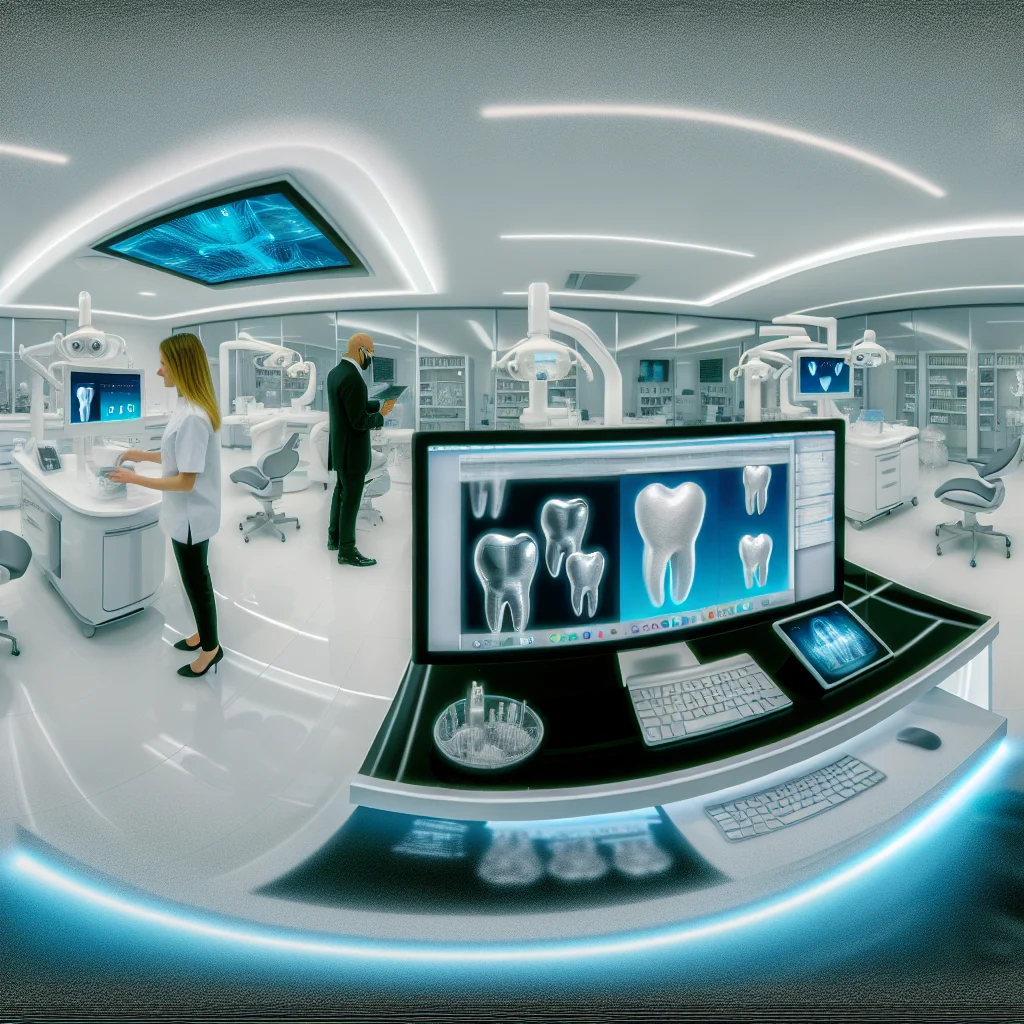
One of the most significant advancements in digital dentistry is the adoption of 3D imaging and printing technologies. These tools have revolutionized the way dental professionals approach diagnosis and treatment planning. With 3D imaging, dentists can obtain highly detailed views of a patient’s oral structures, allowing for more precise assessments and tailored treatment plans. This technology facilitates the creation of accurate dental models, which are essential for procedures such as orthodontics, implantology, and restorative dentistry. Moreover, 3D printing enables the production of custom dental appliances, such as crowns, bridges, and aligners, with remarkable speed and precision, reducing the time patients spend waiting for their dental solutions.
In addition to 3D technologies, the integration of computer-aided design and computer-aided manufacturing (CAD/CAM) systems has further streamlined dental procedures. These systems allow for the design and fabrication of dental restorations directly within the dental office, minimizing the need for external laboratories. As a result, patients benefit from reduced treatment times and fewer appointments, enhancing their overall experience. The precision offered by CAD/CAM systems also ensures that restorations fit more accurately, improving both function and aesthetics.
Another pivotal development in digital dentistry is the use of intraoral scanners. These devices capture detailed digital impressions of a patient’s teeth and gums, eliminating the need for traditional impression materials that can be uncomfortable and time-consuming. Intraoral scanners provide immediate feedback, allowing dentists to make real-time adjustments and ensure optimal results. This technology not only enhances patient comfort but also increases the efficiency and accuracy of dental procedures.
Furthermore, the advent of artificial intelligence (AI) in dentistry is poised to revolutionize diagnostic processes. AI algorithms can analyze vast amounts of data to identify patterns and anomalies that may be overlooked by the human eye. This capability is particularly beneficial in the early detection of oral diseases, such as cavities and periodontal issues, enabling timely intervention and improved patient outcomes. As AI continues to evolve, its applications in dentistry are expected to expand, offering even greater diagnostic precision and personalized treatment options.
Tele-dentistry is another emerging trend that exemplifies the future of digital dentistry. By leveraging digital communication tools, dental professionals can provide remote consultations and follow-up care, increasing accessibility for patients who may face geographical or mobility challenges. This approach not only broadens the reach of dental services but also fosters a more proactive approach to oral health management.
In conclusion, the future of digital dentistry is characterized by the integration of advanced technologies that enhance the quality and efficiency of dental care. As dental practices continue to embrace these innovations, they are better equipped to meet the evolving needs of their patients. The ongoing development and adoption of digital tools in dentistry underscore the commitment to improving patient outcomes and advancing the field as a whole. As we look ahead, it is clear that digital dentistry will play a pivotal role in shaping the future of oral healthcare, offering unprecedented opportunities for both practitioners and patients alike.
Enhancing Practice Efficiency With Cutting-Edge Dental Software
In the rapidly evolving landscape of dental technology, the integration of cutting-edge dental software has become a pivotal factor in enhancing practice efficiency. As dental practices strive to provide superior patient care while optimizing operational workflows, the adoption of advanced software solutions is proving indispensable. These technological advancements are not only streamlining administrative tasks but also significantly improving clinical outcomes, thereby transforming the way dental professionals deliver care.
To begin with, one of the most significant benefits of modern dental software is its ability to automate routine administrative tasks. Scheduling appointments, managing patient records, and processing billing can be time-consuming and prone to human error when handled manually. However, with the implementation of sophisticated practice management software, these tasks can be automated, reducing the administrative burden on staff and allowing them to focus more on patient care. This automation not only enhances efficiency but also minimizes the risk of errors, ensuring that patient information is accurate and up-to-date.
Moreover, dental software solutions are increasingly incorporating features that facilitate seamless communication between dental professionals and their patients. Through patient portals, individuals can access their dental records, view treatment plans, and communicate directly with their dental care providers. This level of accessibility empowers patients to take an active role in their oral health, fostering a collaborative relationship between them and their dentists. Consequently, this improved communication can lead to better patient compliance with treatment plans and, ultimately, more successful clinical outcomes.
In addition to improving administrative efficiency and patient communication, cutting-edge dental software is also enhancing diagnostic and treatment capabilities. Advanced imaging software, for instance, allows for the creation of highly detailed 3D models of a patient’s oral cavity. These models enable dentists to diagnose conditions with greater accuracy and develop more precise treatment plans. Furthermore, the integration of artificial intelligence in diagnostic software is aiding in the early detection of dental issues, such as cavities and gum disease, by analyzing patterns and anomalies that may not be immediately apparent to the human eye.
Transitioning from diagnostics to treatment, dental software is also revolutionizing the way procedures are planned and executed. Computer-aided design and computer-aided manufacturing (CAD/CAM) technology, for example, allows for the creation of custom dental prosthetics with remarkable precision. This technology not only reduces the time required to produce crowns, bridges, and other restorations but also enhances their fit and durability, leading to improved patient satisfaction.
Furthermore, the integration of cloud-based solutions in dental software is providing practices with unprecedented flexibility and security. By storing data in the cloud, dental practices can ensure that patient information is securely backed up and accessible from any location. This capability is particularly beneficial for multi-location practices, as it allows for the seamless sharing of information across different sites, ensuring continuity of care for patients.
In conclusion, the adoption of cutting-edge dental software is playing a crucial role in enhancing practice efficiency. By automating administrative tasks, improving patient communication, and advancing diagnostic and treatment capabilities, these technological solutions are enabling dental professionals to deliver higher quality care more efficiently. As the field of dental technology continues to evolve, it is imperative for practices to stay abreast of these advancements to remain competitive and provide the best possible care to their patients.
IT Upgrades For Dental Practices: Staying Ahead In Dental Technology
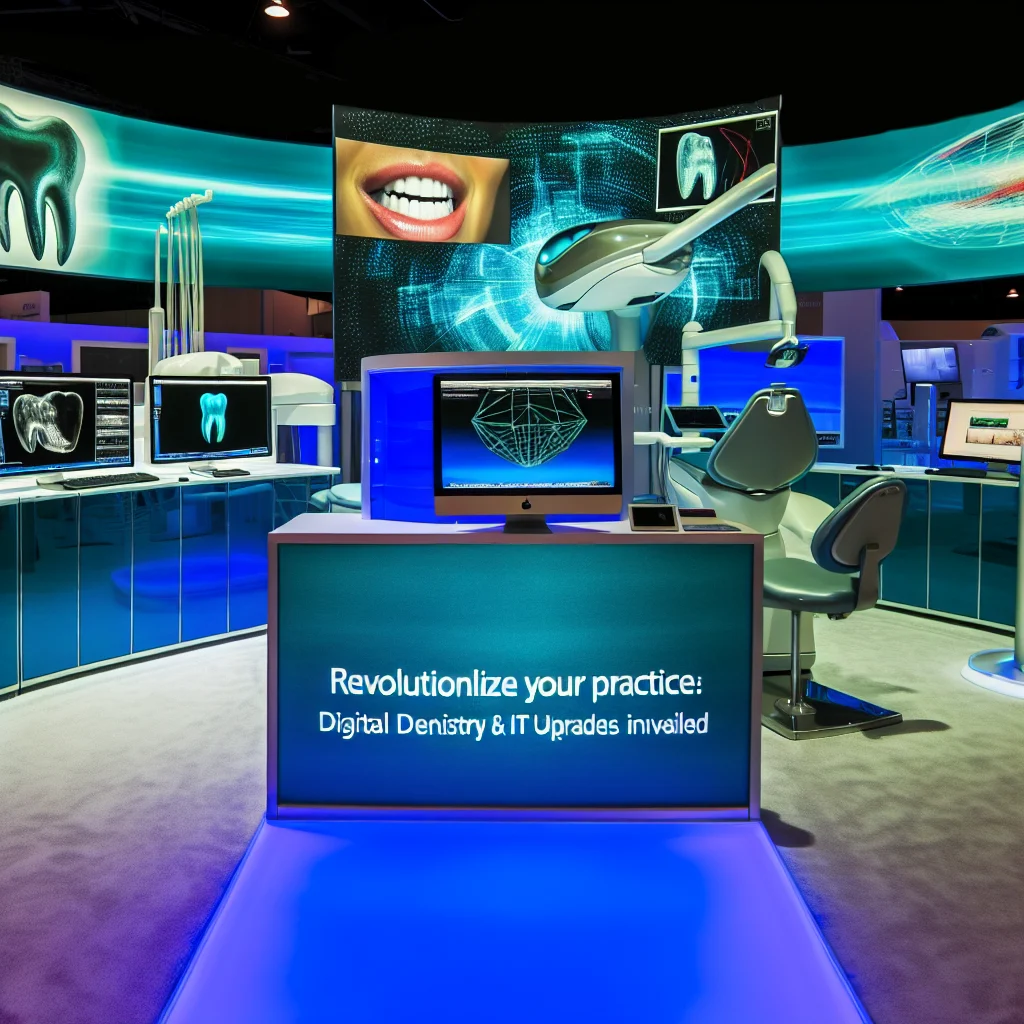
In the rapidly evolving landscape of dental technology, staying ahead of the curve is not merely an option but a necessity for modern dental practices. As the digital age continues to transform various sectors, the field of dentistry is no exception. The integration of advanced IT solutions into dental practices is revolutionizing patient care, streamlining operations, and enhancing overall efficiency. Consequently, understanding and implementing these technological advancements is crucial for dental professionals aiming to maintain a competitive edge.
One of the most significant advancements in dental technology is the adoption of digital imaging systems. Traditional X-rays, while still in use, are increasingly being replaced by digital radiography. This technology not only reduces radiation exposure for patients but also provides clearer and more detailed images, facilitating more accurate diagnoses. Moreover, digital images can be easily stored, retrieved, and shared, enhancing collaboration among dental professionals and improving patient outcomes.
In addition to digital imaging, the implementation of electronic health records (EHRs) has become a cornerstone of modern dental practices. EHRs offer a comprehensive and organized way to manage patient information, ensuring that all relevant data is readily accessible. This accessibility not only improves the efficiency of patient care but also enhances communication between dental professionals and patients. Furthermore, EHRs can be integrated with other digital tools, such as appointment scheduling systems and billing software, creating a seamless workflow that reduces administrative burdens and minimizes errors.
Another critical area where IT upgrades are making a significant impact is in patient communication and engagement. With the advent of patient portals and mobile applications, dental practices can now offer patients the convenience of online appointment scheduling, reminders, and access to their health records. These tools empower patients to take an active role in their dental care, fostering a sense of partnership between the patient and the dental team. Additionally, automated communication systems can help practices maintain regular contact with patients, ensuring that they remain engaged and informed about their oral health.
The integration of artificial intelligence (AI) into dental practices is also gaining momentum. AI-powered tools can assist in diagnosing conditions, predicting treatment outcomes, and even personalizing patient care plans. For instance, AI algorithms can analyze dental images to detect early signs of decay or other abnormalities that might be missed by the human eye. By leveraging AI, dental professionals can enhance their diagnostic capabilities and provide more precise and effective treatments.
Moreover, the rise of teledentistry is another testament to the transformative power of IT in dental practices. Teledentistry allows for remote consultations, enabling patients to receive expert advice without the need for an in-person visit. This is particularly beneficial for patients in remote areas or those with mobility challenges. By expanding access to dental care, teledentistry not only improves patient satisfaction but also broadens the reach of dental services.
In conclusion, the integration of IT upgrades into dental practices is reshaping the way dental care is delivered. From digital imaging and EHRs to AI and teledentistry, these technological advancements are enhancing the efficiency, accuracy, and accessibility of dental services. As the field of dental technology continues to evolve, staying informed and embracing these innovations will be essential for dental professionals seeking to provide the highest standard of care. By doing so, they can ensure that their practices remain at the forefront of the industry, ultimately benefiting both their patients and their practice’s success.
Ensuring Practice Security: Protecting Patient Data In The Digital Age
In the rapidly evolving landscape of dental technology, ensuring the security of patient data has become a paramount concern for dental practices. As digital solutions increasingly permeate the industry, the need to protect sensitive information from potential breaches is more critical than ever. The integration of electronic health records (EHRs), digital imaging, and cloud-based services has undoubtedly enhanced the efficiency and quality of dental care. However, these advancements also bring with them a heightened risk of cyber threats, necessitating robust security measures to safeguard patient data.
To begin with, understanding the nature of the threats is essential for any dental practice aiming to protect its digital assets. Cybercriminals are continually developing sophisticated methods to infiltrate systems, often targeting healthcare providers due to the valuable personal information they hold. This includes not only medical histories but also financial details and personal identifiers. Consequently, dental practices must adopt a proactive approach to cybersecurity, starting with a comprehensive risk assessment. This process involves identifying potential vulnerabilities within the practice’s IT infrastructure and evaluating the likelihood and impact of various threats.
Once vulnerabilities are identified, implementing a multi-layered security strategy is crucial. This strategy should encompass both technical and administrative safeguards. On the technical side, practices should ensure that all software, including operating systems and applications, is regularly updated to protect against known vulnerabilities. Firewalls and antivirus programs should be employed to detect and prevent unauthorized access, while encryption should be used to protect data both in transit and at rest. Additionally, implementing strong password policies and two-factor authentication can significantly enhance security by adding an extra layer of protection.
Administrative safeguards are equally important in ensuring practice security. Staff training and awareness programs play a vital role in preventing data breaches, as human error is often a significant factor in security incidents. By educating employees about the importance of data protection and the potential risks associated with cyber threats, practices can foster a culture of security awareness. Regular training sessions should cover topics such as recognizing phishing attempts, securely handling patient information, and understanding the practice’s data protection policies.
Moreover, developing a comprehensive incident response plan is essential for minimizing the impact of any potential data breach. This plan should outline the steps to be taken in the event of a security incident, including how to contain the breach, assess the damage, and notify affected parties. Having a well-defined response plan in place can help practices quickly recover from a breach and maintain patient trust.
In addition to these measures, dental practices should consider partnering with IT professionals who specialize in healthcare security. These experts can provide valuable insights and support in implementing and maintaining effective security protocols. By leveraging their expertise, practices can stay abreast of the latest developments in cybersecurity and ensure that their systems are adequately protected.
In conclusion, as dental technology continues to advance, the importance of protecting patient data cannot be overstated. By adopting a comprehensive approach to cybersecurity that includes both technical and administrative safeguards, dental practices can effectively mitigate the risks associated with digital threats. Through ongoing education, regular risk assessments, and collaboration with IT professionals, practices can ensure that they are well-equipped to protect their patients’ sensitive information in the digital age.
Cloud Integration In Dentistry: Streamlining Operations And Compliance
In recent years, the integration of cloud technology in dentistry has emerged as a transformative force, streamlining operations and ensuring compliance with regulatory standards. As dental practices increasingly adopt digital solutions, the cloud offers a robust platform for managing patient data, enhancing communication, and optimizing workflow efficiency. This shift towards cloud-based systems is not merely a trend but a strategic move that addresses the evolving needs of modern dental practices.
One of the primary advantages of cloud integration in dentistry is the seamless management of patient records. Traditionally, dental practices relied on paper-based systems or local servers to store patient information, which often led to inefficiencies and increased the risk of data loss. With cloud technology, dental professionals can access patient records in real-time from any location, provided they have internet connectivity. This accessibility not only improves the quality of patient care but also facilitates collaboration among dental teams, as they can easily share and update information.
Moreover, cloud-based systems enhance data security, a critical concern in the healthcare sector. Dental practices are required to comply with stringent regulations such as the Health Insurance Portability and Accountability Act (HIPAA) in the United States, which mandates the protection of patient information. Cloud service providers typically offer advanced security measures, including encryption, multi-factor authentication, and regular security audits, to safeguard sensitive data. By leveraging these features, dental practices can ensure compliance with regulatory standards while minimizing the risk of data breaches.
In addition to improving data management and security, cloud integration streamlines administrative tasks, thereby increasing operational efficiency. For instance, appointment scheduling, billing, and inventory management can be automated through cloud-based applications, reducing the administrative burden on staff. This automation allows dental professionals to focus more on patient care rather than being bogged down by paperwork. Furthermore, cloud solutions often come with analytics tools that provide valuable insights into practice performance, helping dental practices make informed decisions to enhance their services.
The scalability of cloud technology is another significant benefit for dental practices. As a practice grows, its technological needs evolve, requiring more storage and computing power. Cloud solutions offer the flexibility to scale resources up or down based on demand, ensuring that dental practices can adapt to changes without incurring substantial costs. This scalability is particularly advantageous for practices looking to expand their services or open new locations, as it allows for a seamless transition without the need for significant infrastructure investments.
Despite the numerous benefits, the transition to cloud-based systems is not without challenges. Dental practices must carefully evaluate potential cloud service providers to ensure they meet industry standards and offer reliable support. Additionally, staff training is essential to maximize the benefits of cloud technology and ensure that all team members are proficient in using new systems. By addressing these challenges proactively, dental practices can successfully integrate cloud technology into their operations.
In conclusion, cloud integration in dentistry represents a significant advancement in the way dental practices operate. By streamlining operations, enhancing data security, and ensuring compliance with regulatory standards, cloud technology offers a comprehensive solution to the challenges faced by modern dental practices. As the industry continues to evolve, embracing cloud-based systems will be crucial for dental practices seeking to improve efficiency, enhance patient care, and maintain a competitive edge in an increasingly digital world.
Discover the latest advancements in dental technology with our comprehensive insights. Stay ahead in the dental industry by exploring cutting-edge innovations and trends. Learn more now!