The Future Of Digital Dentistry: Embracing Cutting-Edge Dental Technology
The future of digital dentistry is poised to revolutionize the way dental care is delivered, with cutting-edge technology playing a pivotal role in enhancing patient outcomes and streamlining practice operations. As dental professionals increasingly embrace these advancements, the integration of modern IT strategies becomes essential to fully harness the potential of digital dentistry. This transformation is driven by a confluence of innovative technologies, including 3D printing, artificial intelligence, and teledentistry, each contributing to a more efficient and patient-centered approach to oral health care.
3D printing, for instance, has emerged as a game-changer in the dental industry, offering unprecedented precision and customization in the creation of dental prosthetics, aligners, and surgical guides. By enabling the production of highly accurate dental models and appliances, 3D printing not only reduces the time and cost associated with traditional manufacturing methods but also enhances the overall quality of dental care. As this technology continues to evolve, dental practices are increasingly adopting digital workflows that integrate 3D printing with advanced imaging techniques, such as cone-beam computed tomography (CBCT), to improve diagnostic accuracy and treatment planning.
In parallel, artificial intelligence (AI) is making significant inroads into the realm of digital dentistry, offering powerful tools for data analysis and decision-making. AI algorithms can analyze vast amounts of patient data to identify patterns and predict outcomes, thereby assisting dental professionals in diagnosing conditions more accurately and developing personalized treatment plans. Moreover, AI-powered systems can automate routine tasks, such as appointment scheduling and patient record management, freeing up valuable time for dental practitioners to focus on patient care. As AI technology continues to mature, its applications in dentistry are expected to expand, further enhancing the efficiency and effectiveness of dental practices.
Teledentistry, another burgeoning area of digital dentistry, is transforming the way dental care is accessed and delivered. By leveraging digital communication tools, teledentistry enables remote consultations and follow-ups, making dental care more accessible to patients in underserved or rural areas. This approach not only improves patient convenience but also allows dental professionals to reach a broader patient base, ultimately contributing to better oral health outcomes. As the demand for remote healthcare services continues to grow, teledentistry is likely to become an integral component of modern dental practices.
To fully capitalize on these technological advancements, dental practices must adopt modern IT strategies that support the seamless integration of digital tools into their operations. This involves investing in robust IT infrastructure, ensuring data security and compliance with regulations, and providing ongoing training for staff to effectively utilize new technologies. By doing so, dental practices can enhance their operational efficiency, improve patient satisfaction, and stay competitive in an increasingly digital landscape.
In conclusion, the future of digital dentistry is bright, with cutting-edge technology offering numerous opportunities to improve the quality and accessibility of dental care. As dental professionals embrace these innovations, the integration of modern IT strategies will be crucial in realizing the full potential of digital dentistry. By staying at the forefront of technological advancements and adopting a proactive approach to IT integration, dental practices can position themselves for success in the rapidly evolving world of oral health care.
Enhancing Practice Security: Modern IT Strategies For Dental Offices
In the rapidly evolving landscape of dental technology, ensuring the security of patient data has become a paramount concern for dental practices. As digital records and electronic health systems become more prevalent, the need for robust IT strategies to protect sensitive information is increasingly critical. Modern IT strategies offer a comprehensive approach to safeguarding dental practices against potential security threats, ensuring that patient data remains confidential and secure.
One of the foundational elements of enhancing practice security is the implementation of advanced encryption techniques. Encryption serves as a critical line of defense, transforming sensitive data into a coded format that is unreadable without the appropriate decryption key. This ensures that even if data is intercepted, it remains inaccessible to unauthorized individuals. Dental practices must prioritize the use of strong encryption protocols for both data at rest and data in transit, thereby protecting patient information from potential breaches.
In addition to encryption, the adoption of multi-factor authentication (MFA) is another essential strategy for enhancing security. MFA requires users to provide two or more verification factors to gain access to a system, significantly reducing the risk of unauthorized access. By implementing MFA, dental practices can add an extra layer of security, making it more difficult for cybercriminals to compromise user accounts and access sensitive data.
Furthermore, regular software updates and patch management are crucial components of a modern IT security strategy. Cyber threats are constantly evolving, and software vulnerabilities can be exploited by attackers to gain unauthorized access to systems. By ensuring that all software and systems are up-to-date with the latest security patches, dental practices can mitigate the risk of exploitation and protect their networks from potential threats.
Another vital aspect of enhancing practice security is the implementation of comprehensive data backup solutions. Regularly backing up data ensures that, in the event of a cyberattack or system failure, patient information can be quickly restored, minimizing downtime and disruption to the practice. Dental offices should consider utilizing both on-site and cloud-based backup solutions to ensure redundancy and reliability in their data protection efforts.
Moreover, employee training and awareness play a significant role in maintaining a secure practice environment. Human error is often a significant factor in security breaches, making it essential for dental practices to educate their staff on best practices for data security. Regular training sessions can help employees recognize potential threats, such as phishing attempts, and understand the importance of maintaining strong passwords and safeguarding sensitive information.
In addition to these strategies, dental practices should consider conducting regular security audits and risk assessments. These evaluations can help identify potential vulnerabilities within the practice’s IT infrastructure and provide valuable insights into areas that require improvement. By proactively addressing security weaknesses, dental offices can strengthen their defenses and reduce the likelihood of a successful cyberattack.
Finally, partnering with a reputable IT service provider can offer dental practices access to expert guidance and support in implementing and maintaining robust security measures. These providers can offer tailored solutions that meet the specific needs of dental offices, ensuring that they remain compliant with industry regulations and standards.
In conclusion, as dental technology continues to advance, the importance of implementing modern IT strategies to enhance practice security cannot be overstated. By adopting a comprehensive approach that includes encryption, multi-factor authentication, regular updates, data backups, employee training, and security audits, dental practices can effectively protect patient data and maintain the trust of their patients.
IT Upgrades For Dental Practices: Staying Ahead In The Digital Age
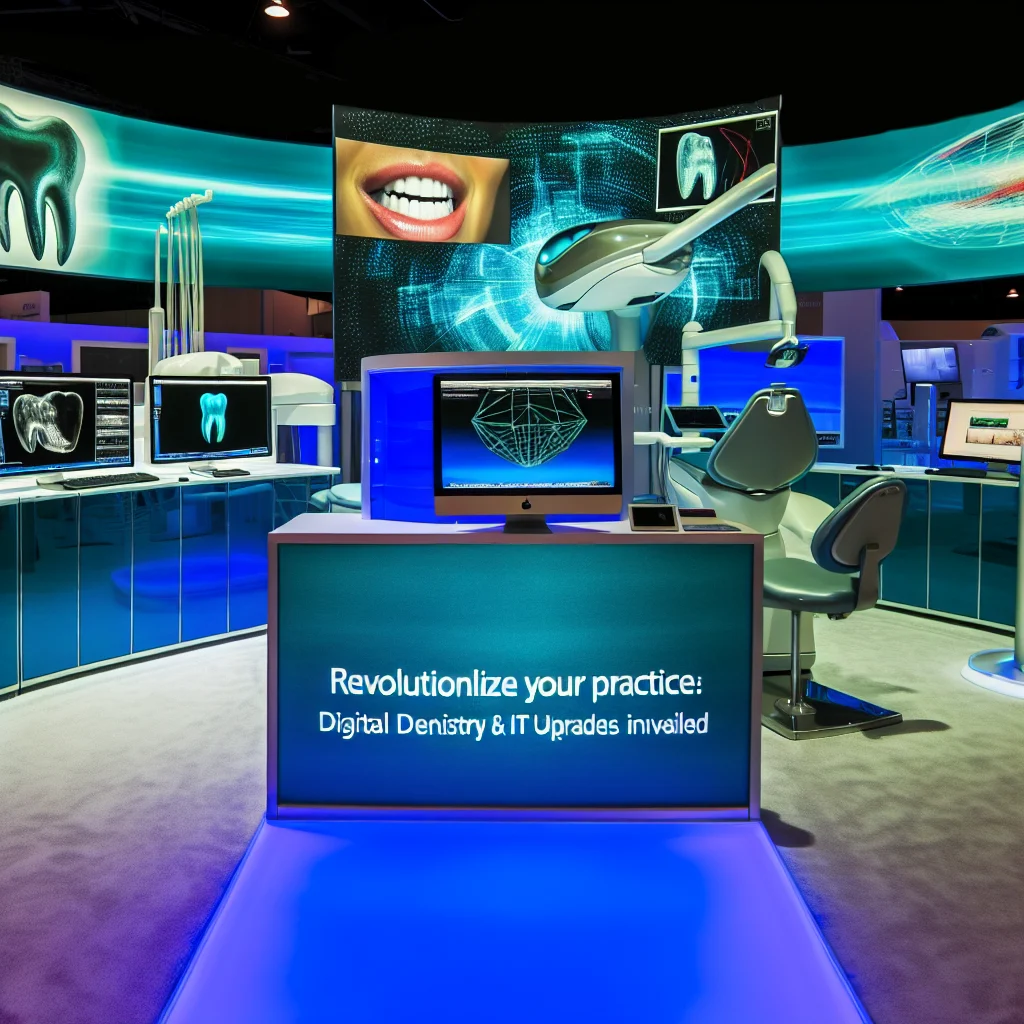
In the rapidly evolving landscape of dental care, staying ahead in the digital age necessitates a strategic approach to IT upgrades. Dental practices are increasingly recognizing the importance of integrating advanced technology to enhance patient care, streamline operations, and maintain a competitive edge. As the digital transformation continues to reshape the healthcare industry, dental practices must adopt modern IT strategies to ensure they are not left behind.
One of the primary drivers of IT upgrades in dental practices is the need for improved patient management systems. Electronic Health Records (EHR) have become a cornerstone of modern dental care, offering a comprehensive and accessible way to manage patient information. By transitioning from paper-based records to digital systems, dental practices can significantly enhance the efficiency of their operations. EHR systems facilitate seamless communication between dental professionals and patients, ensuring that all parties have access to accurate and up-to-date information. This not only improves the quality of care but also enhances patient satisfaction by reducing wait times and minimizing errors.
Moreover, the integration of advanced imaging technologies is another critical aspect of IT upgrades in dental practices. Digital radiography, for instance, offers numerous advantages over traditional film-based methods. It provides high-quality images with reduced radiation exposure, allowing for more accurate diagnoses and treatment planning. Additionally, digital images can be easily stored, retrieved, and shared, further enhancing the collaborative efforts among dental professionals. As a result, practices that invest in these technologies are better equipped to deliver superior patient care.
In addition to patient management and imaging, cybersecurity has emerged as a crucial consideration for dental practices in the digital age. With the increasing reliance on digital systems, the risk of data breaches and cyberattacks has grown significantly. Dental practices must implement robust cybersecurity measures to protect sensitive patient information and maintain compliance with regulations such as the Health Insurance Portability and Accountability Act (HIPAA). This includes investing in secure networks, regular software updates, and employee training to recognize and respond to potential threats. By prioritizing cybersecurity, dental practices can safeguard their reputation and build trust with their patients.
Furthermore, the adoption of cloud-based solutions is transforming the way dental practices manage their IT infrastructure. Cloud computing offers a scalable and cost-effective alternative to traditional on-premises systems, allowing practices to access their data and applications from anywhere with an internet connection. This flexibility is particularly beneficial for practices with multiple locations or those that require remote access to patient information. Cloud-based solutions also facilitate collaboration among dental professionals, enabling them to share information and insights in real-time. As a result, practices that embrace cloud technology can improve their operational efficiency and enhance patient care.
Finally, the implementation of artificial intelligence (AI) and machine learning in dental practices is poised to revolutionize the industry. These technologies have the potential to automate routine tasks, such as appointment scheduling and billing, freeing up valuable time for dental professionals to focus on patient care. AI-powered diagnostic tools can also assist in identifying potential issues earlier, leading to more effective treatment plans and improved patient outcomes. By staying ahead of these technological advancements, dental practices can position themselves as leaders in the field and continue to provide exceptional care in the digital age.
In conclusion, IT upgrades are essential for dental practices seeking to thrive in the digital age. By embracing modern technology and implementing strategic IT solutions, practices can enhance patient care, improve operational efficiency, and maintain a competitive edge. As the digital landscape continues to evolve, dental practices must remain proactive in their approach to IT upgrades, ensuring they are well-equipped to meet the challenges and opportunities of the future.
Dental Software Solutions: Streamlining Operations And Improving Patient Care
In the rapidly evolving landscape of dental care, the integration of advanced technology and modern IT strategies has become indispensable. Dental software solutions, in particular, play a pivotal role in streamlining operations and enhancing patient care. As dental practices strive to improve efficiency and patient satisfaction, the adoption of sophisticated software systems has emerged as a critical component of their operational strategy. These solutions not only facilitate the seamless management of administrative tasks but also significantly enhance the quality of care provided to patients.
One of the primary benefits of dental software solutions is their ability to streamline administrative processes. By automating routine tasks such as appointment scheduling, billing, and patient record management, dental practices can reduce the burden on administrative staff and minimize the risk of human error. This automation allows staff to focus on more critical tasks, thereby improving overall efficiency. Moreover, the integration of electronic health records (EHR) within dental software systems ensures that patient information is easily accessible and up-to-date, facilitating better coordination of care and informed decision-making.
In addition to improving administrative efficiency, dental software solutions also enhance clinical operations. Advanced diagnostic tools and imaging software enable dental professionals to conduct more accurate assessments and develop more effective treatment plans. For instance, digital radiography and 3D imaging provide detailed insights into a patient’s oral health, allowing for precise diagnosis and treatment. Furthermore, these technologies enable dentists to share visual data with patients, improving communication and helping patients understand their treatment options more clearly.
Another significant advantage of dental software solutions is their role in enhancing patient engagement and satisfaction. Patient portals, for example, empower individuals to take an active role in their dental care by providing access to their health records, appointment schedules, and educational resources. This transparency fosters a sense of trust and collaboration between patients and their dental care providers. Additionally, automated reminders and follow-up notifications help ensure that patients adhere to their treatment plans, ultimately leading to better health outcomes.
The integration of modern IT strategies within dental practices also facilitates data-driven decision-making. By leveraging data analytics, dental professionals can gain valuable insights into practice performance, patient demographics, and treatment outcomes. This information can be used to identify trends, optimize resource allocation, and develop targeted marketing strategies. Moreover, data analytics can help practices identify areas for improvement, enabling them to implement changes that enhance operational efficiency and patient care.
As dental practices continue to embrace digital transformation, cybersecurity has become a critical concern. Protecting patient data from unauthorized access and breaches is paramount, and dental software solutions must incorporate robust security measures to safeguard sensitive information. Implementing encryption, access controls, and regular security audits are essential components of a comprehensive cybersecurity strategy. By prioritizing data security, dental practices can build trust with their patients and ensure compliance with regulatory requirements.
In conclusion, dental software solutions are integral to the modernization of dental practices, offering numerous benefits that streamline operations and improve patient care. By automating administrative tasks, enhancing clinical capabilities, and fostering patient engagement, these technologies enable dental professionals to deliver high-quality care more efficiently. Furthermore, the integration of data analytics and robust cybersecurity measures ensures that practices can make informed decisions while protecting patient information. As the dental industry continues to evolve, the adoption of advanced software solutions will remain a key driver of success in delivering exceptional patient care.
Cloud Integration In Dentistry: Benefits And Best Practices For Compliance
In the rapidly evolving landscape of dental technology, cloud integration has emerged as a pivotal component in modernizing dental practices. As dental professionals seek to enhance patient care and streamline operations, the adoption of cloud-based solutions offers a myriad of benefits. However, it is crucial to navigate this transition with a keen understanding of compliance requirements to ensure both efficiency and security.
One of the primary advantages of cloud integration in dentistry is the enhanced accessibility it provides. By storing data in the cloud, dental practitioners can access patient records, treatment plans, and diagnostic images from any location with an internet connection. This flexibility not only facilitates remote consultations and telehealth services but also ensures continuity of care when practitioners are on the move or working across multiple locations. Moreover, cloud solutions often come with robust data backup and recovery options, safeguarding critical information against data loss due to hardware failures or natural disasters.
In addition to accessibility, cloud integration significantly improves collaboration among dental professionals. With cloud-based platforms, multiple users can simultaneously access and update patient information, fostering a more cohesive approach to patient care. This collaborative environment is particularly beneficial in multi-specialty practices where seamless communication between different departments is essential for comprehensive treatment planning.
Despite these advantages, the transition to cloud-based systems must be approached with a strong emphasis on compliance, particularly concerning data security and patient privacy. Dental practices are subject to stringent regulations, such as the Health Insurance Portability and Accountability Act (HIPAA) in the United States, which mandates the protection of sensitive patient information. Therefore, selecting a cloud service provider that complies with these regulations is paramount. Providers should offer encryption, secure access controls, and regular security audits to ensure that patient data remains protected against unauthorized access and breaches.
Furthermore, it is essential for dental practices to establish clear protocols for data management and access. This includes defining user roles and permissions to ensure that only authorized personnel can access specific types of information. Regular training sessions for staff on data security best practices can also help mitigate risks associated with human error, which is often a significant factor in data breaches.
Another best practice for cloud integration in dentistry is to conduct thorough due diligence when selecting a cloud service provider. Evaluating the provider’s track record, security measures, and compliance certifications can provide valuable insights into their ability to safeguard sensitive information. Additionally, practices should consider the provider’s scalability options to accommodate future growth and technological advancements.
Finally, maintaining an open line of communication with the cloud service provider is crucial for addressing any concerns or issues that may arise. Regularly reviewing service agreements and staying informed about updates or changes to the provider’s policies can help dental practices remain compliant and responsive to evolving regulatory requirements.
In conclusion, cloud integration offers significant benefits for dental practices, including improved accessibility, enhanced collaboration, and robust data protection. However, to fully realize these advantages, it is imperative to adopt best practices for compliance and security. By carefully selecting a compliant cloud service provider, establishing clear data management protocols, and fostering a culture of security awareness, dental practices can successfully navigate the complexities of cloud integration while ensuring the highest standards of patient care and data protection.
Unlock the future of your dental practice with cutting-edge technology and modern IT strategies. Discover how to enhance patient care and streamline operations with our expert insights. Don’t miss out—[explore Dental IT Insights now](https://comptss.com)!