The Future Of Digital Dentistry: Embracing Cutting-Edge Dental Technology
The future of digital dentistry is poised to revolutionize the way dental care is delivered, with cutting-edge technology playing a pivotal role in enhancing patient outcomes and streamlining practice operations. As dental professionals increasingly embrace these advancements, the integration of modern IT strategies becomes essential to fully harness the potential of digital dentistry. This transformation is not merely about adopting new tools but involves a comprehensive approach to reimagining dental care through the lens of technology.
One of the most significant developments in digital dentistry is the advent of 3D printing. This technology allows for the rapid production of dental prosthetics, such as crowns, bridges, and dentures, with unparalleled precision and customization. By reducing the time required to produce these items, 3D printing enhances the efficiency of dental practices and improves patient satisfaction by minimizing wait times. Furthermore, the ability to create highly personalized dental solutions ensures that patients receive care tailored to their specific needs, thereby improving overall treatment outcomes.
In addition to 3D printing, digital imaging technologies, such as cone-beam computed tomography (CBCT) and intraoral scanners, are transforming diagnostic and treatment planning processes. These tools provide detailed, three-dimensional images of a patient’s oral structures, enabling dentists to diagnose conditions with greater accuracy and develop more effective treatment plans. The integration of these imaging technologies with advanced software solutions allows for the simulation of various treatment scenarios, facilitating informed decision-making and enhancing patient communication.
Moreover, the rise of artificial intelligence (AI) in dentistry is opening new avenues for improving patient care. AI algorithms can analyze vast amounts of data to identify patterns and predict outcomes, assisting dentists in diagnosing conditions earlier and more accurately. For instance, AI-powered software can detect early signs of cavities or gum disease from digital images, allowing for timely intervention and potentially preventing more severe issues. Additionally, AI can optimize practice management by automating routine tasks, such as appointment scheduling and billing, thereby freeing up valuable time for dental professionals to focus on patient care.
Tele-dentistry is another emerging trend that is reshaping the landscape of dental care. By leveraging digital communication tools, dental professionals can provide remote consultations and follow-up care, increasing access to dental services for patients in underserved or remote areas. This approach not only expands the reach of dental practices but also offers patients the convenience of receiving care from the comfort of their homes. As tele-dentistry continues to evolve, it is likely to become an integral component of comprehensive dental care strategies.
To fully realize the benefits of these technological advancements, dental practices must adopt modern IT strategies that support seamless integration and data management. This involves investing in robust IT infrastructure, ensuring data security and compliance with regulations, and providing ongoing training for staff to effectively utilize new technologies. By doing so, dental practices can enhance their operational efficiency, improve patient care, and stay competitive in an increasingly digital landscape.
In conclusion, the future of digital dentistry is bright, with cutting-edge technology offering unprecedented opportunities to transform dental care. By embracing these innovations and implementing modern IT strategies, dental professionals can deliver more precise, efficient, and patient-centered care. As the field continues to evolve, staying abreast of technological advancements and adapting to new ways of working will be crucial for dental practices aiming to thrive in the digital age.
Enhancing Practice Security: Modern IT Strategies For Dental Offices
In the rapidly evolving landscape of dental technology, ensuring the security of sensitive patient information has become a paramount concern for dental practices. As digital records and electronic health systems become more prevalent, the need for robust IT strategies to protect this data is increasingly critical. Modern IT strategies offer a comprehensive approach to safeguarding dental practices against potential security breaches, ensuring that patient confidentiality is maintained and that the practice operates smoothly.
One of the foundational elements of enhancing practice security is the implementation of advanced encryption techniques. Encryption serves as a vital tool in protecting patient data by converting it into a code that can only be deciphered by authorized individuals. This ensures that even if data is intercepted, it remains inaccessible to unauthorized users. By employing strong encryption protocols, dental practices can significantly reduce the risk of data breaches and unauthorized access to sensitive information.
In addition to encryption, the adoption of multi-factor authentication (MFA) is another critical strategy for enhancing security. MFA requires users to provide two or more verification factors to gain access to systems and data, adding an extra layer of protection beyond traditional password-based systems. This approach significantly reduces the likelihood of unauthorized access, as it requires potential intruders to bypass multiple security measures. By integrating MFA into their IT infrastructure, dental practices can bolster their defenses against cyber threats.
Furthermore, regular software updates and patch management are essential components of a robust IT security strategy. Software vendors frequently release updates to address vulnerabilities and enhance security features. By ensuring that all software and systems are up-to-date, dental practices can protect themselves against known threats and reduce the risk of exploitation by cybercriminals. Establishing a routine schedule for updates and patches is crucial in maintaining the integrity of the practice’s IT infrastructure.
Another important aspect of modern IT strategies is the implementation of comprehensive data backup solutions. Regularly backing up data ensures that, in the event of a cyberattack or system failure, patient information can be quickly restored, minimizing disruption to the practice. Cloud-based backup solutions offer an additional layer of security by storing data offsite, protecting it from physical damage or local system failures. By incorporating reliable backup solutions, dental practices can ensure business continuity and maintain patient trust.
Moreover, employee training and awareness programs play a vital role in enhancing practice security. Human error is often a significant factor in security breaches, making it essential for staff to be well-informed about potential threats and best practices for data protection. Regular training sessions can help employees recognize phishing attempts, understand the importance of strong passwords, and adhere to security protocols. By fostering a culture of security awareness, dental practices can empower their staff to act as the first line of defense against cyber threats.
Finally, conducting regular security audits and risk assessments is crucial for identifying vulnerabilities and ensuring compliance with industry regulations. These assessments provide valuable insights into the effectiveness of existing security measures and highlight areas for improvement. By proactively addressing potential weaknesses, dental practices can stay ahead of emerging threats and maintain a secure environment for patient data.
In conclusion, modern IT strategies are essential for enhancing the security of dental practices. By implementing advanced encryption, multi-factor authentication, regular software updates, comprehensive data backup solutions, employee training, and routine security audits, dental practices can protect sensitive patient information and ensure the smooth operation of their services. As technology continues to advance, staying informed and proactive in adopting these strategies will be key to maintaining a secure and trustworthy practice.
Essential IT Upgrades For A Successful Dental Practice
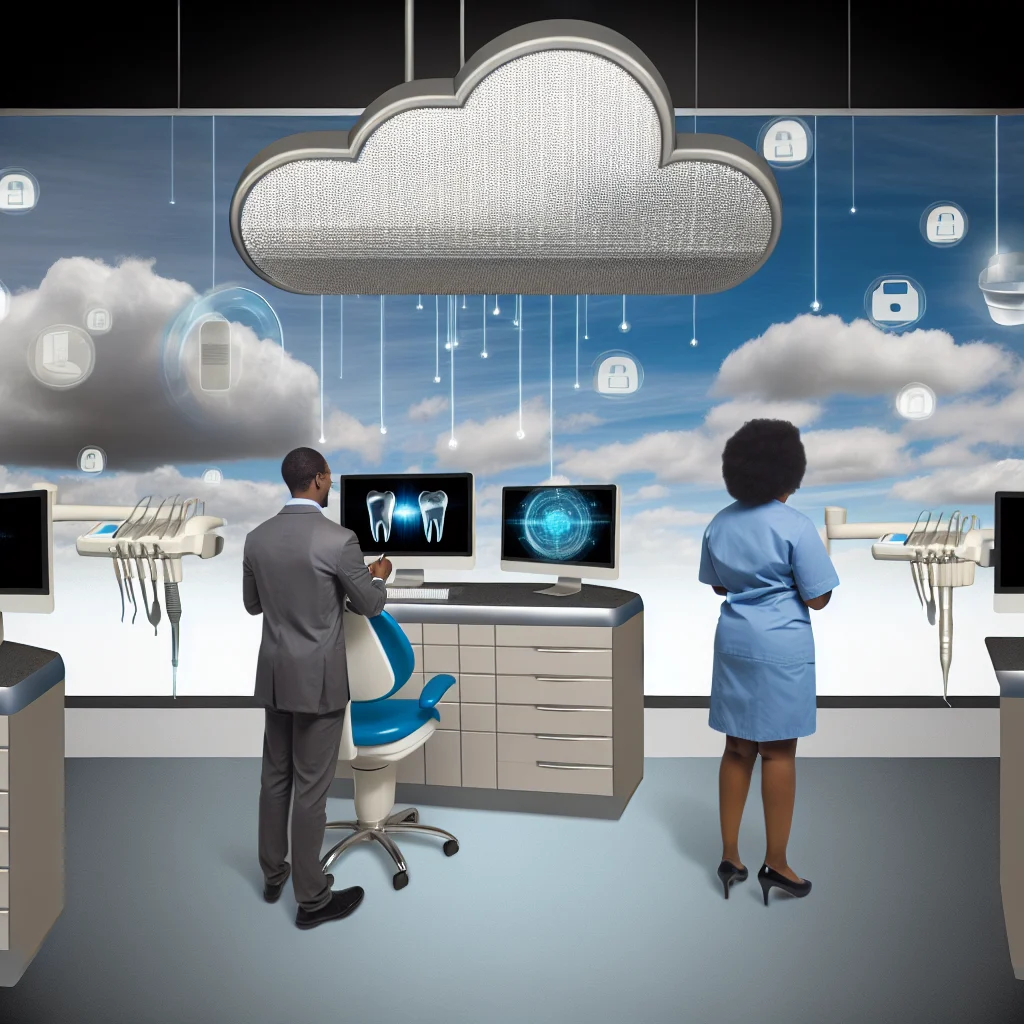
In the rapidly evolving landscape of dental care, integrating modern IT strategies is no longer a luxury but a necessity for a successful practice. As dental technology advances, so too must the IT infrastructure that supports it. Essential IT upgrades can significantly enhance the efficiency, security, and patient experience within a dental practice, ensuring that it remains competitive and compliant with industry standards.
To begin with, one of the most critical IT upgrades for any dental practice is the implementation of a robust electronic health records (EHR) system. EHRs streamline the management of patient information, allowing for quick access to medical histories, treatment plans, and billing information. This not only improves the efficiency of administrative tasks but also enhances the quality of patient care by providing dentists with comprehensive data at their fingertips. Transitioning from paper-based records to a digital system can be daunting, but the long-term benefits in terms of time savings and error reduction are substantial.
In addition to EHR systems, upgrading to cloud-based solutions can offer significant advantages. Cloud computing provides dental practices with scalable storage options, ensuring that data is securely backed up and easily accessible from any location. This flexibility is particularly beneficial for practices with multiple locations or those that require remote access to patient information. Moreover, cloud-based systems often come with enhanced security features, protecting sensitive patient data from cyber threats and ensuring compliance with regulations such as the Health Insurance Portability and Accountability Act (HIPAA).
Another essential IT upgrade involves enhancing cybersecurity measures. As dental practices increasingly rely on digital systems, they become more vulnerable to cyberattacks. Implementing advanced security protocols, such as firewalls, encryption, and multi-factor authentication, is crucial in safeguarding patient data. Regular security audits and staff training on recognizing phishing attempts and other cyber threats can further bolster a practice’s defenses. By prioritizing cybersecurity, dental practices not only protect their patients’ information but also build trust and credibility with their clientele.
Furthermore, integrating advanced dental imaging technologies with IT systems can greatly improve diagnostic capabilities. Digital radiography, for instance, offers higher quality images with lower radiation exposure compared to traditional X-rays. When these imaging systems are seamlessly integrated with EHRs, dentists can easily access and analyze images, leading to more accurate diagnoses and treatment plans. This integration also facilitates better communication with patients, as visual aids can be used to explain conditions and procedures more effectively.
Additionally, upgrading to a comprehensive practice management software can streamline various operational aspects of a dental practice. From appointment scheduling and billing to inventory management and patient communication, these systems offer a centralized platform for managing day-to-day activities. By automating routine tasks, dental staff can focus more on patient care, ultimately enhancing the overall patient experience.
Finally, as telehealth becomes an increasingly important component of healthcare delivery, dental practices should consider incorporating virtual consultation capabilities into their IT infrastructure. Telehealth solutions enable dentists to conduct remote consultations, providing patients with convenient access to care and expanding the practice’s reach. This is particularly beneficial for patients in rural or underserved areas who may have difficulty accessing in-person dental services.
In conclusion, essential IT upgrades are pivotal in ensuring the success of a modern dental practice. By embracing electronic health records, cloud-based solutions, enhanced cybersecurity, advanced imaging technologies, comprehensive practice management software, and telehealth capabilities, dental practices can improve efficiency, security, and patient satisfaction. As the dental industry continues to evolve, staying ahead with the latest IT advancements will be key to maintaining a competitive edge and delivering high-quality care.
Navigating Dental Compliance: Key IT Considerations For Dentists
In the rapidly evolving landscape of dental technology, compliance with regulatory standards has become a critical concern for dental practices. As digital tools and electronic health records become integral to dental operations, understanding the intersection of dental compliance and IT strategies is essential. Navigating this complex terrain requires a comprehensive approach that ensures both the security of patient data and adherence to legal requirements.
To begin with, the Health Insurance Portability and Accountability Act (HIPAA) is a cornerstone of compliance for dental practices in the United States. HIPAA mandates the protection of patient information, necessitating robust IT systems that safeguard data against unauthorized access. Implementing encryption protocols and secure access controls is vital to meet these requirements. Moreover, regular audits and risk assessments can help identify potential vulnerabilities, allowing practices to address them proactively.
In addition to HIPAA, dentists must also consider the implications of the General Data Protection Regulation (GDPR) if they handle data from European patients. GDPR emphasizes the importance of data privacy and grants individuals greater control over their personal information. For dental practices, this means implementing systems that allow patients to access, modify, or delete their data upon request. Ensuring compliance with GDPR not only protects patient rights but also enhances the trust and credibility of the practice.
Furthermore, the integration of electronic health records (EHRs) into dental practices has revolutionized patient care but also introduced new compliance challenges. EHR systems must be designed to ensure data integrity and confidentiality. This involves selecting reputable vendors who prioritize security and offer regular software updates. Additionally, training staff on the proper use of EHR systems is crucial to prevent data breaches caused by human error.
Transitioning to the topic of cybersecurity, it is imperative for dental practices to implement comprehensive cybersecurity measures. Cyber threats are becoming increasingly sophisticated, and dental practices are not immune to these risks. Employing firewalls, antivirus software, and intrusion detection systems can help protect sensitive patient data from cyberattacks. Moreover, establishing a robust incident response plan ensures that practices can quickly and effectively respond to any security breaches, minimizing potential damage.
Another key consideration is the management of third-party vendors. Dental practices often rely on external service providers for various IT solutions, from cloud storage to billing systems. It is essential to conduct thorough due diligence when selecting vendors, ensuring they comply with relevant regulations and maintain high security standards. Establishing clear contracts that outline data protection responsibilities can further mitigate risks associated with third-party vendors.
In addition to technical measures, fostering a culture of compliance within the practice is equally important. This involves regular training sessions for staff to keep them informed about the latest compliance requirements and best practices. Encouraging open communication and reporting of potential compliance issues can help create an environment where compliance is a shared responsibility.
In conclusion, navigating dental compliance in the context of modern IT strategies requires a multifaceted approach. By prioritizing data security, adhering to regulatory standards, and fostering a culture of compliance, dental practices can effectively manage the challenges posed by the digital age. As technology continues to advance, staying informed and proactive in addressing compliance considerations will be crucial for the success and integrity of dental practices.
Cloud Integration In Dentistry: Transforming Dental Software Solutions
In recent years, the integration of cloud technology within the dental industry has emerged as a transformative force, reshaping the landscape of dental software solutions. As dental practices increasingly seek to enhance operational efficiency and improve patient care, the adoption of cloud-based systems has become a pivotal strategy. This shift towards cloud integration is not merely a trend but a fundamental evolution in how dental services are delivered and managed.
To begin with, cloud technology offers unparalleled advantages in terms of data accessibility and storage. Traditional on-premises systems often limit data access to specific locations, creating bottlenecks in information flow. In contrast, cloud-based solutions enable dental professionals to access patient records, treatment plans, and diagnostic images from any location with internet connectivity. This flexibility is particularly beneficial for multi-location practices, allowing seamless collaboration among dental teams and ensuring that patient care is consistent and informed, regardless of where the patient is being treated.
Moreover, cloud integration enhances data security, a critical concern in the healthcare sector. Dental practices handle sensitive patient information, and safeguarding this data is paramount. Cloud service providers invest heavily in advanced security measures, including encryption, multi-factor authentication, and regular security audits, to protect against data breaches and unauthorized access. By leveraging these robust security protocols, dental practices can ensure compliance with regulations such as the Health Insurance Portability and Accountability Act (HIPAA), thereby maintaining patient trust and avoiding potential legal repercussions.
In addition to security, cloud-based dental software solutions offer scalability, allowing practices to adapt to changing needs without significant infrastructure investments. As a practice grows, the demand for data storage and processing power increases. Cloud solutions can easily scale to accommodate this growth, providing additional resources as needed without the need for costly hardware upgrades. This scalability not only supports practice expansion but also facilitates the integration of new technologies, such as artificial intelligence and machine learning, which are increasingly being used to enhance diagnostic accuracy and treatment planning.
Furthermore, cloud integration streamlines administrative processes, reducing the burden on dental staff and allowing them to focus more on patient care. Automated appointment scheduling, billing, and inventory management are just a few examples of how cloud-based systems can optimize practice operations. By minimizing manual tasks and reducing the likelihood of human error, these solutions contribute to a more efficient and productive work environment.
Another significant benefit of cloud integration is the facilitation of tele-dentistry services. The COVID-19 pandemic underscored the importance of remote healthcare delivery, and cloud technology has been instrumental in enabling virtual consultations and remote monitoring. Patients can receive expert advice and follow-up care without the need for in-person visits, enhancing convenience and accessibility, particularly for those in remote or underserved areas.
In conclusion, the integration of cloud technology in dentistry is revolutionizing the way dental practices operate, offering a myriad of benefits that extend beyond mere data storage. By enhancing accessibility, security, scalability, and operational efficiency, cloud-based solutions are empowering dental professionals to deliver superior patient care while adapting to the evolving demands of the healthcare landscape. As the dental industry continues to embrace digital transformation, cloud integration will undoubtedly play a central role in shaping the future of dental care.
Unlock the future of your dental practice with cutting-edge technology and modern IT strategies. Discover how Dental IT Insights can transform your operations and enhance patient care. Don’t miss out—explore more now! Learn More