Revolutionizing Dental Practices: The Role of Digital Dentistry in Modern IT Strategies
In recent years, the dental industry has witnessed a transformative shift, driven by the integration of digital technologies and modern IT strategies. This evolution, often referred to as digital dentistry, is reshaping how dental practices operate, enhancing both clinical outcomes and patient experiences. As dental professionals increasingly adopt these innovations, it becomes essential to understand the role of digital dentistry within the broader context of modern IT strategies.
To begin with, digital dentistry encompasses a wide array of technologies, including digital imaging, computer-aided design and manufacturing (CAD/CAM), and electronic health records (EHRs). These tools collectively contribute to more accurate diagnostics, streamlined workflows, and improved patient care. For instance, digital imaging technologies such as cone-beam computed tomography (CBCT) provide high-resolution, three-dimensional images of a patient’s oral structures. This allows for more precise treatment planning and diagnosis, ultimately leading to better clinical outcomes.
Moreover, the integration of CAD/CAM systems in dental practices has revolutionized the fabrication of dental restorations. By utilizing digital impressions and computer-aided design, dental professionals can create highly accurate and customized prosthetics, such as crowns and bridges, in a fraction of the time required by traditional methods. This not only enhances the efficiency of dental procedures but also significantly reduces the turnaround time for patients, thereby improving their overall experience.
In addition to these clinical advancements, the adoption of electronic health records has become a cornerstone of modern IT strategies in dental practices. EHRs facilitate seamless communication and data sharing among dental professionals, ensuring that patient information is readily accessible and up-to-date. This integration of digital records not only enhances the coordination of care but also supports compliance with regulatory requirements, such as the Health Insurance Portability and Accountability Act (HIPAA).
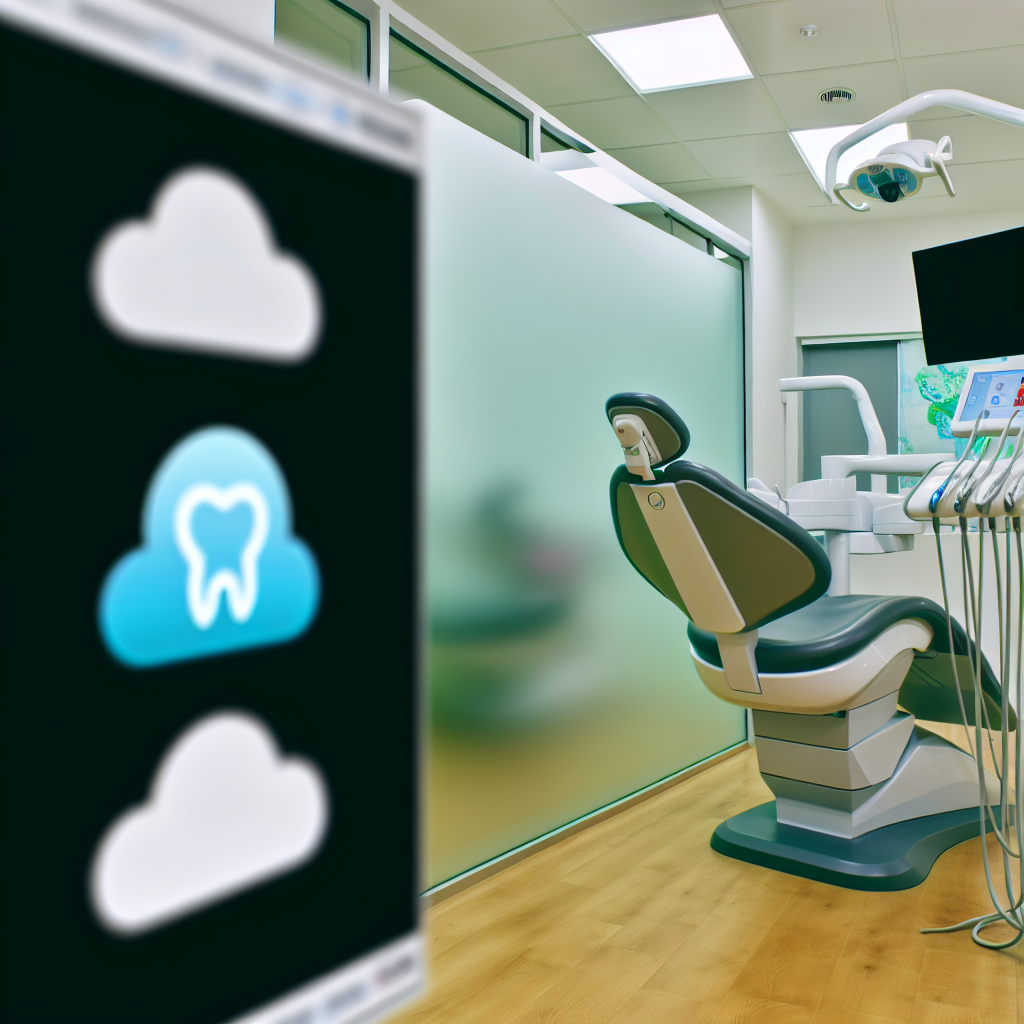
Furthermore, the implementation of cloud-based solutions in dental practices is another critical aspect of modern IT strategies. Cloud computing offers numerous benefits, including enhanced data security, scalability, and cost-effectiveness. By storing patient data and practice management software in the cloud, dental practices can ensure that their information is protected against data breaches and system failures. Additionally, cloud-based solutions enable dental professionals to access patient records and practice management tools from any location, facilitating greater flexibility and collaboration.
As digital dentistry continues to evolve, the role of artificial intelligence (AI) and machine learning in dental practices is becoming increasingly prominent. AI-powered tools can assist in diagnosing dental conditions, predicting treatment outcomes, and personalizing patient care. For example, machine learning algorithms can analyze vast amounts of data to identify patterns and trends, aiding dental professionals in making more informed clinical decisions. This integration of AI into dental practices not only enhances diagnostic accuracy but also optimizes treatment planning and patient management.
In conclusion, the integration of digital dentistry and modern IT strategies is revolutionizing dental practices, offering numerous benefits to both dental professionals and patients. By embracing these technological advancements, dental practices can enhance clinical outcomes, streamline workflows, and improve patient experiences. As the dental industry continues to evolve, it is imperative for dental professionals to stay abreast of the latest developments in digital dentistry and IT strategies, ensuring that they remain at the forefront of innovation and continue to provide the highest standard of care.
Cloud Integration in Dental Technology: Enhancing Efficiency and Security
In the rapidly evolving landscape of dental technology, the integration of cloud computing has emerged as a pivotal strategy for enhancing both efficiency and security within dental practices. As dental professionals increasingly rely on digital solutions to manage patient records, streamline operations, and improve patient care, the adoption of cloud-based systems offers a multitude of benefits that are reshaping the industry. By leveraging the power of the cloud, dental practices can achieve a level of operational efficiency and data security that was previously unattainable with traditional IT infrastructures.
One of the primary advantages of cloud integration in dental technology is the significant improvement in data accessibility and collaboration. Cloud-based systems allow dental professionals to access patient records and other critical information from any location with an internet connection. This capability is particularly beneficial for practices with multiple locations or for professionals who need to consult with colleagues remotely. By facilitating seamless access to up-to-date information, cloud solutions enhance the ability of dental teams to collaborate effectively, ultimately leading to improved patient outcomes.
Moreover, cloud integration streamlines administrative processes, reducing the burden of managing complex IT systems. Traditional on-premises servers require regular maintenance, updates, and backups, which can be both time-consuming and costly. In contrast, cloud service providers handle these tasks, allowing dental practices to focus on their core mission of delivering high-quality patient care. This shift not only reduces operational costs but also minimizes the risk of data loss due to hardware failures or other unforeseen events.
In addition to enhancing efficiency, cloud integration significantly bolsters data security, a critical concern for dental practices handling sensitive patient information. Cloud service providers invest heavily in state-of-the-art security measures, including encryption, multi-factor authentication, and regular security audits, to protect data from unauthorized access and cyber threats. By entrusting data security to experts, dental practices can ensure compliance with regulations such as the Health Insurance Portability and Accountability Act (HIPAA) while safeguarding patient privacy.
Furthermore, cloud-based systems offer scalability that is essential for growing dental practices. As patient volumes increase and new technologies emerge, practices need IT solutions that can adapt to changing demands. Cloud services provide the flexibility to scale resources up or down as needed, ensuring that dental practices can efficiently manage their IT infrastructure without incurring unnecessary costs. This scalability also supports the integration of advanced technologies, such as artificial intelligence and machine learning, which are becoming increasingly prevalent in dental care.
Despite the numerous advantages, the transition to cloud-based systems requires careful planning and consideration. Dental practices must evaluate potential cloud service providers to ensure they meet specific needs and regulatory requirements. Additionally, staff training is essential to maximize the benefits of cloud integration and to address any concerns related to data privacy and security.
In conclusion, the integration of cloud computing in dental technology represents a transformative shift that enhances both efficiency and security within dental practices. By providing improved data accessibility, streamlined administrative processes, robust security measures, and scalability, cloud solutions empower dental professionals to deliver superior patient care while navigating the complexities of modern IT environments. As the dental industry continues to embrace digital transformation, cloud integration will undoubtedly play a crucial role in shaping the future of dental technology.
Essential IT Upgrades for Dental Practices: Staying Ahead in the Digital Age
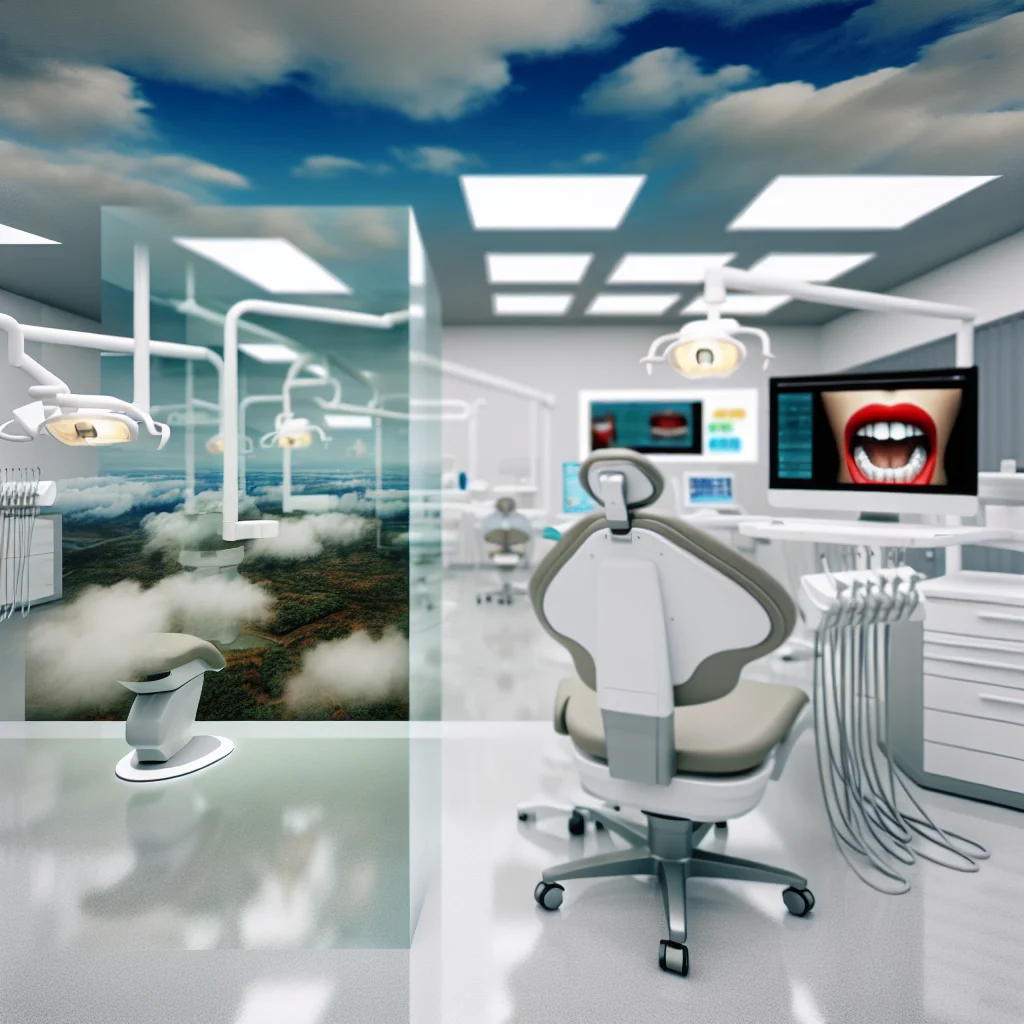
In the rapidly evolving landscape of dental care, staying ahead in the digital age necessitates embracing essential IT upgrades. Dental practices, much like other healthcare sectors, are increasingly reliant on technology to enhance patient care, streamline operations, and maintain competitive advantage. As such, integrating modern IT strategies is no longer optional but a critical component of a successful dental practice.
One of the most significant IT upgrades for dental practices is the adoption of electronic health records (EHRs). EHRs facilitate seamless access to patient information, enabling dental professionals to provide more accurate diagnoses and personalized treatment plans. By digitizing patient records, practices can reduce the risk of errors associated with paper records and improve the overall efficiency of patient management. Moreover, EHRs can be integrated with other digital tools, such as imaging software, to provide a comprehensive view of a patient’s dental history and current condition.
In addition to EHRs, dental practices should consider upgrading their imaging technology. Digital radiography, for instance, offers numerous advantages over traditional film-based methods. It provides high-quality images with reduced radiation exposure, enhancing patient safety and comfort. Furthermore, digital images can be easily stored, retrieved, and shared with other healthcare providers, facilitating better collaboration and continuity of care. This transition not only improves diagnostic accuracy but also streamlines the workflow within the practice.
Another critical IT upgrade is the implementation of robust cybersecurity measures. As dental practices increasingly rely on digital systems, they become more vulnerable to cyber threats. Protecting sensitive patient data is paramount, and practices must invest in advanced security solutions to safeguard their information. This includes employing encryption technologies, firewalls, and secure access controls. Regular staff training on cybersecurity best practices is also essential to ensure that all team members are aware of potential threats and know how to respond appropriately.
Cloud computing is another transformative IT strategy that dental practices should consider. By migrating to cloud-based systems, practices can enjoy greater flexibility, scalability, and cost-effectiveness. Cloud solutions allow for secure data storage and access from any location, facilitating remote consultations and telehealth services. This is particularly beneficial in the current climate, where remote interactions have become more prevalent. Additionally, cloud computing can reduce the need for on-site IT infrastructure, lowering maintenance costs and freeing up resources for other critical areas.
Furthermore, dental practices should explore the integration of practice management software. These systems can automate various administrative tasks, such as appointment scheduling, billing, and inventory management. By streamlining these processes, practices can improve operational efficiency and reduce the burden on staff, allowing them to focus more on patient care. Practice management software can also provide valuable insights through data analytics, helping practices make informed decisions and optimize their operations.
In conclusion, staying ahead in the digital age requires dental practices to embrace essential IT upgrades. By adopting electronic health records, upgrading imaging technology, implementing robust cybersecurity measures, leveraging cloud computing, and integrating practice management software, dental practices can enhance patient care, improve operational efficiency, and maintain a competitive edge. As technology continues to advance, it is imperative for dental practices to remain proactive in their IT strategies, ensuring they are well-equipped to meet the demands of modern healthcare.
Ensuring Dental Compliance: Navigating IT Challenges in the Dental Industry
In the rapidly evolving landscape of dental technology, ensuring compliance with industry regulations has become a paramount concern for dental practices. As the integration of advanced IT systems becomes increasingly prevalent, dental professionals must navigate a complex web of compliance requirements to protect patient data and maintain the integrity of their operations. The intersection of dental technology and modern IT strategies presents both opportunities and challenges, necessitating a comprehensive understanding of the regulatory environment and the implementation of robust IT solutions.
One of the primary challenges faced by dental practices is adhering to the Health Insurance Portability and Accountability Act (HIPAA), which sets the standard for protecting sensitive patient information. Compliance with HIPAA requires dental practices to implement stringent security measures to safeguard electronic protected health information (ePHI). This includes ensuring that all digital records are encrypted, access to patient data is restricted to authorized personnel, and regular audits are conducted to identify potential vulnerabilities. As dental practices increasingly rely on digital records and cloud-based solutions, the risk of data breaches and unauthorized access becomes a significant concern, making compliance with HIPAA regulations more critical than ever.
Moreover, the adoption of electronic health records (EHRs) and practice management software has revolutionized the way dental practices operate, offering enhanced efficiency and improved patient care. However, these technological advancements also introduce new compliance challenges. Dental practices must ensure that their IT systems are not only secure but also interoperable with other healthcare systems. This interoperability is essential for facilitating seamless communication and data exchange between different healthcare providers, ultimately improving patient outcomes. To achieve this, dental practices must invest in IT solutions that are compatible with industry standards and capable of integrating with other systems without compromising data security.
In addition to HIPAA, dental practices must also comply with various state-specific regulations, which can vary significantly across different jurisdictions. This adds another layer of complexity to the compliance landscape, requiring dental professionals to stay informed about the latest regulatory changes and ensure that their IT systems are adaptable to meet these evolving requirements. Partnering with IT service providers who specialize in the dental industry can be an effective strategy for navigating these challenges. These providers possess the expertise to design and implement IT solutions that are tailored to the unique needs of dental practices, ensuring compliance with both federal and state regulations.
Furthermore, the increasing prevalence of cyber threats poses a significant risk to dental practices, making cybersecurity a top priority. Implementing comprehensive cybersecurity measures, such as firewalls, intrusion detection systems, and regular security training for staff, is essential for protecting patient data and maintaining compliance. Dental practices must also develop and regularly update their incident response plans to quickly and effectively address any security breaches that may occur.
In conclusion, navigating the IT challenges in the dental industry requires a proactive approach to compliance, with a focus on implementing secure and interoperable IT systems. By staying informed about regulatory changes, investing in specialized IT solutions, and prioritizing cybersecurity, dental practices can ensure compliance while leveraging technology to enhance patient care. As the dental industry continues to embrace digital transformation, the ability to effectively manage IT challenges will be crucial for maintaining the trust of patients and safeguarding the future of dental practices.
Strengthening Practice Security: The Importance of Robust Dental Software Solutions
In the rapidly evolving landscape of dental technology, the integration of modern IT strategies has become indispensable for ensuring the security and efficiency of dental practices. As dental practices increasingly rely on digital solutions to manage patient records, appointment scheduling, and billing, the importance of robust dental software solutions cannot be overstated. These solutions not only streamline operations but also play a critical role in safeguarding sensitive patient information against potential security threats.
The adoption of electronic health records (EHRs) and practice management software has revolutionized the way dental practices operate. However, with this digital transformation comes the heightened risk of cyberattacks and data breaches. Dental practices, like other healthcare providers, are prime targets for cybercriminals due to the wealth of personal and financial information they handle. Therefore, implementing comprehensive dental software solutions that prioritize security is essential for protecting both the practice and its patients.
One of the key components of a robust dental software solution is data encryption. By encrypting patient data, practices can ensure that even if unauthorized access occurs, the information remains unreadable and unusable. This layer of security is crucial in maintaining patient confidentiality and complying with regulations such as the Health Insurance Portability and Accountability Act (HIPAA). Moreover, encryption should be complemented by secure user authentication processes, such as multi-factor authentication, to further safeguard access to sensitive data.
In addition to encryption and authentication, regular software updates and patches are vital in maintaining the security of dental software solutions. Cyber threats are constantly evolving, and software vendors frequently release updates to address newly discovered vulnerabilities. Dental practices must stay vigilant in applying these updates promptly to protect against potential exploits. Furthermore, partnering with reputable software providers who prioritize security in their development processes can offer an added layer of assurance.
Another critical aspect of strengthening practice security is the implementation of comprehensive backup and disaster recovery plans. Dental practices must ensure that their software solutions include automated data backup features, allowing for the regular and secure storage of patient information. In the event of a cyberattack or system failure, having a reliable backup system in place enables practices to quickly restore operations and minimize data loss. Additionally, disaster recovery plans should be regularly tested and updated to ensure their effectiveness in real-world scenarios.
Employee training also plays a pivotal role in enhancing the security of dental practices. Even the most advanced software solutions can be compromised by human error or negligence. Therefore, it is essential for dental practices to invest in ongoing cybersecurity training for their staff. Educating employees about the latest security threats, safe data handling practices, and the importance of strong passwords can significantly reduce the risk of data breaches.
In conclusion, as dental practices continue to embrace digital solutions, the importance of robust dental software solutions in strengthening practice security cannot be overlooked. By prioritizing data encryption, regular software updates, comprehensive backup systems, and employee training, dental practices can effectively safeguard sensitive patient information and maintain the trust of their patients. As the landscape of dental technology continues to evolve, staying informed about the latest IT strategies and security measures will be crucial for ensuring the long-term success and security of dental practices.
Discover the future of dental care with cutting-edge technology and modern IT strategies. Dive into “Dental IT Insights: Dental technology and Modern IT Strategies (14)” and transform your practice today! Learn more.