The Role Of Dental Software In Modernizing Dental Practices
In the rapidly evolving landscape of dental care, the integration of advanced technology has become indispensable for modernizing dental practices. Central to this transformation is the role of dental software, which has revolutionized the way dental professionals manage their practices, interact with patients, and deliver care. As dental practices strive to enhance efficiency and patient satisfaction, the adoption of sophisticated dental software solutions has emerged as a critical strategy.
To begin with, dental software streamlines administrative tasks, which are often time-consuming and prone to human error. By automating appointment scheduling, billing, and patient record management, dental software reduces the administrative burden on staff, allowing them to focus more on patient care. This automation not only enhances operational efficiency but also minimizes the risk of errors, thereby improving the overall quality of service. Moreover, with features such as electronic health records (EHRs), dental software ensures that patient information is easily accessible and securely stored, facilitating seamless communication among dental professionals.
In addition to administrative efficiency, dental software plays a pivotal role in enhancing patient engagement and satisfaction. Through patient portals, individuals can conveniently access their dental records, schedule appointments, and communicate with their dental care providers. This level of accessibility empowers patients to take an active role in their oral health management, fostering a sense of trust and collaboration between patients and practitioners. Furthermore, dental software often includes features for sending automated reminders for upcoming appointments or follow-up care, reducing the likelihood of missed appointments and ensuring continuity of care.
Transitioning to the clinical aspect, dental software significantly contributes to improving diagnostic accuracy and treatment planning. Advanced imaging software, for instance, allows for precise visualization of dental structures, aiding in the early detection of oral health issues. This capability not only enhances diagnostic accuracy but also supports the development of personalized treatment plans tailored to the unique needs of each patient. Additionally, dental software often integrates with other digital tools, such as CAD/CAM systems, to facilitate the design and fabrication of dental prosthetics, thereby streamlining the treatment process and reducing turnaround times.
Moreover, the integration of dental software with modern IT strategies, such as cloud computing and data analytics, further amplifies its impact on dental practice modernization. Cloud-based solutions offer scalability and flexibility, enabling dental practices to access and manage data from any location with internet connectivity. This is particularly beneficial for multi-location practices, as it ensures consistency and coordination across different sites. Meanwhile, data analytics tools embedded within dental software provide valuable insights into practice performance, patient demographics, and treatment outcomes. By leveraging these insights, dental practices can make informed decisions to optimize their operations and enhance patient care.
In conclusion, the role of dental software in modernizing dental practices cannot be overstated. By automating administrative tasks, enhancing patient engagement, improving diagnostic accuracy, and integrating with modern IT strategies, dental software serves as a cornerstone for the evolution of dental care. As technology continues to advance, dental practices that embrace these innovations will be well-positioned to deliver superior care and achieve sustainable growth in an increasingly competitive landscape. The ongoing development and implementation of dental software solutions will undoubtedly continue to shape the future of dentistry, driving improvements in both practice management and patient outcomes.
Cloud Integration: Transforming Dental Technology For The Future
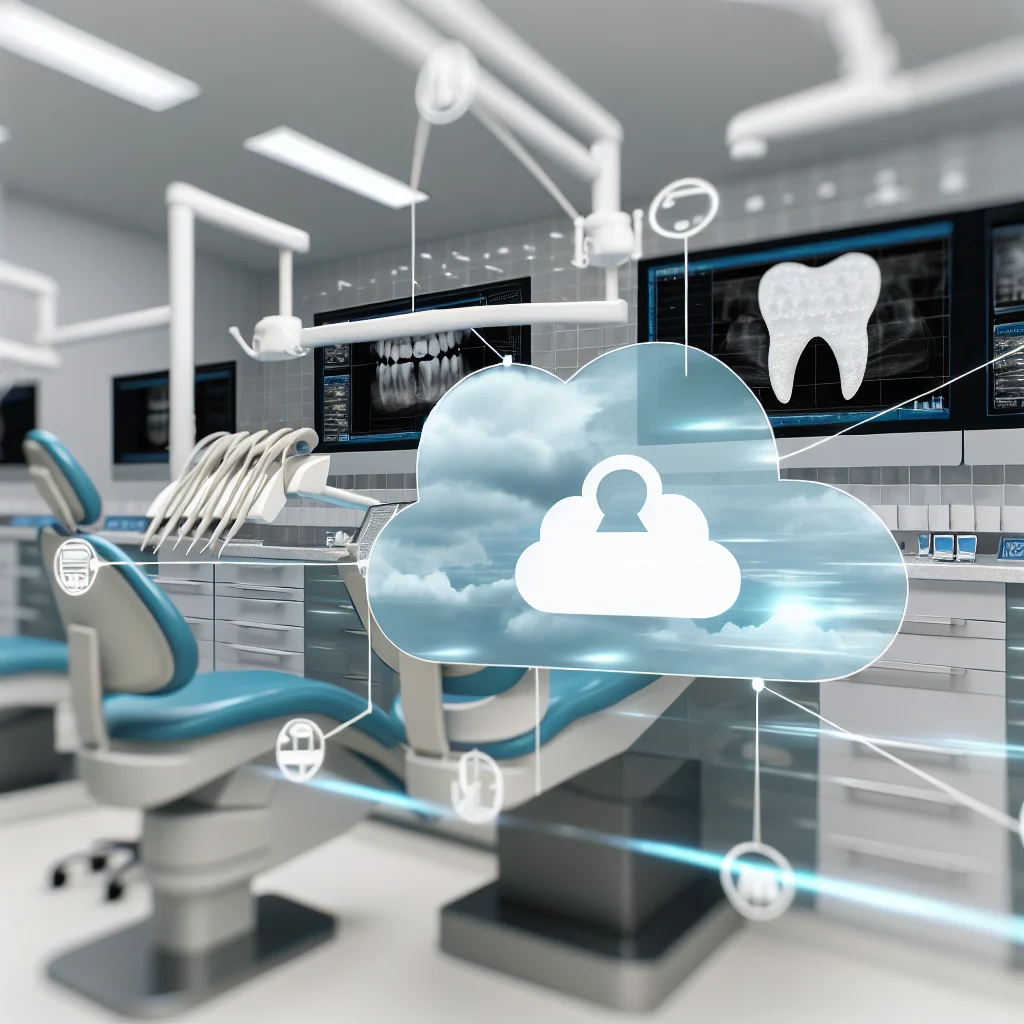
In the rapidly evolving landscape of dental technology, cloud integration stands out as a transformative force, reshaping how dental practices operate and deliver care. As dental professionals increasingly recognize the benefits of digital solutions, the integration of cloud technology has become a pivotal strategy for modernizing operations and enhancing patient care. This shift towards cloud-based systems is not merely a trend but a fundamental change in how dental practices manage data, streamline workflows, and ensure security.
One of the primary advantages of cloud integration in dental technology is the enhanced accessibility it offers. By moving data and applications to the cloud, dental professionals can access patient records, treatment plans, and diagnostic tools from any location with an internet connection. This flexibility is particularly beneficial for multi-location practices or for professionals who need to consult with colleagues remotely. Moreover, cloud-based systems facilitate real-time collaboration, allowing dental teams to work together more efficiently, regardless of their physical location.
In addition to improved accessibility, cloud integration significantly enhances data security and compliance. Dental practices handle a vast amount of sensitive patient information, making data protection a top priority. Cloud service providers invest heavily in security measures, offering advanced encryption, regular security updates, and robust backup solutions. These features help ensure that patient data is protected against unauthorized access and potential breaches. Furthermore, cloud systems are designed to comply with healthcare regulations such as the Health Insurance Portability and Accountability Act (HIPAA), providing an added layer of assurance for dental practices.
Another critical aspect of cloud integration is its impact on operational efficiency. Traditional on-premises systems often require significant investment in hardware and IT support, which can be a burden for many dental practices. In contrast, cloud-based solutions reduce the need for physical infrastructure and minimize maintenance costs. This shift allows dental practices to allocate resources more effectively, focusing on patient care rather than IT management. Additionally, cloud systems offer scalability, enabling practices to easily adjust their IT resources in response to changing needs, such as expanding services or accommodating a growing patient base.
The integration of cloud technology also paves the way for advanced data analytics and artificial intelligence (AI) applications in dentistry. By leveraging cloud-based platforms, dental practices can harness the power of big data to gain insights into patient trends, treatment outcomes, and operational performance. These insights can inform decision-making, improve patient care, and drive practice growth. Furthermore, AI-powered tools can assist in diagnostics, treatment planning, and patient engagement, enhancing the overall quality of care provided.
As dental practices continue to embrace digital transformation, the role of cloud integration becomes increasingly vital. It not only supports the adoption of new technologies but also ensures that these innovations are implemented in a secure, efficient, and cost-effective manner. By integrating cloud solutions, dental professionals can stay at the forefront of technological advancements, offering enhanced services to their patients while maintaining a competitive edge in the industry.
In conclusion, cloud integration is a cornerstone of modern IT strategies in dental technology, offering numerous benefits that transform how dental practices operate. From improved accessibility and data security to enhanced operational efficiency and advanced analytics, the cloud is reshaping the future of dentistry. As the industry continues to evolve, embracing cloud technology will be essential for dental practices seeking to thrive in an increasingly digital world.
Essential IT Upgrades For Enhancing Dental Practice Efficiency
In the rapidly evolving landscape of dental care, integrating advanced technology and modern IT strategies has become essential for enhancing practice efficiency. As dental practices strive to provide superior patient care while optimizing operational workflows, investing in essential IT upgrades is no longer optional but a necessity. These upgrades not only streamline administrative tasks but also enhance patient experiences, ultimately contributing to the overall success of the practice.
To begin with, one of the most significant IT upgrades for dental practices is the implementation of electronic health records (EHR) systems. EHRs replace traditional paper records, offering a more organized and accessible way to manage patient information. By digitizing patient records, dental practices can ensure that critical information is readily available to authorized personnel, reducing the time spent on manual data retrieval. Moreover, EHR systems facilitate seamless communication between different departments within the practice, ensuring that all team members are on the same page regarding patient care.
In addition to EHR systems, investing in practice management software is another crucial upgrade. This software streamlines various administrative tasks such as appointment scheduling, billing, and patient communication. By automating these processes, dental practices can reduce the likelihood of human error and free up staff time for more patient-focused activities. Furthermore, practice management software often includes features that allow for better inventory management, ensuring that dental supplies are adequately stocked and reducing the risk of treatment delays due to shortages.
Another essential IT upgrade involves enhancing cybersecurity measures. As dental practices increasingly rely on digital systems to store sensitive patient information, the risk of data breaches becomes a significant concern. Implementing robust cybersecurity protocols, such as encryption and multi-factor authentication, is vital to protect patient data from unauthorized access. Additionally, regular staff training on cybersecurity best practices can help prevent accidental data breaches caused by human error. By prioritizing data security, dental practices can build trust with their patients, knowing that their personal information is safeguarded.
Moreover, integrating digital imaging technology is a transformative upgrade that can significantly enhance diagnostic capabilities. Digital radiography, for instance, provides high-quality images with lower radiation exposure compared to traditional X-rays. This technology not only improves diagnostic accuracy but also allows for quicker image processing and sharing. Consequently, dental professionals can make more informed decisions and communicate findings more effectively with patients, leading to improved treatment outcomes.
Furthermore, adopting cloud-based solutions offers dental practices the flexibility and scalability needed to adapt to changing demands. Cloud-based systems enable secure access to patient data and practice management tools from any location, facilitating remote consultations and telehealth services. This capability is particularly beneficial in situations where in-person visits are not feasible, ensuring continuity of care. Additionally, cloud solutions often come with automatic updates and backups, reducing the burden on in-house IT resources and minimizing downtime.
Finally, the integration of artificial intelligence (AI) into dental practice operations is an emerging trend that holds great promise. AI-powered tools can assist in various aspects of dental care, from automating routine tasks to providing predictive analytics for patient outcomes. For example, AI algorithms can analyze dental images to detect early signs of oral health issues, allowing for proactive intervention. By leveraging AI, dental practices can enhance diagnostic accuracy and improve patient care efficiency.
In conclusion, essential IT upgrades play a pivotal role in enhancing the efficiency of dental practices. By embracing electronic health records, practice management software, cybersecurity measures, digital imaging technology, cloud-based solutions, and artificial intelligence, dental practices can streamline operations, improve patient care, and stay competitive in an increasingly digital world. As technology continues to advance, staying abreast of these developments will be crucial for dental practices aiming to deliver exceptional service and achieve long-term success.
Navigating Dental Compliance With Advanced IT Strategies
In the rapidly evolving landscape of dental technology, compliance with regulatory standards has become a critical concern for dental practices. As the integration of advanced IT strategies becomes more prevalent, navigating the complex web of dental compliance requires a nuanced understanding of both technological capabilities and regulatory requirements. The intersection of these domains presents both challenges and opportunities for dental professionals seeking to maintain compliance while leveraging technology to enhance patient care.
To begin with, the Health Insurance Portability and Accountability Act (HIPAA) sets the standard for protecting sensitive patient data in the United States. Dental practices must ensure that their IT systems are designed to safeguard patient information against unauthorized access and breaches. This necessitates the implementation of robust cybersecurity measures, including encryption, firewalls, and secure access controls. By adopting these advanced IT strategies, dental practices can not only comply with HIPAA regulations but also build trust with their patients by demonstrating a commitment to data security.
Moreover, the increasing digitization of dental records and imaging requires practices to adopt comprehensive data management strategies. Electronic Health Records (EHR) systems, for instance, must be configured to ensure data integrity and availability while also facilitating seamless access for authorized personnel. This is where cloud-based solutions come into play, offering scalable and secure platforms for storing and managing patient data. By utilizing cloud technology, dental practices can achieve greater flexibility and efficiency in data management, thereby enhancing their ability to comply with regulatory standards.
In addition to data security and management, dental practices must also consider the implications of technology on patient privacy. Advanced IT strategies can help address these concerns by implementing privacy-by-design principles in the development and deployment of dental technologies. This approach ensures that privacy considerations are integrated into the technology from the outset, rather than being an afterthought. By prioritizing patient privacy, dental practices can not only meet compliance requirements but also foster a culture of respect and transparency.
Furthermore, the role of IT in compliance extends beyond data protection and privacy. Dental practices must also ensure that their technology solutions are aligned with industry standards and best practices. This involves regular audits and assessments of IT systems to identify potential vulnerabilities and areas for improvement. By conducting these evaluations, dental practices can proactively address compliance issues and mitigate risks associated with technological advancements.
Training and education also play a crucial role in navigating dental compliance with advanced IT strategies. Dental professionals must be equipped with the knowledge and skills necessary to effectively utilize technology while adhering to regulatory standards. This includes ongoing training on the latest compliance requirements and technological innovations. By investing in education, dental practices can empower their staff to make informed decisions and contribute to a culture of compliance.
In conclusion, the integration of advanced IT strategies in dental practices presents a unique opportunity to enhance compliance with regulatory standards. By prioritizing data security, privacy, and alignment with industry best practices, dental professionals can navigate the complexities of compliance while leveraging technology to improve patient care. As the dental industry continues to evolve, embracing these strategies will be essential for maintaining compliance and ensuring the long-term success of dental practices. Through a commitment to innovation and education, dental professionals can confidently navigate the challenges of compliance in the digital age.
Strengthening Practice Security Through Digital Dentistry Innovations
In the rapidly evolving landscape of dental technology, the integration of modern IT strategies has become paramount in strengthening practice security. As dental practices increasingly adopt digital solutions, the need to safeguard sensitive patient information has never been more critical. The convergence of digital dentistry innovations and robust IT strategies offers a promising pathway to enhance security measures while maintaining the efficiency and effectiveness of dental care.
To begin with, the digitization of dental records and imaging has revolutionized the way dental practices operate. Electronic Health Records (EHRs) and digital imaging systems have replaced traditional paper records, offering a more streamlined and accessible approach to patient data management. However, this shift also introduces new vulnerabilities, as digital records are susceptible to cyber threats. Consequently, implementing comprehensive cybersecurity measures is essential to protect patient information from unauthorized access and data breaches.
One of the primary strategies to bolster security in digital dentistry is the adoption of advanced encryption technologies. Encryption ensures that patient data is transformed into a secure format that can only be accessed by authorized personnel. By encrypting data both at rest and in transit, dental practices can significantly reduce the risk of data breaches. Moreover, encryption serves as a critical line of defense against ransomware attacks, which have become increasingly prevalent in the healthcare sector.
In addition to encryption, the implementation of multi-factor authentication (MFA) is another effective strategy to enhance security. MFA requires users to provide multiple forms of verification before accessing sensitive information, thereby adding an extra layer of protection. This approach minimizes the risk of unauthorized access, even if login credentials are compromised. By integrating MFA into their IT infrastructure, dental practices can ensure that only authorized personnel have access to patient data and critical systems.
Furthermore, regular security audits and vulnerability assessments are crucial components of a robust IT strategy. These assessments help identify potential weaknesses in the system and provide an opportunity to address them proactively. By conducting regular audits, dental practices can stay ahead of emerging threats and ensure that their security measures are up to date. Additionally, these audits can help practices comply with regulatory requirements, such as the Health Insurance Portability and Accountability Act (HIPAA), which mandates the protection of patient information.
Another vital aspect of strengthening practice security is staff training and awareness. Human error remains one of the leading causes of data breaches, making it imperative for dental practices to educate their staff on best practices for data security. Regular training sessions can help employees recognize phishing attempts, understand the importance of strong passwords, and adhere to security protocols. By fostering a culture of security awareness, dental practices can significantly reduce the risk of data breaches caused by human error.
Moreover, the integration of cloud-based solutions offers both opportunities and challenges for dental practices. While cloud services provide scalability and flexibility, they also require careful consideration of security measures. Dental practices must ensure that their cloud service providers adhere to stringent security standards and offer robust data protection features. By selecting reputable providers and implementing strong access controls, practices can leverage the benefits of cloud technology while safeguarding patient information.
In conclusion, the intersection of dental technology and modern IT strategies presents a unique opportunity to enhance practice security. By adopting advanced encryption, multi-factor authentication, regular security audits, and comprehensive staff training, dental practices can protect sensitive patient information from cyber threats. As digital dentistry continues to evolve, staying vigilant and proactive in implementing robust security measures will be essential to maintaining the trust and confidence of patients in the digital age.
Unlock the future of your dental practice with cutting-edge technology and modern IT strategies. Discover how Dental IT Insights can transform your operations and enhance patient care. Learn more now!