The Future Of Dental Software: Embracing Digital Dentistry
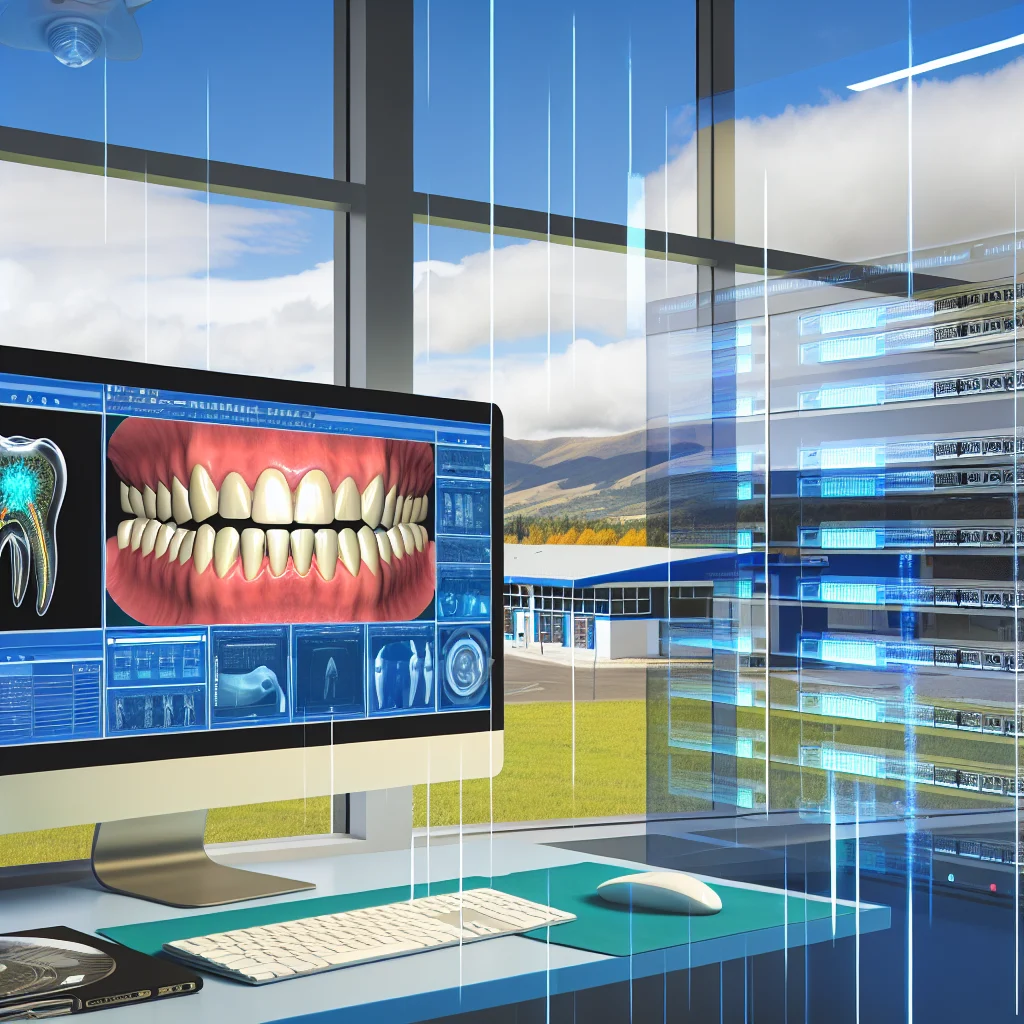
The future of dental software is poised to revolutionize the field of dentistry, ushering in an era of digital dentistry that promises to enhance patient care, streamline operations, and improve overall efficiency. As technology continues to advance at a rapid pace, dental professionals are increasingly recognizing the potential of digital tools to transform their practices. This shift towards digital dentistry is not merely a trend but a fundamental change in how dental care is delivered, with software playing a pivotal role in this transformation.
One of the most significant advancements in dental software is the integration of artificial intelligence (AI) and machine learning. These technologies are enabling more accurate diagnoses and treatment planning by analyzing vast amounts of data quickly and efficiently. For instance, AI algorithms can assist in interpreting radiographs, identifying potential issues that may be overlooked by the human eye. This not only enhances diagnostic accuracy but also allows for early intervention, ultimately improving patient outcomes. Moreover, AI-driven software can personalize treatment plans based on individual patient data, ensuring that care is tailored to meet specific needs.
In addition to AI, cloud-based dental software solutions are becoming increasingly prevalent. These platforms offer numerous advantages, including enhanced data security, accessibility, and collaboration. By storing patient records and other critical information in the cloud, dental practices can ensure that data is protected against loss or damage while also enabling seamless access from any location. This is particularly beneficial for multi-location practices or those that require remote consultations. Furthermore, cloud-based systems facilitate collaboration among dental professionals, allowing for the sharing of information and expertise to provide comprehensive care.
Another area where dental software is making significant strides is in patient engagement and communication. Modern dental software solutions often include features such as automated appointment reminders, online booking systems, and patient portals. These tools not only improve the patient experience by making it more convenient and accessible but also help practices reduce no-show rates and enhance overall efficiency. By fostering better communication between patients and providers, dental software is helping to build stronger relationships and improve patient satisfaction.
The integration of digital imaging and 3D printing technologies into dental software is also transforming the field. Digital imaging allows for precise and detailed visualizations of a patient’s oral structures, facilitating more accurate diagnoses and treatment planning. When combined with 3D printing, dental professionals can create custom dental appliances, such as crowns, bridges, and aligners, with unprecedented precision and speed. This not only reduces the time patients spend in the dental chair but also improves the fit and function of dental restorations.
As dental software continues to evolve, it is essential for dental professionals to stay informed about the latest developments and consider how these technologies can be integrated into their practices. Embracing digital dentistry requires an investment in both time and resources, but the potential benefits are substantial. By adopting advanced software solutions, dental practices can enhance patient care, improve operational efficiency, and stay competitive in an increasingly digital world.
In conclusion, the future of dental software is bright, with digital dentistry offering numerous opportunities for innovation and improvement. As technology continues to advance, dental professionals must be proactive in embracing these changes to ensure they are providing the highest quality care to their patients. By leveraging the power of AI, cloud-based solutions, patient engagement tools, and digital imaging, the dental industry is well-positioned to meet the challenges of the future and deliver exceptional care in the digital age.
Enhancing Practice Security Through Advanced Dental Technology
In the rapidly evolving landscape of dental technology, the integration of advanced IT solutions has become paramount in enhancing practice security. As dental practices increasingly rely on digital systems to manage patient records, appointment scheduling, and billing, the need for robust cybersecurity measures has never been more critical. The transition from paper-based systems to digital platforms offers numerous benefits, including improved efficiency and accessibility. However, it also introduces vulnerabilities that can be exploited by cybercriminals. Therefore, understanding and implementing advanced dental technology to safeguard sensitive information is essential for any modern dental practice.
One of the primary concerns in dental IT security is the protection of patient data. Dental practices handle a wealth of sensitive information, from personal identification details to medical histories and insurance information. This data is highly valuable to cybercriminals, making dental practices attractive targets for data breaches. To mitigate these risks, practices must adopt comprehensive cybersecurity strategies. This includes employing encryption technologies to protect data both in transit and at rest. Encryption ensures that even if data is intercepted, it remains unreadable to unauthorized individuals, thereby safeguarding patient privacy.
In addition to encryption, implementing multi-factor authentication (MFA) is a crucial step in enhancing practice security. MFA requires users to provide two or more verification factors to gain access to digital systems, making it significantly more difficult for unauthorized users to breach these systems. By requiring something the user knows (such as a password) and something the user has (such as a mobile device for a verification code), MFA adds an additional layer of security that can thwart potential cyberattacks.
Moreover, regular software updates and patches are vital in maintaining the security of dental IT systems. Cybercriminals often exploit vulnerabilities in outdated software to gain unauthorized access to systems. By ensuring that all software, including operating systems and dental management applications, are up-to-date, practices can protect themselves against known vulnerabilities. Automated update systems can assist in this process, ensuring that updates are applied promptly without disrupting daily operations.
Another critical aspect of enhancing practice security through advanced dental technology is staff training. Human error remains one of the most significant risks to cybersecurity. Therefore, educating staff about best practices in data protection, recognizing phishing attempts, and understanding the importance of strong, unique passwords is essential. Regular training sessions can keep staff informed about the latest cybersecurity threats and how to mitigate them effectively.
Furthermore, dental practices should consider investing in comprehensive cybersecurity insurance. While preventive measures are crucial, having a safety net in the form of insurance can provide financial protection in the event of a data breach. This insurance can cover costs associated with data recovery, legal fees, and patient notification, thereby minimizing the financial impact on the practice.
In conclusion, as dental practices continue to embrace digital transformation, the importance of enhancing practice security through advanced dental technology cannot be overstated. By implementing encryption, multi-factor authentication, regular software updates, and staff training, practices can significantly reduce their vulnerability to cyber threats. Additionally, investing in cybersecurity insurance provides an added layer of protection, ensuring that practices are well-prepared to handle any potential breaches. As technology continues to advance, staying informed and proactive in cybersecurity measures will be essential for maintaining the trust and confidence of patients in the digital age.
IT Upgrades For Dental Practices: Staying Ahead In The Digital Age
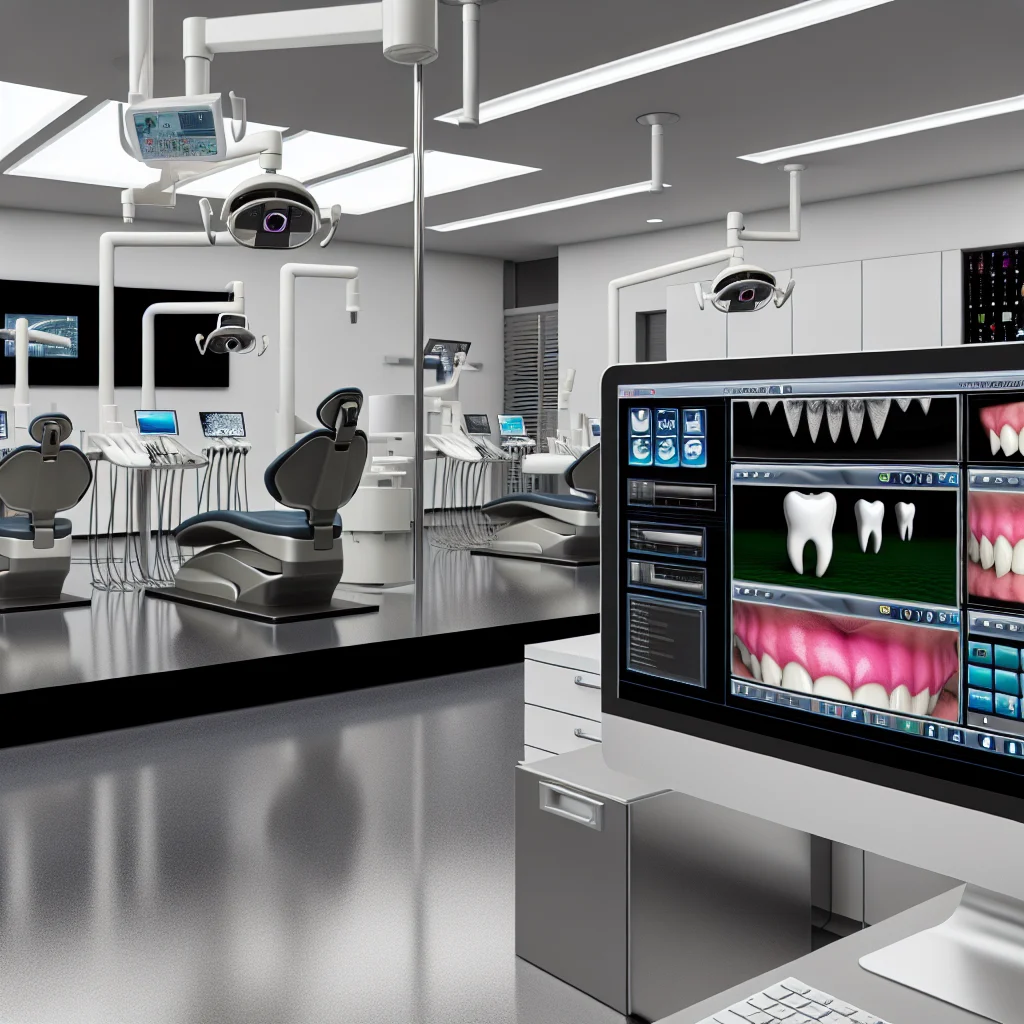
In the rapidly evolving landscape of dental care, staying ahead in the digital age requires dental practices to embrace IT upgrades that enhance efficiency, patient care, and overall operational effectiveness. As technology continues to advance, dental practices must adapt to these changes to remain competitive and provide the highest quality of care. The integration of cutting-edge technology not only streamlines administrative tasks but also significantly improves diagnostic and treatment capabilities.
One of the most significant advancements in dental technology is the adoption of digital imaging systems. Traditional X-rays, while still in use, are increasingly being replaced by digital radiography. This technology offers numerous advantages, including reduced radiation exposure for patients and immediate image availability for practitioners. Digital images can be easily enhanced, stored, and shared, facilitating better communication between dental professionals and specialists. Moreover, the ability to manipulate images allows for more accurate diagnoses and treatment planning, ultimately leading to improved patient outcomes.
In addition to digital imaging, the implementation of electronic health records (EHRs) has revolutionized the way dental practices manage patient information. EHRs provide a centralized platform for storing and accessing patient data, streamlining the workflow for dental teams. This technology not only reduces the risk of errors associated with paper records but also enhances the ability to track patient history and treatment progress. Furthermore, EHRs facilitate seamless communication with other healthcare providers, ensuring a comprehensive approach to patient care.
Another critical aspect of IT upgrades in dental practices is the integration of practice management software. This software automates various administrative tasks, such as appointment scheduling, billing, and inventory management. By reducing the time spent on these tasks, dental professionals can focus more on patient care. Additionally, practice management software often includes features that enhance patient engagement, such as automated appointment reminders and online portals for accessing treatment plans and billing information. These tools not only improve patient satisfaction but also contribute to the overall efficiency of the practice.
The rise of teledentistry is another noteworthy development in the realm of dental technology. Teledentistry allows dental professionals to consult with patients remotely, providing a convenient option for those who may have difficulty accessing in-person care. This technology is particularly beneficial for routine consultations and follow-up appointments, reducing the need for patients to travel to the dental office. Moreover, teledentistry can facilitate collaboration between dental professionals, enabling them to share expertise and provide more comprehensive care.
As dental practices continue to embrace these technological advancements, cybersecurity becomes an increasingly important consideration. Protecting patient data is paramount, and dental practices must implement robust security measures to safeguard sensitive information. This includes using encryption, firewalls, and secure access controls to prevent unauthorized access to patient records. Regular staff training on cybersecurity best practices is also essential to ensure that all team members are aware of potential threats and know how to respond appropriately.
In conclusion, staying ahead in the digital age requires dental practices to invest in IT upgrades that enhance both clinical and administrative functions. By adopting digital imaging systems, electronic health records, practice management software, and teledentistry, dental practices can improve patient care and operational efficiency. However, it is equally important to prioritize cybersecurity to protect patient data and maintain trust. As technology continues to evolve, dental practices that embrace these advancements will be well-positioned to thrive in the competitive healthcare landscape.
Navigating Dental Compliance With Modern IT Solutions
In the rapidly evolving landscape of dental technology, navigating compliance has become a critical concern for dental practices. As regulations become more stringent and the digital transformation of healthcare continues, dental professionals must leverage modern IT solutions to ensure compliance while maintaining efficient operations. The integration of advanced technology into dental practices not only enhances patient care but also plays a pivotal role in adhering to regulatory standards.
One of the primary challenges in dental compliance is the protection of patient data. With the increasing digitization of health records, safeguarding sensitive information has become paramount. Modern IT solutions offer robust data encryption and secure storage options, ensuring that patient information is protected from unauthorized access. By implementing these technologies, dental practices can comply with regulations such as the Health Insurance Portability and Accountability Act (HIPAA), which mandates the protection of patient health information.
Moreover, the adoption of cloud-based solutions has revolutionized the way dental practices manage compliance. Cloud technology provides a secure platform for storing and accessing patient data, allowing for seamless updates and backups. This not only ensures data integrity but also facilitates compliance with data retention policies. Additionally, cloud solutions offer scalability, enabling practices to adjust their storage needs as they grow, without compromising on security or compliance.
In addition to data protection, modern IT solutions assist in streamlining administrative processes, which are often subject to regulatory scrutiny. Electronic health records (EHR) systems, for instance, have become indispensable in managing patient information efficiently. These systems not only improve the accuracy of patient records but also ensure that documentation is complete and up-to-date, a critical aspect of compliance. By automating routine tasks, EHR systems reduce the risk of human error, thereby enhancing compliance with documentation standards.
Furthermore, dental practices must also consider the compliance implications of telehealth services, which have gained prominence in recent years. Telehealth offers a convenient way for patients to receive care remotely, but it also introduces new compliance challenges. Modern IT solutions provide secure communication platforms that comply with privacy regulations, ensuring that virtual consultations are conducted in a manner that protects patient confidentiality. By utilizing these technologies, dental practices can expand their services while remaining compliant with telehealth regulations.
Training and education are also crucial components of compliance, and modern IT solutions offer innovative ways to enhance staff training. Online training modules and compliance management software provide dental professionals with the tools they need to stay informed about regulatory changes and best practices. These resources ensure that staff members are well-equipped to handle compliance-related tasks, reducing the risk of non-compliance due to lack of knowledge or oversight.
In conclusion, navigating dental compliance in the modern era requires a strategic approach that leverages advanced IT solutions. By prioritizing data protection, streamlining administrative processes, embracing telehealth, and investing in staff training, dental practices can effectively manage compliance challenges. As technology continues to advance, staying informed and adaptable will be key to maintaining compliance and delivering high-quality patient care. Through the integration of modern IT solutions, dental practices can not only meet regulatory requirements but also enhance their overall operational efficiency.
Cloud Integration In Dentistry: Transforming Patient Care And Data Management
In recent years, the integration of cloud technology in dentistry has emerged as a transformative force, reshaping the landscape of patient care and data management. As dental practices increasingly adopt digital solutions, the cloud offers a robust platform for enhancing operational efficiency, improving patient outcomes, and ensuring data security. This shift towards cloud-based systems is driven by the need for more streamlined processes and the growing demand for accessible, real-time information.
One of the primary advantages of cloud integration in dentistry is the ability to centralize patient data. Traditionally, dental records were stored in physical files or on local servers, which posed challenges in terms of accessibility and data sharing. With cloud technology, dental professionals can access patient information from any location, provided they have an internet connection. This capability is particularly beneficial for practices with multiple locations or for specialists who need to collaborate on patient care. By having a centralized repository of patient data, dental teams can ensure continuity of care, as all relevant information is readily available to authorized personnel.
Moreover, cloud-based systems facilitate seamless communication between dental professionals and their patients. Through secure patient portals, individuals can access their dental records, appointment schedules, and treatment plans. This transparency empowers patients to take an active role in their oral health, fostering a collaborative relationship between them and their dental care providers. Additionally, the ability to send automated reminders and notifications through the cloud helps reduce missed appointments and enhances patient engagement.
Another significant benefit of cloud integration is the enhancement of data security. Dental practices are entrusted with sensitive patient information, and safeguarding this data is paramount. Cloud service providers employ advanced security measures, such as encryption and multi-factor authentication, to protect against unauthorized access and data breaches. Furthermore, regular backups and disaster recovery solutions ensure that patient data is not lost in the event of a system failure or cyberattack. By leveraging these security features, dental practices can maintain compliance with regulations such as the Health Insurance Portability and Accountability Act (HIPAA), which mandates the protection of patient information.
In addition to improving data management and security, cloud technology also supports the adoption of advanced dental technologies. For instance, digital imaging systems and computer-aided design and manufacturing (CAD/CAM) tools can be integrated with cloud platforms, allowing for the efficient storage and sharing of high-resolution images and 3D models. This integration not only streamlines workflows but also enhances diagnostic accuracy and treatment planning. As a result, dental professionals can deliver more precise and personalized care to their patients.
Furthermore, cloud-based solutions offer scalability, enabling dental practices to expand their services without the need for significant investments in IT infrastructure. As a practice grows, additional storage and computing resources can be easily acquired through the cloud, ensuring that the system can accommodate increased data volumes and user demands. This flexibility is particularly advantageous for small to medium-sized practices that may have limited resources but still wish to leverage cutting-edge technology.
In conclusion, the integration of cloud technology in dentistry is revolutionizing patient care and data management. By centralizing patient information, enhancing communication, ensuring data security, and supporting advanced technologies, cloud-based systems are empowering dental professionals to deliver higher quality care. As the dental industry continues to evolve, embracing cloud solutions will be essential for practices seeking to remain competitive and meet the ever-changing needs of their patients.
Discover the latest advancements in dental technology with our comprehensive insights. Stay ahead in the dental industry by exploring cutting-edge innovations and trends. Learn more about Dental IT Insights now!