The Future Of Dental Software: Enhancing Patient Care And Efficiency
The future of dental software is poised to revolutionize the way dental practices operate, enhancing both patient care and operational efficiency. As technology continues to advance at a rapid pace, dental professionals are increasingly integrating sophisticated software solutions into their practices. These innovations are not only streamlining administrative tasks but also significantly improving the quality of patient care. By embracing these technological advancements, dental practices can offer more personalized and efficient services, ultimately leading to better patient outcomes.
One of the most significant developments in dental software is the integration of artificial intelligence (AI) and machine learning. These technologies are transforming diagnostic processes by enabling more accurate and faster analysis of dental images. For instance, AI algorithms can now assist in identifying cavities, gum disease, and other oral health issues with remarkable precision. This not only aids dentists in making more informed decisions but also enhances the overall patient experience by reducing the time spent on diagnostics. Furthermore, AI-driven software can predict potential dental problems before they become severe, allowing for proactive treatment plans that can prevent more serious issues down the line.
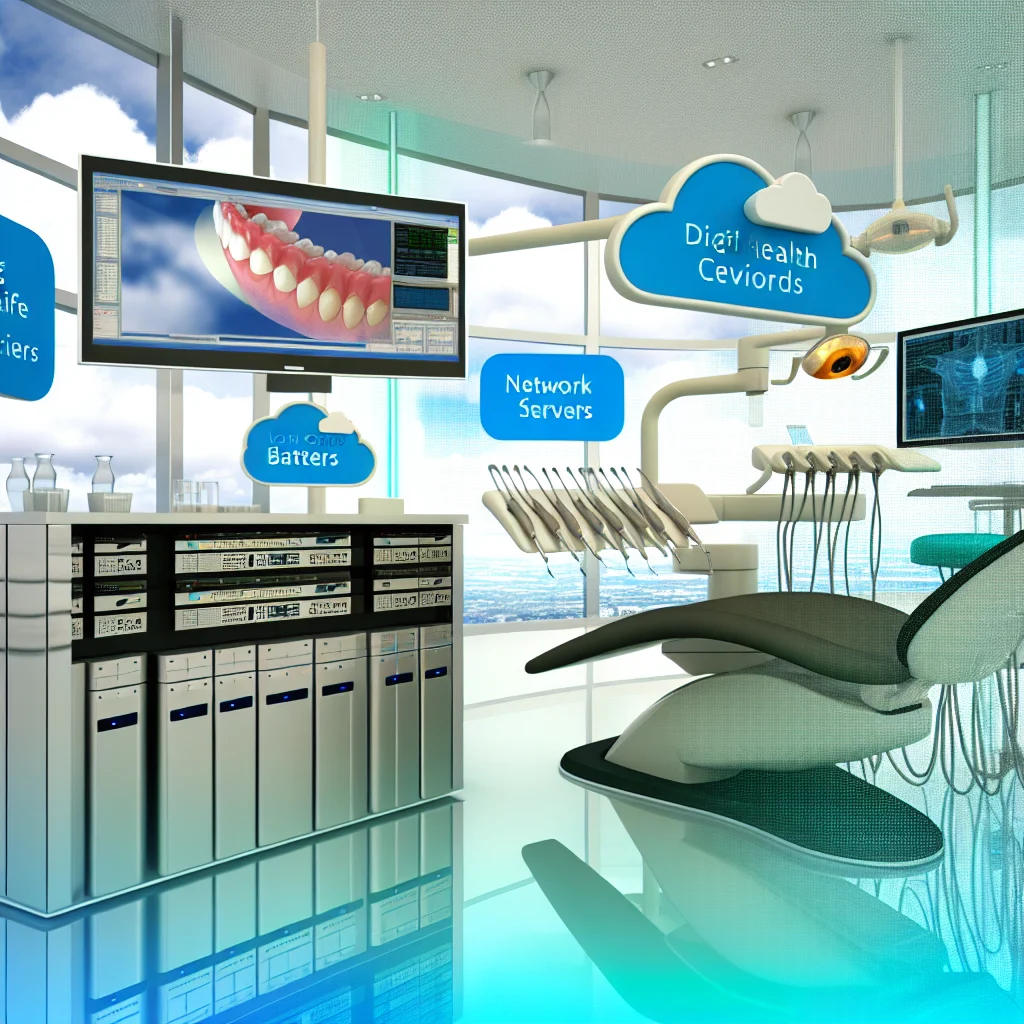
In addition to diagnostic improvements, dental software is also enhancing patient management systems. Modern dental practices are increasingly adopting cloud-based solutions that offer seamless integration of patient records, appointment scheduling, and billing systems. This integration ensures that all patient information is easily accessible and up-to-date, reducing the likelihood of errors and improving communication between dental staff and patients. Moreover, these systems often include features such as automated appointment reminders and online booking options, which not only enhance patient convenience but also reduce no-show rates, thereby increasing practice efficiency.
Another area where dental software is making a significant impact is in treatment planning and simulation. Advanced software tools now allow dentists to create detailed 3D models of a patient’s oral cavity, enabling them to plan complex procedures with greater accuracy. These models can be used to simulate various treatment scenarios, helping both the dentist and the patient visualize the expected outcomes. This not only aids in setting realistic expectations but also enhances patient trust and satisfaction. Additionally, such software can facilitate better communication between dental professionals, as they can easily share detailed treatment plans and collaborate on complex cases.
The integration of telehealth capabilities into dental software is another promising development. Telehealth solutions enable dentists to conduct virtual consultations, providing patients with access to professional advice without the need for an in-person visit. This is particularly beneficial for patients in remote areas or those with mobility issues, as it ensures they receive timely care. Furthermore, telehealth can be used for follow-up appointments, allowing dentists to monitor a patient’s progress and make necessary adjustments to treatment plans without requiring them to visit the clinic.
As dental software continues to evolve, it is essential for dental professionals to stay informed about the latest advancements and consider how these technologies can be integrated into their practices. By doing so, they can enhance the quality of care they provide while also improving operational efficiency. Ultimately, the future of dental software holds great promise for both practitioners and patients, offering a more streamlined, accurate, and patient-centered approach to dental care. As these technologies become more widespread, they will undoubtedly play a crucial role in shaping the future of dentistry, ensuring that patients receive the highest standard of care possible.
Strengthening Practice Security: Essential IT Upgrades For Dental Offices
In the rapidly evolving landscape of dental technology, ensuring robust security measures within dental practices has become paramount. As dental offices increasingly rely on digital systems to manage patient records, appointment scheduling, and billing, the need for comprehensive IT upgrades to safeguard sensitive information has never been more critical. The integration of advanced technology in dental practices offers numerous benefits, including improved patient care and streamlined operations. However, it also presents significant challenges, particularly in the realm of data security. Therefore, understanding and implementing essential IT upgrades is crucial for dental offices aiming to protect their patients’ information and maintain trust.
One of the primary concerns for dental practices is the protection of electronic health records (EHRs). These records contain sensitive patient information, making them a prime target for cybercriminals. To mitigate this risk, dental offices must invest in robust encryption technologies. Encryption ensures that data is converted into a secure format that can only be accessed by authorized individuals. By implementing strong encryption protocols, dental practices can significantly reduce the likelihood of unauthorized access to patient records.
In addition to encryption, dental offices should consider upgrading their network security infrastructure. This includes deploying firewalls and intrusion detection systems to monitor and control incoming and outgoing network traffic. Firewalls act as a barrier between trusted internal networks and untrusted external networks, while intrusion detection systems help identify and respond to potential threats in real-time. Together, these technologies provide a comprehensive defense against cyberattacks, ensuring that dental practices can operate securely in an increasingly digital world.
Moreover, regular software updates and patch management are essential components of a robust IT security strategy. Cybercriminals often exploit vulnerabilities in outdated software to gain access to sensitive information. By keeping all software up to date, dental practices can close potential security gaps and protect against known threats. Implementing an automated patch management system can streamline this process, ensuring that all systems are consistently updated without disrupting daily operations.
Another critical aspect of strengthening practice security is employee training. Human error remains one of the leading causes of data breaches, making it imperative for dental offices to educate their staff on best practices for data security. Regular training sessions can help employees recognize phishing attempts, understand the importance of strong passwords, and learn how to handle sensitive information securely. By fostering a culture of security awareness, dental practices can significantly reduce the risk of data breaches caused by human error.
Furthermore, dental offices should consider implementing multi-factor authentication (MFA) to enhance security. MFA requires users to provide two or more verification factors to gain access to a system, adding an extra layer of protection beyond traditional passwords. This approach makes it more difficult for unauthorized individuals to access sensitive information, even if they manage to obtain a user’s password.
Finally, conducting regular security audits is essential for identifying potential vulnerabilities and ensuring compliance with industry regulations. These audits provide valuable insights into the effectiveness of existing security measures and highlight areas for improvement. By proactively addressing identified weaknesses, dental practices can maintain a strong security posture and protect their patients’ information.
In conclusion, as dental technology continues to advance, so too must the security measures employed by dental practices. By investing in essential IT upgrades such as encryption, network security, software updates, employee training, multi-factor authentication, and regular security audits, dental offices can safeguard sensitive patient information and maintain the trust of their patients. In an era where data breaches are increasingly common, prioritizing security is not just a best practice but a necessity for the continued success of any dental practice.
Embracing Digital Dentistry: Transformative Technologies In Modern Practices

In recent years, the field of dentistry has witnessed a remarkable transformation, driven by the integration of advanced digital technologies. This evolution, often referred to as digital dentistry, is reshaping how dental professionals diagnose, treat, and manage oral health. As dental practices increasingly embrace these innovations, they are not only enhancing patient care but also streamlining operations and improving overall efficiency.
One of the most significant advancements in digital dentistry is the adoption of digital imaging technologies. Traditional X-rays, while still in use, are gradually being supplemented or replaced by digital radiography. This technology offers numerous advantages, including reduced radiation exposure for patients and the ability to instantly view and enhance images. Moreover, digital images can be easily stored and shared, facilitating better communication between dental professionals and specialists. This seamless exchange of information ensures that patients receive comprehensive and coordinated care.
In addition to digital imaging, computer-aided design and computer-aided manufacturing (CAD/CAM) systems are revolutionizing restorative dentistry. These systems enable the precise design and fabrication of dental restorations, such as crowns, bridges, and veneers, directly within the dental office. By utilizing CAD/CAM technology, dental professionals can significantly reduce the time required for these procedures, often completing them in a single visit. This not only enhances patient satisfaction by minimizing the need for multiple appointments but also improves the accuracy and fit of the restorations.
Furthermore, the advent of 3D printing technology is making a profound impact on dental practices. 3D printers are now being used to create a wide range of dental appliances, including aligners, surgical guides, and even dentures. The ability to produce these items in-house allows for greater customization and faster turnaround times. As a result, patients benefit from more personalized treatment plans and quicker access to necessary dental devices.
Another transformative technology in modern dental practices is the use of intraoral scanners. These devices capture highly detailed digital impressions of a patient’s teeth and gums, eliminating the need for traditional impression materials that can be uncomfortable for patients. Intraoral scanners not only improve patient comfort but also enhance the accuracy of the impressions, leading to better-fitting restorations and appliances. Additionally, the digital nature of these impressions facilitates easy storage and retrieval, further streamlining the workflow within dental practices.
Moreover, the integration of artificial intelligence (AI) in dentistry is beginning to show promising potential. AI algorithms are being developed to assist in diagnosing dental conditions, analyzing radiographs, and even predicting treatment outcomes. By leveraging AI, dental professionals can make more informed decisions, ultimately leading to improved patient care. As AI technology continues to advance, its applications in dentistry are expected to expand, offering even greater benefits to both practitioners and patients.
In conclusion, the embrace of digital dentistry is transforming modern dental practices in profound ways. From digital imaging and CAD/CAM systems to 3D printing and AI, these technologies are enhancing the precision, efficiency, and quality of dental care. As dental professionals continue to integrate these innovations into their practices, they are not only improving patient outcomes but also setting new standards for the future of dentistry. The ongoing evolution of digital dentistry promises to bring about even more exciting developments, ensuring that dental care remains at the forefront of technological advancement.
Cloud Integration In Dental Practices: Benefits And Best Practices
In recent years, the integration of cloud technology into dental practices has revolutionized the way dental professionals manage their operations, patient records, and overall practice efficiency. As the dental industry continues to evolve, the adoption of cloud-based solutions offers numerous benefits that enhance both the administrative and clinical aspects of dental care. Understanding these advantages, along with best practices for implementation, is crucial for dental practices aiming to stay competitive and provide superior patient care.
One of the primary benefits of cloud integration in dental practices is the enhanced accessibility it provides. Cloud-based systems allow dental professionals to access patient records, treatment plans, and other critical data from any location with an internet connection. This flexibility is particularly beneficial for practices with multiple locations or for dentists who need to consult patient information while away from the office. Moreover, cloud solutions facilitate seamless collaboration among dental team members, ensuring that everyone has up-to-date information, which ultimately leads to improved patient outcomes.
In addition to accessibility, cloud technology offers significant improvements in data security and compliance. Dental practices handle sensitive patient information, and ensuring the confidentiality and integrity of this data is paramount. Cloud service providers typically offer robust security measures, including encryption, regular security audits, and compliance with regulations such as the Health Insurance Portability and Accountability Act (HIPAA). By leveraging these advanced security features, dental practices can mitigate the risk of data breaches and ensure that patient information is protected.
Furthermore, cloud integration streamlines administrative tasks, reducing the burden on dental staff and allowing them to focus more on patient care. Automated scheduling, billing, and inventory management are just a few examples of how cloud-based systems can enhance operational efficiency. By automating these processes, dental practices can reduce errors, save time, and improve overall productivity. Additionally, cloud solutions often come with analytics tools that provide valuable insights into practice performance, helping dental professionals make informed decisions to optimize their operations.
Despite these benefits, successful cloud integration requires careful planning and execution. One of the best practices for implementing cloud technology in dental practices is to conduct a thorough needs assessment. This involves evaluating the specific requirements of the practice, such as the number of users, the types of data to be stored, and the desired features of the cloud system. By understanding these needs, dental practices can select a cloud solution that aligns with their goals and budget.
Another critical aspect of successful cloud integration is staff training. Ensuring that all team members are proficient in using the new system is essential for maximizing its benefits. Comprehensive training programs should be conducted to familiarize staff with the features and functionalities of the cloud solution. Additionally, ongoing support and resources should be provided to address any questions or challenges that may arise during the transition.
Finally, it is important for dental practices to establish a robust data backup and recovery plan. While cloud providers typically offer data redundancy and backup services, practices should have their own contingency plans in place to ensure data continuity in the event of a system failure or other unforeseen circumstances. Regularly testing these backup and recovery procedures is also crucial to ensure their effectiveness.
In conclusion, cloud integration in dental practices offers numerous benefits, including enhanced accessibility, improved data security, and streamlined administrative processes. By following best practices such as conducting a needs assessment, providing staff training, and establishing a data backup plan, dental practices can successfully implement cloud technology and reap its full advantages. As the dental industry continues to embrace digital transformation, cloud integration will undoubtedly play a pivotal role in shaping the future of dental care.
Navigating Dental Compliance: Ensuring Technology Meets Regulatory Standards
In the rapidly evolving landscape of dental technology, ensuring compliance with regulatory standards is paramount for dental practices. As digital solutions become increasingly integrated into dental care, understanding and navigating the complex web of regulations is essential for maintaining both legal compliance and patient trust. The intersection of technology and regulation presents unique challenges, but with careful planning and strategic implementation, dental practices can successfully meet these standards.
To begin with, it is crucial for dental practices to have a comprehensive understanding of the regulatory environment. In many countries, dental technology is subject to a variety of regulations that govern everything from patient data protection to the use of specific medical devices. For instance, in the United States, the Health Insurance Portability and Accountability Act (HIPAA) sets stringent requirements for the protection of patient information. Similarly, the European Union’s General Data Protection Regulation (GDPR) imposes strict guidelines on data privacy and security. These regulations necessitate that dental practices implement robust data protection measures to safeguard patient information.
Moreover, the integration of new technologies such as digital imaging systems, electronic health records (EHRs), and tele-dentistry platforms requires adherence to specific standards. These technologies must not only comply with data protection laws but also meet the technical standards set by regulatory bodies. For example, digital imaging systems must be calibrated and maintained according to manufacturer specifications and relevant health standards to ensure accurate diagnostics. Additionally, EHR systems must be designed to facilitate secure data exchange while maintaining the integrity and confidentiality of patient records.
Transitioning to the implementation phase, dental practices must establish a compliance framework that encompasses all aspects of their technological operations. This involves conducting regular audits and risk assessments to identify potential vulnerabilities and ensure that all systems are functioning within regulatory parameters. Furthermore, staff training is a critical component of compliance. Dental professionals and administrative staff must be well-versed in the regulatory requirements and the proper use of technology to prevent inadvertent breaches.
In addition to internal measures, collaboration with technology vendors is essential. Dental practices should work closely with their technology providers to ensure that the products and services they utilize are compliant with current regulations. Vendors should provide documentation and support to assist practices in maintaining compliance, including software updates and security patches that address emerging threats.
As technology continues to advance, staying informed about regulatory changes is vital. Dental practices should subscribe to industry publications, participate in professional organizations, and attend relevant conferences to keep abreast of new developments. This proactive approach enables practices to anticipate changes and adapt their compliance strategies accordingly.
In conclusion, navigating dental compliance in the context of advancing technology is a multifaceted challenge that requires diligence, education, and collaboration. By understanding the regulatory landscape, implementing comprehensive compliance frameworks, and maintaining open communication with technology vendors, dental practices can ensure that their technological solutions meet regulatory standards. This not only protects the practice from legal repercussions but also enhances patient trust and confidence in the care they receive. As the dental industry continues to embrace digital innovation, a commitment to compliance will remain a cornerstone of successful practice management.
Unlock the future of your dental practice with cutting-edge insights into dental technology. Discover how to enhance patient care and streamline operations. Explore more at Dental IT Insights.