The Role Of Dental Compliance In Modern IT Strategies
In the rapidly evolving landscape of dental technology, the integration of modern IT strategies has become indispensable for ensuring efficient and effective practice management. Central to this integration is the role of dental compliance, which serves as a foundational pillar in safeguarding patient data and maintaining the integrity of dental operations. As dental practices increasingly rely on digital solutions, understanding and implementing compliance measures is crucial for both legal adherence and the enhancement of patient trust.
Dental compliance encompasses a broad spectrum of regulations and standards designed to protect patient information and ensure the ethical delivery of dental services. Among these, the Health Insurance Portability and Accountability Act (HIPAA) stands out as a critical framework that governs the privacy and security of patient health information. Compliance with HIPAA is not merely a legal obligation but also a strategic component that aligns with modern IT strategies to fortify data protection mechanisms. By adhering to HIPAA guidelines, dental practices can mitigate the risks associated with data breaches and unauthorized access, thereby fostering a secure environment for patient information.
Moreover, the integration of compliance into IT strategies extends beyond mere legal adherence. It involves the implementation of robust cybersecurity measures that are tailored to the unique needs of dental practices. This includes the deployment of advanced encryption technologies, secure data storage solutions, and regular security audits. By embedding these elements into their IT infrastructure, dental practices can proactively address potential vulnerabilities and ensure the continuous protection of sensitive data. Consequently, this not only enhances operational efficiency but also reinforces patient confidence in the practice’s commitment to safeguarding their personal information.
In addition to cybersecurity, dental compliance plays a pivotal role in streamlining practice management through the adoption of electronic health records (EHRs). EHRs offer a comprehensive digital solution for managing patient information, facilitating seamless communication between dental professionals, and improving the overall quality of care. However, the transition to EHRs necessitates strict adherence to compliance standards to ensure data accuracy and confidentiality. By integrating compliance into the EHR implementation process, dental practices can optimize their IT strategies to achieve greater interoperability and data integrity.
Furthermore, the role of dental compliance in modern IT strategies extends to the realm of patient engagement. As digital communication channels become increasingly prevalent, ensuring compliance with regulations governing electronic communications is essential. This includes obtaining patient consent for electronic communications and implementing secure messaging platforms that protect patient privacy. By aligning IT strategies with compliance requirements, dental practices can enhance patient engagement while maintaining the highest standards of data protection.
In conclusion, the role of dental compliance in modern IT strategies is multifaceted and integral to the successful integration of technology in dental practices. By prioritizing compliance, dental professionals can not only fulfill their legal obligations but also leverage IT solutions to enhance practice efficiency, data security, and patient trust. As the dental industry continues to embrace digital transformation, the symbiotic relationship between compliance and IT strategies will remain a cornerstone of sustainable and ethical practice management. Through diligent adherence to compliance standards, dental practices can navigate the complexities of modern technology while delivering exceptional care to their patients.
Enhancing Practice Security Through Advanced Dental Technology
In the rapidly evolving landscape of dental technology, the integration of advanced IT strategies has become paramount in enhancing practice security. As dental practices increasingly rely on digital solutions to streamline operations and improve patient care, safeguarding sensitive information has emerged as a critical concern. The convergence of dental technology and modern IT strategies offers a robust framework for protecting patient data, ensuring compliance with regulations, and maintaining the trust of patients.
To begin with, the adoption of electronic health records (EHRs) has revolutionized the way dental practices manage patient information. EHRs facilitate seamless access to patient data, enabling dental professionals to deliver more personalized and efficient care. However, this digital transformation also introduces vulnerabilities that necessitate stringent security measures. Implementing advanced encryption protocols is essential to protect data both at rest and in transit. By encrypting patient information, dental practices can significantly reduce the risk of unauthorized access and data breaches.
Moreover, the integration of cloud-based solutions has further enhanced the security posture of dental practices. Cloud computing offers scalable storage options and robust backup solutions, ensuring that patient data is not only secure but also readily accessible in the event of a system failure. By leveraging cloud technology, dental practices can benefit from the expertise of cloud service providers who implement state-of-the-art security measures, including multi-factor authentication and continuous monitoring for suspicious activities.
In addition to technological advancements, modern IT strategies emphasize the importance of comprehensive staff training. Human error remains one of the leading causes of data breaches, making it imperative for dental practices to educate their staff on best practices for data security. Regular training sessions can equip employees with the knowledge to identify phishing attempts, manage passwords effectively, and adhere to data protection protocols. By fostering a culture of security awareness, dental practices can mitigate the risks associated with human error.
Furthermore, the implementation of network security measures is crucial in safeguarding dental practices against cyber threats. Firewalls, intrusion detection systems, and antivirus software form the first line of defense against malicious attacks. Regularly updating these systems ensures that they can effectively counteract emerging threats. Additionally, conducting periodic security audits can help identify vulnerabilities and assess the effectiveness of existing security measures. By proactively addressing potential weaknesses, dental practices can fortify their defenses against cyber threats.
Compliance with regulatory standards is another critical aspect of enhancing practice security. Dental practices must adhere to regulations such as the Health Insurance Portability and Accountability Act (HIPAA) in the United States, which mandates the protection of patient information. Implementing IT strategies that align with these regulations not only ensures compliance but also reinforces the trust of patients. By demonstrating a commitment to safeguarding patient data, dental practices can enhance their reputation and foster long-term patient relationships.
In conclusion, the integration of advanced dental technology and modern IT strategies plays a pivotal role in enhancing practice security. By adopting robust encryption protocols, leveraging cloud-based solutions, prioritizing staff training, implementing network security measures, and ensuring regulatory compliance, dental practices can effectively protect patient data and maintain the trust of their patients. As the digital landscape continues to evolve, staying abreast of technological advancements and IT strategies will be essential for dental practices seeking to safeguard their operations and deliver exceptional patient care.
IT Upgrades: Transforming Dental Practices For The Digital Age
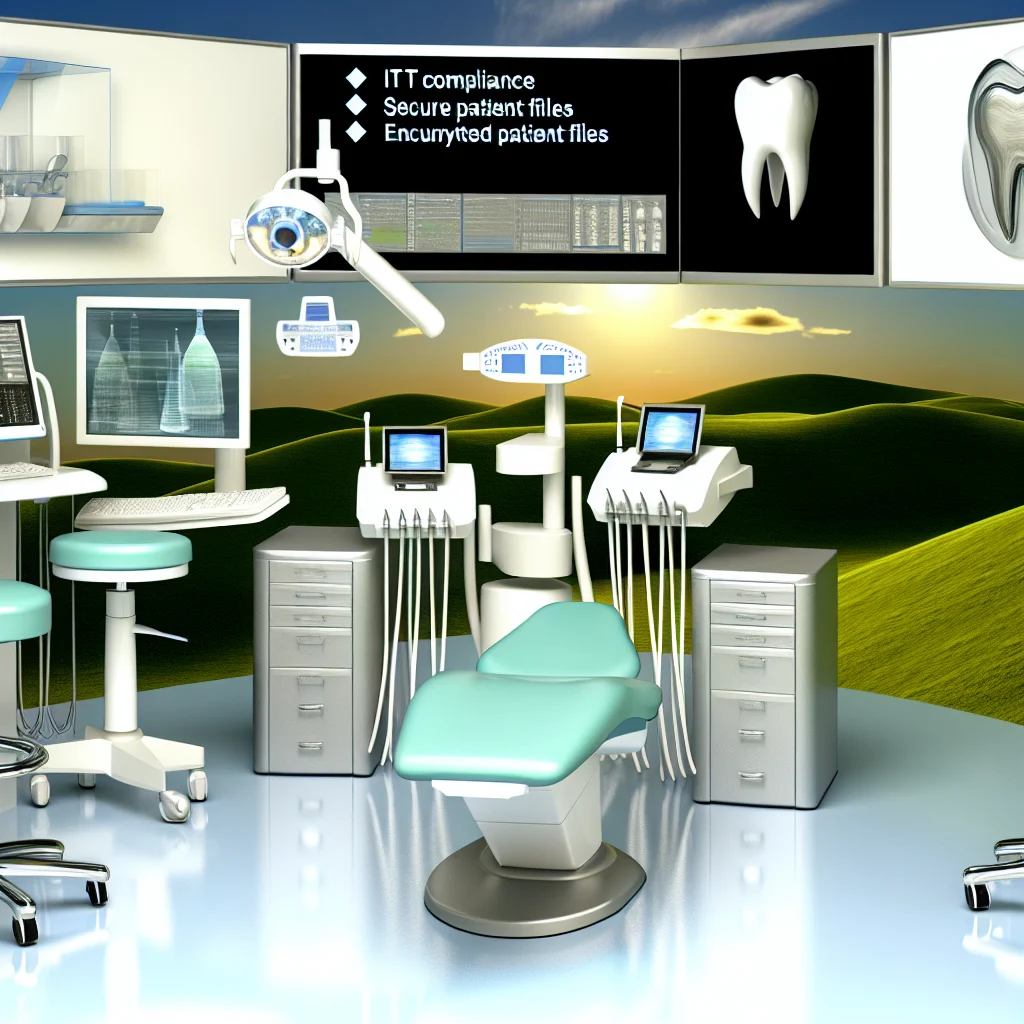
In the rapidly evolving landscape of dental care, the integration of advanced technology and modern IT strategies is transforming dental practices, ushering them into the digital age. As dental professionals strive to enhance patient care and streamline operations, the adoption of cutting-edge IT solutions has become imperative. This transformation is not merely about adopting new tools but involves a comprehensive overhaul of existing systems to improve efficiency, accuracy, and patient satisfaction.
One of the most significant advancements in dental technology is the implementation of electronic health records (EHRs). EHRs have revolutionized the way dental practices manage patient information, offering a centralized platform for storing and accessing patient data. This digital approach not only reduces the risk of errors associated with paper records but also facilitates seamless communication between dental professionals and other healthcare providers. Consequently, EHRs enhance the quality of care by ensuring that all relevant patient information is readily available, enabling more informed decision-making.
In addition to EHRs, the integration of digital imaging technologies has significantly impacted dental diagnostics and treatment planning. Digital radiography, for instance, provides high-resolution images with reduced radiation exposure, improving diagnostic accuracy while ensuring patient safety. Furthermore, the use of intraoral scanners and 3D imaging technologies allows for precise treatment planning and the creation of custom dental appliances, such as crowns and aligners. These advancements not only enhance the precision of dental procedures but also improve patient outcomes and satisfaction.
Moreover, the adoption of cloud-based solutions is transforming the way dental practices manage their operations. Cloud computing offers a scalable and cost-effective solution for data storage and management, allowing dental practices to access patient information and practice management tools from anywhere, at any time. This flexibility is particularly beneficial for multi-location practices, as it ensures consistency and continuity of care across different sites. Additionally, cloud-based solutions enhance data security by providing robust encryption and backup options, safeguarding sensitive patient information against potential breaches.
As dental practices embrace these technological advancements, the importance of cybersecurity cannot be overstated. With the increasing reliance on digital systems, dental practices are becoming more vulnerable to cyber threats. Implementing comprehensive cybersecurity measures, such as firewalls, antivirus software, and regular system updates, is crucial to protect patient data and maintain the integrity of digital systems. Furthermore, educating staff on best practices for data security and establishing protocols for responding to potential breaches are essential components of a robust cybersecurity strategy.
The integration of artificial intelligence (AI) into dental practices is another promising development in the digital transformation journey. AI-powered tools can assist in diagnosing dental conditions, predicting treatment outcomes, and personalizing patient care. For instance, AI algorithms can analyze dental images to identify early signs of decay or periodontal disease, enabling timely intervention and improving patient outcomes. Additionally, AI can streamline administrative tasks, such as appointment scheduling and billing, allowing dental professionals to focus more on patient care.
In conclusion, the digital transformation of dental practices through IT upgrades is reshaping the future of dental care. By embracing electronic health records, digital imaging technologies, cloud-based solutions, and artificial intelligence, dental practices can enhance operational efficiency, improve patient care, and ensure data security. As the dental industry continues to evolve, staying abreast of technological advancements and implementing modern IT strategies will be crucial for dental practices aiming to thrive in the digital age.
Cloud Integration: Revolutionizing Dental Software And Data Management
In recent years, the dental industry has witnessed a significant transformation, largely driven by advancements in technology. Among these innovations, cloud integration stands out as a pivotal development, revolutionizing dental software and data management. As dental practices increasingly adopt digital solutions, the integration of cloud technology has become essential for enhancing operational efficiency, improving patient care, and ensuring data security.
Cloud integration in dental practices involves the use of cloud-based platforms to store, manage, and access data. This shift from traditional on-premises systems to cloud-based solutions offers numerous advantages. Firstly, it provides dental professionals with the flexibility to access patient records and practice management tools from any location, at any time. This is particularly beneficial for multi-location practices or for dentists who need to access information while on the move. By enabling remote access, cloud integration ensures that dental professionals can deliver timely and informed care, regardless of their physical location.
Moreover, cloud-based systems facilitate seamless collaboration among dental teams. With centralized data storage, team members can easily share and update patient information, treatment plans, and other critical data. This collaborative approach not only enhances communication within the practice but also improves the overall quality of care provided to patients. Additionally, cloud integration supports interoperability, allowing different software applications to work together harmoniously. This is crucial in a dental setting where various tools, such as imaging software and electronic health records, need to be integrated for comprehensive patient management.
Another significant advantage of cloud integration is its impact on data security and compliance. Dental practices handle sensitive patient information, making data protection a top priority. Cloud service providers typically offer robust security measures, including encryption, regular backups, and advanced authentication protocols, to safeguard data against unauthorized access and breaches. Furthermore, these providers often ensure compliance with industry regulations, such as the Health Insurance Portability and Accountability Act (HIPAA) in the United States, thereby alleviating the burden on dental practices to manage compliance independently.
In addition to security, cloud integration offers scalability and cost-effectiveness. Traditional IT infrastructure requires significant upfront investment in hardware and ongoing maintenance costs. In contrast, cloud-based solutions operate on a subscription model, allowing practices to pay for only the resources they use. This scalability is particularly advantageous for growing practices, as they can easily adjust their cloud services to accommodate increased data storage needs or additional software functionalities without incurring substantial costs.
Furthermore, cloud integration supports data analytics and reporting, providing dental practices with valuable insights into their operations. By leveraging cloud-based analytics tools, practices can track key performance indicators, identify trends, and make data-driven decisions to enhance efficiency and patient outcomes. This analytical capability empowers dental professionals to optimize their practice management strategies and improve overall productivity.
In conclusion, cloud integration is revolutionizing dental software and data management by offering flexibility, enhancing collaboration, ensuring data security, and providing scalability. As the dental industry continues to evolve, embracing cloud technology will be crucial for practices seeking to remain competitive and deliver high-quality care. By leveraging the benefits of cloud integration, dental professionals can streamline their operations, improve patient experiences, and ultimately achieve better clinical outcomes. As such, the adoption of cloud-based solutions represents a forward-thinking approach that aligns with the modern demands of the dental industry.
Digital Dentistry: The Future Of Dental Technology And Patient Care
In recent years, the field of dentistry has witnessed a remarkable transformation, driven by the integration of advanced digital technologies. This evolution, often referred to as digital dentistry, is reshaping the way dental professionals diagnose, treat, and manage patient care. As technology continues to advance at an unprecedented pace, dental practices are increasingly adopting modern IT strategies to enhance their services and improve patient outcomes. The convergence of dental technology and information technology is not only streamlining clinical workflows but also elevating the standard of care provided to patients.
One of the most significant advancements in digital dentistry is the adoption of digital imaging technologies. Traditional X-rays, while still in use, are gradually being replaced by digital radiography, which offers numerous advantages. Digital X-rays provide higher resolution images, allowing for more accurate diagnoses. Moreover, they reduce radiation exposure for patients, enhancing safety. The ability to instantly view and share these images with patients and other healthcare providers facilitates better communication and collaboration, ultimately leading to more informed treatment decisions.
In addition to digital imaging, computer-aided design and computer-aided manufacturing (CAD/CAM) systems are revolutionizing dental restorations. These systems enable the precise design and fabrication of dental prosthetics, such as crowns, bridges, and veneers, in a fraction of the time required by traditional methods. The accuracy and efficiency of CAD/CAM technology not only improve the fit and function of restorations but also enhance patient satisfaction by reducing the number of visits required for treatment completion.
Furthermore, the integration of 3D printing technology into dental practices is opening new possibilities for customization and innovation. 3D printing allows for the creation of highly detailed and personalized dental appliances, such as aligners and surgical guides. This technology not only accelerates the production process but also reduces costs, making advanced dental care more accessible to a broader range of patients. As 3D printing technology continues to evolve, its applications in dentistry are expected to expand, further transforming the landscape of dental care.
The implementation of electronic health records (EHRs) is another critical component of modern IT strategies in dental practices. EHRs streamline the management of patient information, ensuring that dental professionals have access to comprehensive and up-to-date records. This accessibility enhances the continuity of care, as dental practitioners can easily track patient histories, treatment plans, and progress. Additionally, EHRs facilitate data analysis, enabling practices to identify trends and improve operational efficiency.
Tele-dentistry is yet another emerging trend that is reshaping patient care. By leveraging digital communication tools, dental professionals can provide remote consultations and follow-ups, increasing access to care for patients in underserved or remote areas. Tele-dentistry not only enhances convenience for patients but also allows for timely interventions, potentially preventing more serious dental issues from developing.
As digital dentistry continues to evolve, the importance of robust cybersecurity measures cannot be overstated. Protecting patient data from breaches and ensuring compliance with regulations such as the Health Insurance Portability and Accountability Act (HIPAA) is paramount. Dental practices must invest in secure IT infrastructure and regularly update their systems to safeguard sensitive information.
In conclusion, the integration of digital technologies into dental practices is revolutionizing the field of dentistry. From digital imaging and CAD/CAM systems to 3D printing and tele-dentistry, these advancements are enhancing the quality of care and improving patient experiences. As dental professionals continue to embrace modern IT strategies, the future of dental technology promises even greater innovations, ultimately leading to more efficient, effective, and patient-centered care.
Discover the latest in dental technology and modern IT strategies with our comprehensive guide, “Dental IT Insights: Dental Technology and Modern IT Strategies.” Enhance your practice’s efficiency and patient care today! Learn more.