Enhancing Compliance Tools: The Role of DLP Systems in Modern IT Strategies
In the rapidly evolving landscape of information technology, organizations are increasingly prioritizing data protection as a critical component of their operational strategies. As data breaches and cyber threats become more sophisticated, the need for robust data loss prevention (DLP) systems has never been more apparent. These systems play a pivotal role in safeguarding sensitive information, ensuring compliance with regulatory requirements, and maintaining the trust of stakeholders. By integrating DLP systems into modern IT strategies, organizations can enhance their compliance tools and fortify their defenses against potential data breaches.
DLP systems are designed to detect and prevent unauthorized access to or transmission of sensitive data. They achieve this by monitoring, identifying, and blocking data that violates predefined security policies. This capability is particularly crucial in industries that handle large volumes of confidential information, such as finance, healthcare, and government sectors. By implementing DLP solutions, organizations can ensure that sensitive data, such as personal identification numbers, financial records, and proprietary information, remains secure and is only accessible to authorized personnel.
Moreover, the integration of DLP systems into IT strategies is essential for achieving compliance with various regulatory frameworks. Regulations such as the General Data Protection Regulation (GDPR), the Health Insurance Portability and Accountability Act (HIPAA), and the Sarbanes-Oxley Act (SOX) impose stringent requirements on data protection and privacy. Non-compliance with these regulations can result in severe penalties, including hefty fines and reputational damage. DLP systems help organizations adhere to these regulations by providing comprehensive data monitoring and reporting capabilities, thereby ensuring that data handling practices align with legal requirements.
In addition to compliance, DLP systems contribute to the overall security posture of an organization. They provide real-time visibility into data flows and user activities, enabling IT teams to identify potential threats and respond swiftly to incidents. This proactive approach to data security not only mitigates the risk of data breaches but also enhances the organization’s ability to recover from security incidents. Furthermore, DLP systems can be integrated with other security tools, such as firewalls and intrusion detection systems, to create a multi-layered defense strategy that addresses various aspects of cybersecurity.
The implementation of DLP systems also fosters a culture of security awareness within organizations. By educating employees about data protection policies and the importance of safeguarding sensitive information, organizations can reduce the likelihood of accidental data leaks and insider threats. Training programs and regular security audits can reinforce the significance of data protection and ensure that employees remain vigilant in their handling of sensitive information.
As organizations continue to navigate the complexities of the digital age, the role of DLP systems in modern IT strategies becomes increasingly significant. By enhancing compliance tools and strengthening data protection measures, DLP systems provide a comprehensive solution to the challenges posed by data breaches and regulatory requirements. As a result, organizations can not only protect their valuable data assets but also maintain the trust of their customers and stakeholders. In conclusion, the integration of DLP systems into IT strategies is a critical step towards achieving robust data security and compliance in today’s interconnected world.
Encryption and Data Breach Prevention: Integrating DLP Systems for Robust Security
In the rapidly evolving landscape of information technology, the integration of Data Loss Prevention (DLP) systems has become a cornerstone of robust security strategies. As organizations increasingly rely on digital data to drive their operations, the risk of data breaches has escalated, necessitating advanced measures to protect sensitive information. Encryption, a fundamental component of data security, plays a pivotal role in safeguarding data both at rest and in transit. However, encryption alone is not a panacea. It must be complemented by comprehensive DLP systems to create a formidable defense against data breaches.
DLP systems are designed to monitor, detect, and prevent the unauthorized transmission of sensitive data. By implementing policies that define what constitutes sensitive information, these systems can identify potential breaches before they occur. This proactive approach is essential in a world where cyber threats are becoming increasingly sophisticated. The integration of DLP systems with encryption technologies ensures that even if data is intercepted, it remains unreadable and therefore useless to unauthorized parties.
Moreover, the synergy between DLP systems and encryption enhances an organization’s ability to comply with regulatory requirements. Regulations such as the General Data Protection Regulation (GDPR) and the Health Insurance Portability and Accountability Act (HIPAA) mandate stringent data protection measures. By employing both encryption and DLP systems, organizations can demonstrate their commitment to safeguarding personal and sensitive information, thereby avoiding hefty fines and reputational damage.
Transitioning from traditional IT strategies to modern ones involves embracing a holistic approach to data security. This includes not only the deployment of advanced technologies but also the cultivation of a security-conscious culture within the organization. Employees must be educated about the importance of data protection and trained to recognize potential threats. DLP systems can aid in this endeavor by providing insights into data usage patterns and highlighting areas where additional training may be necessary.
Furthermore, the integration of DLP systems into modern IT strategies facilitates the seamless management of data across various platforms. As organizations adopt cloud computing and remote work models, the perimeter of the traditional network has expanded, making it more challenging to protect data. DLP systems offer visibility into data movement across these diverse environments, enabling IT teams to enforce security policies consistently, regardless of where the data resides.
In addition to enhancing security, the integration of DLP systems with encryption can lead to operational efficiencies. By automating the monitoring and protection of data, organizations can reduce the burden on IT staff, allowing them to focus on more strategic initiatives. This not only improves productivity but also ensures that security measures are applied uniformly across the organization.
In conclusion, the integration of DLP systems with encryption is a critical component of modern IT strategies aimed at preventing data breaches. By providing a multi-layered defense, these technologies work in tandem to protect sensitive information from unauthorized access. As cyber threats continue to evolve, organizations must remain vigilant and proactive in their approach to data security. By doing so, they can safeguard their assets, maintain compliance with regulatory requirements, and foster a culture of security awareness that permeates every level of the organization.
Email Protection and Access Control: Key Components of Effective DLP Systems
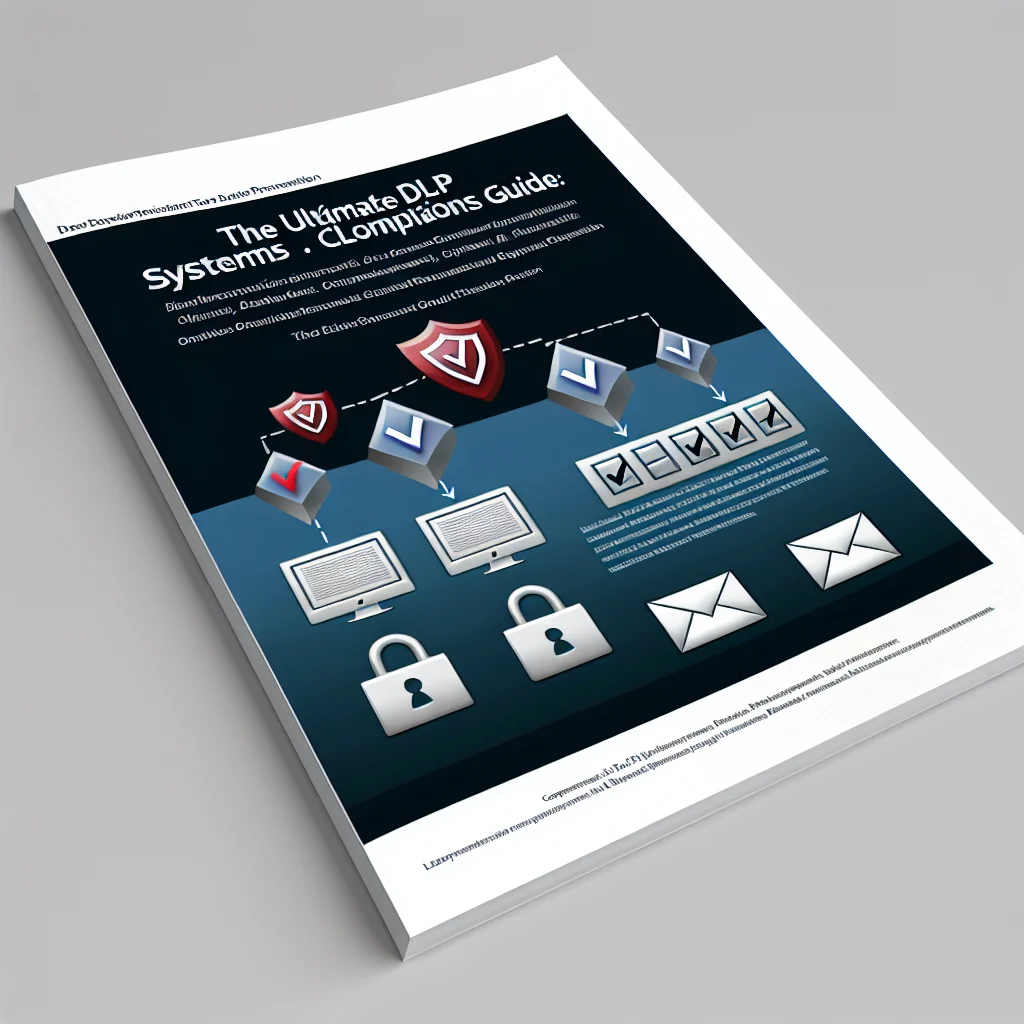
In the rapidly evolving landscape of information technology, safeguarding sensitive data has become a paramount concern for organizations worldwide. As cyber threats grow increasingly sophisticated, the implementation of robust Data Loss Prevention (DLP) systems has emerged as a critical component of modern IT strategies. Among the various facets of DLP, email protection and access control stand out as key elements that significantly enhance the security posture of an organization.
Email remains a primary communication tool in the corporate world, yet it is also a common vector for data breaches. Consequently, email protection is a crucial aspect of any effective DLP system. By employing advanced filtering techniques, organizations can detect and prevent the unauthorized transmission of sensitive information. These techniques often involve the use of machine learning algorithms that analyze email content for patterns indicative of data leakage. Furthermore, encryption plays a vital role in email protection, ensuring that even if emails are intercepted, the information remains inaccessible to unauthorized parties.
In addition to email protection, access control is another fundamental component of DLP systems. Access control mechanisms are designed to ensure that only authorized individuals have access to sensitive data. This is achieved through a combination of authentication and authorization processes. Authentication verifies the identity of users, often through multi-factor authentication methods that provide an additional layer of security. Once authenticated, authorization determines the level of access granted to the user, ensuring that they can only access data necessary for their role.
Moreover, the integration of email protection and access control within a DLP system is essential for creating a cohesive security strategy. By aligning these components, organizations can establish a comprehensive framework that not only prevents data loss but also mitigates the risk of insider threats. For instance, access control policies can be configured to restrict the ability of users to forward sensitive emails outside the organization, thereby reducing the likelihood of accidental or malicious data exposure.
Transitioning to the broader context of modern IT strategies, it is evident that the implementation of DLP systems, with a focus on email protection and access control, is indispensable. As organizations increasingly adopt cloud-based services and remote work models, the traditional network perimeter has dissolved, necessitating a shift towards data-centric security approaches. In this environment, DLP systems serve as a critical line of defense, providing visibility and control over data movement across diverse platforms and devices.
Furthermore, the integration of DLP systems with other security technologies, such as Security Information and Event Management (SIEM) and Identity and Access Management (IAM), enhances their effectiveness. This synergy allows for real-time monitoring and response to potential data breaches, thereby reducing the time to detect and mitigate threats. Additionally, the use of analytics and reporting tools within DLP systems enables organizations to gain insights into data usage patterns, facilitating informed decision-making and policy adjustments.
In conclusion, email protection and access control are indispensable components of effective DLP systems, playing a crucial role in safeguarding sensitive information in today’s complex IT environment. By implementing these measures, organizations can not only protect against data breaches but also align with modern IT strategies that prioritize data security. As cyber threats continue to evolve, the importance of robust DLP systems, integrated with comprehensive security frameworks, cannot be overstated. Through continuous adaptation and enhancement of these systems, organizations can ensure the resilience and integrity of their data assets.
Backup Strategies and DLP Systems: Safeguarding Data in Modern IT Environments
In the rapidly evolving landscape of information technology, safeguarding data has become a paramount concern for organizations worldwide. As businesses increasingly rely on digital platforms to store and manage critical information, the risk of data breaches and losses has escalated. Consequently, implementing robust backup strategies and Data Loss Prevention (DLP) systems has become essential in modern IT environments. These measures not only protect sensitive data but also ensure business continuity in the face of potential threats.
To begin with, backup strategies serve as the first line of defense against data loss. By creating copies of data at regular intervals, organizations can recover information in the event of accidental deletion, hardware failure, or cyberattacks. Traditional backup methods, such as on-site storage, have evolved to include cloud-based solutions, offering enhanced flexibility and scalability. Cloud backups provide the advantage of off-site storage, reducing the risk of data loss due to physical damage or theft. Moreover, they enable businesses to access their data from anywhere, facilitating remote work and collaboration.
In tandem with backup strategies, DLP systems play a crucial role in safeguarding data. These systems are designed to detect and prevent unauthorized access, use, or transmission of sensitive information. By monitoring data in motion, at rest, and in use, DLP solutions help organizations identify potential vulnerabilities and mitigate risks before they escalate into significant breaches. Furthermore, DLP systems can enforce data protection policies, ensuring compliance with regulatory requirements such as GDPR and HIPAA. This is particularly important as regulatory bodies impose stringent penalties for data breaches, making compliance a critical aspect of modern IT strategies.
Integrating backup strategies with DLP systems creates a comprehensive approach to data protection. While backups ensure data recovery, DLP systems focus on preventing data loss in the first place. This dual-layered approach not only enhances security but also instills confidence among stakeholders, including customers, partners, and employees. As a result, organizations can maintain their reputation and trustworthiness in an increasingly competitive market.
However, implementing effective backup and DLP strategies requires careful planning and execution. Organizations must assess their specific needs and risks to tailor solutions that align with their objectives. This involves evaluating the types of data they handle, the potential threats they face, and the regulatory requirements they must adhere to. Additionally, regular testing and updating of backup and DLP systems are crucial to ensure their effectiveness in the face of evolving threats.
Moreover, employee training and awareness are integral components of successful data protection strategies. Human error remains a leading cause of data breaches, making it imperative for organizations to educate their workforce on best practices for data handling and security. By fostering a culture of vigilance and responsibility, businesses can significantly reduce the likelihood of data loss incidents.
In conclusion, as the digital landscape continues to expand, the importance of robust backup strategies and DLP systems cannot be overstated. These measures provide a comprehensive framework for safeguarding data, ensuring business continuity, and maintaining compliance with regulatory standards. By integrating these strategies into their IT infrastructure, organizations can effectively mitigate risks and protect their most valuable asset—data. As technology advances, staying ahead of potential threats will require ongoing adaptation and innovation in data protection practices, underscoring the need for a proactive and informed approach to modern IT strategies.
Comprehensive Data Loss Prevention: Leveraging DLP Systems for Optimal IT Security
In today’s rapidly evolving digital landscape, the protection of sensitive information has become a paramount concern for organizations across the globe. As data breaches and cyber threats continue to rise, businesses are increasingly turning to comprehensive data loss prevention (DLP) systems to safeguard their valuable assets. These systems play a crucial role in modern IT strategies, offering a robust framework for identifying, monitoring, and protecting sensitive data from unauthorized access and potential leaks.
DLP systems are designed to address the multifaceted challenges of data security by providing a comprehensive approach to data protection. They operate by identifying sensitive data, monitoring its movement across networks, and enforcing policies to prevent unauthorized access or transmission. This proactive approach is essential in mitigating the risks associated with data breaches, which can have devastating financial and reputational consequences for organizations.
One of the key advantages of DLP systems is their ability to integrate seamlessly with existing IT infrastructures. By leveraging advanced technologies such as machine learning and artificial intelligence, these systems can adapt to the unique needs of an organization, providing tailored solutions that align with specific security requirements. This adaptability is crucial in an era where cyber threats are constantly evolving, as it allows businesses to stay one step ahead of potential attackers.
Moreover, DLP systems offer a comprehensive view of data movement within an organization, enabling IT teams to identify potential vulnerabilities and address them proactively. By providing real-time insights into data flows, these systems empower organizations to implement effective security measures that protect sensitive information from both internal and external threats. This holistic approach to data security is essential in ensuring that businesses can operate with confidence in an increasingly interconnected world.
In addition to their technical capabilities, DLP systems also play a vital role in fostering a culture of security awareness within organizations. By implementing clear policies and procedures for data handling, these systems encourage employees to adopt best practices for data protection. This cultural shift is essential in minimizing the risk of human error, which remains one of the leading causes of data breaches. By promoting a security-first mindset, organizations can create an environment where data protection is a shared responsibility, ultimately enhancing their overall security posture.
Furthermore, the implementation of DLP systems can also aid organizations in achieving compliance with various regulatory requirements. As data protection laws become more stringent, businesses must ensure that they are adhering to the necessary standards to avoid costly fines and legal repercussions. DLP systems provide the tools needed to monitor and enforce compliance, offering peace of mind to organizations navigating the complex landscape of data protection regulations.
In conclusion, comprehensive data loss prevention is an essential component of modern IT strategies, offering a robust framework for safeguarding sensitive information in an increasingly digital world. By leveraging advanced DLP systems, organizations can protect their valuable assets from unauthorized access and potential leaks, while also fostering a culture of security awareness and ensuring compliance with regulatory requirements. As cyber threats continue to evolve, the importance of implementing effective data loss prevention measures cannot be overstated. By prioritizing data protection, businesses can not only mitigate the risks associated with data breaches but also position themselves for success in the digital age.
Unlock the full potential of your IT strategy with our comprehensive guide on Data Loss Prevention Insights. Discover how modern DLP systems can safeguard your data and enhance your security framework. Learn more now!