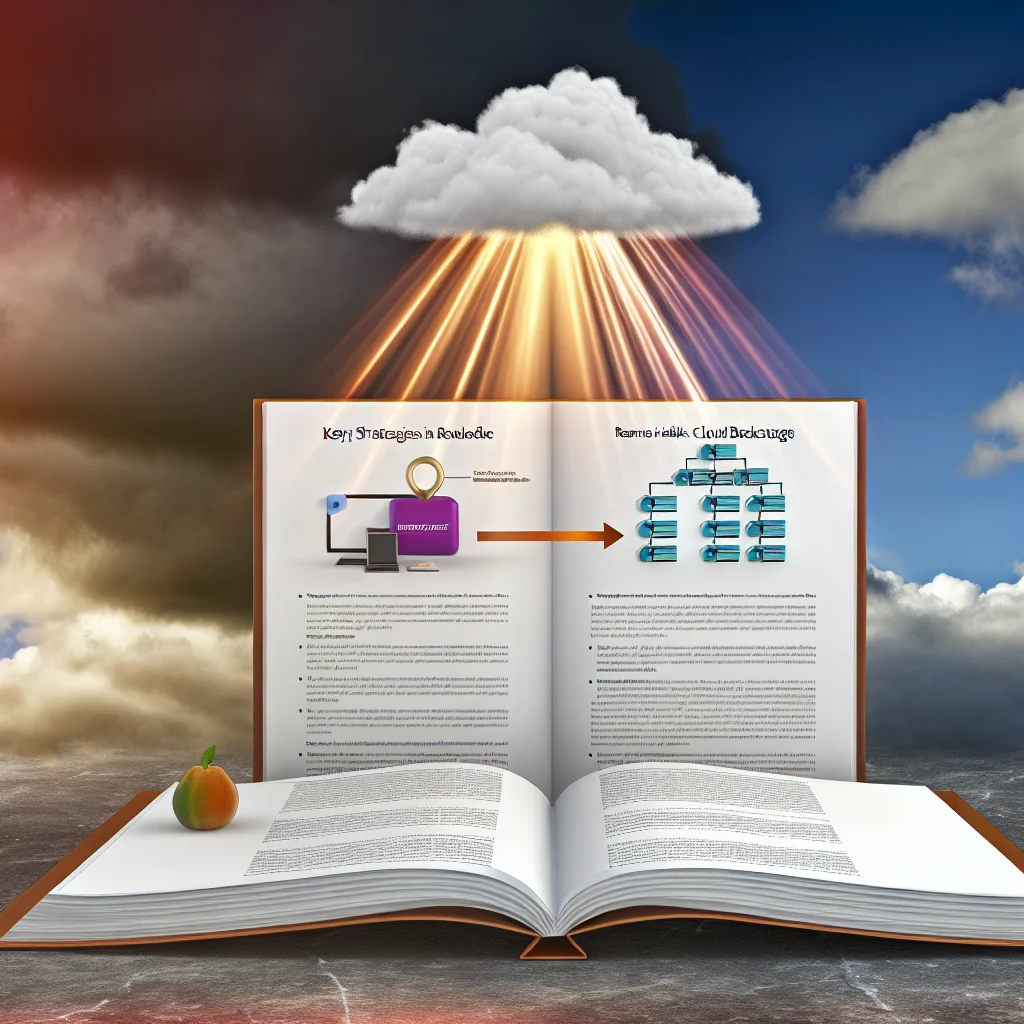
Cloud Backup Strategies: Ensuring Data Security and Accessibility in Modern IT Support
In the rapidly evolving landscape of modern IT support, cloud backup strategies have emerged as a cornerstone for ensuring data security and accessibility. As organizations increasingly rely on digital data to drive their operations, the need for robust backup solutions has never been more critical. Cloud backup offers a compelling solution by providing a secure, scalable, and cost-effective means to protect valuable information from loss, corruption, or unauthorized access.
One of the primary advantages of cloud backup is its ability to enhance data security. By storing data offsite, cloud solutions mitigate the risks associated with physical damage to on-premises infrastructure, such as fires, floods, or hardware failures. Moreover, cloud service providers typically employ advanced encryption techniques to safeguard data both in transit and at rest, ensuring that sensitive information remains protected from cyber threats. This level of security is often beyond the reach of many organizations if they were to rely solely on in-house resources.
In addition to security, cloud backup strategies offer unparalleled accessibility. With data stored in the cloud, authorized users can access information from anywhere with an internet connection, facilitating remote work and collaboration. This flexibility is particularly valuable in today’s increasingly mobile and distributed work environments, where employees may need to access critical data from various locations and devices. Furthermore, cloud backup solutions often include features such as versioning and point-in-time recovery, allowing organizations to restore data to a specific state in the event of accidental deletion or corruption.
Transitioning to cloud-based backup solutions also aligns with modern IT strategies that emphasize scalability and cost efficiency. Traditional backup methods, such as tape or disk-based systems, often require significant upfront investment in hardware and ongoing maintenance costs. In contrast, cloud backup operates on a subscription model, allowing organizations to pay only for the storage and services they use. This model not only reduces capital expenditure but also provides the flexibility to scale storage capacity up or down as business needs change.
Moreover, cloud backup solutions integrate seamlessly with other cloud-based services, creating a cohesive IT ecosystem that supports business continuity and disaster recovery efforts. By leveraging the cloud, organizations can automate backup processes, reducing the risk of human error and ensuring that data is consistently and reliably protected. Additionally, many cloud providers offer comprehensive monitoring and reporting tools, enabling IT teams to track backup performance and quickly address any issues that may arise.
Despite these advantages, it is essential for organizations to carefully evaluate potential cloud backup providers to ensure they meet specific security, compliance, and performance requirements. Factors such as data residency, service level agreements, and support options should be considered when selecting a provider. Furthermore, organizations must implement robust access controls and regularly test their backup and recovery processes to ensure they can effectively respond to data loss incidents.
In conclusion, cloud backup strategies play a vital role in modern IT support by providing secure, accessible, and cost-effective solutions for data protection. As organizations continue to navigate the complexities of digital transformation, adopting cloud-based backup solutions can help safeguard critical information, support remote work, and enhance overall business resilience. By carefully selecting and managing cloud backup services, organizations can ensure that their data remains secure and accessible, even in the face of unforeseen challenges.
IT Optimization Techniques: Enhancing Efficiency and Performance in Tech Support
In the rapidly evolving landscape of information technology, optimizing IT support has become a critical component for organizations striving to enhance efficiency and performance. As businesses increasingly rely on complex technological infrastructures, the demand for effective IT support strategies has never been more pronounced. To address this need, companies are adopting a variety of optimization techniques that not only streamline operations but also improve the overall user experience.
One of the primary strategies in IT optimization is the implementation of proactive support measures. By anticipating potential issues before they escalate into significant problems, IT teams can minimize downtime and maintain seamless operations. This approach often involves the use of advanced monitoring tools that continuously assess system performance and alert technicians to anomalies. Consequently, IT support can transition from a reactive to a proactive model, allowing for quicker resolution times and reduced impact on business activities.
In addition to proactive measures, automation plays a pivotal role in enhancing IT support efficiency. By automating routine tasks such as software updates, system backups, and security checks, IT departments can free up valuable resources and focus on more complex issues that require human intervention. Automation not only reduces the likelihood of human error but also ensures that critical processes are executed consistently and on schedule. This shift towards automation is further supported by the integration of artificial intelligence and machine learning technologies, which can analyze vast amounts of data to identify patterns and predict future issues.
Moreover, the adoption of cloud-based solutions has revolutionized the way IT support is delivered. Cloud computing offers scalability, flexibility, and accessibility, enabling IT teams to manage resources more effectively. With cloud-based platforms, support staff can access systems remotely, providing timely assistance regardless of their physical location. This capability is particularly beneficial in today’s globalized business environment, where remote work and distributed teams are becoming the norm. Furthermore, cloud solutions often come with built-in redundancy and disaster recovery features, ensuring business continuity even in the face of unexpected disruptions.
Another critical aspect of IT optimization is the emphasis on user-centric support. By prioritizing the needs and experiences of end-users, IT departments can tailor their strategies to deliver more personalized and effective support. This involves gathering feedback through surveys and direct interactions, which can then be used to refine support processes and address common pain points. Additionally, providing self-service options such as knowledge bases and automated chatbots empowers users to resolve minor issues independently, reducing the burden on IT staff and improving user satisfaction.
Training and development also play a crucial role in optimizing IT support. As technology continues to advance, it is imperative for IT professionals to stay abreast of the latest trends and tools. Regular training sessions and workshops can equip support staff with the necessary skills to tackle emerging challenges and leverage new technologies effectively. By fostering a culture of continuous learning, organizations can ensure that their IT teams remain agile and capable of adapting to the ever-changing technological landscape.
In conclusion, optimizing IT support is a multifaceted endeavor that requires a combination of proactive measures, automation, cloud-based solutions, user-centric approaches, and ongoing training. By implementing these strategies, organizations can enhance the efficiency and performance of their IT support functions, ultimately leading to improved business outcomes and a more resilient technological infrastructure. As the digital world continues to evolve, the importance of effective IT optimization techniques will only grow, making it essential for businesses to stay ahead of the curve.
System Recovery Best Practices: Minimizing Downtime and Maximizing Business Continuity

In today’s fast-paced digital landscape, businesses rely heavily on their IT infrastructure to maintain seamless operations. Consequently, system recovery has become a critical component of IT support, as it ensures business continuity and minimizes downtime during unexpected disruptions. To achieve this, organizations must adopt best practices that not only address immediate recovery needs but also align with modern IT strategies.
One of the foundational elements of effective system recovery is the implementation of a comprehensive backup strategy. Regularly scheduled backups are essential to safeguarding data integrity and ensuring that critical information can be restored quickly in the event of a system failure. By employing a combination of full, incremental, and differential backups, businesses can optimize storage resources while maintaining the ability to recover data efficiently. Moreover, leveraging cloud-based backup solutions can provide additional layers of security and accessibility, allowing for rapid data retrieval from virtually any location.
In addition to robust backup strategies, organizations must also focus on developing a well-defined disaster recovery plan. This plan should outline the specific steps to be taken in response to various types of disruptions, ranging from hardware failures to cyberattacks. By conducting regular risk assessments and updating the disaster recovery plan accordingly, businesses can ensure that they are prepared to address emerging threats and vulnerabilities. Furthermore, it is crucial to conduct periodic disaster recovery drills to test the effectiveness of the plan and identify any areas for improvement.
Another key aspect of minimizing downtime is the implementation of redundancy measures within the IT infrastructure. By deploying redundant systems and components, businesses can reduce the risk of single points of failure that could lead to significant operational disruptions. For instance, utilizing load balancers and failover systems can help distribute workloads across multiple servers, ensuring that if one server fails, others can seamlessly take over the load. This not only enhances system resilience but also contributes to maintaining high levels of service availability.
Moreover, the integration of automation tools into the recovery process can significantly expedite system restoration efforts. Automation can streamline routine tasks such as data replication, system monitoring, and alerting, allowing IT teams to focus on more complex recovery activities. By reducing the manual intervention required during recovery, businesses can achieve faster response times and minimize the potential for human error.
In parallel with these technical strategies, fostering a culture of continuous improvement within the IT department is essential. Encouraging ongoing training and development for IT staff ensures that they remain adept at handling the latest technologies and recovery techniques. Additionally, fostering collaboration between IT and other business units can lead to a more holistic understanding of organizational needs and priorities, ultimately resulting in more effective recovery strategies.
Finally, it is important to recognize that system recovery is not a one-time effort but an ongoing process. As technology evolves and business requirements change, so too must recovery strategies. Regularly reviewing and updating recovery plans, backup procedures, and redundancy measures is vital to maintaining their relevance and effectiveness. By adopting a proactive approach to system recovery, businesses can not only minimize downtime but also enhance their overall resilience in the face of unforeseen challenges.
In conclusion, by implementing comprehensive backup strategies, developing robust disaster recovery plans, incorporating redundancy, leveraging automation, and fostering a culture of continuous improvement, organizations can effectively minimize downtime and maximize business continuity. These best practices, when aligned with modern IT strategies, ensure that businesses are well-equipped to navigate the complexities of today’s digital environment.
Remote Helpdesk Solutions: Revolutionizing Tech Support with Modern IT Strategies
In the rapidly evolving landscape of information technology, remote helpdesk solutions have emerged as a cornerstone of modern IT strategies, fundamentally transforming the way tech support is delivered. As organizations increasingly rely on digital infrastructure to drive their operations, the demand for efficient, responsive, and scalable IT support has never been greater. Remote helpdesk solutions, leveraging advancements in technology, offer a compelling answer to this demand by providing timely assistance without the constraints of physical presence.
One of the primary advantages of remote helpdesk solutions is their ability to offer immediate support to users, regardless of their geographical location. This capability is particularly beneficial in today’s globalized business environment, where employees and clients may be spread across different time zones. By utilizing remote access tools, IT support teams can diagnose and resolve issues in real-time, minimizing downtime and enhancing productivity. This immediacy not only improves user satisfaction but also contributes to the overall efficiency of the organization.
Moreover, remote helpdesk solutions are cost-effective, offering significant savings compared to traditional on-site support models. By reducing the need for physical travel and on-site visits, organizations can allocate resources more efficiently, focusing on strategic initiatives rather than routine maintenance tasks. Additionally, remote support allows for the centralization of IT resources, enabling organizations to streamline their operations and reduce overhead costs. This financial efficiency is particularly appealing to small and medium-sized enterprises that may have limited budgets for IT infrastructure.
In addition to cost savings, remote helpdesk solutions provide a scalable support model that can easily adapt to the changing needs of an organization. As businesses grow and evolve, their IT requirements become more complex. Remote support systems can be scaled up or down with relative ease, ensuring that organizations have the necessary support infrastructure in place to meet their demands. This scalability is facilitated by cloud-based platforms, which offer flexible and customizable solutions tailored to the specific needs of each organization.
Furthermore, remote helpdesk solutions enhance the security of IT systems by enabling proactive monitoring and maintenance. With the ability to remotely access and manage devices, IT support teams can implement security updates, patches, and configurations promptly, reducing the risk of vulnerabilities and cyber threats. This proactive approach to security is crucial in an era where cyberattacks are becoming increasingly sophisticated and frequent. By maintaining a robust security posture, organizations can protect their sensitive data and maintain the trust of their clients and stakeholders.
The integration of artificial intelligence and machine learning into remote helpdesk solutions is another modern IT strategy that is revolutionizing tech support. These technologies enable the automation of routine tasks, such as ticket categorization and initial troubleshooting, freeing up human resources to focus on more complex issues. AI-driven analytics also provide valuable insights into support trends and user behavior, allowing organizations to make data-driven decisions and continuously improve their IT support processes.
In conclusion, remote helpdesk solutions are at the forefront of modern IT strategies, offering a range of benefits that include immediate support, cost savings, scalability, enhanced security, and the integration of advanced technologies. As organizations continue to navigate the challenges of the digital age, embracing these solutions will be essential to maintaining a competitive edge and ensuring the seamless operation of their IT infrastructure. By leveraging remote helpdesk solutions, businesses can not only meet the demands of today but also prepare for the technological advancements of tomorrow.
Proactive IT Maintenance: Preventing Issues Before They Arise in Tech Support
In the rapidly evolving landscape of information technology, the role of tech support has transcended traditional boundaries, evolving from a reactive service to a proactive strategy integral to modern IT management. Proactive IT maintenance, a cornerstone of this evolution, emphasizes the prevention of issues before they arise, thereby enhancing system reliability and efficiency. This approach not only minimizes downtime but also optimizes resource allocation, ultimately contributing to a more robust IT infrastructure.
At the heart of proactive IT maintenance lies the principle of regular system monitoring. By continuously observing system performance and health, IT professionals can identify potential issues before they escalate into significant problems. This involves the use of sophisticated monitoring tools that track various metrics, such as server load, network traffic, and application performance. These tools provide real-time data, enabling IT teams to detect anomalies and address them promptly. Consequently, this reduces the likelihood of unexpected system failures, which can be costly and disruptive.
In addition to monitoring, regular software updates and patch management are critical components of proactive IT maintenance. Software vendors frequently release updates to address security vulnerabilities, improve functionality, and enhance performance. By ensuring that all systems are up-to-date, IT support teams can protect their networks from potential threats and ensure that applications run smoothly. This proactive approach to software management not only fortifies security but also enhances user experience by providing access to the latest features and improvements.
Furthermore, proactive IT maintenance involves strategic planning and risk assessment. By conducting regular risk assessments, IT teams can identify potential vulnerabilities and develop strategies to mitigate them. This includes implementing robust security measures, such as firewalls, intrusion detection systems, and data encryption. Additionally, developing a comprehensive disaster recovery plan is essential to ensure business continuity in the event of a system failure or cyberattack. By anticipating potential risks and preparing accordingly, organizations can minimize the impact of unforeseen events and maintain operational stability.
Another vital aspect of proactive IT maintenance is user education and training. Often, human error is a significant factor in IT issues, whether through accidental data breaches or improper use of technology. By educating users on best practices and potential risks, organizations can reduce the likelihood of such errors. Regular training sessions and workshops can empower employees to use technology more effectively and responsibly, thereby contributing to a more secure and efficient IT environment.
Moreover, the integration of artificial intelligence and machine learning into IT support processes has further enhanced the capabilities of proactive maintenance. These technologies can analyze vast amounts of data to predict potential issues and recommend solutions. For instance, machine learning algorithms can identify patterns in system behavior that may indicate an impending failure, allowing IT teams to take preemptive action. This predictive capability not only improves system reliability but also enables more efficient resource management.
In conclusion, proactive IT maintenance is an essential strategy in modern tech support, focusing on preventing issues before they arise. Through continuous monitoring, regular updates, strategic planning, user education, and the integration of advanced technologies, organizations can enhance their IT infrastructure’s reliability and efficiency. As the digital landscape continues to evolve, adopting a proactive approach to IT maintenance will be crucial in ensuring that technology remains an asset rather than a liability. By prioritizing prevention over reaction, businesses can achieve greater operational stability and resilience in an increasingly complex technological environment.
Unlock the potential of your IT infrastructure with expert insights into tech support and modern IT strategies. Discover more by visiting IT Support Insights today!