Revolutionizing Dental Practices: The Role of Cloud Integration in Modern Dental Software
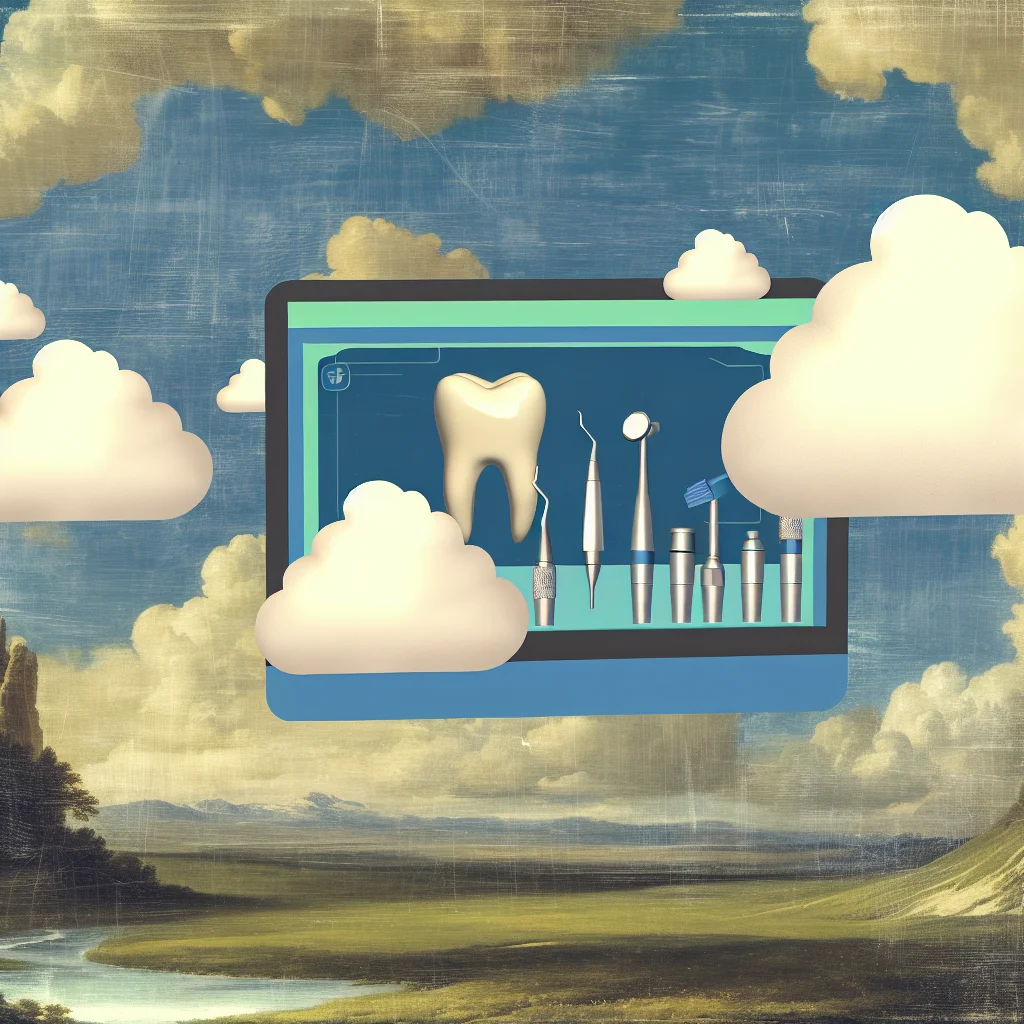
In the rapidly evolving landscape of dental technology, cloud integration has emerged as a pivotal force, revolutionizing the way dental practices operate. As dental professionals strive to enhance patient care and streamline administrative processes, the adoption of cloud-based solutions has become increasingly prevalent. This shift towards cloud integration is not merely a trend but a fundamental transformation that offers numerous benefits to modern dental practices.
One of the most significant advantages of cloud integration in dental software is the enhanced accessibility it provides. Traditionally, dental practices relied on on-premises servers to store patient records and other critical data. This approach often limited access to information, confining it to the physical location of the practice. However, with cloud-based systems, dental professionals can access patient data from anywhere, at any time, using any device with an internet connection. This level of accessibility is particularly beneficial for practices with multiple locations or for dentists who need to review patient information while away from the office.
Moreover, cloud integration facilitates seamless collaboration among dental professionals. In a traditional setup, sharing patient records and treatment plans between specialists or referring dentists could be cumbersome and time-consuming. Cloud-based platforms, on the other hand, enable real-time sharing of information, allowing for more efficient communication and collaboration. This capability not only improves the quality of patient care but also enhances the overall efficiency of the practice.
In addition to accessibility and collaboration, cloud integration offers robust data security features. Dental practices handle sensitive patient information, making data security a top priority. Cloud service providers invest heavily in advanced security measures, such as encryption and multi-factor authentication, to protect data from unauthorized access and cyber threats. By leveraging these security features, dental practices can ensure that patient information remains confidential and secure, thereby building trust with their patients.
Furthermore, cloud-based dental software often includes automatic updates and maintenance, reducing the burden on dental practices to manage IT infrastructure. This aspect is particularly advantageous for smaller practices that may lack dedicated IT staff. With cloud integration, software updates are deployed automatically, ensuring that the practice always has access to the latest features and security enhancements. This not only saves time and resources but also allows dental professionals to focus more on patient care rather than technical issues.
Cost-effectiveness is another compelling reason for dental practices to embrace cloud integration. Traditional IT infrastructure requires significant upfront investment in hardware and software, along with ongoing maintenance costs. In contrast, cloud-based solutions typically operate on a subscription model, allowing practices to pay for only the services they need. This model provides greater financial flexibility and scalability, enabling practices to adjust their IT resources as their needs evolve.
As the dental industry continues to embrace digital transformation, the role of cloud integration in modern dental software becomes increasingly critical. By offering enhanced accessibility, improved collaboration, robust security, automatic updates, and cost-effectiveness, cloud-based solutions are reshaping the way dental practices operate. As a result, dental professionals can deliver higher quality care, improve operational efficiency, and ultimately enhance patient satisfaction. In this era of technological advancement, cloud integration stands as a cornerstone of innovation, driving the future of dental practices towards greater success and sustainability.
Enhancing Patient Care with Digital Dentistry: A Deep Dive into Dental Technology
In recent years, the field of dentistry has witnessed a remarkable transformation, largely driven by advancements in digital technology. This evolution has not only enhanced the precision and efficiency of dental procedures but has also significantly improved patient care. As dental practices increasingly integrate digital tools into their operations, understanding the impact of these technologies becomes essential for both practitioners and patients alike.
One of the most significant advancements in dental technology is the advent of digital imaging systems. Traditional X-rays, while effective, often required time-consuming processing and exposed patients to higher levels of radiation. In contrast, digital radiography offers a safer and more efficient alternative. By utilizing digital sensors, dentists can capture high-resolution images instantly, allowing for immediate analysis and diagnosis. This not only reduces the waiting time for patients but also enables dentists to make more informed decisions regarding treatment plans.
Moreover, the introduction of intraoral scanners has revolutionized the way dental impressions are taken. Conventional methods, which involved the use of impression trays filled with a putty-like material, were often uncomfortable for patients and prone to inaccuracies. Intraoral scanners, however, provide a non-invasive and highly accurate means of capturing the oral cavity’s details. By creating a digital 3D model of the patient’s teeth and gums, these scanners facilitate the design and fabrication of dental restorations with unparalleled precision. Consequently, patients benefit from better-fitting crowns, bridges, and aligners, leading to improved comfort and functionality.
In addition to imaging and scanning technologies, computer-aided design and computer-aided manufacturing (CAD/CAM) systems have become integral to modern dental practices. These systems enable the design and production of dental prosthetics in-house, significantly reducing the time required for patients to receive their restorations. By streamlining the workflow from design to production, CAD/CAM technology not only enhances efficiency but also ensures a higher level of customization and accuracy in dental restorations.
Furthermore, the integration of artificial intelligence (AI) in dentistry is beginning to show promising results. AI algorithms can analyze vast amounts of data to assist in diagnosing conditions such as cavities, gum disease, and even oral cancers. By providing dentists with predictive insights, AI can help in early detection and intervention, ultimately improving patient outcomes. Additionally, AI-driven tools can optimize appointment scheduling, patient management, and even inventory control, allowing dental practices to operate more smoothly and focus on delivering quality care.
Tele-dentistry is another emerging trend that has gained traction, especially in the wake of the COVID-19 pandemic. By leveraging video conferencing and digital communication tools, dentists can provide consultations and follow-up care remotely. This not only increases accessibility for patients in remote or underserved areas but also offers a convenient option for those with busy schedules. Tele-dentistry ensures that patients receive timely advice and care, reducing the need for unnecessary in-person visits.
As digital dentistry continues to evolve, it is crucial for dental professionals to stay abreast of these technological advancements. By embracing digital tools, dentists can enhance their practice’s efficiency, improve diagnostic accuracy, and ultimately provide a higher standard of care to their patients. As we look to the future, the integration of digital technology in dentistry promises to further transform the patient experience, making dental care more accessible, personalized, and effective than ever before.
Ensuring Practice Security: Best Practices for Dental IT Upgrades and Compliance
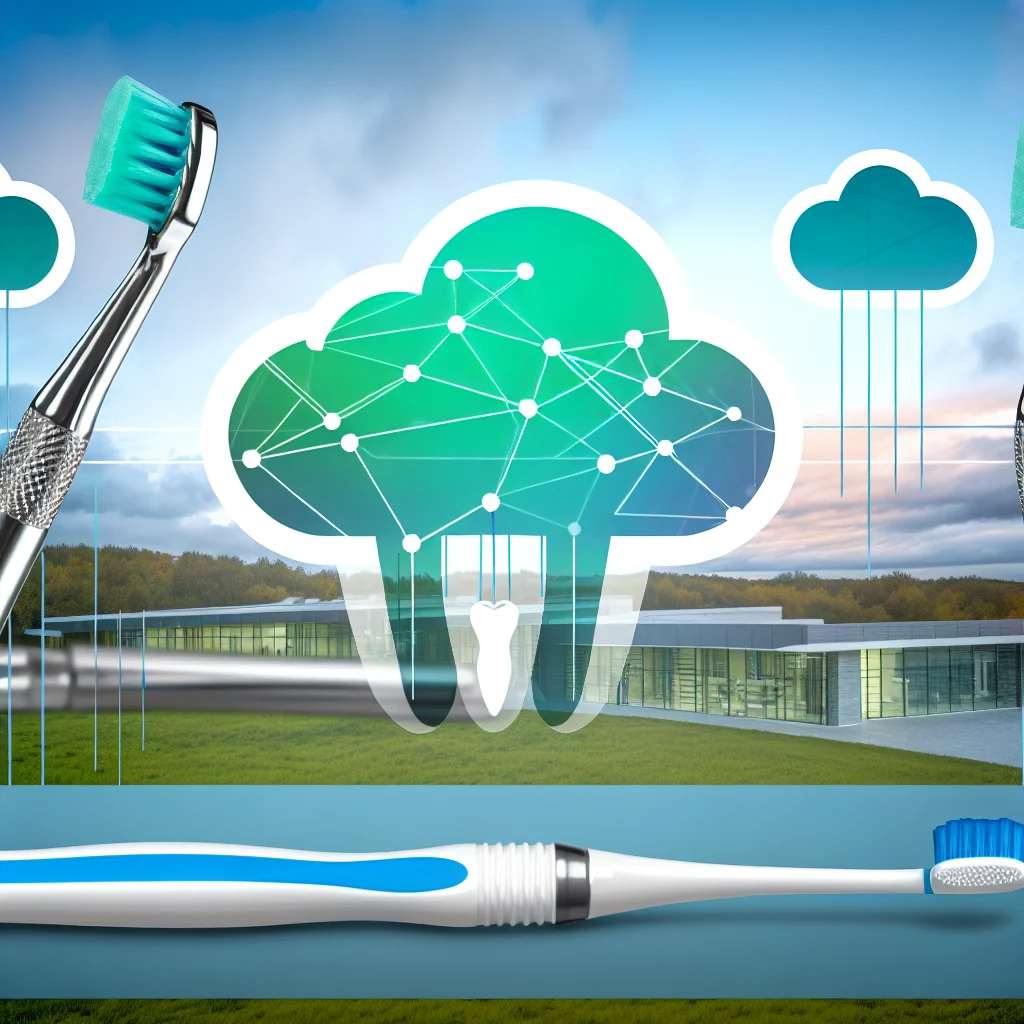
In the rapidly evolving landscape of dental technology, ensuring the security of practice data and maintaining compliance with regulatory standards are paramount concerns for dental professionals. As dental practices increasingly rely on digital solutions to enhance patient care and streamline operations, the need for robust IT security measures becomes ever more critical. This article explores best practices for dental IT upgrades and compliance, providing insights into how dental practices can safeguard sensitive information while embracing technological advancements.
To begin with, understanding the unique security challenges faced by dental practices is essential. Dental offices handle a vast amount of sensitive patient data, including personal identification information, medical histories, and financial details. This makes them attractive targets for cybercriminals seeking to exploit vulnerabilities in IT systems. Consequently, implementing comprehensive security protocols is not just a regulatory requirement but a fundamental aspect of protecting patient trust and the practice’s reputation.
One of the foundational steps in ensuring practice security is conducting a thorough risk assessment. This involves identifying potential vulnerabilities within the existing IT infrastructure and evaluating the potential impact of various security threats. By understanding these risks, dental practices can prioritize their security efforts and allocate resources effectively. Regular risk assessments also help in keeping pace with emerging threats and adapting security measures accordingly.
Following a risk assessment, upgrading IT systems to incorporate the latest security technologies is crucial. This includes deploying advanced firewalls, intrusion detection systems, and encryption protocols to safeguard data both in transit and at rest. Additionally, implementing multi-factor authentication for accessing sensitive systems adds an extra layer of protection, making it significantly more challenging for unauthorized individuals to gain access.
Moreover, ensuring compliance with regulatory standards such as the Health Insurance Portability and Accountability Act (HIPAA) is a critical component of dental IT security. HIPAA sets forth stringent requirements for the protection of patient information, and non-compliance can result in severe penalties. Dental practices must stay informed about the latest regulatory updates and ensure that their IT systems and processes align with these standards. Regular training sessions for staff on data protection and privacy practices are also essential to maintain compliance and foster a culture of security awareness within the practice.
In addition to technical upgrades and compliance measures, developing a comprehensive incident response plan is vital. Despite the best preventive efforts, security breaches can still occur. Having a well-defined response plan enables dental practices to react swiftly and effectively, minimizing the impact of any potential data breach. This plan should outline the steps to be taken in the event of a security incident, including communication protocols, data recovery procedures, and notification requirements.
Furthermore, partnering with reputable IT service providers can significantly enhance a dental practice’s security posture. These providers bring specialized expertise and resources to the table, offering tailored solutions that address the unique needs of dental practices. By leveraging their knowledge, dental professionals can focus on delivering quality patient care while entrusting their IT security to experts.
In conclusion, as dental technology continues to advance, ensuring practice security through strategic IT upgrades and compliance measures is imperative. By conducting regular risk assessments, implementing cutting-edge security technologies, adhering to regulatory standards, and preparing for potential incidents, dental practices can protect sensitive patient data and maintain their reputation in an increasingly digital world. Embracing these best practices not only safeguards the practice but also reinforces the trust and confidence of patients in their dental care providers.
The Future of Dental Technology: How IT Upgrades Are Transforming Dental Software
The rapid evolution of technology has left no industry untouched, and dentistry is no exception. As dental practices strive to provide superior patient care while optimizing operational efficiency, the integration of advanced information technology (IT) systems has become increasingly pivotal. The future of dental technology is being shaped by significant IT upgrades, which are transforming dental software in ways that promise to revolutionize the field.
To begin with, one of the most notable advancements in dental technology is the development of sophisticated practice management software. These systems are designed to streamline administrative tasks, such as scheduling, billing, and patient record management. By automating these processes, dental practices can reduce the likelihood of human error, enhance productivity, and ultimately improve patient satisfaction. Moreover, the integration of cloud-based solutions allows for secure, real-time access to patient data from any location, facilitating better communication and collaboration among dental professionals.
In addition to practice management, diagnostic and treatment planning software has seen remarkable improvements. Advanced imaging technologies, such as digital radiography and 3D cone beam computed tomography (CBCT), are now being integrated with software that can analyze and interpret data with unprecedented accuracy. This not only aids in the early detection of dental issues but also enhances the precision of treatment planning. For instance, computer-aided design and computer-aided manufacturing (CAD/CAM) systems enable the creation of highly accurate dental restorations, such as crowns and bridges, in a fraction of the time required by traditional methods.
Furthermore, the rise of artificial intelligence (AI) in dental technology is another transformative trend. AI algorithms are being developed to assist in diagnosing conditions by analyzing patterns in dental images and patient data. This technology holds the potential to augment the expertise of dental professionals, providing them with valuable insights that can lead to more accurate diagnoses and personalized treatment plans. As AI continues to evolve, its applications in predictive analytics could also play a crucial role in preventive dentistry, helping to identify patients at risk of developing certain conditions before they manifest.
Another significant area of advancement is patient engagement and communication. Modern dental software now includes features that enhance patient interaction, such as automated appointment reminders, online booking systems, and personalized communication platforms. These tools not only improve the patient experience but also foster a stronger relationship between patients and their dental care providers. By leveraging technology to keep patients informed and engaged, dental practices can encourage better oral health habits and adherence to treatment plans.
Moreover, cybersecurity has become a critical concern as dental practices increasingly rely on digital systems. Protecting sensitive patient information from cyber threats is paramount, and IT upgrades are essential in ensuring robust security measures are in place. Advanced encryption protocols, multi-factor authentication, and regular software updates are just a few of the strategies being employed to safeguard data integrity and confidentiality.
In conclusion, the future of dental technology is being shaped by a myriad of IT upgrades that are transforming dental software. From practice management and diagnostic tools to AI applications and patient engagement systems, these advancements are poised to enhance the quality of care and operational efficiency in dental practices. As technology continues to evolve, dental professionals must remain adaptable and informed to harness these innovations effectively, ensuring they can meet the ever-changing needs of their patients and the industry at large.
Navigating Dental Compliance: The Importance of Secure Dental Software and Technology
In the rapidly evolving landscape of dental technology, ensuring compliance with regulatory standards is paramount for dental practices. As the integration of digital solutions becomes increasingly prevalent, the importance of secure dental software and technology cannot be overstated. Dental professionals must navigate a complex web of regulations designed to protect patient information and ensure the integrity of dental services. Consequently, understanding the role of secure dental software in maintaining compliance is essential for any modern dental practice.
To begin with, the Health Insurance Portability and Accountability Act (HIPAA) sets the standard for protecting sensitive patient data in the United States. Dental practices are required to implement safeguards to ensure the confidentiality, integrity, and availability of electronic protected health information (ePHI). Secure dental software plays a crucial role in meeting these requirements by providing robust encryption, access controls, and audit trails. These features not only help in safeguarding patient data but also in demonstrating compliance during audits.
Moreover, the adoption of secure dental technology extends beyond mere compliance. It enhances the overall efficiency and effectiveness of dental practices. For instance, electronic health records (EHRs) streamline patient management by consolidating information into a single, easily accessible platform. This not only reduces the risk of data breaches but also improves the quality of patient care by enabling quick access to comprehensive patient histories. Additionally, secure communication tools integrated within dental software facilitate seamless collaboration among dental professionals, further enhancing patient outcomes.
Transitioning to the financial implications, non-compliance with regulatory standards can result in significant penalties for dental practices. Fines for HIPAA violations can reach up to $50,000 per incident, with a maximum annual penalty of $1.5 million. Therefore, investing in secure dental software is not merely a regulatory obligation but a prudent financial decision. By proactively addressing compliance requirements, dental practices can avoid costly fines and protect their reputation in an increasingly competitive market.
Furthermore, the rise of cyber threats underscores the necessity of secure dental technology. Cyberattacks targeting healthcare organizations have become more sophisticated, with dental practices being no exception. Implementing secure dental software with advanced security features is vital in defending against these threats. Regular software updates, vulnerability assessments, and employee training are integral components of a comprehensive cybersecurity strategy. By prioritizing security, dental practices can mitigate the risk of data breaches and maintain the trust of their patients.
In addition to security, the interoperability of dental software is a critical consideration for compliance. Interoperability ensures that different systems can communicate and exchange information seamlessly, which is essential for coordinated patient care. Secure dental software that adheres to industry standards facilitates interoperability, enabling dental practices to share information with other healthcare providers while maintaining compliance with data protection regulations.
In conclusion, navigating dental compliance in the digital age necessitates a commitment to secure dental software and technology. By understanding the regulatory landscape and investing in robust digital solutions, dental practices can protect patient information, enhance operational efficiency, and safeguard their financial well-being. As technology continues to advance, staying informed about the latest developments in dental IT is crucial for maintaining compliance and delivering high-quality patient care. Ultimately, the integration of secure dental technology is not just a regulatory requirement but a strategic advantage in the ever-evolving field of dentistry.
Unlock the future of your dental practice with cutting-edge Dental IT Insights! Discover the latest in dental technology and elevate your patient care. Explore Now