Revolutionizing Patient Care: The Role Of Digital Dentistry In Modern Practices
In recent years, the field of dentistry has witnessed a remarkable transformation, largely driven by the integration of digital technology. This evolution, often referred to as digital dentistry, is revolutionizing patient care by enhancing precision, efficiency, and overall patient experience. As dental practices increasingly adopt these advanced technologies, they are not only improving clinical outcomes but also redefining the patient-dentist relationship.
One of the most significant advancements in digital dentistry is the use of computer-aided design and computer-aided manufacturing (CAD/CAM) systems. These systems allow for the creation of highly accurate dental restorations, such as crowns, bridges, and veneers, in a fraction of the time required by traditional methods. By utilizing digital impressions and 3D imaging, dentists can design and fabricate restorations with unparalleled precision, ensuring a perfect fit and optimal function. This not only reduces the number of visits required for patients but also minimizes discomfort and enhances the overall treatment experience.
Moreover, digital radiography has become a cornerstone of modern dental practices. Unlike conventional X-rays, digital radiographs offer numerous advantages, including reduced radiation exposure, immediate image availability, and enhanced image quality. These benefits enable dentists to diagnose and treat dental conditions more effectively and efficiently. Furthermore, digital radiography facilitates better communication with patients, as images can be easily shared and explained, fostering a more collaborative approach to treatment planning.
In addition to these diagnostic and restorative technologies, digital dentistry encompasses a range of other innovations that are transforming patient care. For instance, intraoral scanners have replaced traditional impression materials, providing a more comfortable and accurate method for capturing the details of a patient’s oral cavity. This technology not only improves the accuracy of dental impressions but also enhances patient comfort by eliminating the need for messy and often uncomfortable impression materials.
Another noteworthy development is the use of 3D printing in dentistry. This technology is being utilized to produce a variety of dental appliances, including surgical guides, orthodontic models, and even dentures. The ability to rapidly produce customized dental devices on-site not only streamlines the workflow within dental practices but also allows for more personalized and timely patient care.
Furthermore, the integration of digital technology in dentistry extends beyond clinical applications. Practice management software has become an essential tool for modern dental practices, enabling efficient scheduling, billing, and patient record management. These systems improve the overall efficiency of dental practices, allowing dentists to focus more on patient care and less on administrative tasks.
As digital dentistry continues to evolve, it is also fostering a more patient-centered approach to care. With the aid of digital tools, dentists can provide more detailed explanations of treatment options, allowing patients to make informed decisions about their oral health. This transparency and collaboration are key components of modern patient care, enhancing trust and satisfaction.
In conclusion, the role of digital dentistry in modern practices is undeniably transformative. By embracing these technological advancements, dental professionals are not only improving the quality and efficiency of care but also enhancing the overall patient experience. As the field continues to advance, it is clear that digital dentistry will remain at the forefront of revolutionizing patient care, setting new standards for excellence in the dental industry.
Ensuring Dental Compliance: Navigating The Complexities Of IT Regulations
In the rapidly evolving landscape of dental technology, ensuring compliance with IT regulations has become a critical concern for dental practices. As digital solutions increasingly permeate the dental industry, practitioners must navigate a complex web of regulations designed to protect patient data and ensure the integrity of healthcare services. Understanding these regulations is essential for maintaining compliance and safeguarding sensitive information.
One of the primary regulations that dental practices must adhere to is the Health Insurance Portability and Accountability Act (HIPAA). HIPAA sets the standard for protecting sensitive patient data, and compliance is mandatory for any entity that handles protected health information (PHI). Dental practices must implement comprehensive security measures to prevent unauthorized access to patient records. This includes using encryption technologies, establishing secure communication channels, and ensuring that all staff members are trained in data protection protocols. Failure to comply with HIPAA can result in significant fines and damage to a practice’s reputation.
In addition to HIPAA, dental practices must also consider the implications of the General Data Protection Regulation (GDPR) if they handle data from patients within the European Union. GDPR emphasizes the importance of data privacy and grants individuals greater control over their personal information. For dental practices, this means obtaining explicit consent from patients before collecting or processing their data and ensuring that data is stored securely. Navigating the intricacies of GDPR can be challenging, but it is crucial for practices that serve international patients or collaborate with EU-based entities.
Moreover, the increasing reliance on cloud-based solutions and digital record-keeping systems necessitates a thorough understanding of cybersecurity measures. Dental practices must ensure that their IT infrastructure is robust enough to withstand cyber threats, which are becoming more sophisticated and prevalent. Regularly updating software, conducting vulnerability assessments, and implementing multi-factor authentication are essential steps in fortifying a practice’s digital defenses. By proactively addressing cybersecurity concerns, dental practices can protect themselves from data breaches that could compromise patient trust and lead to regulatory penalties.
Furthermore, dental practices should be aware of state-specific regulations that may impose additional requirements beyond federal mandates. These regulations can vary significantly, and staying informed about local laws is vital for comprehensive compliance. Engaging with legal experts or compliance consultants can provide valuable insights into the specific obligations that a practice must fulfill. By taking a proactive approach to understanding and implementing these regulations, dental practices can avoid potential legal pitfalls and focus on delivering high-quality care to their patients.
In conclusion, navigating the complexities of IT regulations in the dental industry requires a multifaceted approach that encompasses federal, international, and state-specific requirements. Dental practices must prioritize data protection and cybersecurity to ensure compliance with regulations such as HIPAA and GDPR. By investing in robust IT infrastructure and staying informed about evolving legal obligations, dental practitioners can safeguard patient information and maintain the trust of their clientele. As technology continues to advance, staying ahead of regulatory changes will be essential for the continued success and integrity of dental practices.
Cloud Integration In Dental Practices: Benefits And Best Practices
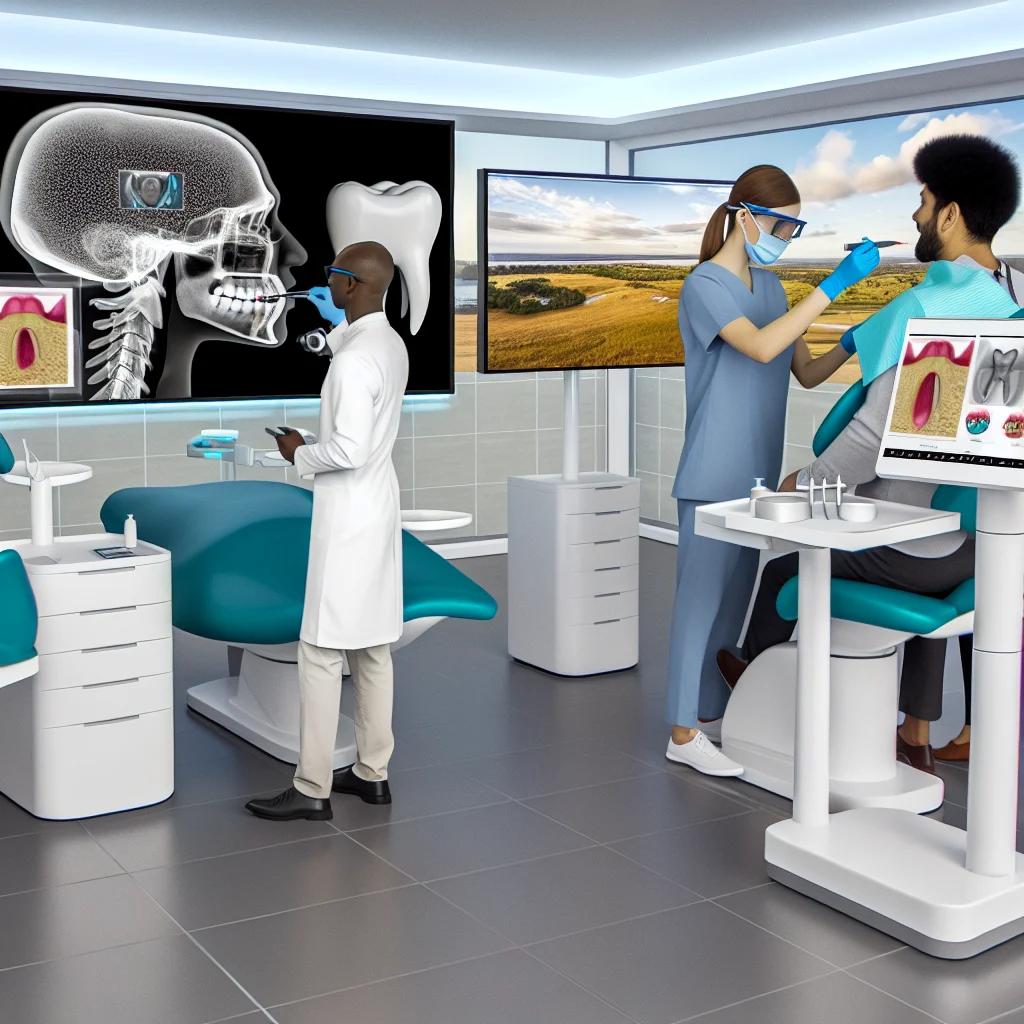
In recent years, the integration of cloud technology into dental practices has emerged as a transformative trend, offering a multitude of benefits that enhance operational efficiency and patient care. As dental practices increasingly adopt digital solutions, cloud integration stands out as a pivotal advancement, providing a robust platform for data management, patient communication, and collaborative care. Understanding the benefits and best practices of cloud integration is essential for dental professionals seeking to optimize their practice’s technological infrastructure.
One of the primary advantages of cloud integration in dental practices is the enhanced accessibility it offers. By storing data in the cloud, dental professionals can access patient records, treatment plans, and diagnostic images from any location with an internet connection. This flexibility is particularly beneficial for practices with multiple locations or for professionals who need to consult on cases remotely. Moreover, cloud-based systems facilitate seamless collaboration among dental team members, ensuring that everyone involved in patient care has access to the most up-to-date information.
In addition to improved accessibility, cloud integration significantly enhances data security. Dental practices handle sensitive patient information, making data protection a top priority. Cloud service providers typically offer advanced security measures, including encryption, multi-factor authentication, and regular security audits, to safeguard data against unauthorized access and cyber threats. By leveraging these security features, dental practices can ensure compliance with regulations such as the Health Insurance Portability and Accountability Act (HIPAA) while maintaining patient trust.
Furthermore, cloud integration streamlines administrative processes, reducing the burden of manual tasks and allowing dental professionals to focus more on patient care. Automated appointment scheduling, billing, and inventory management are just a few examples of how cloud-based systems can improve efficiency. These systems also facilitate better patient communication through automated reminders and secure messaging platforms, enhancing the overall patient experience.
To fully realize the benefits of cloud integration, dental practices must adhere to best practices during implementation. First and foremost, selecting a reputable cloud service provider is crucial. Practices should evaluate providers based on their security protocols, compliance with industry standards, and customer support services. Additionally, it is important to ensure that the chosen cloud solution is compatible with existing practice management software to avoid disruptions during the transition.
Training staff members on the new system is another critical step in successful cloud integration. Comprehensive training programs should be conducted to familiarize the team with the functionalities of the cloud-based system and to address any concerns or questions. This will not only facilitate a smoother transition but also empower staff to utilize the system effectively, maximizing its potential benefits.
Regularly reviewing and updating cloud-based systems is also essential to maintain their efficiency and security. Dental practices should work closely with their cloud service providers to ensure that software updates and security patches are applied promptly. This proactive approach helps to mitigate potential vulnerabilities and ensures that the practice remains at the forefront of technological advancements.
In conclusion, cloud integration offers a myriad of benefits for dental practices, from enhanced accessibility and data security to streamlined administrative processes. By following best practices during implementation, dental professionals can harness the full potential of cloud technology, ultimately improving patient care and operational efficiency. As the dental industry continues to evolve, embracing cloud integration will be key to staying competitive and delivering high-quality care in an increasingly digital world.
Enhancing Practice Security: Essential IT Upgrades For Dental Offices
In the rapidly evolving landscape of dental technology, ensuring the security of patient data has become a paramount concern for dental practices. As digital records and electronic health systems become more prevalent, the need for robust IT infrastructure to protect sensitive information is more critical than ever. Dental offices must prioritize essential IT upgrades to safeguard against potential security breaches and maintain the trust of their patients.
To begin with, one of the most fundamental upgrades a dental practice can implement is the adoption of advanced encryption technologies. Encryption serves as the first line of defense by converting sensitive data into a code that can only be deciphered with the correct key. This ensures that even if data is intercepted, it remains inaccessible to unauthorized individuals. By employing end-to-end encryption for all patient communications and data storage, dental offices can significantly reduce the risk of data breaches.
In addition to encryption, implementing a comprehensive firewall system is crucial. Firewalls act as a barrier between a dental practice’s internal network and external threats, monitoring and controlling incoming and outgoing network traffic based on predetermined security rules. By regularly updating firewall configurations and ensuring they are tailored to the specific needs of the practice, dental offices can effectively block malicious traffic and prevent unauthorized access to their systems.
Moreover, the importance of regular software updates cannot be overstated. Software vendors frequently release updates to patch vulnerabilities and enhance security features. Dental practices should establish a routine schedule for updating all software, including operating systems, dental management software, and antivirus programs. By keeping software up-to-date, practices can protect themselves against known vulnerabilities and reduce the likelihood of cyberattacks.
Another critical aspect of enhancing practice security is the implementation of multi-factor authentication (MFA). MFA adds an additional layer of security by requiring users to provide two or more verification factors to gain access to sensitive systems. This could include something the user knows, such as a password, and something the user has, like a smartphone app that generates a unique code. By requiring multiple forms of verification, dental practices can significantly reduce the risk of unauthorized access, even if passwords are compromised.
Furthermore, dental offices should invest in regular staff training on cybersecurity best practices. Human error remains one of the leading causes of data breaches, often due to phishing attacks or weak password practices. By educating staff on recognizing phishing attempts, creating strong passwords, and understanding the importance of data protection, practices can foster a culture of security awareness. Regular training sessions and updates on the latest cybersecurity threats can empower staff to act as the first line of defense against potential breaches.
Finally, dental practices should consider conducting regular security audits and risk assessments. These evaluations can help identify potential vulnerabilities within the IT infrastructure and provide insights into areas that require improvement. By proactively addressing weaknesses and implementing recommended changes, practices can enhance their overall security posture and ensure compliance with industry regulations.
In conclusion, as dental technology continues to advance, so too must the security measures that protect patient data. By adopting essential IT upgrades such as encryption, firewalls, software updates, multi-factor authentication, staff training, and regular security audits, dental practices can safeguard sensitive information and maintain the trust of their patients. In an era where data breaches are increasingly common, prioritizing IT security is not just a best practice but a necessity for the modern dental office.
Choosing The Right Dental Software: Key Considerations For Optimal Performance
In the rapidly evolving landscape of dental technology, selecting the right dental software is a critical decision that can significantly impact the efficiency and effectiveness of a dental practice. As dental professionals strive to enhance patient care and streamline operations, understanding the key considerations for choosing optimal dental software becomes paramount. The integration of advanced software solutions not only facilitates better patient management but also ensures compliance with industry standards and regulations.
To begin with, one of the primary considerations when selecting dental software is its functionality. Dental practices require software that can handle a wide range of tasks, from scheduling appointments and managing patient records to processing billing and insurance claims. Therefore, it is essential to evaluate the software’s capabilities in terms of these core functions. A comprehensive software solution should offer seamless integration of these features, allowing for a more cohesive and efficient workflow. Additionally, the software should be scalable, accommodating the growth of the practice and the increasing complexity of its operations.
Another crucial factor to consider is the user-friendliness of the software. Dental professionals, including dentists, hygienists, and administrative staff, must be able to navigate the system with ease. A user-friendly interface reduces the learning curve and minimizes the potential for errors, thereby enhancing productivity. Moreover, intuitive software can lead to improved patient interactions, as staff can focus more on patient care rather than grappling with complex software systems. Therefore, it is advisable to opt for software that offers a clean, straightforward interface and provides adequate training and support for users.
Data security is another vital aspect that cannot be overlooked. With the increasing digitization of patient records, safeguarding sensitive information is of utmost importance. Dental software must comply with regulations such as the Health Insurance Portability and Accountability Act (HIPAA) to ensure the confidentiality and integrity of patient data. This includes implementing robust encryption methods, secure access controls, and regular software updates to protect against cyber threats. Practices should prioritize software providers that demonstrate a strong commitment to data security and offer comprehensive support in this area.
Furthermore, the ability to integrate with other systems is a key consideration. Dental practices often use a variety of tools and technologies, from digital imaging systems to electronic health records (EHRs). The chosen software should be compatible with these existing systems to facilitate seamless data exchange and interoperability. This integration not only enhances operational efficiency but also improves the quality of patient care by providing a more holistic view of patient information.
Cost is another important factor in the decision-making process. While it may be tempting to opt for the most affordable option, it is crucial to consider the long-term value and return on investment that the software provides. This includes evaluating the total cost of ownership, which encompasses not only the initial purchase price but also ongoing maintenance, support, and potential upgrade costs. Practices should conduct a thorough cost-benefit analysis to ensure that the software aligns with their budgetary constraints while meeting their operational needs.
In conclusion, choosing the right dental software requires careful consideration of several key factors, including functionality, user-friendliness, data security, integration capabilities, and cost. By taking a comprehensive approach to evaluating these aspects, dental practices can select a software solution that optimizes performance, enhances patient care, and supports the overall growth and success of the practice. As technology continues to advance, staying informed about the latest developments in dental software will be essential for maintaining a competitive edge in the industry.
Unlock the future of your dental practice with cutting-edge insights into dental technology. Discover how to enhance patient care and streamline operations. Explore Dental IT Insights Now!