Understanding DLP Systems: Key Features and Benefits for Email Protection
Data Loss Prevention (DLP) systems have become an essential component in the realm of cybersecurity, particularly in safeguarding sensitive information transmitted via email. As organizations increasingly rely on digital communication, the risk of data breaches and unauthorized access to confidential information has escalated. Consequently, understanding the key features and benefits of DLP systems for email protection is crucial for businesses aiming to fortify their data security measures.
To begin with, DLP systems are designed to detect and prevent the unauthorized transmission of sensitive data. These systems employ a variety of techniques to identify and classify data based on predefined policies. By doing so, they ensure that sensitive information, such as personal identification numbers, financial data, and intellectual property, is not inadvertently or maliciously shared outside the organization. This capability is particularly vital in email communication, where the risk of data leakage is significant due to the ease with which emails can be forwarded or mistakenly sent to unintended recipients.
One of the primary features of DLP systems is content inspection. This involves analyzing the content of emails and their attachments to detect sensitive information. By utilizing pattern matching, keyword analysis, and contextual scanning, DLP systems can identify data that matches specific criteria set by the organization. For instance, if an email contains a sequence of numbers resembling a credit card number, the DLP system can flag it for further review or block its transmission altogether. This proactive approach helps prevent data breaches before they occur, thereby safeguarding the organization’s reputation and financial standing.
In addition to content inspection, DLP systems offer robust policy enforcement capabilities. Organizations can define and customize policies that dictate how sensitive information should be handled. These policies can be tailored to meet regulatory requirements, such as GDPR or HIPAA, ensuring compliance with legal standards. By enforcing these policies, DLP systems can automatically apply encryption, quarantine suspicious emails, or alert administrators to potential violations. This level of control not only enhances data security but also streamlines the process of managing and monitoring email communications.
Moreover, DLP systems provide comprehensive reporting and analytics features. These tools enable organizations to gain insights into data usage patterns and identify potential vulnerabilities. By analyzing trends and anomalies in email traffic, businesses can make informed decisions about their security strategies and adjust their DLP policies accordingly. This continuous feedback loop ensures that the organization’s data protection measures remain effective and responsive to emerging threats.
The benefits of implementing DLP systems for email protection extend beyond mere compliance and risk mitigation. By preventing data breaches, organizations can avoid the financial and reputational damage associated with such incidents. Furthermore, DLP systems enhance employee awareness of data security practices, fostering a culture of vigilance and responsibility. As employees become more conscious of the importance of protecting sensitive information, the likelihood of accidental data leaks diminishes.
In conclusion, DLP systems play a pivotal role in safeguarding sensitive information transmitted via email. Through features such as content inspection, policy enforcement, and comprehensive reporting, these systems provide organizations with the tools necessary to prevent data breaches and ensure compliance with regulatory standards. As the digital landscape continues to evolve, the importance of robust email protection measures cannot be overstated. By investing in DLP systems, organizations can protect their valuable data assets and maintain the trust of their stakeholders.
Effective Backup Strategies to Complement DLP Systems in Preventing Data Loss
In the contemporary digital landscape, the importance of safeguarding sensitive information cannot be overstated. As organizations increasingly rely on digital data, the risk of data breaches and losses has become a significant concern. Data Loss Prevention (DLP) systems have emerged as a critical component in the arsenal of tools designed to protect sensitive information from unauthorized access and accidental loss. However, while DLP systems are instrumental in identifying and mitigating potential threats, they are not infallible. To enhance the effectiveness of DLP systems, it is essential to implement robust backup strategies that serve as a complementary measure in preventing data loss.
To begin with, understanding the limitations of DLP systems is crucial. These systems are primarily designed to monitor, detect, and prevent the unauthorized transmission of sensitive data. They excel in identifying potential threats and ensuring compliance with data protection regulations. However, DLP systems are not designed to recover lost data. This is where effective backup strategies come into play, providing a safety net that ensures data can be restored in the event of a loss.
One of the most effective backup strategies is the implementation of the 3-2-1 rule. This rule advocates for maintaining three copies of data: the original data and two backups. These backups should be stored on two different types of media, such as an external hard drive and a cloud storage service, to mitigate the risk of data loss due to hardware failure. Additionally, one of these backups should be stored offsite to protect against physical disasters such as fires or floods. By adhering to the 3-2-1 rule, organizations can ensure that their data is not only protected from unauthorized access but also recoverable in the event of a loss.
Moreover, regular testing of backup systems is imperative to ensure their reliability. It is not enough to simply create backups; organizations must also verify that these backups can be successfully restored. Regular testing helps identify potential issues in the backup process and ensures that data recovery can be executed smoothly when needed. This proactive approach complements the reactive nature of DLP systems, creating a comprehensive data protection strategy.
In addition to regular testing, organizations should also consider the frequency of their backups. The frequency should be determined by the criticality of the data and the organization’s tolerance for data loss. For instance, data that is frequently updated or critical to business operations may require daily or even real-time backups. On the other hand, less critical data may only need weekly or monthly backups. By tailoring the backup frequency to the specific needs of the organization, businesses can optimize their data protection efforts.
Furthermore, encryption of backup data is a vital consideration. While DLP systems focus on preventing unauthorized access to data, encrypting backup data adds an additional layer of security. In the event that backup data is intercepted or accessed by unauthorized individuals, encryption ensures that the data remains unreadable and secure.
In conclusion, while DLP systems play a crucial role in preventing data loss, they must be complemented by effective backup strategies to ensure comprehensive data protection. By implementing the 3-2-1 rule, regularly testing backup systems, determining appropriate backup frequencies, and encrypting backup data, organizations can create a robust defense against data loss. This multifaceted approach not only enhances the effectiveness of DLP systems but also provides peace of mind in an increasingly data-driven world.
Enhancing Access Control with DLP Systems to Mitigate Data Breach Risks
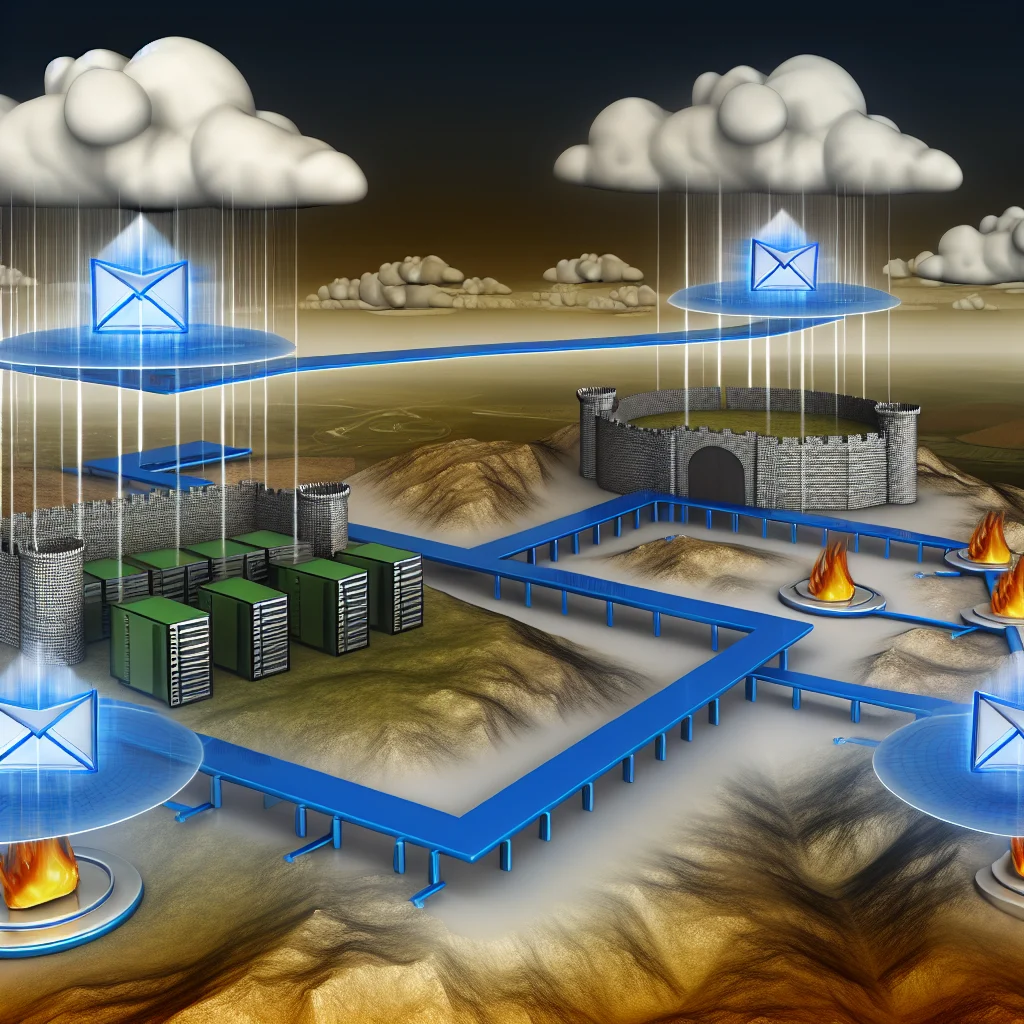
In today’s digital landscape, the protection of sensitive information is paramount, and organizations are increasingly turning to Data Loss Prevention (DLP) systems to safeguard their data. These systems play a crucial role in enhancing access control, thereby mitigating the risks associated with data breaches. As cyber threats continue to evolve, the integration of DLP systems into an organization’s security framework becomes not only beneficial but essential.
DLP systems are designed to monitor, detect, and prevent the unauthorized transmission of sensitive data. By implementing robust access control measures, these systems ensure that only authorized personnel have access to critical information. This is achieved through a combination of policies, rules, and technologies that work together to identify and protect data at rest, in motion, and in use. Consequently, organizations can significantly reduce the likelihood of data breaches, which can result in financial loss, reputational damage, and legal repercussions.
One of the primary ways DLP systems enhance access control is by classifying data based on its sensitivity. By categorizing information, organizations can apply specific security measures tailored to the level of risk associated with each data type. For instance, highly sensitive data such as financial records or personal identification information can be subjected to stricter access controls compared to less critical data. This targeted approach not only optimizes security resources but also minimizes the potential for human error, which is often a contributing factor in data breaches.
Moreover, DLP systems facilitate the enforcement of data handling policies across an organization. By automating the monitoring and reporting of data access and usage, these systems provide real-time insights into potential vulnerabilities. This continuous oversight allows organizations to swiftly identify and address any unauthorized access attempts, thereby preventing data breaches before they occur. Additionally, the ability to generate detailed audit trails ensures that organizations can demonstrate compliance with regulatory requirements, which is increasingly important in today’s stringent data protection landscape.
Furthermore, the integration of DLP systems with existing security infrastructure enhances their effectiveness. By working in tandem with other security measures such as firewalls, intrusion detection systems, and encryption technologies, DLP systems provide a comprehensive defense against data breaches. This layered security approach ensures that even if one line of defense is compromised, others remain in place to protect sensitive information. As a result, organizations can maintain a robust security posture that adapts to the ever-changing threat environment.
In addition to technical measures, DLP systems also support the development of a security-conscious culture within an organization. By raising awareness of data protection policies and procedures, these systems encourage employees to adopt best practices in handling sensitive information. Training programs and regular updates on emerging threats further reinforce the importance of data security, empowering employees to act as the first line of defense against potential breaches.
In conclusion, the implementation of DLP systems is a critical component of an organization’s access control strategy. By classifying data, enforcing policies, integrating with existing security measures, and fostering a culture of security awareness, these systems significantly mitigate the risks associated with data breaches. As cyber threats continue to grow in sophistication, the role of DLP systems in protecting sensitive information will only become more vital. Organizations that prioritize the integration of these systems into their security frameworks will be better equipped to safeguard their data and maintain the trust of their stakeholders.
The Role of Encryption in DLP Systems: Safeguarding Sensitive Information
In the ever-evolving landscape of digital information, safeguarding sensitive data has become a paramount concern for organizations across the globe. Data Loss Prevention (DLP) systems have emerged as a critical component in the arsenal of cybersecurity measures, designed to protect sensitive information from unauthorized access, leakage, or theft. Among the various strategies employed by DLP systems, encryption stands out as a fundamental technique that plays a pivotal role in ensuring data security.
Encryption, at its core, is the process of converting data into a coded format that is unreadable to unauthorized users. This transformation is achieved through the use of cryptographic algorithms, which require a specific key to decrypt the information back into its original form. By employing encryption, DLP systems can effectively safeguard sensitive data, both at rest and in transit, thereby mitigating the risk of data breaches and unauthorized disclosures.
One of the primary advantages of encryption within DLP systems is its ability to protect data at rest. This refers to data that is stored on devices such as servers, databases, or personal computers. By encrypting this data, organizations can ensure that even if a device is lost or stolen, the information remains inaccessible to unauthorized individuals. This is particularly crucial in scenarios where physical security measures may be compromised, as encryption provides an additional layer of protection that is independent of the physical security environment.
Moreover, encryption plays a vital role in securing data in transit. As data is transmitted across networks, it becomes vulnerable to interception by malicious actors. Encryption ensures that even if data is intercepted during transmission, it remains unintelligible to unauthorized parties. This is especially important in today’s interconnected world, where data frequently traverses public and private networks, making it susceptible to various forms of cyberattacks.
In addition to protecting data at rest and in transit, encryption also facilitates compliance with regulatory requirements. Many industries are subject to stringent data protection regulations that mandate the use of encryption to safeguard sensitive information. By integrating encryption into their DLP systems, organizations can demonstrate their commitment to data security and regulatory compliance, thereby avoiding potential legal and financial repercussions.
Furthermore, encryption enhances the overall effectiveness of DLP systems by providing a robust mechanism for access control. By encrypting data, organizations can ensure that only authorized users with the appropriate decryption keys can access sensitive information. This not only prevents unauthorized access but also enables organizations to implement granular access controls, allowing them to define specific permissions for different users or groups.
Despite its numerous benefits, it is important to acknowledge that encryption is not a panacea for all data security challenges. Implementing encryption requires careful consideration of key management practices, as the security of encrypted data is heavily reliant on the protection of cryptographic keys. Organizations must establish robust key management policies to ensure that keys are stored securely and are accessible only to authorized personnel.
In conclusion, encryption plays an indispensable role in the effectiveness of DLP systems by safeguarding sensitive information from unauthorized access and ensuring compliance with regulatory requirements. By protecting data at rest and in transit, encryption provides a critical layer of security that is essential in today’s digital age. However, to fully leverage the benefits of encryption, organizations must also implement sound key management practices, thereby ensuring the integrity and confidentiality of their sensitive data.
Compliance Tools and DLP Systems: Ensuring Regulatory Adherence and Data Security
In today’s digital landscape, the importance of safeguarding sensitive information cannot be overstated. As organizations increasingly rely on digital data, the risk of data breaches and unauthorized access has grown exponentially. This is where Data Loss Prevention (DLP) systems come into play, serving as a critical component in the arsenal of compliance tools designed to ensure regulatory adherence and data security. By implementing robust DLP systems, organizations can effectively mitigate the risks associated with data loss and maintain the integrity of their information assets.
DLP systems are designed to monitor, detect, and prevent the unauthorized transmission of sensitive data. They achieve this by identifying and classifying sensitive information, such as personally identifiable information (PII), financial data, and intellectual property, and applying policies to control its movement. This capability is particularly crucial in industries that are heavily regulated, such as healthcare, finance, and government, where compliance with data protection regulations is mandatory. For instance, regulations like the General Data Protection Regulation (GDPR) and the Health Insurance Portability and Accountability Act (HIPAA) impose stringent requirements on how organizations handle and protect personal data. Non-compliance with these regulations can result in severe penalties, making DLP systems an indispensable tool for ensuring adherence.
Moreover, DLP systems provide organizations with the ability to gain visibility into data flows and user activities. This visibility is essential for identifying potential vulnerabilities and understanding how data is being accessed and used within the organization. By leveraging this insight, organizations can proactively address security gaps and implement measures to prevent data breaches before they occur. Additionally, DLP systems can generate detailed reports and audit trails, which are invaluable for demonstrating compliance during regulatory audits and investigations.
Transitioning from the compliance aspect, it is important to consider the role of DLP systems in enhancing overall data security. In an era where cyber threats are becoming increasingly sophisticated, traditional security measures such as firewalls and antivirus software are no longer sufficient on their own. DLP systems complement these measures by providing an additional layer of protection that focuses specifically on data. They can detect and block unauthorized attempts to access or transmit sensitive information, whether through email, cloud storage, or removable media. This capability is particularly important in preventing insider threats, where employees or contractors may intentionally or inadvertently compromise data security.
Furthermore, the integration of DLP systems with other security tools, such as Security Information and Event Management (SIEM) systems, can enhance an organization’s overall security posture. By correlating data from multiple sources, organizations can gain a comprehensive view of their security landscape and respond more effectively to potential threats. This holistic approach to data security not only helps in protecting sensitive information but also in building trust with customers and stakeholders.
In conclusion, DLP systems are a vital component of compliance tools that help organizations ensure regulatory adherence and enhance data security. By providing visibility into data flows, preventing unauthorized data transmission, and integrating with other security measures, DLP systems enable organizations to protect their sensitive information effectively. As the regulatory environment continues to evolve and cyber threats become more sophisticated, the role of DLP systems in safeguarding data will only become more critical. Organizations that prioritize the implementation of robust DLP solutions will be better positioned to navigate the complexities of data protection and maintain the trust of their customers and partners.
Discover essential Data Loss Prevention Insights and enhance your security strategy with DLP systems. Learn more now!