EHR Evolution: Transforming Healthcare Systems Through Tech Integration
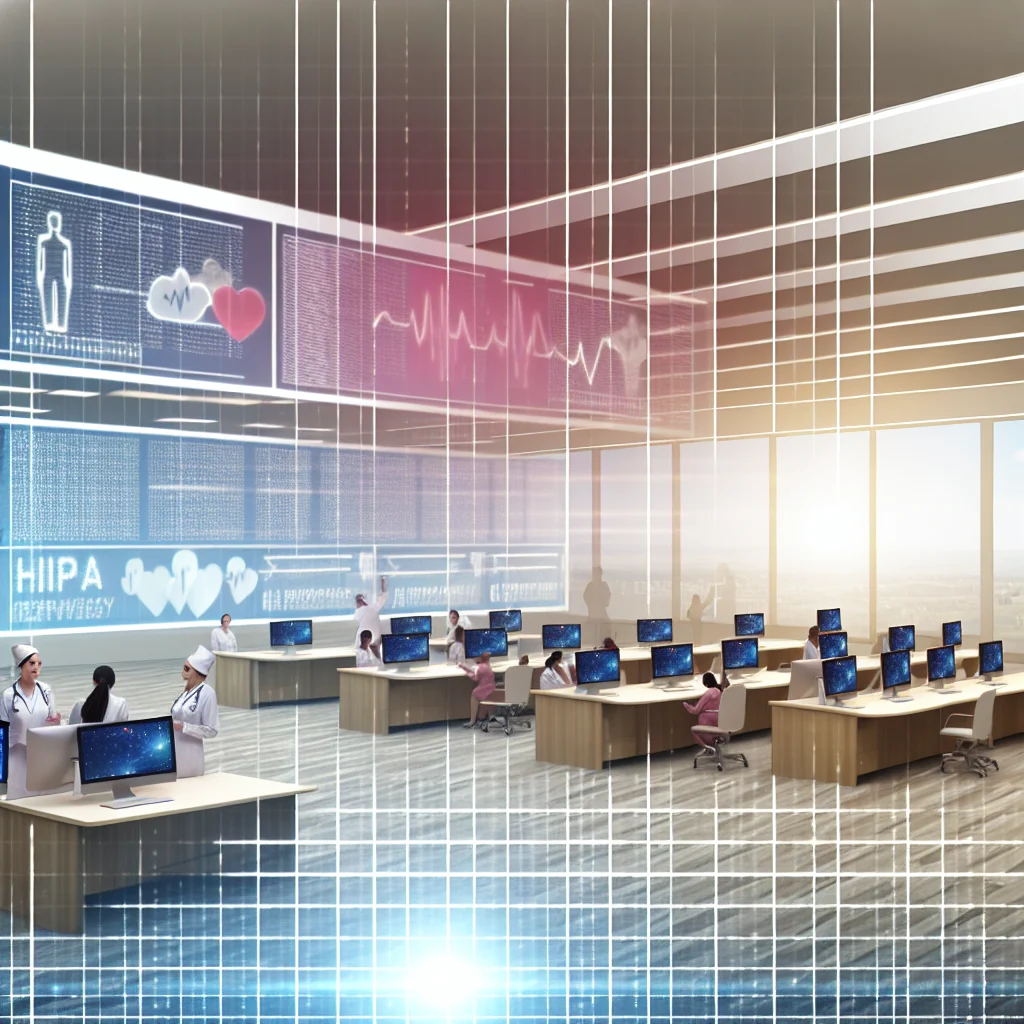
The evolution of Electronic Health Records (EHR) has been a transformative force in the healthcare industry, reshaping how medical information is stored, accessed, and utilized. As healthcare systems increasingly integrate technology, the role of EHRs has expanded beyond mere digital repositories of patient data. They have become pivotal in enhancing patient care, improving operational efficiency, and facilitating better communication among healthcare providers. This transformation is driven by the need for more coordinated and efficient healthcare delivery, which is essential in addressing the complexities of modern medical practice.
Initially, EHRs were primarily designed to replace paper records, offering a more organized and accessible way to store patient information. However, as technology advanced, so did the capabilities of EHR systems. They now offer a wide range of functionalities, including decision support tools, predictive analytics, and interoperability features that allow seamless data exchange across different healthcare platforms. This integration of advanced technologies into EHR systems has enabled healthcare providers to make more informed decisions, ultimately leading to improved patient outcomes.
Moreover, the integration of EHRs with other healthcare technologies, such as telemedicine and mobile health applications, has further expanded their utility. For instance, during the COVID-19 pandemic, the ability to access patient records remotely became crucial. EHR systems facilitated this by allowing healthcare providers to retrieve and update patient information from any location, thus ensuring continuity of care even in challenging circumstances. This adaptability highlights the importance of EHRs in supporting healthcare systems’ resilience and responsiveness to emerging health crises.
In addition to enhancing patient care, EHRs have also contributed to operational efficiencies within healthcare systems. By automating routine tasks such as appointment scheduling, billing, and prescription management, EHRs have reduced administrative burdens on healthcare staff. This automation not only saves time but also minimizes the risk of human error, which can have significant implications for patient safety. Furthermore, the data collected through EHRs can be analyzed to identify trends and patterns, enabling healthcare organizations to optimize resource allocation and improve service delivery.
Despite these advancements, the integration of EHRs into healthcare systems is not without challenges. Issues such as data privacy, system interoperability, and user training continue to pose significant hurdles. Ensuring the security of patient information is paramount, as breaches can undermine trust in healthcare systems and have severe legal and ethical consequences. Additionally, achieving interoperability between different EHR systems remains a complex task, requiring standardized protocols and collaboration among various stakeholders. Finally, effective user training is essential to ensure that healthcare providers can fully leverage the capabilities of EHR systems, thereby maximizing their potential benefits.
In conclusion, the evolution of EHRs represents a significant milestone in the ongoing transformation of healthcare systems through technology integration. By enhancing patient care, improving operational efficiency, and facilitating better communication, EHRs have become indispensable tools in modern healthcare. However, to fully realize their potential, it is crucial to address the challenges associated with their implementation and use. As technology continues to advance, the future of EHRs holds promise for even greater innovations that will further revolutionize healthcare delivery, ultimately leading to a more efficient, effective, and patient-centered healthcare system.
Health IT Trends: Navigating the Future of Medical Data Management
In the rapidly evolving landscape of healthcare, the integration of information technology has become a cornerstone for enhancing patient care and operational efficiency. As healthcare systems strive to keep pace with technological advancements, the management of medical data has emerged as a critical focus area. The increasing digitization of health records, coupled with the growing demand for data-driven decision-making, underscores the importance of robust health IT systems. These systems not only facilitate seamless data exchange but also ensure the security and privacy of sensitive patient information.
One of the most significant trends in healthcare IT is the adoption of electronic health records (EHRs). EHRs have revolutionized the way patient information is stored, accessed, and shared among healthcare providers. By providing a comprehensive view of a patient’s medical history, EHRs enable clinicians to make more informed decisions, thereby improving patient outcomes. Moreover, the interoperability of EHR systems allows for the seamless transfer of information across different healthcare settings, reducing the risk of errors and redundancies.
In addition to EHRs, the rise of big data analytics in healthcare is transforming how medical data is utilized. By harnessing the power of big data, healthcare providers can identify patterns and trends that were previously undetectable. This capability is particularly valuable in predictive analytics, where data is used to forecast patient outcomes and identify potential health risks. Consequently, healthcare systems can implement proactive measures to prevent adverse events and improve overall patient care.
Furthermore, the integration of artificial intelligence (AI) into healthcare IT systems is opening new avenues for innovation. AI algorithms can analyze vast amounts of data with remarkable speed and accuracy, assisting clinicians in diagnosing diseases and developing personalized treatment plans. For instance, AI-powered tools can detect anomalies in medical images, such as X-rays and MRIs, with a level of precision that rivals human experts. This not only enhances diagnostic accuracy but also expedites the decision-making process, ultimately benefiting patients.
As healthcare systems continue to embrace these technological advancements, the importance of data security and privacy cannot be overstated. The sensitive nature of medical data necessitates stringent measures to protect it from unauthorized access and breaches. Implementing robust cybersecurity protocols, such as encryption and multi-factor authentication, is essential to safeguarding patient information. Additionally, compliance with regulations like the Health Insurance Portability and Accountability Act (HIPAA) ensures that healthcare organizations adhere to the highest standards of data protection.
While the benefits of health IT are undeniable, challenges remain in its implementation. The high costs associated with deploying and maintaining advanced IT systems can be a barrier for some healthcare providers, particularly smaller practices. Moreover, the complexity of integrating new technologies with existing infrastructure can pose significant hurdles. To address these challenges, healthcare organizations must prioritize strategic planning and invest in training programs to equip their staff with the necessary skills to navigate the digital landscape.
In conclusion, the future of medical data management lies in the continued advancement and integration of health IT systems. By leveraging technologies such as EHRs, big data analytics, and AI, healthcare providers can enhance patient care, improve operational efficiency, and ensure the security of sensitive information. As the healthcare industry evolves, embracing these trends will be crucial for navigating the complexities of modern medical data management.
Clinical Support Innovations: Enhancing Patient Care with Advanced Healthcare Systems
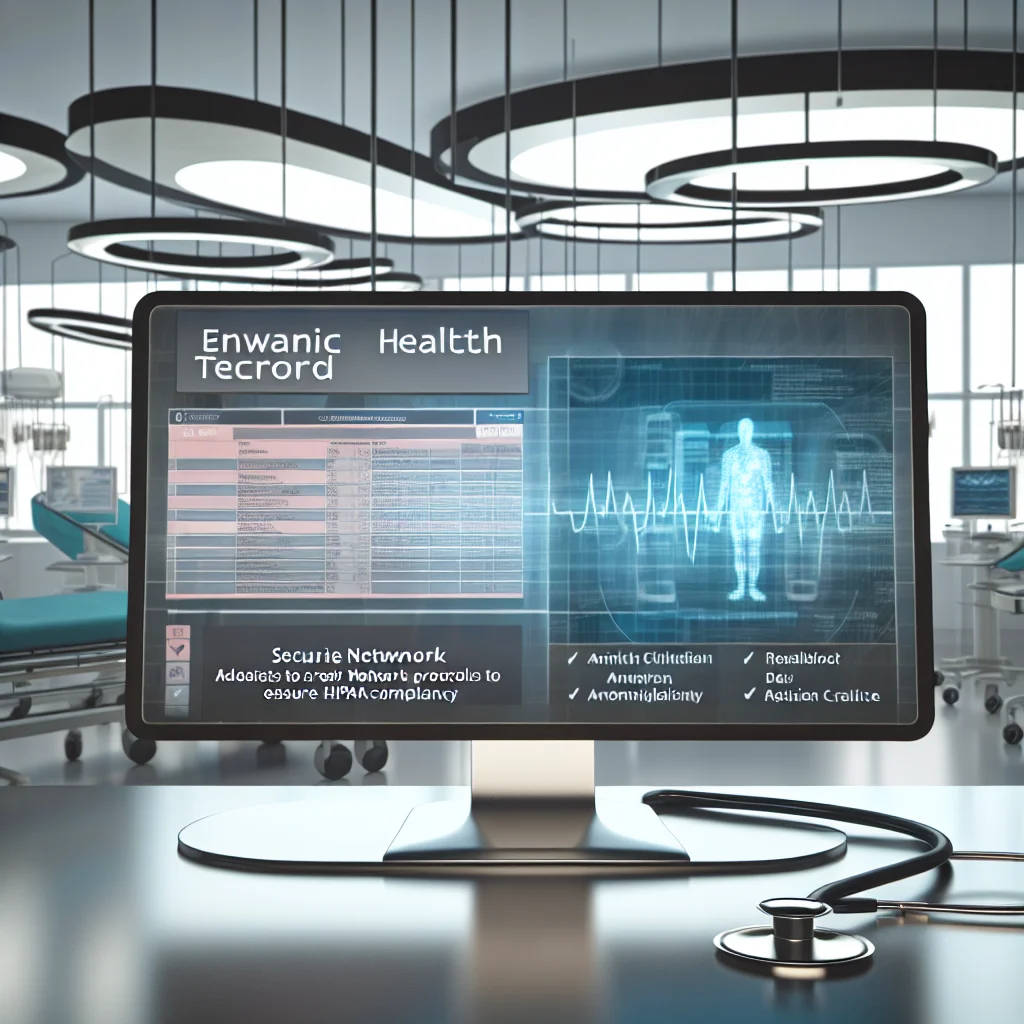
In the rapidly evolving landscape of healthcare, the integration of advanced healthcare systems has become a pivotal factor in enhancing patient care. As healthcare providers strive to deliver more efficient and effective services, clinical support innovations have emerged as a cornerstone in this transformation. These innovations, driven by cutting-edge technology, are reshaping the way healthcare professionals diagnose, treat, and manage patient conditions, ultimately leading to improved outcomes and patient satisfaction.
One of the most significant advancements in this domain is the implementation of Electronic Health Records (EHRs). EHRs have revolutionized the way patient information is stored, accessed, and utilized. By providing a comprehensive and easily accessible digital record of a patient’s medical history, EHRs enable healthcare providers to make informed decisions quickly. This seamless access to patient data not only enhances the accuracy of diagnoses but also facilitates coordinated care among different healthcare professionals. Moreover, EHRs have proven instrumental in reducing medical errors, as they minimize the risk of miscommunication and ensure that all relevant information is available at the point of care.
In addition to EHRs, clinical decision support systems (CDSS) are playing an increasingly vital role in modern healthcare settings. These systems leverage artificial intelligence and machine learning algorithms to analyze vast amounts of medical data, offering evidence-based recommendations to clinicians. By providing real-time insights and alerts, CDSS assist healthcare professionals in making more accurate and timely decisions. For instance, they can identify potential drug interactions, suggest alternative treatment options, or flag abnormal lab results that may require further investigation. Consequently, CDSS not only enhance the quality of care but also contribute to patient safety by reducing the likelihood of adverse events.
Telemedicine is another innovation that has gained significant traction in recent years, particularly in the wake of the COVID-19 pandemic. By enabling remote consultations and monitoring, telemedicine has expanded access to healthcare services, especially for patients in rural or underserved areas. This technology allows healthcare providers to deliver care beyond the confines of traditional clinical settings, ensuring that patients receive timely medical attention without the need for travel. Furthermore, telemedicine has proven to be a valuable tool in managing chronic conditions, as it facilitates continuous monitoring and follow-up, thereby improving patient adherence to treatment plans.
Moreover, the integration of wearable technology into healthcare systems is transforming the way patient data is collected and utilized. Devices such as smartwatches and fitness trackers can monitor vital signs, physical activity, and other health metrics in real-time. This continuous stream of data provides healthcare providers with a more comprehensive understanding of a patient’s health status, enabling proactive interventions when necessary. Additionally, wearable technology empowers patients to take a more active role in managing their health, fostering a sense of ownership and engagement in their care.
As these clinical support innovations continue to evolve, the potential for further advancements in patient care is immense. However, it is essential to address the challenges associated with the implementation of these technologies, such as data privacy concerns and the need for robust cybersecurity measures. Ensuring that healthcare systems are secure and that patient information is protected is paramount to maintaining trust and confidence in these innovations.
In conclusion, the integration of advanced healthcare systems through clinical support innovations is significantly enhancing patient care. By improving access to information, facilitating informed decision-making, and expanding the reach of healthcare services, these technologies are paving the way for a more efficient and effective healthcare system. As the industry continues to embrace these advancements, the ultimate beneficiaries will be the patients, who will experience improved outcomes and a higher quality of care.
Ensuring HIPAA Compliance: Protecting Patient Privacy in Modern Health IT
In the rapidly evolving landscape of healthcare information technology, ensuring the privacy and security of patient data has become a paramount concern. The Health Insurance Portability and Accountability Act (HIPAA) serves as a cornerstone in safeguarding sensitive patient information, mandating stringent compliance measures for healthcare providers and associated entities. As healthcare systems increasingly integrate advanced IT solutions, the challenge of maintaining HIPAA compliance while leveraging technological advancements becomes more pronounced.
To begin with, the essence of HIPAA compliance lies in its ability to protect patient privacy by setting standards for the secure handling of protected health information (PHI). This involves implementing administrative, physical, and technical safeguards that collectively ensure the confidentiality, integrity, and availability of PHI. As healthcare systems adopt electronic health records (EHRs) and other digital tools, the potential for data breaches and unauthorized access increases, necessitating robust security measures.
One critical aspect of ensuring HIPAA compliance in modern health IT is the implementation of comprehensive risk assessments. These assessments help identify potential vulnerabilities within a healthcare system’s IT infrastructure, allowing organizations to address weaknesses proactively. By regularly conducting risk assessments, healthcare providers can adapt to emerging threats and ensure that their security measures remain effective in protecting patient data.
Moreover, the role of encryption cannot be overstated in the context of HIPAA compliance. Encrypting PHI both at rest and in transit is a fundamental practice that significantly reduces the risk of data breaches. By converting sensitive information into a secure format, encryption ensures that even if data is intercepted, it remains inaccessible to unauthorized individuals. Consequently, healthcare systems must prioritize the deployment of robust encryption protocols to safeguard patient information.
In addition to technical safeguards, fostering a culture of compliance within healthcare organizations is essential. This involves training staff on HIPAA regulations and the importance of protecting patient privacy. Regular training sessions and updates on the latest compliance requirements can empower employees to recognize potential security threats and respond appropriately. By cultivating an environment where privacy is prioritized, healthcare systems can enhance their overall compliance posture.
Furthermore, the integration of advanced technologies such as artificial intelligence (AI) and machine learning (ML) presents both opportunities and challenges for HIPAA compliance. On one hand, these technologies can enhance data analysis and patient care; on the other hand, they introduce new complexities in ensuring data security. Healthcare systems must carefully evaluate the use of AI and ML, ensuring that these technologies are implemented in a manner that aligns with HIPAA requirements. This may involve working closely with technology vendors to ensure that their solutions are designed with compliance in mind.
As healthcare systems continue to evolve, collaboration between IT professionals, compliance officers, and healthcare providers becomes increasingly important. By working together, these stakeholders can develop and implement strategies that effectively balance the need for technological innovation with the imperative of protecting patient privacy. This collaborative approach is crucial in navigating the complexities of modern health IT while maintaining adherence to HIPAA standards.
In conclusion, ensuring HIPAA compliance in the context of modern healthcare IT is a multifaceted endeavor that requires a combination of technical safeguards, organizational commitment, and strategic collaboration. As healthcare systems embrace digital transformation, they must remain vigilant in protecting patient privacy, recognizing that compliance is not a one-time achievement but an ongoing responsibility. By prioritizing HIPAA compliance, healthcare organizations can build trust with patients and contribute to a more secure and efficient healthcare ecosystem.
The Role of Healthcare Systems in Streamlining EHR and Tech Integration
In the rapidly evolving landscape of healthcare, the integration of Electronic Health Records (EHR) and other technological advancements has become a pivotal component in enhancing patient care and operational efficiency. Healthcare systems play a crucial role in streamlining these integrations, ensuring that technology serves as a facilitator rather than a hindrance to healthcare delivery. As the demand for seamless data exchange and interoperability grows, healthcare systems are tasked with the challenge of adopting and implementing technologies that not only meet regulatory requirements but also improve clinical outcomes.
To begin with, the integration of EHR systems into healthcare practices is a complex process that requires careful planning and execution. Healthcare systems must ensure that these digital records are not only comprehensive but also easily accessible to authorized personnel. This accessibility is vital for providing timely and accurate patient care. Moreover, the transition from paper-based records to digital systems necessitates a cultural shift within healthcare organizations, where staff must be trained to adapt to new workflows and technologies. This training is essential to minimize disruptions and maximize the benefits of EHR systems.
Furthermore, healthcare systems must address the challenge of interoperability, which is the ability of different information systems and software applications to communicate, exchange, and interpret shared data. Interoperability is critical for creating a cohesive healthcare ecosystem where patient information can be seamlessly transferred across different platforms and providers. To achieve this, healthcare systems often collaborate with technology vendors and policymakers to develop standards and protocols that facilitate data exchange. This collaboration is crucial for overcoming the technical and regulatory barriers that often impede interoperability.
In addition to interoperability, data security and patient privacy are paramount concerns in the integration of EHR and other technologies. Healthcare systems must implement robust security measures to protect sensitive patient information from cyber threats and unauthorized access. This involves not only investing in advanced cybersecurity technologies but also fostering a culture of security awareness among healthcare professionals. By prioritizing data security, healthcare systems can build trust with patients and ensure compliance with regulations such as the Health Insurance Portability and Accountability Act (HIPAA).
Moreover, the integration of technology in healthcare extends beyond EHR systems to include telemedicine, wearable devices, and artificial intelligence (AI). These technologies offer new opportunities for enhancing patient care and operational efficiency. For instance, telemedicine enables remote consultations, reducing the need for in-person visits and expanding access to care for patients in rural or underserved areas. Wearable devices provide real-time health monitoring, allowing for proactive management of chronic conditions. Meanwhile, AI can assist in diagnosing diseases, predicting patient outcomes, and personalizing treatment plans.
As healthcare systems continue to embrace these technological advancements, they must also consider the ethical implications of technology use in healthcare. This includes addressing issues such as data ownership, consent, and the potential for algorithmic bias. By engaging in ethical deliberations and involving diverse stakeholders in decision-making processes, healthcare systems can ensure that technology integration aligns with the values and needs of patients and providers.
In conclusion, the role of healthcare systems in streamlining EHR and technology integration is multifaceted and dynamic. By focusing on interoperability, data security, and ethical considerations, healthcare systems can harness the power of technology to improve patient care and operational efficiency. As the healthcare landscape continues to evolve, these systems will remain at the forefront of driving innovation and ensuring that technology serves as a catalyst for positive change in healthcare delivery.
Unlock the Future of Healthcare IT: Discover Key Insights into 51 Healthcare Systems. [Explore Now](https://comptss.com)