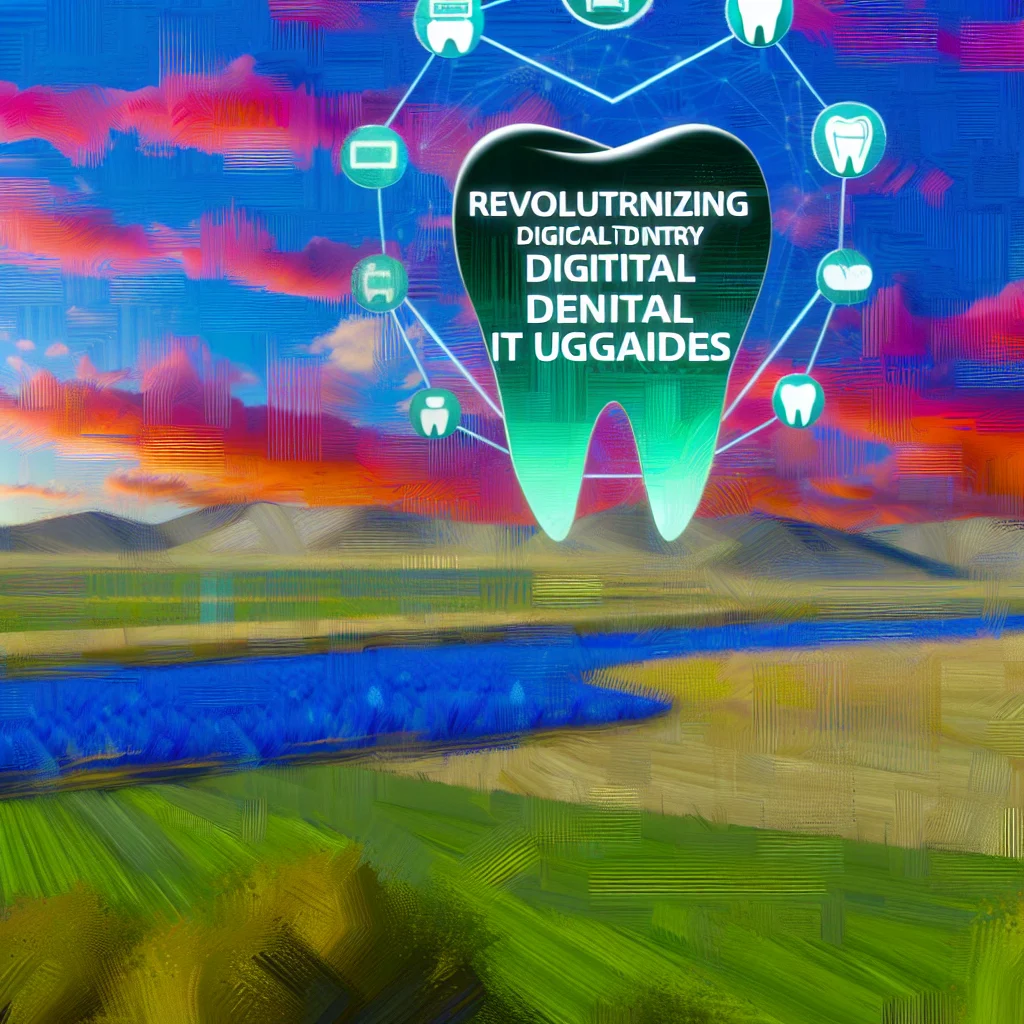
Revolutionizing Patient Care: The Role Of Digital Dentistry In Modern Dental Practices
In recent years, the field of dentistry has witnessed a remarkable transformation, largely driven by the integration of digital technology. This evolution, often referred to as digital dentistry, is revolutionizing patient care by enhancing the precision, efficiency, and overall experience of dental treatments. As dental practices increasingly adopt these advanced technologies, the role of digital dentistry in modern dental practices becomes ever more significant.
To begin with, digital dentistry encompasses a wide range of technologies, including digital imaging, computer-aided design and manufacturing (CAD/CAM), and 3D printing. These innovations have fundamentally changed how dental professionals diagnose, plan, and execute treatments. For instance, digital imaging technologies such as cone beam computed tomography (CBCT) provide highly detailed three-dimensional images of a patient’s oral structures. This allows for more accurate diagnoses and treatment planning, reducing the likelihood of errors and improving patient outcomes.
Moreover, CAD/CAM technology has streamlined the process of creating dental restorations. Traditionally, crafting crowns, bridges, and other prosthetics required multiple appointments and manual labor. However, with CAD/CAM systems, dental professionals can design and fabricate these restorations in a single visit. This not only saves time for both the dentist and the patient but also ensures a higher level of precision and customization, as digital impressions are more accurate than traditional molds.
In addition to improving the efficiency of dental procedures, digital dentistry also enhances patient communication and education. With the aid of digital tools, dentists can visually demonstrate treatment plans and expected outcomes to patients, fostering a better understanding of the procedures involved. This transparency helps build trust and encourages patients to take an active role in their oral health care decisions.
Furthermore, the advent of 3D printing in dentistry has opened new avenues for innovation. Dental professionals can now produce custom orthodontic appliances, surgical guides, and even dentures with unprecedented speed and accuracy. This technology not only reduces production costs but also allows for rapid prototyping and adjustments, ensuring that patients receive the most effective and comfortable solutions.
Another significant aspect of digital dentistry is its impact on preventive care. Digital tools enable dentists to monitor patients’ oral health more closely and detect potential issues at an earlier stage. For example, digital caries detection devices can identify cavities before they become visible to the naked eye, allowing for minimally invasive interventions. This proactive approach not only preserves more of the natural tooth structure but also reduces the need for more extensive and costly treatments in the future.
As digital dentistry continues to evolve, it is essential for dental professionals to stay abreast of the latest advancements and integrate them into their practices. This requires ongoing education and training to ensure that practitioners are equipped with the necessary skills to leverage these technologies effectively. By doing so, dental practices can offer a higher standard of care, ultimately leading to improved patient satisfaction and outcomes.
In conclusion, the role of digital dentistry in modern dental practices is undeniably transformative. By embracing these technological advancements, dental professionals can enhance the precision, efficiency, and overall quality of patient care. As the field continues to advance, the integration of digital technology will undoubtedly play an increasingly vital role in shaping the future of dentistry, ensuring that patients receive the best possible care in a rapidly evolving healthcare landscape.
Cloud Integration In Dental Technology: Enhancing Efficiency And Security
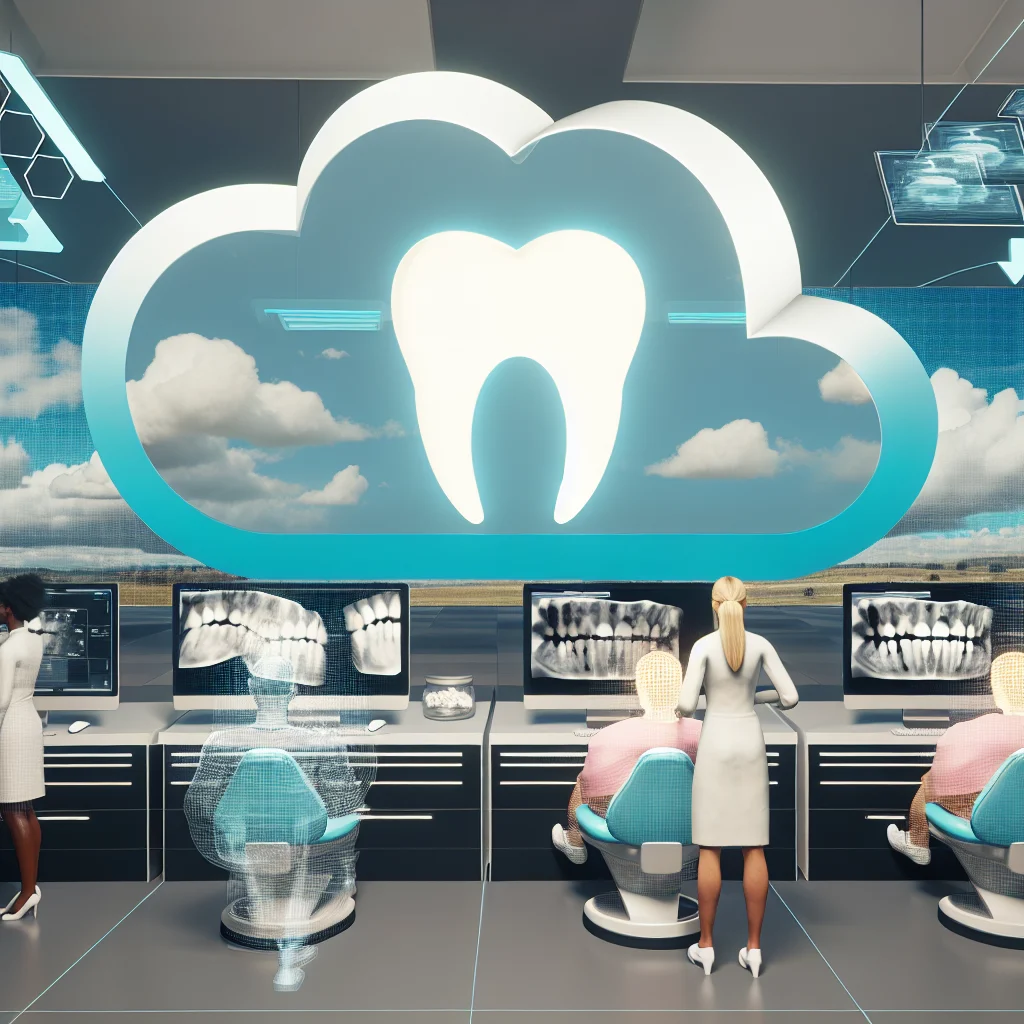
In recent years, the integration of cloud technology into dental practices has revolutionized the way dental professionals manage their operations, enhancing both efficiency and security. As dental practices increasingly adopt digital solutions, the cloud offers a robust platform for storing, accessing, and managing patient data and practice information. This shift towards cloud integration is driven by the need for more efficient data management systems that can handle the growing volume of patient information while ensuring compliance with stringent data protection regulations.
One of the primary advantages of cloud integration in dental technology is the significant improvement in operational efficiency. By moving data storage and management to the cloud, dental practices can streamline their workflows, reducing the time and resources spent on manual data entry and management. Cloud-based systems allow for real-time data access and updates, enabling dental professionals to retrieve patient information quickly and accurately. This immediacy not only enhances the quality of patient care but also allows for more effective communication and collaboration among dental team members.
Moreover, cloud technology facilitates seamless integration with other digital tools and software commonly used in dental practices. For instance, cloud-based practice management systems can easily interface with electronic health records (EHRs), digital imaging software, and billing systems. This interoperability ensures that all aspects of a dental practice are interconnected, providing a comprehensive view of patient care and practice operations. As a result, dental professionals can make more informed decisions, ultimately improving patient outcomes and practice efficiency.
In addition to enhancing efficiency, cloud integration significantly bolsters the security of patient data. With the increasing prevalence of cyber threats, safeguarding sensitive information is a top priority for dental practices. Cloud service providers employ advanced security measures, such as encryption, multi-factor authentication, and regular security audits, to protect data from unauthorized access and breaches. These measures ensure that patient information is stored securely, reducing the risk of data loss or theft.
Furthermore, cloud technology offers robust data backup and recovery solutions, which are crucial for maintaining business continuity in the event of a system failure or disaster. By automatically backing up data to secure offsite servers, dental practices can quickly recover critical information, minimizing downtime and disruption to patient care. This reliability is particularly important in the healthcare sector, where access to accurate and up-to-date information is essential for delivering quality care.
Another notable benefit of cloud integration is its scalability. As dental practices grow and evolve, their data management needs also change. Cloud-based solutions offer the flexibility to scale resources up or down as needed, ensuring that practices can adapt to changing demands without significant investment in new hardware or infrastructure. This scalability not only supports practice growth but also allows for more efficient resource allocation, ultimately reducing operational costs.
In conclusion, the integration of cloud technology into dental practices represents a significant advancement in dental technology, offering numerous benefits in terms of efficiency and security. By streamlining data management processes, enhancing interoperability, and providing robust security measures, cloud solutions enable dental professionals to focus on what matters most: delivering high-quality patient care. As the dental industry continues to embrace digital transformation, cloud integration will undoubtedly play a pivotal role in shaping the future of dental practice management.
Ensuring Practice Security: Best IT Practices For Dental Offices
In the rapidly evolving landscape of dental technology, ensuring the security of dental practices has become a paramount concern. As dental offices increasingly rely on digital systems to manage patient records, appointment scheduling, and billing, the need for robust IT security measures has never been more critical. The integration of technology in dental practices offers numerous benefits, including improved efficiency and enhanced patient care. However, it also introduces potential vulnerabilities that must be addressed to protect sensitive patient information and maintain the trust of patients.
To begin with, one of the fundamental best practices for ensuring IT security in dental offices is the implementation of strong access controls. This involves setting up secure authentication methods, such as multi-factor authentication, to ensure that only authorized personnel can access sensitive data. By requiring multiple forms of verification, dental practices can significantly reduce the risk of unauthorized access to patient records. Additionally, it is essential to regularly update passwords and ensure that they are complex enough to resist common hacking techniques.
Moreover, data encryption plays a crucial role in safeguarding patient information. By encrypting data both at rest and in transit, dental practices can protect sensitive information from being intercepted or accessed by unauthorized individuals. This is particularly important when transmitting data over the internet, as encrypted data is rendered unreadable to anyone who does not possess the decryption key. Implementing encryption protocols not only enhances security but also ensures compliance with regulations such as the Health Insurance Portability and Accountability Act (HIPAA), which mandates the protection of patient information.
In addition to access controls and encryption, regular software updates and patch management are vital components of a comprehensive IT security strategy. Cybercriminals often exploit vulnerabilities in outdated software to gain unauthorized access to systems. Therefore, dental practices must ensure that all software, including operating systems and applications, is kept up to date with the latest security patches. By doing so, they can close potential security gaps and protect their systems from known threats.
Furthermore, employee training and awareness are critical in maintaining a secure dental practice. Human error is often a significant factor in security breaches, making it essential to educate staff about the importance of IT security and best practices. Regular training sessions can help employees recognize phishing attempts, understand the importance of safeguarding passwords, and follow protocols for handling sensitive information. By fostering a culture of security awareness, dental practices can empower their staff to act as the first line of defense against potential threats.
Another important aspect of IT security is the implementation of a robust backup and disaster recovery plan. In the event of a cyberattack or data breach, having a reliable backup system ensures that patient data can be restored quickly and efficiently. Regularly scheduled backups, stored in secure offsite locations, provide an additional layer of protection against data loss. Moreover, conducting periodic tests of the disaster recovery plan can help identify any weaknesses and ensure that the practice is prepared to respond effectively to an incident.
In conclusion, as dental practices continue to embrace digital technologies, ensuring IT security must remain a top priority. By implementing strong access controls, encrypting data, keeping software up to date, training employees, and establishing a comprehensive backup plan, dental offices can protect sensitive patient information and maintain the trust of their patients. As technology continues to advance, staying informed about the latest security practices and adapting to new threats will be essential in safeguarding the future of dental care.
Navigating Dental Compliance: How Technology Can Help
In the rapidly evolving landscape of dental care, compliance with regulatory standards is paramount. Dental practices must adhere to a myriad of regulations, including those related to patient privacy, data security, and clinical protocols. Navigating these compliance requirements can be daunting, yet technology offers a robust solution to streamline and enhance adherence to these standards. By integrating advanced technological tools, dental practices can not only ensure compliance but also improve overall operational efficiency.
One of the primary areas where technology aids compliance is in the management of patient data. The Health Insurance Portability and Accountability Act (HIPAA) mandates stringent safeguards for patient information. Dental practices are required to protect sensitive data from unauthorized access and breaches. Here, electronic health records (EHR) systems play a crucial role. These systems are designed to securely store and manage patient information, ensuring that only authorized personnel have access. Moreover, EHRs facilitate the seamless sharing of information among healthcare providers, which is essential for coordinated care, while maintaining compliance with privacy regulations.
In addition to data management, technology assists in maintaining compliance with clinical protocols. Dental practices must adhere to guidelines set forth by organizations such as the American Dental Association (ADA) and the Centers for Disease Control and Prevention (CDC). These guidelines cover a wide range of practices, from infection control to the use of specific dental materials. Digital tools, such as practice management software, can be programmed to include checklists and reminders that ensure all clinical procedures align with the latest standards. This not only helps in maintaining compliance but also enhances the quality of care provided to patients.
Furthermore, technology plays a pivotal role in staff training and education, which are critical components of compliance. Online training platforms offer dental professionals access to a wealth of resources and courses that keep them updated on the latest regulatory changes and best practices. These platforms often include assessments and certifications, providing a verifiable record of compliance training. By leveraging these resources, dental practices can ensure that their staff is well-informed and prepared to meet compliance requirements.
Moreover, the integration of artificial intelligence (AI) and machine learning in dental technology offers predictive insights that can preemptively address compliance issues. For instance, AI-driven analytics can identify patterns and trends in patient data that may indicate potential compliance risks. By proactively addressing these risks, dental practices can avoid violations and the associated penalties. Additionally, AI can assist in automating routine compliance tasks, such as auditing and reporting, thereby reducing the administrative burden on staff and allowing them to focus on patient care.
Finally, the adoption of cloud-based solutions provides dental practices with scalable and flexible options for managing compliance. These solutions offer secure data storage and backup, ensuring that patient information is protected against data loss or cyber threats. Cloud-based systems also facilitate remote access to data, enabling dental professionals to work efficiently from any location while maintaining compliance with data protection regulations.
In conclusion, technology serves as a vital ally in navigating the complex landscape of dental compliance. By leveraging advanced tools and systems, dental practices can ensure adherence to regulatory standards, enhance operational efficiency, and ultimately provide better care to their patients. As the field of dental technology continues to advance, it will undoubtedly offer even more innovative solutions to support compliance and improve the overall quality of dental care.
Maximizing Efficiency With Dental Software And IT Upgrades
In the rapidly evolving landscape of dental care, the integration of advanced technology has become indispensable for maximizing efficiency and enhancing patient experiences. Dental practices are increasingly turning to sophisticated software solutions and IT upgrades to streamline operations, improve patient care, and maintain a competitive edge. As the dental industry continues to embrace digital transformation, understanding the benefits and implementation strategies of these technologies is crucial for any practice aiming to thrive in the modern healthcare environment.
One of the primary advantages of adopting dental software is the significant improvement in administrative efficiency. Traditional paper-based systems are not only time-consuming but also prone to errors and mismanagement. By transitioning to digital record-keeping, dental practices can ensure that patient information is accurately recorded, easily accessible, and securely stored. This shift not only reduces the administrative burden on staff but also minimizes the risk of data breaches and compliance issues, particularly with regulations such as the Health Insurance Portability and Accountability Act (HIPAA).
Moreover, dental software solutions often come equipped with features that enhance patient management. Appointment scheduling systems, for instance, allow for seamless coordination of patient visits, reducing wait times and optimizing the use of dental chairs. Automated reminders and confirmations can be sent to patients, decreasing the likelihood of missed appointments and improving overall practice efficiency. Additionally, patient portals provide individuals with easy access to their dental records, treatment plans, and billing information, fostering a sense of transparency and engagement in their own care.
In addition to administrative improvements, IT upgrades in dental practices can significantly enhance diagnostic and treatment capabilities. Digital imaging technologies, such as intraoral cameras and 3D scanners, offer high-resolution images that aid in accurate diagnosis and treatment planning. These tools not only improve the precision of dental procedures but also facilitate better communication with patients, as they can visually understand their dental conditions and the proposed interventions. Furthermore, the integration of artificial intelligence in diagnostic software is beginning to revolutionize the field by providing predictive analytics and decision support, ultimately leading to more personalized and effective treatment plans.
The implementation of cloud-based solutions is another critical aspect of modern dental IT infrastructure. Cloud computing offers scalable storage solutions and enables seamless data sharing across multiple locations, which is particularly beneficial for practices with multiple branches. This technology ensures that dental professionals have real-time access to patient data, regardless of their physical location, thereby enhancing collaboration and continuity of care. Additionally, cloud-based systems often come with robust backup and disaster recovery options, safeguarding critical data against unforeseen events.
While the benefits of dental software and IT upgrades are clear, successful implementation requires careful planning and consideration. Practices must assess their specific needs and choose solutions that align with their operational goals and budget constraints. Training staff to effectively use new technologies is also essential to maximize their potential and ensure a smooth transition. Furthermore, ongoing evaluation and updates are necessary to keep pace with technological advancements and maintain optimal performance.
In conclusion, the integration of dental software and IT upgrades is a pivotal step towards maximizing efficiency and improving patient care in modern dental practices. By embracing these technologies, dental professionals can streamline operations, enhance diagnostic capabilities, and provide a superior patient experience. As the dental industry continues to evolve, staying informed about the latest technological trends and innovations will be key to maintaining a competitive edge and delivering high-quality care.
Unlock the future of your dental practice with cutting-edge Dental IT Insights! Discover the latest advancements in dental technology and elevate your patient care. Explore now.