Enhancing Practice Security Through Advanced Dental Technology
In the rapidly evolving landscape of dental technology, ensuring the security of dental practices has become a paramount concern. As dental practices increasingly rely on digital solutions to enhance patient care and streamline operations, the need for robust security measures has never been more critical. The integration of advanced dental technology not only improves the efficiency and effectiveness of dental services but also plays a crucial role in safeguarding sensitive patient information.
One of the primary ways advanced dental technology enhances practice security is through the implementation of sophisticated data encryption methods. Encryption serves as a vital tool in protecting patient records and other sensitive information from unauthorized access. By converting data into a secure format that can only be deciphered with a specific key, dental practices can significantly reduce the risk of data breaches. This is particularly important given the increasing prevalence of cyberattacks targeting healthcare providers. As such, adopting encryption technologies is a proactive step towards ensuring that patient data remains confidential and secure.
In addition to encryption, the use of secure cloud-based storage solutions has become an integral component of modern dental practices. Cloud technology offers a reliable and scalable platform for storing patient records, images, and other critical data. By leveraging cloud services, dental practices can benefit from enhanced data protection features, such as automatic backups and disaster recovery options. These features ensure that data is not only secure but also readily accessible in the event of a system failure or other unforeseen circumstances. Moreover, cloud providers often employ stringent security protocols and regular audits to maintain the integrity of their systems, further bolstering the security of dental practices.
Another significant advancement in dental technology that contributes to practice security is the implementation of comprehensive access control systems. These systems allow dental practices to regulate who can access specific areas of their digital infrastructure. By assigning different levels of access to staff members based on their roles and responsibilities, practices can minimize the risk of unauthorized data access. Furthermore, access control systems often include features such as multi-factor authentication, which adds an additional layer of security by requiring users to verify their identity through multiple means before gaining access to sensitive information.
Moreover, the integration of advanced dental technology facilitates the monitoring and detection of potential security threats. Modern dental software solutions often come equipped with real-time monitoring capabilities that can identify unusual activity or potential vulnerabilities within the system. By promptly alerting practice administrators to these issues, dental practices can take immediate action to mitigate risks and prevent potential breaches. This proactive approach to security management is essential in maintaining the trust and confidence of patients, who expect their personal information to be handled with the utmost care.
In conclusion, the adoption of advanced dental technology is instrumental in enhancing the security of dental practices. Through the use of data encryption, secure cloud storage, comprehensive access control systems, and real-time monitoring, dental practices can effectively protect sensitive patient information from potential threats. As the digital landscape continues to evolve, it is imperative for dental practices to stay abreast of the latest technological advancements and implement robust security measures. By doing so, they not only safeguard their operations but also uphold the trust and confidence of their patients, ensuring a secure and efficient practice environment.
The Role Of IT Upgrades In Modernizing Dental Practices
In the rapidly evolving landscape of dental care, the integration of advanced information technology (IT) systems has become indispensable for modernizing dental practices. As dental professionals strive to enhance patient care and streamline operations, IT upgrades play a pivotal role in achieving these objectives. The adoption of cutting-edge technology not only improves the efficiency of dental practices but also elevates the overall patient experience, ensuring that practices remain competitive in an increasingly digital world.
To begin with, one of the most significant benefits of IT upgrades in dental practices is the enhancement of patient record management. Traditional paper-based systems are prone to errors, inefficiencies, and security vulnerabilities. By transitioning to electronic health records (EHRs), dental practices can ensure that patient information is stored securely and accessed easily. EHRs facilitate seamless communication between dental professionals and other healthcare providers, enabling a more coordinated approach to patient care. Moreover, the digitization of records reduces the risk of data loss and enhances compliance with regulatory standards, such as the Health Insurance Portability and Accountability Act (HIPAA).
In addition to improving record management, IT upgrades contribute to the optimization of appointment scheduling and patient communication. Advanced scheduling software allows dental practices to manage appointments more effectively, reducing wait times and minimizing scheduling conflicts. Automated reminders and confirmations can be sent to patients via email or text message, decreasing the likelihood of missed appointments and enhancing patient satisfaction. Furthermore, patient portals provide a convenient platform for patients to access their records, view treatment plans, and communicate with their dental care providers, fostering a more engaged and informed patient base.
Another critical aspect of IT upgrades in dental practices is the integration of digital imaging technologies. Traditional X-ray systems are being replaced by digital radiography, which offers numerous advantages, including reduced radiation exposure, faster image processing, and enhanced diagnostic capabilities. Digital images can be easily stored, retrieved, and shared with other healthcare professionals, facilitating more accurate diagnoses and treatment planning. Additionally, the use of intraoral cameras and 3D imaging technologies allows for more precise assessments of dental conditions, ultimately leading to improved patient outcomes.
Moreover, IT upgrades enable dental practices to implement advanced practice management software, which streamlines administrative tasks and enhances operational efficiency. These systems offer comprehensive solutions for billing, inventory management, and financial reporting, allowing dental professionals to focus more on patient care rather than administrative burdens. By automating routine tasks, practice management software reduces the likelihood of human error and ensures that dental practices operate smoothly and efficiently.
Furthermore, the integration of IT systems in dental practices supports the adoption of teledentistry, a growing trend that expands access to dental care. Through secure video conferencing platforms, dental professionals can provide consultations, follow-up appointments, and even certain diagnostic services remotely. This not only increases convenience for patients but also extends the reach of dental services to underserved or remote areas, addressing disparities in access to care.
In conclusion, IT upgrades are essential for modernizing dental practices and ensuring they remain at the forefront of patient care. By enhancing record management, optimizing scheduling, integrating digital imaging, streamlining administrative tasks, and supporting teledentistry, these technological advancements contribute to a more efficient, effective, and patient-centered approach to dental care. As the dental industry continues to evolve, embracing IT upgrades will be crucial for practices seeking to thrive in an increasingly digital and interconnected world.
Navigating Dental Compliance With Cutting-Edge Digital Dentistry Solutions
In the rapidly evolving landscape of dental technology, navigating compliance has become a critical concern for dental practices. As digital dentistry solutions continue to advance, they offer unprecedented opportunities for improving patient care and operational efficiency. However, these innovations also bring about new regulatory challenges that dental professionals must address to ensure compliance with industry standards and legal requirements. Understanding the intersection of cutting-edge technology and compliance is essential for modern dental practices aiming to leverage digital tools while adhering to regulatory frameworks.
One of the primary areas where digital dentistry intersects with compliance is in the management of patient data. With the increasing adoption of electronic health records (EHRs) and digital imaging systems, dental practices must ensure that they are compliant with regulations such as the Health Insurance Portability and Accountability Act (HIPAA) in the United States. HIPAA mandates the protection of patient information, requiring dental practices to implement robust data security measures. This includes encryption, access controls, and regular audits to safeguard sensitive information from unauthorized access or breaches. By integrating advanced IT solutions, dental practices can enhance their data protection strategies, ensuring compliance while maintaining the trust of their patients.
Moreover, the implementation of digital dentistry solutions necessitates a thorough understanding of software and hardware compliance. Dental practices must ensure that the technology they adopt meets industry standards and is compatible with existing systems. This involves regular updates and maintenance to prevent software vulnerabilities that could compromise patient data or disrupt clinical operations. Additionally, dental professionals must be vigilant in selecting vendors and partners who adhere to compliance standards, as third-party software and equipment can introduce additional risks if not properly vetted.
In addition to data management and software compliance, digital dentistry solutions also impact clinical compliance. The use of advanced imaging technologies, such as cone beam computed tomography (CBCT) and digital radiography, requires adherence to specific guidelines to ensure patient safety and diagnostic accuracy. Dental professionals must be trained in the proper use of these technologies, understanding both their capabilities and limitations. This includes staying informed about the latest research and best practices, as well as participating in continuing education to maintain proficiency in using these tools effectively.
Furthermore, the integration of artificial intelligence (AI) in digital dentistry presents both opportunities and challenges in terms of compliance. AI-driven diagnostic tools can enhance clinical decision-making, but they also require careful oversight to ensure that their use aligns with ethical and legal standards. Dental practices must establish protocols for the use of AI, ensuring that these technologies are used as adjuncts to, rather than replacements for, professional judgment. This involves ongoing evaluation of AI systems to verify their accuracy and reliability, as well as transparency in communicating their role in patient care.
In conclusion, navigating dental compliance in the era of digital dentistry requires a multifaceted approach that encompasses data security, software and hardware standards, clinical guidelines, and ethical considerations. By embracing cutting-edge digital solutions while remaining vigilant about compliance, dental practices can enhance their service delivery and patient outcomes. As technology continues to advance, staying informed and proactive in addressing compliance challenges will be crucial for dental professionals seeking to harness the full potential of digital dentistry. Through a commitment to compliance, dental practices can not only meet regulatory requirements but also foster a culture of trust and excellence in patient care.
Leveraging Dental Software For Improved Patient Care And Efficiency
In the rapidly evolving landscape of dental care, the integration of advanced technology has become indispensable for enhancing patient care and operational efficiency. Dental software, in particular, plays a pivotal role in transforming how dental practices operate, offering a myriad of benefits that extend from streamlining administrative tasks to improving clinical outcomes. As dental professionals seek to provide superior care while managing the complexities of modern practice, leveraging dental software emerges as a critical strategy.
To begin with, dental software significantly enhances the efficiency of administrative processes. By automating routine tasks such as appointment scheduling, billing, and patient record management, dental practices can reduce the time and effort required for these activities. This automation not only minimizes the risk of human error but also frees up valuable time for dental staff to focus on patient care. Moreover, with features like electronic health records (EHRs), dental software ensures that patient information is easily accessible and up-to-date, facilitating seamless communication among dental professionals and improving the overall coordination of care.
In addition to administrative efficiency, dental software contributes to improved patient care through enhanced diagnostic capabilities. Advanced imaging software, for instance, allows for precise and detailed visualization of dental structures, aiding in accurate diagnosis and treatment planning. This technology enables dentists to detect issues that may not be visible through traditional methods, thereby allowing for early intervention and better patient outcomes. Furthermore, dental software often includes tools for treatment simulation and patient education, empowering patients to make informed decisions about their care and fostering a collaborative approach to treatment planning.
Transitioning from diagnostics to treatment, dental software also plays a crucial role in optimizing clinical workflows. By integrating with digital imaging systems and other diagnostic tools, dental software facilitates the seamless transfer of data, ensuring that all relevant information is readily available during treatment. This integration reduces the likelihood of errors and enhances the precision of procedures, ultimately leading to more effective and efficient patient care. Additionally, dental software often includes features for tracking treatment progress and outcomes, enabling practitioners to monitor the effectiveness of interventions and make data-driven adjustments as needed.
Beyond the clinical and administrative realms, dental software also enhances patient engagement and satisfaction. With features such as online appointment booking, automated reminders, and patient portals, dental practices can offer a more convenient and personalized experience for their patients. These tools not only improve patient compliance with treatment plans but also foster a sense of trust and transparency between patients and providers. As a result, patients are more likely to remain loyal to their dental practice and recommend it to others, contributing to the practice’s long-term success.
In conclusion, the integration of dental software into practice management and patient care represents a significant advancement in the field of dentistry. By streamlining administrative tasks, enhancing diagnostic and treatment capabilities, and improving patient engagement, dental software enables practices to deliver higher-quality care with greater efficiency. As technology continues to evolve, dental professionals must remain proactive in adopting and leveraging these tools to meet the growing demands of modern dental care. Through strategic implementation and continuous adaptation, dental practices can harness the full potential of dental software to achieve optimal outcomes for both patients and providers.
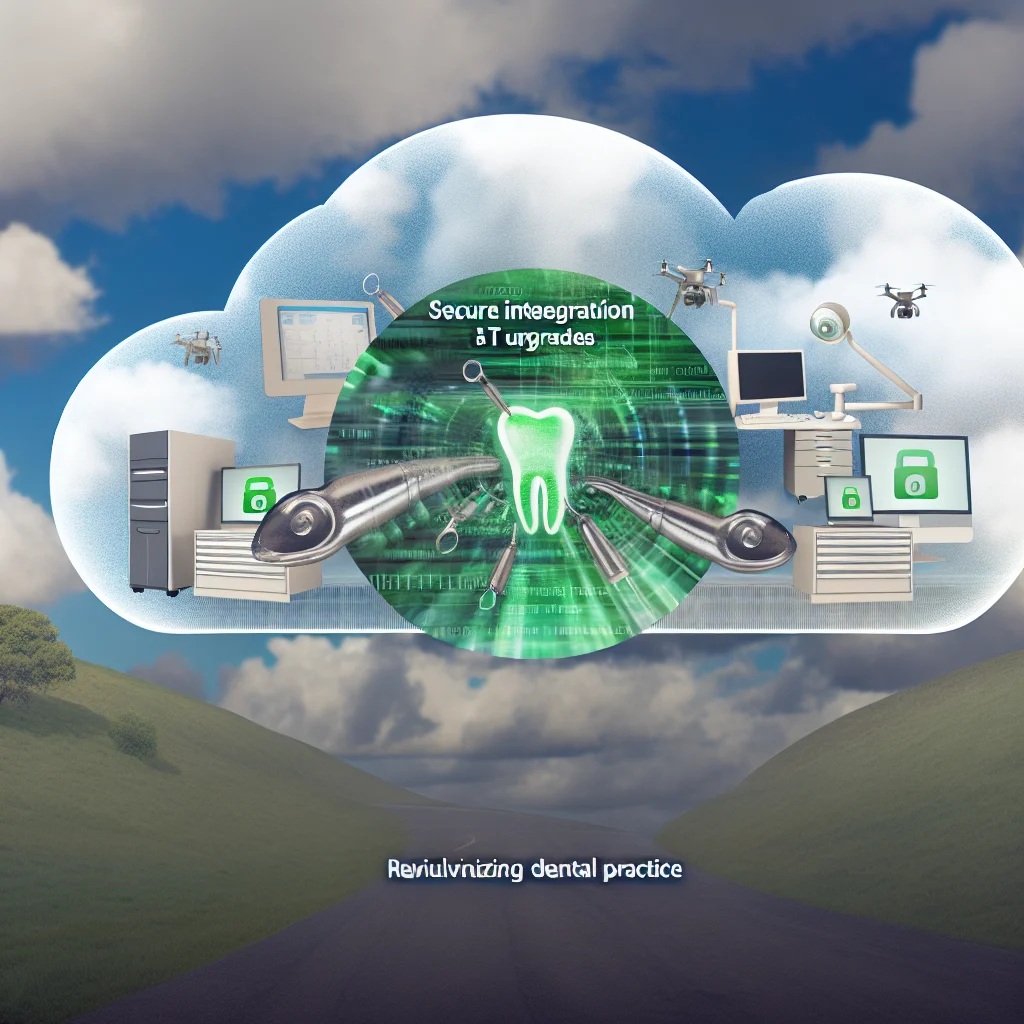
Cloud Integration: Transforming The Future Of Dental IT Systems
In recent years, the integration of cloud technology into dental IT systems has emerged as a transformative force, reshaping the landscape of dental practices worldwide. As dental professionals seek to enhance efficiency, improve patient care, and streamline operations, cloud integration offers a compelling solution. This technological advancement not only addresses the growing demands of modern dental practices but also aligns with the broader trend of digital transformation across the healthcare sector.
One of the primary benefits of cloud integration in dental IT systems is the enhanced accessibility it provides. By migrating data and applications to the cloud, dental professionals can access patient records, treatment plans, and other critical information from any location with an internet connection. This level of accessibility is particularly advantageous for multi-location practices, enabling seamless collaboration among dental teams and ensuring that patient care is consistent and coordinated. Moreover, cloud-based systems facilitate remote consultations and telehealth services, which have become increasingly important in the wake of the COVID-19 pandemic.
In addition to accessibility, cloud integration significantly improves data security and compliance. Dental practices handle sensitive patient information, making data protection a top priority. Cloud service providers invest heavily in robust security measures, including encryption, multi-factor authentication, and regular security audits, to safeguard data against breaches and unauthorized access. Furthermore, these providers ensure compliance with industry regulations such as the Health Insurance Portability and Accountability Act (HIPAA) in the United States, offering dental practices peace of mind regarding legal and ethical obligations.
Another notable advantage of cloud integration is the scalability it offers to dental practices. As a practice grows, its IT needs evolve, requiring additional storage, processing power, and software capabilities. Cloud-based systems allow for easy scaling, enabling practices to adjust their resources according to demand without the need for significant upfront investments in hardware or infrastructure. This flexibility not only supports growth but also allows practices to adapt to changing technological advancements and patient expectations.
Cost-effectiveness is another compelling reason for dental practices to embrace cloud integration. Traditional IT systems often involve substantial capital expenditures for hardware, software licenses, and maintenance. In contrast, cloud-based solutions typically operate on a subscription model, converting capital expenses into predictable operational costs. This shift not only reduces the financial burden on practices but also allows them to allocate resources more strategically, focusing on patient care and service improvements.
Furthermore, cloud integration enhances the ability of dental practices to leverage data analytics and artificial intelligence (AI) tools. By centralizing data in the cloud, practices can harness advanced analytics to gain insights into patient trends, treatment outcomes, and operational efficiencies. AI-driven tools can assist in diagnosing conditions, predicting treatment needs, and personalizing patient care, ultimately leading to improved clinical outcomes and patient satisfaction.
In conclusion, the integration of cloud technology into dental IT systems represents a significant step forward for the dental industry. By offering enhanced accessibility, improved security, scalability, cost-effectiveness, and advanced data analytics capabilities, cloud integration is transforming the way dental practices operate. As the digital landscape continues to evolve, embracing cloud technology will be essential for dental professionals seeking to remain competitive and deliver the highest standard of care to their patients. The future of dental IT systems is undoubtedly intertwined with the cloud, promising a new era of innovation and efficiency in dental care.
Unlock the future of your dental practice with cutting-edge insights into dental technology. Discover how to enhance patient care and streamline operations. Explore Dental IT Insights Now!