Enhancing Medical Data Security: Navigating HIPAA Compliance in Healthcare Systems
In the rapidly evolving landscape of healthcare information technology, ensuring the security of medical data has become a paramount concern. As healthcare systems increasingly rely on digital solutions to manage patient information, the need to navigate the complexities of HIPAA compliance has never been more critical. The Health Insurance Portability and Accountability Act (HIPAA), enacted in 1996, sets the standard for protecting sensitive patient data in the United States. Compliance with HIPAA is not merely a legal obligation but a fundamental component of maintaining trust between healthcare providers and patients.
To begin with, understanding the core requirements of HIPAA is essential for any healthcare organization. The act mandates the protection of Protected Health Information (PHI), which includes any information about health status, provision of healthcare, or payment for healthcare that can be linked to an individual. This encompasses a wide range of data, from medical records to billing information. Consequently, healthcare systems must implement robust safeguards to ensure the confidentiality, integrity, and availability of PHI.
One of the primary challenges in achieving HIPAA compliance is the dynamic nature of cyber threats. As technology advances, so do the methods employed by cybercriminals to access sensitive data. Therefore, healthcare organizations must adopt a proactive approach to cybersecurity. This involves regular risk assessments to identify potential vulnerabilities and the implementation of appropriate security measures. Encryption, for instance, is a critical tool in protecting data both in transit and at rest. By converting information into a secure format, encryption ensures that even if data is intercepted, it remains inaccessible to unauthorized individuals.
Moreover, access controls play a vital role in safeguarding medical data. Limiting access to PHI to only those individuals who require it for their job functions is a fundamental principle of HIPAA. This can be achieved through the use of role-based access controls, which assign permissions based on an individual’s role within the organization. Additionally, implementing multi-factor authentication adds an extra layer of security, requiring users to provide multiple forms of verification before accessing sensitive information.
Training and education are equally important components of a comprehensive data security strategy. Employees must be well-versed in HIPAA regulations and the organization’s specific policies and procedures. Regular training sessions can help reinforce the importance of data security and ensure that staff members are aware of the latest threats and best practices. Furthermore, fostering a culture of security within the organization encourages employees to remain vigilant and report any suspicious activities promptly.
In addition to internal measures, healthcare organizations must also consider the security practices of their third-party vendors. Business associates, such as billing companies or cloud service providers, often have access to PHI and must comply with HIPAA regulations. Establishing clear agreements and conducting thorough due diligence on these partners is crucial to maintaining compliance and protecting patient data.
In conclusion, navigating HIPAA compliance in healthcare systems is a multifaceted endeavor that requires a comprehensive approach to data security. By understanding the requirements of the act, implementing robust security measures, and fostering a culture of awareness and vigilance, healthcare organizations can effectively protect sensitive medical data. As the digital landscape continues to evolve, staying informed and adaptable will be key to ensuring the ongoing security and privacy of patient information.
The Future of Clinical Support: Leveraging Health IT Trends for Improved Patient Care
The future of clinical support is poised for a transformative shift, driven by the rapid advancements in health information technology (IT). As healthcare systems continue to evolve, the integration of cutting-edge IT solutions is becoming increasingly essential for enhancing patient care. This evolution is not merely a trend but a necessary progression to meet the growing demands of modern healthcare environments. By leveraging these technological advancements, healthcare providers can significantly improve clinical support, leading to better patient outcomes and more efficient healthcare delivery.
One of the most promising aspects of health IT is the development and implementation of electronic health records (EHRs). EHRs have revolutionized the way patient information is stored, accessed, and shared among healthcare professionals. By providing a comprehensive and easily accessible digital record of a patient’s medical history, EHRs facilitate more informed decision-making and reduce the likelihood of medical errors. Furthermore, the interoperability of EHR systems allows for seamless communication between different healthcare providers, ensuring that patient care is coordinated and consistent across various settings.
In addition to EHRs, the rise of telemedicine has been a game-changer in clinical support. Telemedicine enables healthcare providers to offer remote consultations, making healthcare more accessible to patients who may face geographical or mobility barriers. This technology not only expands the reach of healthcare services but also allows for more timely interventions, which can be critical in managing chronic conditions or addressing acute health issues. As telemedicine continues to gain traction, it is expected to become an integral component of clinical support, offering patients greater flexibility and convenience in accessing care.
Moreover, the integration of artificial intelligence (AI) into healthcare systems is set to further enhance clinical support. AI algorithms can analyze vast amounts of data quickly and accurately, providing healthcare professionals with valuable insights that can inform diagnosis and treatment plans. For instance, AI can assist in identifying patterns in patient data that may indicate the early onset of diseases, allowing for proactive interventions. Additionally, AI-powered tools can streamline administrative tasks, freeing up healthcare providers to focus more on direct patient care.
Another significant trend in health IT is the use of wearable technology. Devices such as smartwatches and fitness trackers are increasingly being used to monitor patients’ vital signs and other health metrics in real-time. This continuous monitoring provides healthcare providers with a wealth of data that can be used to tailor treatment plans to individual patients’ needs. Furthermore, wearable technology empowers patients to take a more active role in managing their health, promoting better adherence to treatment regimens and encouraging healthier lifestyle choices.
As these health IT trends continue to develop, it is crucial for healthcare systems to invest in the necessary infrastructure and training to fully leverage their potential. This includes ensuring that healthcare professionals are equipped with the skills needed to effectively utilize new technologies and that robust cybersecurity measures are in place to protect patient data. By embracing these advancements, healthcare systems can enhance clinical support, ultimately leading to improved patient care and outcomes.
In conclusion, the future of clinical support is inextricably linked to the ongoing advancements in health IT. By harnessing the power of EHRs, telemedicine, AI, and wearable technology, healthcare systems can provide more efficient, effective, and patient-centered care. As these technologies continue to evolve, they hold the promise of transforming the healthcare landscape, offering new opportunities for improving patient outcomes and redefining the standards of clinical support.
Tech Integration in Healthcare Systems: Streamlining EHR for Better Efficiency

In recent years, the integration of technology within healthcare systems has become a pivotal factor in enhancing the efficiency and effectiveness of patient care. One of the most significant advancements in this domain is the implementation of Electronic Health Records (EHR). As healthcare providers strive to streamline operations and improve patient outcomes, the role of EHR systems has become increasingly prominent. These digital records offer a comprehensive view of a patient’s medical history, facilitating better coordination among healthcare professionals and enabling more informed decision-making.
The transition from paper-based records to EHR systems has not been without challenges. However, the benefits of this digital transformation are undeniable. EHR systems provide a centralized platform where patient information is readily accessible to authorized healthcare providers. This accessibility reduces the likelihood of errors that can occur with manual record-keeping and ensures that critical information is available when needed. Moreover, EHRs enhance communication between different departments within a healthcare facility, promoting a more cohesive approach to patient care.
One of the key advantages of EHR systems is their ability to streamline administrative processes. By automating routine tasks such as appointment scheduling, billing, and prescription management, healthcare providers can allocate more time and resources to direct patient care. This efficiency not only improves the patient experience but also reduces the administrative burden on healthcare staff. Furthermore, EHR systems facilitate compliance with regulatory requirements by maintaining accurate and up-to-date records, thus minimizing the risk of legal issues.
In addition to improving operational efficiency, EHR systems play a crucial role in enhancing patient safety. The integration of clinical decision support tools within EHRs allows healthcare providers to access evidence-based guidelines and alerts, which can help prevent adverse drug interactions and other potential complications. This proactive approach to patient safety is further supported by the ability of EHR systems to track and analyze patient data over time, enabling early detection of health trends and facilitating timely interventions.
Despite these advantages, the successful implementation of EHR systems requires careful planning and consideration. Healthcare organizations must invest in robust IT infrastructure and provide comprehensive training to ensure that staff are proficient in using the new technology. Additionally, addressing concerns related to data privacy and security is paramount, as the digitization of health records increases the risk of unauthorized access and data breaches. Implementing stringent security measures and adhering to industry standards can help mitigate these risks and build trust among patients and providers.
As technology continues to evolve, the potential for further integration of EHR systems with other digital health tools is vast. The incorporation of telemedicine, wearable devices, and artificial intelligence into EHR platforms holds promise for even greater improvements in patient care and operational efficiency. By leveraging these technologies, healthcare providers can offer more personalized and proactive care, ultimately leading to better health outcomes.
In conclusion, the integration of EHR systems within healthcare settings represents a significant step forward in the quest for more efficient and effective patient care. While challenges remain, the benefits of streamlined processes, enhanced patient safety, and improved communication are clear. As healthcare organizations continue to embrace technological advancements, the potential for further innovation and improvement in the delivery of care is immense. Through careful planning and ongoing investment in technology, the healthcare industry can continue to make strides toward a more efficient and patient-centered future.
Innovative Health IT Trends: Transforming Healthcare Systems with Advanced Technologies
In recent years, the healthcare industry has witnessed a transformative shift driven by the integration of advanced technologies. This evolution is not merely a trend but a fundamental change in how healthcare systems operate, aiming to enhance patient care, improve operational efficiency, and reduce costs. As we delve into the innovative health IT trends reshaping healthcare systems, it becomes evident that these technologies are not only revolutionizing patient interactions but also redefining the very infrastructure of healthcare delivery.
One of the most significant advancements in healthcare IT is the adoption of electronic health records (EHRs). EHRs have streamlined the way patient information is stored, accessed, and shared among healthcare providers. This digital transformation has facilitated better coordination of care, reduced medical errors, and improved patient outcomes. Moreover, EHRs have enabled healthcare systems to harness data analytics, providing insights into patient populations and helping to identify trends that can inform public health strategies.
In addition to EHRs, telemedicine has emerged as a pivotal component of modern healthcare systems. The COVID-19 pandemic accelerated the adoption of telehealth services, highlighting their potential to provide accessible and convenient care. Telemedicine has broken down geographical barriers, allowing patients to consult with healthcare professionals from the comfort of their homes. This not only enhances patient satisfaction but also alleviates the burden on healthcare facilities, enabling them to allocate resources more efficiently.
Furthermore, the integration of artificial intelligence (AI) and machine learning into healthcare systems is revolutionizing diagnostics and treatment planning. AI algorithms can analyze vast amounts of data to identify patterns and predict patient outcomes with remarkable accuracy. This capability is particularly beneficial in fields such as radiology and pathology, where AI can assist in the early detection of diseases, leading to timely interventions. Additionally, AI-driven tools are being used to personalize treatment plans, ensuring that patients receive care tailored to their specific needs.
Another noteworthy trend is the rise of wearable health technologies. Devices such as smartwatches and fitness trackers have empowered individuals to monitor their health metrics in real-time. These wearables collect data on heart rate, physical activity, sleep patterns, and more, providing valuable insights into an individual’s health status. Healthcare providers can leverage this data to engage patients in proactive health management, ultimately fostering a more preventive approach to healthcare.
Moreover, blockchain technology is gaining traction in healthcare systems, offering a secure and transparent method for managing patient data. Blockchain’s decentralized nature ensures that patient information is protected from unauthorized access and tampering, addressing concerns about data privacy and security. This technology also facilitates seamless data sharing across different healthcare entities, promoting interoperability and enhancing the continuity of care.
As these innovative health IT trends continue to evolve, it is crucial for healthcare systems to adapt and embrace these technologies. The integration of advanced technologies not only improves the quality of care but also positions healthcare systems to meet the challenges of an ever-changing landscape. By leveraging these innovations, healthcare providers can enhance patient experiences, optimize resource allocation, and ultimately achieve better health outcomes. In conclusion, the ongoing transformation of healthcare systems through advanced technologies is a testament to the potential of health IT to drive meaningful change in the industry.
Optimizing Healthcare Systems: The Role of EHR in Modern Medical Data Management
In the rapidly evolving landscape of healthcare, the integration of technology has become indispensable, particularly in the realm of data management. Electronic Health Records (EHR) have emerged as a cornerstone in optimizing healthcare systems, offering a comprehensive solution to the challenges of managing vast amounts of medical data. As healthcare providers strive to enhance patient care and operational efficiency, the role of EHR systems becomes increasingly pivotal.
EHR systems are designed to streamline the collection, storage, and retrieval of patient information, thereby facilitating improved clinical decision-making. By digitizing patient records, healthcare providers can access a patient’s medical history, treatment plans, and test results with ease, ensuring that critical information is available at the point of care. This accessibility not only enhances the quality of care but also reduces the likelihood of medical errors, as healthcare professionals can make informed decisions based on accurate and up-to-date information.
Moreover, EHR systems contribute significantly to the coordination of care among different healthcare providers. In a traditional paper-based system, sharing patient information between specialists, primary care physicians, and other healthcare entities can be cumbersome and prone to delays. EHRs, however, enable seamless information exchange, ensuring that all parties involved in a patient’s care are on the same page. This interoperability is crucial in managing chronic conditions, where coordinated care is essential for effective treatment outcomes.
In addition to improving patient care, EHR systems offer substantial benefits in terms of operational efficiency. By automating administrative tasks such as appointment scheduling, billing, and insurance claims processing, EHRs reduce the administrative burden on healthcare staff. This automation not only saves time but also minimizes the risk of errors associated with manual data entry. Consequently, healthcare providers can allocate more resources to direct patient care, ultimately enhancing the overall patient experience.
Furthermore, EHR systems play a vital role in public health and research. The aggregation of anonymized patient data allows for large-scale analysis, providing valuable insights into disease patterns, treatment efficacy, and population health trends. Researchers and public health officials can leverage this data to identify emerging health threats, evaluate the impact of interventions, and inform policy decisions. Thus, EHRs contribute to a more informed and responsive healthcare system, capable of addressing both individual and community health needs.
Despite the numerous advantages of EHR systems, their implementation is not without challenges. Healthcare organizations must navigate issues related to data security, interoperability, and user adoption. Ensuring the privacy and security of patient information is paramount, necessitating robust cybersecurity measures and compliance with regulations such as the Health Insurance Portability and Accountability Act (HIPAA). Additionally, achieving true interoperability requires standardization across different EHR platforms, a goal that remains a work in progress.
User adoption is another critical factor in the successful implementation of EHR systems. Healthcare professionals must be adequately trained to use these systems effectively, and the technology must be intuitive and user-friendly to minimize resistance. Addressing these challenges requires a concerted effort from healthcare organizations, technology vendors, and policymakers to create an environment conducive to the successful integration of EHR systems.
In conclusion, EHR systems are integral to optimizing healthcare systems in the modern era. By enhancing data management, improving care coordination, and streamlining administrative processes, EHRs hold the potential to transform healthcare delivery. As the healthcare industry continues to embrace digital solutions, the role of EHR systems will undoubtedly expand, driving further advancements in patient care and operational efficiency.
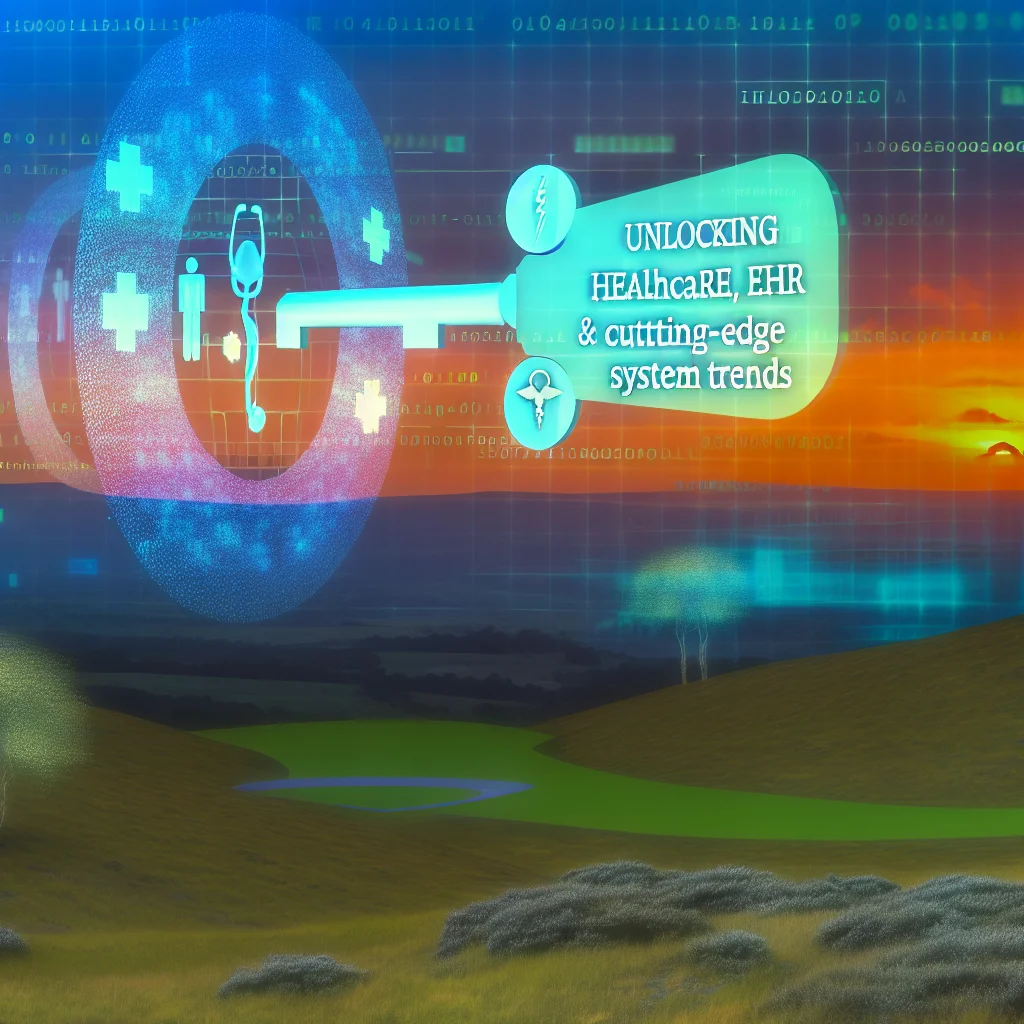
Unlock the future of healthcare with our comprehensive Healthcare IT Insights, exploring 33 innovative healthcare systems. Discover more at Comptss.