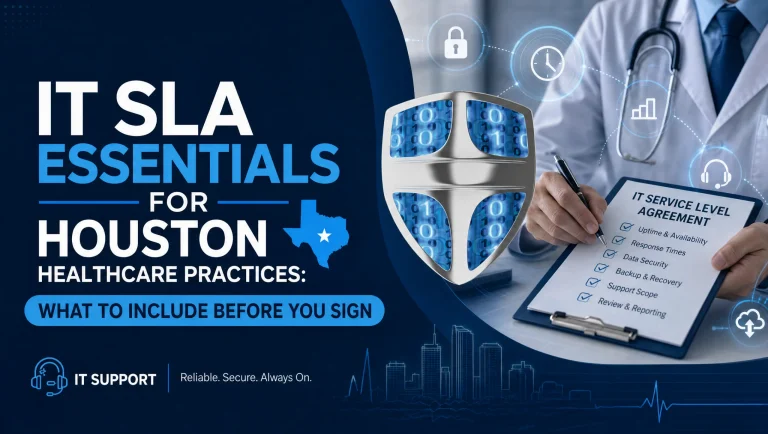
Understanding Cybersecurity Audits: Key Steps for IT Compliance
In today’s digital age, the importance of cybersecurity cannot be overstated. As organizations increasingly rely on technology to conduct their operations, the need for robust cybersecurity measures becomes paramount. One critical component of a comprehensive cybersecurity strategy is the cybersecurity audit. This process not only helps organizations identify vulnerabilities but also ensures compliance with relevant regulations and standards. Understanding the key steps involved in a cybersecurity audit is essential for IT compliance and the overall security posture of an organization.
To begin with, a cybersecurity audit is a systematic evaluation of an organization’s information systems, policies, and procedures. It aims to assess the effectiveness of existing security measures and identify areas for improvement. The audit process typically starts with defining the scope, which involves determining the specific systems, networks, and processes to be evaluated. This step is crucial as it sets the boundaries for the audit and ensures that all critical areas are covered.
Once the scope is defined, the next step involves gathering relevant data. This includes collecting information about the organization’s IT infrastructure, security policies, and any previous security incidents. Data collection is often facilitated through interviews with key personnel, reviewing documentation, and using automated tools to scan for vulnerabilities. This comprehensive data collection process provides auditors with a clear understanding of the organization’s current security posture.
Following data collection, the audit moves into the assessment phase. During this stage, auditors analyze the collected data to identify potential security risks and vulnerabilities. This involves evaluating the effectiveness of existing security controls, such as firewalls, intrusion detection systems, and access controls. Additionally, auditors assess the organization’s compliance with relevant regulations and standards, such as the General Data Protection Regulation (GDPR) or the Payment Card Industry Data Security Standard (PCI DSS). This compliance check is crucial as it ensures that the organization meets legal and industry-specific requirements.
After the assessment phase, auditors compile their findings into a detailed report. This report outlines identified vulnerabilities, assesses the effectiveness of current security measures, and provides recommendations for improvement. The report serves as a valuable tool for organizations to understand their security gaps and prioritize remediation efforts. Moreover, it offers a roadmap for enhancing the organization’s overall cybersecurity posture.
Implementing the recommendations from the audit report is the next critical step. Organizations must prioritize addressing identified vulnerabilities and strengthening their security controls. This may involve updating software, revising security policies, or investing in new security technologies. By taking proactive measures, organizations can significantly reduce their risk of cyberattacks and ensure compliance with relevant regulations.
Finally, it is important to recognize that cybersecurity audits are not a one-time event. As technology evolves and cyber threats become more sophisticated, organizations must conduct regular audits to maintain a strong security posture. Continuous monitoring and periodic audits help organizations stay ahead of emerging threats and adapt their security strategies accordingly.
In conclusion, understanding the key steps involved in a cybersecurity audit is essential for IT compliance and safeguarding an organization’s digital assets. By defining the scope, gathering data, assessing vulnerabilities, and implementing recommendations, organizations can enhance their cybersecurity measures and ensure compliance with relevant regulations. Regular audits and continuous monitoring further strengthen an organization’s ability to protect itself against evolving cyber threats. As the digital landscape continues to evolve, cybersecurity audits remain a vital component of a comprehensive cybersecurity strategy.
Enhancing Endpoint Protection: A Critical Component of Cybersecurity
In the ever-evolving landscape of cybersecurity, the importance of robust endpoint protection cannot be overstated. As organizations increasingly rely on a multitude of devices to conduct their operations, each endpoint—be it a laptop, smartphone, or IoT device—represents a potential entry point for cyber threats. Consequently, enhancing endpoint protection has become a critical component of a comprehensive cybersecurity strategy. This necessity is underscored by the growing sophistication of cyberattacks, which often target endpoints as the weakest link in an organization’s security chain.
To begin with, understanding the role of endpoints in the broader cybersecurity framework is essential. Endpoints serve as the interface between users and the network, making them prime targets for cybercriminals seeking unauthorized access to sensitive data. As such, securing these devices is paramount to safeguarding the integrity of an organization’s information systems. This involves implementing a multi-layered approach to endpoint protection, which not only includes traditional antivirus solutions but also advanced threat detection and response capabilities.
Transitioning to the specifics of endpoint protection, it is crucial to recognize that traditional antivirus software, while still relevant, is no longer sufficient on its own. Modern cyber threats, such as ransomware and zero-day exploits, require more sophisticated defenses. Endpoint Detection and Response (EDR) solutions have emerged as a vital tool in this regard. EDR provides continuous monitoring and analysis of endpoint activities, enabling the rapid detection of suspicious behavior and facilitating swift incident response. By leveraging machine learning and behavioral analysis, EDR solutions can identify anomalies that may indicate a potential breach, thereby allowing organizations to mitigate threats before they can cause significant harm.
Moreover, the integration of endpoint protection with broader security information and event management (SIEM) systems enhances an organization’s ability to detect and respond to threats in real-time. This integration allows for the correlation of data from multiple sources, providing a holistic view of the security landscape and enabling more informed decision-making. Additionally, the use of automated response mechanisms can significantly reduce the time it takes to address security incidents, thereby minimizing potential damage.
Another critical aspect of enhancing endpoint protection is ensuring that all devices are kept up-to-date with the latest security patches and updates. Cybercriminals often exploit known vulnerabilities in outdated software to gain access to systems. Therefore, implementing a robust patch management process is essential to closing these security gaps. This process should include regular audits to ensure compliance and the timely application of patches across all endpoints.
Furthermore, user education and awareness play a pivotal role in strengthening endpoint security. Employees must be trained to recognize phishing attempts and other social engineering tactics that could compromise their devices. By fostering a culture of security awareness, organizations can empower their workforce to act as the first line of defense against cyber threats.
In conclusion, enhancing endpoint protection is a critical component of any effective cybersecurity strategy. By adopting a multi-layered approach that includes advanced threat detection, integration with SIEM systems, regular patch management, and user education, organizations can significantly bolster their defenses against the myriad of cyber threats targeting endpoints. As the digital landscape continues to evolve, so too must the strategies employed to protect it, ensuring that endpoints remain secure and resilient in the face of ever-present cyber risks.
Implementing Zero Trust: Strengthening Your Network Security

In the ever-evolving landscape of digital threats, organizations are increasingly turning to the Zero Trust model to bolster their network security. This approach, which operates on the principle of “never trust, always verify,” represents a significant shift from traditional security models that relied heavily on perimeter defenses. By implementing Zero Trust, organizations can enhance their cybersecurity posture, ensuring that every access request is thoroughly vetted, regardless of its origin.
The Zero Trust model is predicated on the assumption that threats can originate from both outside and inside the network. Consequently, it requires a comprehensive verification process for every user and device attempting to access resources. This is achieved through a combination of identity verification, device security checks, and continuous monitoring. By doing so, organizations can mitigate the risk of unauthorized access and data breaches, which are becoming increasingly sophisticated and frequent.
One of the key components of implementing Zero Trust is the establishment of strong identity and access management (IAM) protocols. This involves ensuring that only authenticated and authorized users can access specific resources. Multi-factor authentication (MFA) is a critical element in this process, adding an additional layer of security by requiring users to provide multiple forms of verification. This significantly reduces the likelihood of unauthorized access, even if login credentials are compromised.
In addition to robust IAM practices, Zero Trust necessitates the segmentation of networks into smaller, more manageable zones. This segmentation limits the lateral movement of potential threats, confining them to a specific area and preventing them from spreading across the entire network. By isolating sensitive data and critical applications, organizations can protect their most valuable assets from cyberattacks.
Moreover, continuous monitoring and real-time analytics are essential components of a Zero Trust architecture. By leveraging advanced technologies such as artificial intelligence and machine learning, organizations can detect anomalies and potential threats in real-time. This proactive approach allows for swift responses to security incidents, minimizing potential damage and ensuring the integrity of the network.
Implementing Zero Trust also requires a cultural shift within organizations. It necessitates a collaborative effort across all departments, as cybersecurity is no longer solely the responsibility of the IT department. Employees at all levels must be educated about the importance of cybersecurity and trained to recognize potential threats. This holistic approach ensures that everyone within the organization is aligned with the Zero Trust principles, creating a unified front against cyber threats.
Furthermore, the transition to a Zero Trust model should be viewed as an ongoing process rather than a one-time implementation. As cyber threats continue to evolve, so too must the strategies and technologies used to combat them. Regular audits and assessments are crucial to ensure that the Zero Trust framework remains effective and up-to-date. By continuously evaluating and refining security measures, organizations can stay ahead of emerging threats and maintain a robust security posture.
In conclusion, the implementation of a Zero Trust model is a critical step in strengthening network security. By adopting a comprehensive approach that includes strong identity verification, network segmentation, continuous monitoring, and a culture of cybersecurity awareness, organizations can effectively protect themselves against the ever-present threat of cyberattacks. As the digital landscape continues to evolve, embracing Zero Trust principles will be essential for organizations seeking to safeguard their data and maintain the trust of their stakeholders.
Firewall Setup Best Practices: Safeguarding Against Network Intrusion
In the ever-evolving landscape of cybersecurity, safeguarding networks against intrusion has become a paramount concern for organizations worldwide. One of the most effective tools in this endeavor is the firewall, a critical component in the defense against unauthorized access and cyber threats. To ensure optimal protection, it is essential to adhere to best practices in firewall setup, which can significantly enhance an organization’s security posture.
To begin with, understanding the fundamental role of a firewall is crucial. Firewalls act as a barrier between a trusted internal network and untrusted external networks, such as the internet. They monitor and control incoming and outgoing network traffic based on predetermined security rules. By doing so, firewalls help prevent unauthorized access to or from private networks, thereby serving as a first line of defense against potential intruders.
One of the primary best practices in firewall setup is to define a clear and comprehensive security policy. This policy should outline the specific rules and criteria for allowing or denying network traffic. It is essential to tailor these rules to the unique needs and risks of the organization, ensuring that only legitimate traffic is permitted while blocking potentially harmful data. Regularly reviewing and updating this policy is vital, as it allows organizations to adapt to new threats and changes in the network environment.
Moreover, implementing a principle of least privilege is another critical aspect of firewall configuration. This principle dictates that users and systems should only have the minimum level of access necessary to perform their functions. By restricting access in this manner, organizations can minimize the potential attack surface and reduce the risk of unauthorized access. This approach not only enhances security but also helps in maintaining compliance with various regulatory standards.
In addition to these foundational practices, it is important to employ network segmentation. By dividing a network into smaller, isolated segments, organizations can limit the spread of potential intrusions. Each segment can have its own set of firewall rules, tailored to the specific needs and security requirements of that segment. This segmentation not only improves security but also aids in efficient network management and troubleshooting.
Furthermore, regular monitoring and logging of firewall activity are indispensable for maintaining robust security. By keeping detailed logs of all network traffic, organizations can detect suspicious activities and respond promptly to potential threats. These logs also provide valuable insights for forensic analysis in the event of a security breach. Implementing automated tools for real-time monitoring can further enhance an organization’s ability to detect and respond to threats swiftly.
Another best practice is to ensure that firewalls are kept up to date with the latest security patches and firmware updates. Cyber threats are constantly evolving, and outdated firewall software can become a significant vulnerability. Regular updates help protect against newly discovered vulnerabilities and ensure that the firewall remains effective against emerging threats.
Finally, conducting regular firewall audits is essential for maintaining a strong security posture. These audits involve a thorough review of firewall configurations, rules, and logs to identify any weaknesses or misconfigurations. By addressing these issues proactively, organizations can strengthen their defenses and reduce the likelihood of successful cyberattacks.
In conclusion, adhering to best practices in firewall setup is a critical component of an organization’s cybersecurity strategy. By defining clear security policies, implementing the principle of least privilege, employing network segmentation, and ensuring regular monitoring and updates, organizations can significantly enhance their protection against network intrusion. As cyber threats continue to evolve, maintaining a robust firewall setup remains an indispensable element in safeguarding sensitive data and ensuring the integrity of network systems.
Advanced Threat Detection: Staying Ahead in Cybersecurity Audits
In the rapidly evolving landscape of digital technology, cybersecurity audits have become an indispensable tool for organizations striving to protect their sensitive information. As cyber threats grow increasingly sophisticated, the need for advanced threat detection mechanisms within these audits has never been more critical. Cybersecurity audits serve as a comprehensive evaluation of an organization’s security posture, identifying vulnerabilities and ensuring compliance with industry standards. However, to stay ahead of potential threats, these audits must incorporate advanced threat detection strategies that go beyond traditional methods.
One of the primary challenges in cybersecurity audits is the dynamic nature of cyber threats. Attackers continuously develop new techniques to bypass security measures, making it imperative for organizations to adopt proactive approaches. Advanced threat detection involves leveraging cutting-edge technologies such as artificial intelligence and machine learning to identify anomalies and potential threats in real-time. By analyzing vast amounts of data, these technologies can detect patterns and behaviors indicative of malicious activity, allowing organizations to respond swiftly and effectively.
Moreover, the integration of threat intelligence into cybersecurity audits enhances their effectiveness. Threat intelligence involves gathering and analyzing information about current and emerging threats, providing organizations with valuable insights into the tactics, techniques, and procedures used by cybercriminals. By incorporating this intelligence into audits, organizations can better understand the threat landscape and tailor their security measures accordingly. This proactive approach not only helps in identifying vulnerabilities but also in predicting potential attack vectors, thereby strengthening the overall security framework.
In addition to technological advancements, the human element remains a crucial component of advanced threat detection in cybersecurity audits. Skilled cybersecurity professionals play a vital role in interpreting data, identifying false positives, and making informed decisions based on the findings. Their expertise is essential in understanding the context of potential threats and determining the appropriate response. Continuous training and development of cybersecurity personnel ensure that they remain updated on the latest threat trends and detection techniques, further enhancing the audit process.
Furthermore, collaboration and information sharing among organizations can significantly bolster advanced threat detection efforts. Cyber threats often transcend organizational boundaries, making it essential for entities to work together in combating these challenges. By sharing threat intelligence and best practices, organizations can collectively enhance their security measures and improve their ability to detect and respond to threats. This collaborative approach not only strengthens individual organizations but also contributes to a more secure digital ecosystem as a whole.
As organizations strive to stay ahead in cybersecurity audits, it is crucial to recognize that advanced threat detection is not a one-time effort but an ongoing process. The threat landscape is constantly evolving, necessitating continuous monitoring and adaptation of security measures. Regular audits, coupled with advanced threat detection strategies, enable organizations to maintain a robust security posture and mitigate potential risks effectively.
In conclusion, the integration of advanced threat detection into cybersecurity audits is essential for organizations aiming to protect their digital assets in an increasingly complex threat environment. By leveraging technologies such as artificial intelligence, incorporating threat intelligence, and fostering collaboration, organizations can enhance their ability to detect and respond to threats proactively. As cyber threats continue to evolve, staying ahead requires a comprehensive and dynamic approach to cybersecurity audits, ensuring that organizations remain resilient in the face of ever-changing challenges.
Enhance your organization’s security posture with our comprehensive Cybersecurity Insights: Cybersecurity Audit. [Learn more](https://comptss.com) and safeguard your digital assets today!