Understanding Malware Detection: Key Strategies for Ransomware Recovery
Ransomware has emerged as one of the most formidable threats in the digital landscape, posing significant challenges to individuals and organizations alike. As cybercriminals continue to refine their tactics, understanding malware detection becomes crucial for effective ransomware recovery. The ability to detect ransomware early can significantly mitigate its impact, thereby safeguarding critical data and maintaining operational continuity. To achieve this, a multi-layered approach to malware detection is essential, incorporating both traditional and advanced strategies.
Initially, signature-based detection has been a cornerstone in identifying known malware. This method relies on a database of known malware signatures, allowing security systems to recognize and block threats that match these signatures. While effective against known threats, this approach falls short when dealing with new, unknown ransomware variants. Consequently, organizations must complement signature-based detection with heuristic analysis. Heuristic analysis examines the behavior of files and programs, identifying potential threats based on suspicious activities rather than known signatures. This proactive approach enables the detection of novel ransomware strains, providing an additional layer of security.
Moreover, the integration of machine learning and artificial intelligence into malware detection systems has revolutionized the field. These technologies analyze vast amounts of data to identify patterns and anomalies indicative of ransomware activity. By continuously learning from new data, machine learning models can adapt to evolving threats, enhancing their ability to detect and respond to ransomware attacks. This adaptability is crucial in an era where cybercriminals are constantly developing new techniques to bypass traditional security measures.
In addition to technological advancements, human expertise remains a vital component of effective ransomware detection and recovery. Cybersecurity professionals play a critical role in interpreting data, identifying false positives, and making informed decisions during an attack. Their expertise is invaluable in understanding the nuances of ransomware behavior and implementing appropriate countermeasures. Furthermore, regular training and awareness programs for employees can significantly reduce the risk of ransomware infections. By educating staff on recognizing phishing attempts and other common attack vectors, organizations can strengthen their first line of defense against ransomware.
Transitioning from detection to recovery, it is imperative to have a robust incident response plan in place. This plan should outline the steps to be taken immediately following a ransomware attack, including isolating affected systems, notifying relevant stakeholders, and initiating data recovery procedures. A well-defined incident response plan ensures a coordinated and efficient response, minimizing downtime and data loss. Additionally, regular backups are a critical component of any ransomware recovery strategy. By maintaining up-to-date backups of critical data, organizations can restore their systems to a pre-attack state, effectively neutralizing the impact of ransomware.
Furthermore, collaboration and information sharing among organizations can enhance ransomware detection and recovery efforts. By participating in threat intelligence networks, organizations can gain insights into emerging threats and share their experiences with others. This collective approach fosters a more resilient cybersecurity ecosystem, where knowledge and resources are pooled to combat the ever-evolving ransomware threat.
In conclusion, understanding malware detection is a fundamental aspect of ransomware recovery. By employing a combination of signature-based detection, heuristic analysis, and machine learning, organizations can enhance their ability to detect and respond to ransomware attacks. Coupled with human expertise, robust incident response plans, and regular backups, these strategies form a comprehensive approach to mitigating the impact of ransomware. As cyber threats continue to evolve, staying informed and adopting a proactive stance is essential for safeguarding digital assets and ensuring business continuity.
Effective Incident Response Plans for Ransomware Attacks
In the ever-evolving landscape of cybersecurity threats, ransomware attacks have emerged as a formidable challenge for organizations worldwide. These malicious attacks, which encrypt critical data and demand a ransom for its release, can cripple operations and lead to significant financial losses. Consequently, having an effective incident response plan is paramount for organizations to mitigate the impact of such attacks and ensure a swift recovery.
To begin with, an effective incident response plan should be comprehensive, encompassing all stages of a ransomware attack, from preparation to recovery. Preparation is the cornerstone of any robust response strategy. Organizations must ensure that their systems are up-to-date with the latest security patches and that employees are trained to recognize phishing attempts, which are often the entry point for ransomware. Regularly updating antivirus software and conducting vulnerability assessments can also help in identifying potential weaknesses that could be exploited by attackers.
Once an attack is detected, the next critical step is containment. Rapid identification and isolation of affected systems can prevent the ransomware from spreading further within the network. This requires a well-coordinated effort among IT staff, who should be equipped with the necessary tools and authority to take immediate action. During this phase, communication is key. Informing all stakeholders, including employees, management, and possibly customers, about the incident can help manage expectations and reduce panic.
Following containment, the focus shifts to eradication. This involves removing the ransomware from infected systems and ensuring that no remnants remain that could lead to a recurrence. It is essential to conduct a thorough investigation to understand how the attack occurred and to close any security gaps that were exploited. This stage often requires collaboration with cybersecurity experts who can provide insights into the attack’s origin and suggest measures to prevent future incidents.
Recovery is the final stage of the incident response plan, where the goal is to restore normal operations as quickly as possible. Organizations should have reliable data backups that are regularly tested to ensure they can be restored without issues. It is advisable to maintain offline backups, as ransomware can also target connected backup systems. During recovery, it is crucial to prioritize the restoration of critical systems and data to minimize operational disruptions.
Moreover, post-incident analysis is an integral part of the recovery process. Conducting a detailed review of the incident can provide valuable lessons and help refine the incident response plan. This analysis should include an assessment of the response efforts, identification of areas for improvement, and updates to security policies and procedures. Sharing insights gained from the incident with the broader cybersecurity community can also contribute to collective defense efforts against ransomware.
In conclusion, an effective incident response plan for ransomware attacks is not a static document but a dynamic framework that evolves with the threat landscape. By emphasizing preparation, swift containment, thorough eradication, and efficient recovery, organizations can significantly reduce the impact of ransomware attacks. Continuous improvement and adaptation of the response plan, informed by past experiences and emerging threats, are essential for maintaining resilience in the face of this persistent cybersecurity challenge.
Disaster Planning Essentials: Preparing for Ransomware Threats

In today’s digital landscape, the threat of ransomware looms large, posing significant risks to organizations of all sizes. As cybercriminals become increasingly sophisticated, the need for comprehensive disaster planning has never been more critical. Preparing for ransomware threats involves a multifaceted approach that encompasses prevention, detection, and recovery strategies. By understanding the essential components of disaster planning, organizations can better safeguard their data and ensure business continuity in the face of potential ransomware attacks.
To begin with, prevention is the first line of defense against ransomware. Organizations must implement robust cybersecurity measures to reduce the likelihood of an attack. This includes maintaining up-to-date antivirus software, employing firewalls, and ensuring that all systems and applications are regularly patched. Additionally, educating employees about the dangers of phishing emails and suspicious links is crucial, as human error often serves as the entry point for ransomware. By fostering a culture of cybersecurity awareness, organizations can significantly diminish their vulnerability to such threats.
However, even with the best preventive measures in place, no system is entirely immune to ransomware. Therefore, detection plays a vital role in disaster planning. Early detection of ransomware can mitigate its impact and prevent widespread damage. Organizations should invest in advanced threat detection systems that can identify unusual network activity and alert IT teams to potential breaches. Regularly monitoring network traffic and conducting vulnerability assessments can also help in identifying weaknesses that could be exploited by cybercriminals.
In the unfortunate event that ransomware does infiltrate a system, having a well-defined recovery plan is essential. A comprehensive disaster recovery plan should outline the steps to be taken immediately following an attack, including isolating affected systems to prevent further spread. Moreover, maintaining regular backups of critical data is paramount. These backups should be stored securely and tested frequently to ensure their integrity. By having reliable backups, organizations can restore their systems to a pre-attack state without succumbing to the demands of cybercriminals.
Furthermore, communication is a critical component of any disaster recovery plan. Organizations must establish clear communication protocols to inform stakeholders, including employees, customers, and partners, about the incident and the steps being taken to address it. Transparency in communication helps maintain trust and can mitigate reputational damage. Additionally, organizations should consider involving legal and cybersecurity experts to navigate the complexities of a ransomware attack and ensure compliance with relevant regulations.
As organizations develop their disaster planning strategies, it is important to conduct regular drills and simulations to test the effectiveness of their plans. These exercises can help identify potential gaps and areas for improvement, ensuring that the organization is well-prepared to respond swiftly and effectively in the event of an actual attack. By continuously refining their disaster planning efforts, organizations can enhance their resilience against ransomware threats.
In conclusion, preparing for ransomware threats requires a proactive and comprehensive approach to disaster planning. By focusing on prevention, detection, and recovery, organizations can minimize the impact of ransomware attacks and safeguard their critical assets. As the threat landscape continues to evolve, staying informed about the latest cybersecurity trends and best practices is essential. Through diligent preparation and ongoing vigilance, organizations can fortify their defenses and ensure business continuity in the face of ever-present ransomware threats.
Crypto Locker Threats: How to Strengthen Your Ransomware Defense
Ransomware has emerged as one of the most formidable threats in the digital landscape, with Crypto Locker variants posing significant challenges to individuals and organizations alike. As these malicious programs continue to evolve, strengthening ransomware defenses has become a critical priority. Understanding the nature of Crypto Locker threats and implementing robust recovery strategies are essential steps in safeguarding valuable data and maintaining operational continuity.
Crypto Locker ransomware typically infiltrates systems through phishing emails, malicious attachments, or compromised websites. Once activated, it encrypts files on the infected device, rendering them inaccessible until a ransom is paid. The financial and reputational damage caused by such attacks can be devastating, making it imperative for organizations to adopt a proactive approach to cybersecurity.
To begin with, enhancing email security is a fundamental measure in preventing ransomware attacks. Since phishing emails are a common vector for Crypto Locker, deploying advanced email filtering solutions can help identify and block suspicious messages before they reach users’ inboxes. Additionally, educating employees about the dangers of phishing and the importance of verifying email sources can significantly reduce the risk of accidental infection.
Moreover, maintaining up-to-date software and systems is crucial in defending against ransomware. Cybercriminals often exploit vulnerabilities in outdated software to gain unauthorized access to networks. Regularly updating operating systems, applications, and security patches can close these security gaps, making it more difficult for ransomware to penetrate defenses. Furthermore, implementing a robust endpoint protection solution can provide an additional layer of security by detecting and neutralizing threats before they can cause harm.
In addition to preventive measures, having a comprehensive backup strategy is vital for effective ransomware recovery. Regularly backing up data ensures that, in the event of an attack, organizations can restore their systems to a pre-infection state without succumbing to ransom demands. It is advisable to follow the 3-2-1 backup rule: maintain three copies of data, store them on two different media, and keep one copy offsite. This approach minimizes the risk of data loss and facilitates a swift recovery process.
Furthermore, developing and testing an incident response plan is essential for minimizing the impact of a ransomware attack. This plan should outline the steps to be taken in the event of an infection, including isolating affected systems, notifying relevant stakeholders, and engaging cybersecurity experts if necessary. Regularly conducting drills and simulations can help ensure that all team members are familiar with their roles and responsibilities, enabling a coordinated and efficient response.
While these measures can significantly enhance ransomware defenses, it is important to recognize that no system is entirely immune to attack. Therefore, investing in cyber insurance can provide an additional layer of protection by covering financial losses and recovery costs associated with ransomware incidents. Organizations should carefully evaluate their insurance policies to ensure they offer adequate coverage for potential threats.
In conclusion, the threat posed by Crypto Locker ransomware necessitates a multifaceted approach to cybersecurity. By implementing robust preventive measures, maintaining comprehensive backups, and developing a well-defined incident response plan, organizations can strengthen their defenses and mitigate the impact of ransomware attacks. As cyber threats continue to evolve, staying informed and vigilant is crucial in safeguarding digital assets and ensuring business continuity.
Enhancing Phishing Defense to Prevent Ransomware Infiltration
In the ever-evolving landscape of cybersecurity threats, ransomware remains a formidable adversary, with phishing attacks serving as a primary vector for its infiltration. As organizations strive to bolster their defenses against such threats, enhancing phishing defense mechanisms has become a critical component of a comprehensive cybersecurity strategy. Understanding the intricate relationship between phishing and ransomware is essential for developing effective countermeasures that can prevent these malicious incursions.
Phishing attacks, often characterized by deceptive emails or messages that appear legitimate, are designed to trick recipients into divulging sensitive information or downloading malicious software. These attacks have become increasingly sophisticated, leveraging social engineering tactics to exploit human vulnerabilities. Consequently, they serve as a gateway for ransomware, which can encrypt critical data and demand a ransom for its release. To mitigate this risk, organizations must adopt a multi-layered approach to phishing defense, integrating technological solutions with employee education and awareness programs.
One of the most effective technological defenses against phishing is the implementation of advanced email filtering systems. These systems utilize machine learning algorithms to analyze incoming emails for suspicious patterns, such as unusual sender addresses or anomalous attachments. By identifying and quarantining potential threats before they reach the end-user, these filters can significantly reduce the likelihood of a successful phishing attempt. However, technology alone is not a panacea; it must be complemented by a robust human element.
Employee training and awareness programs are indispensable in fortifying an organization’s phishing defenses. Regular training sessions can educate employees about the latest phishing tactics and teach them how to recognize and report suspicious emails. By fostering a culture of vigilance, organizations can empower their workforce to act as the first line of defense against phishing attacks. Moreover, simulated phishing exercises can provide valuable insights into employee susceptibility and highlight areas for improvement in training programs.
In addition to technological and educational measures, organizations should also consider implementing strong authentication protocols. Multi-factor authentication (MFA) adds an extra layer of security by requiring users to provide multiple forms of verification before accessing sensitive systems or data. This can significantly reduce the risk of unauthorized access, even if login credentials are compromised through a phishing attack. Furthermore, regular audits and updates of security policies and procedures can ensure that defenses remain robust and adaptive to emerging threats.
While enhancing phishing defenses is crucial, it is equally important for organizations to develop a comprehensive incident response plan. This plan should outline the steps to be taken in the event of a ransomware attack, including communication strategies, data recovery procedures, and legal considerations. By preparing for the worst-case scenario, organizations can minimize the impact of an attack and expedite recovery efforts.
In conclusion, the fight against ransomware requires a proactive and holistic approach to cybersecurity, with phishing defense playing a pivotal role. By integrating advanced technological solutions with employee education and strong authentication protocols, organizations can create a resilient defense against phishing attacks and, by extension, ransomware infiltration. As cyber threats continue to evolve, staying informed and adaptable will be key to safeguarding valuable data and maintaining operational integrity.
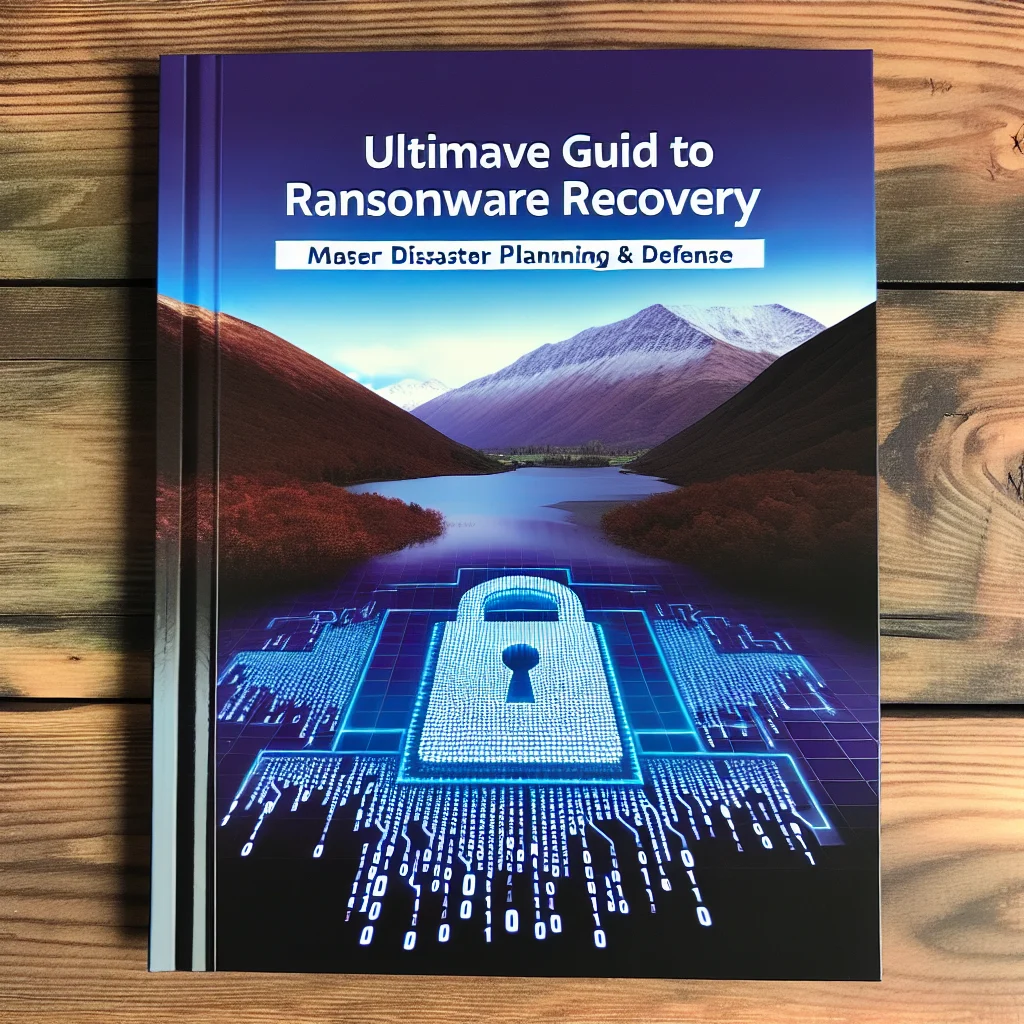
Unlock the secrets to effective ransomware recovery with our comprehensive guide, “Ransomware Insights: Ransomware Recovery (18).” Don’t wait until it’s too late—arm yourself with the knowledge to protect your data. Learn more now!