The Future Of Dental Technology: Embracing IT Upgrades For Enhanced Patient Care
The future of dental technology is poised for significant transformation, driven by the rapid advancements in information technology. As dental practices increasingly embrace IT upgrades, the potential for enhanced patient care becomes more apparent. The integration of cutting-edge technologies not only streamlines operations but also elevates the quality of care provided to patients. This evolution is marked by several key trends that are reshaping the landscape of dental practice.
To begin with, digital imaging technologies have revolutionized the way dental professionals diagnose and treat oral health issues. Traditional X-rays, while still in use, are gradually being supplanted by digital radiography, which offers numerous advantages. Digital X-rays reduce radiation exposure for patients and provide immediate results, allowing for quicker diagnosis and treatment planning. Moreover, the high-resolution images can be easily stored and shared with other healthcare providers, facilitating a more collaborative approach to patient care.
In addition to imaging, the advent of 3D printing technology is making a significant impact in the dental field. This technology allows for the precise fabrication of dental prosthetics, such as crowns, bridges, and dentures, directly from digital scans. The accuracy and efficiency of 3D printing not only reduce the time patients spend in the dental chair but also improve the fit and comfort of the final product. As a result, patients experience better outcomes and increased satisfaction with their dental treatments.
Furthermore, the implementation of electronic health records (EHRs) in dental practices is another critical advancement. EHRs enable the seamless integration of patient information, ensuring that dental professionals have access to comprehensive and up-to-date medical histories. This accessibility enhances the ability to make informed decisions regarding patient care and facilitates communication between dental and medical professionals. Additionally, EHRs contribute to improved practice management by streamlining administrative tasks and reducing the likelihood of errors.
Tele-dentistry is another emerging trend that is gaining traction in the dental industry. By leveraging video conferencing and other digital communication tools, dental professionals can provide consultations and follow-up care remotely. This approach not only increases access to dental care for patients in underserved or remote areas but also offers convenience for those with busy schedules. Tele-dentistry can also play a crucial role in preventive care, as it allows for regular check-ins and monitoring of oral health conditions without the need for in-person visits.
Moreover, the integration of artificial intelligence (AI) into dental practice is set to revolutionize diagnostic and treatment processes. AI algorithms can analyze vast amounts of data to identify patterns and predict outcomes, assisting dental professionals in making more accurate diagnoses. For instance, AI can be used to detect early signs of cavities or gum disease from digital images, enabling timely intervention and potentially preventing more severe issues. As AI technology continues to evolve, its applications in dentistry are expected to expand, further enhancing patient care.
In conclusion, the future of dental technology is bright, with IT upgrades playing a pivotal role in advancing patient care. From digital imaging and 3D printing to EHRs, tele-dentistry, and AI, these innovations are transforming the way dental professionals diagnose, treat, and manage oral health. As dental practices continue to embrace these technologies, patients can look forward to more efficient, accurate, and personalized care. The ongoing integration of IT in dentistry not only promises to improve clinical outcomes but also enhances the overall patient experience, setting a new standard for dental care in the years to come.
Digital Dentistry: How Cloud Integration Is Revolutionizing Dental Practices
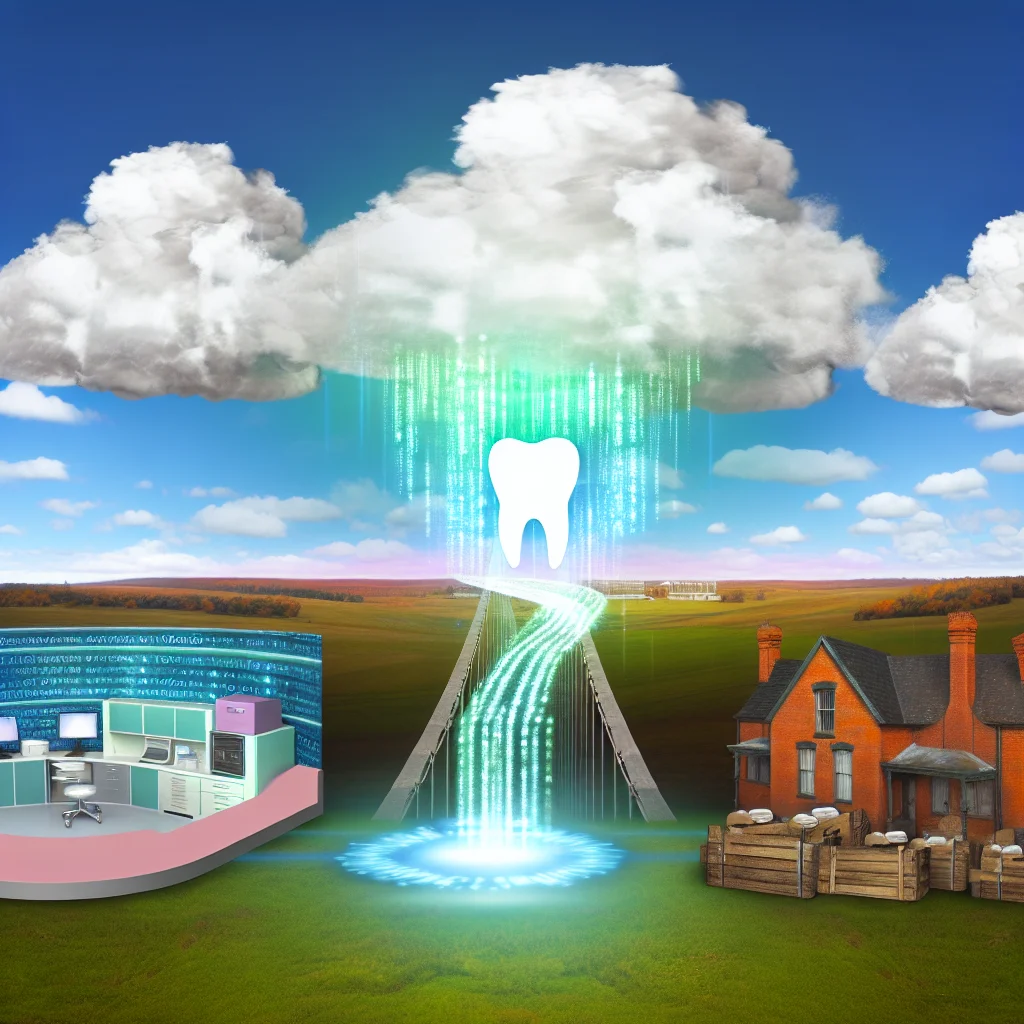
In recent years, the dental industry has witnessed a significant transformation, largely driven by advancements in digital technology. Among these innovations, cloud integration stands out as a pivotal development, reshaping how dental practices operate and deliver care. As dental practices increasingly adopt digital solutions, the integration of cloud technology has emerged as a cornerstone for enhancing efficiency, improving patient care, and streamlining operations.
Cloud integration in dental practices refers to the use of cloud-based platforms to store, manage, and access patient data and other critical information. This shift from traditional, on-premise systems to cloud-based solutions offers numerous advantages. One of the most notable benefits is the enhanced accessibility of patient records. With cloud integration, dental professionals can access patient information from any location, provided they have an internet connection. This capability is particularly beneficial for multi-location practices, where seamless access to data is crucial for maintaining consistency in patient care.
Moreover, cloud integration facilitates improved collaboration among dental professionals. By centralizing data storage, cloud platforms enable multiple practitioners to access and update patient records in real-time. This real-time collaboration ensures that all team members are on the same page, reducing the likelihood of errors and enhancing the overall quality of care. Additionally, cloud-based systems often come equipped with advanced security measures, such as encryption and multi-factor authentication, to protect sensitive patient information from unauthorized access.
Another significant advantage of cloud integration is the potential for cost savings. Traditional IT infrastructure requires substantial investment in hardware, software, and maintenance. In contrast, cloud-based solutions typically operate on a subscription model, allowing practices to pay only for the services they use. This model not only reduces upfront costs but also provides scalability, enabling practices to adjust their resources according to their needs. As a result, dental practices can allocate more resources towards patient care and other critical areas.
Furthermore, cloud integration supports the implementation of advanced technologies such as artificial intelligence (AI) and machine learning. These technologies can analyze vast amounts of data to provide insights that enhance decision-making and patient outcomes. For instance, AI algorithms can assist in diagnosing conditions by analyzing dental images, while machine learning models can predict patient needs based on historical data. By leveraging these technologies, dental practices can offer more personalized and proactive care, ultimately improving patient satisfaction.
In addition to these benefits, cloud integration also plays a crucial role in ensuring compliance with regulatory standards. Dental practices must adhere to strict regulations regarding the handling and storage of patient data. Cloud providers often offer solutions that are designed to meet these regulatory requirements, thereby reducing the compliance burden on dental practices. This compliance assurance is particularly important in an era where data breaches and privacy concerns are increasingly prevalent.
In conclusion, the integration of cloud technology in dental practices is revolutionizing the field of digital dentistry. By offering enhanced accessibility, improved collaboration, cost savings, and support for advanced technologies, cloud integration is enabling dental practices to operate more efficiently and deliver higher quality care. As the dental industry continues to evolve, embracing cloud technology will be essential for practices seeking to remain competitive and meet the growing expectations of patients. Through this digital transformation, dental practices can look forward to a future where technology and patient care are seamlessly intertwined.
Ensuring Dental Compliance: The Role Of IT In Meeting Regulatory Standards
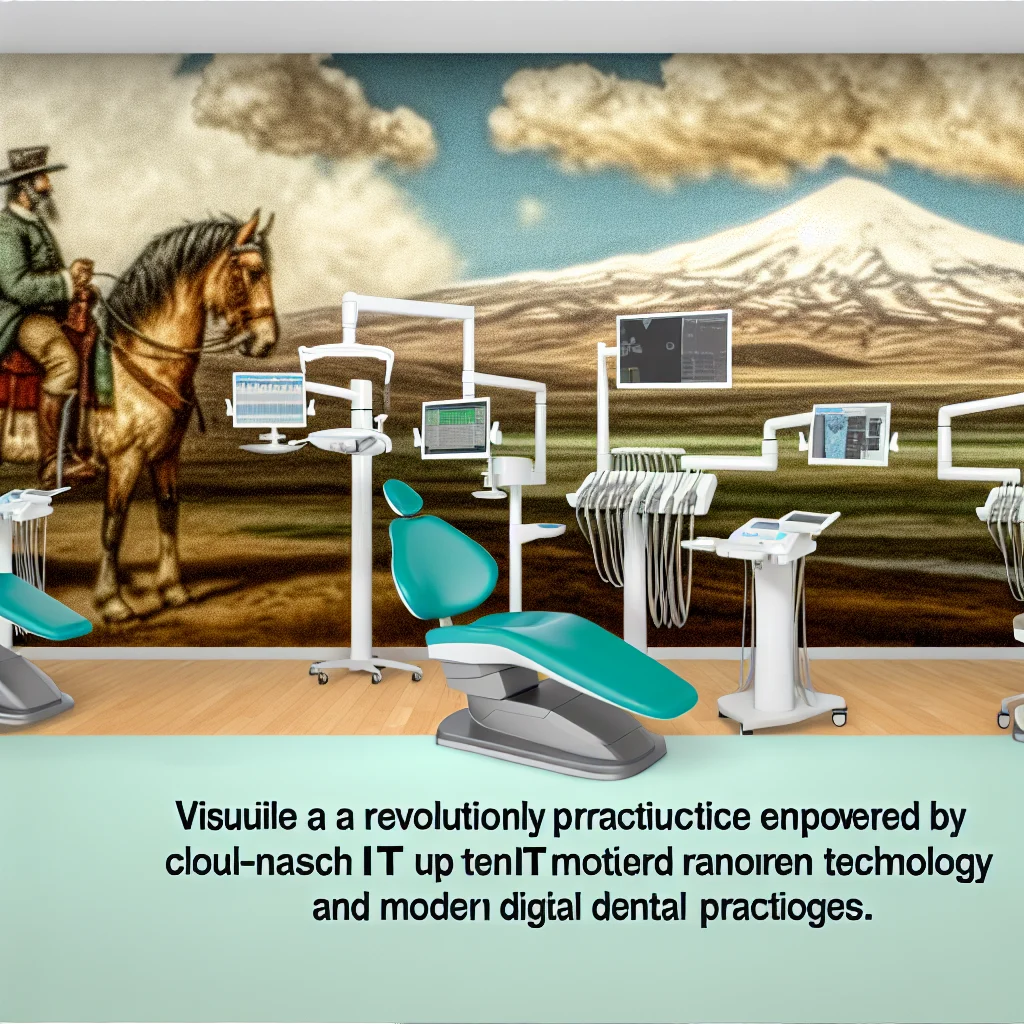
In the rapidly evolving landscape of dental care, the integration of information technology has become indispensable, particularly in ensuring compliance with regulatory standards. As dental practices strive to provide high-quality care, they must also navigate a complex web of regulations designed to protect patient information and ensure the safety and efficacy of dental procedures. Information technology plays a crucial role in this endeavor, offering tools and solutions that help dental practices meet these stringent requirements efficiently and effectively.
One of the primary areas where IT supports dental compliance is in the management of patient data. The Health Insurance Portability and Accountability Act (HIPAA) sets the standard for protecting sensitive patient information in the United States. Dental practices must ensure that their electronic health records (EHR) systems are secure and that patient data is handled in compliance with HIPAA regulations. IT solutions provide robust encryption methods, secure access controls, and audit trails that help practices safeguard patient information against unauthorized access and breaches. By implementing these technologies, dental practices can not only comply with legal requirements but also build trust with their patients by demonstrating a commitment to data security.
Moreover, IT systems facilitate the accurate documentation and reporting required by various regulatory bodies. For instance, the Occupational Safety and Health Administration (OSHA) mandates that dental practices maintain records of workplace safety protocols and incidents. Advanced software solutions enable dental offices to efficiently document safety procedures, track compliance with OSHA standards, and generate reports that can be easily accessed during inspections. This not only ensures compliance but also promotes a culture of safety within the practice, ultimately benefiting both staff and patients.
In addition to data management and documentation, IT plays a pivotal role in ensuring compliance with clinical standards. Dental practices must adhere to guidelines set forth by organizations such as the American Dental Association (ADA) and the Centers for Disease Control and Prevention (CDC). These guidelines cover a wide range of areas, including infection control, radiography, and the use of dental materials. IT systems can assist in monitoring adherence to these standards by providing checklists, reminders, and automated alerts that help dental professionals stay up-to-date with the latest protocols. Furthermore, digital imaging technologies and practice management software can enhance diagnostic accuracy and treatment planning, ensuring that clinical practices align with established guidelines.
Transitioning to a more digital approach also aids in streamlining communication within the dental practice and with external regulatory bodies. Secure messaging platforms and telehealth solutions enable efficient communication while maintaining compliance with privacy regulations. This is particularly important in the context of audits or inspections, where timely and accurate information exchange is crucial. By leveraging IT solutions, dental practices can ensure that they are always prepared to demonstrate compliance and respond to regulatory inquiries promptly.
In conclusion, the role of IT in ensuring dental compliance is multifaceted and essential. From safeguarding patient data to facilitating accurate documentation and adherence to clinical standards, information technology provides the tools necessary for dental practices to navigate the complex regulatory environment. As the dental industry continues to evolve, the integration of advanced IT solutions will remain a cornerstone of compliance efforts, enabling practices to deliver high-quality care while meeting the demands of an increasingly regulated landscape. By embracing these technologies, dental professionals can focus on what they do best: providing exceptional care to their patients.
Strengthening Practice Security: Essential IT Measures For Dental Offices
In the rapidly evolving landscape of dental technology, ensuring robust security measures within dental practices has become paramount. As dental offices increasingly rely on digital systems to manage patient records, appointment scheduling, and billing, the need for comprehensive IT security strategies has never been more critical. The integration of technology in dental practices offers numerous benefits, including improved efficiency and enhanced patient care. However, it also introduces potential vulnerabilities that must be addressed to protect sensitive patient information and maintain the trust of patients.
One of the primary concerns for dental practices is the safeguarding of electronic health records (EHRs). These records contain a wealth of sensitive information, including personal identification details, medical histories, and insurance information. Consequently, dental offices must implement stringent access controls to ensure that only authorized personnel can access this data. Utilizing strong, unique passwords and multi-factor authentication can significantly reduce the risk of unauthorized access. Additionally, regular audits of access logs can help identify any suspicious activity, allowing for prompt intervention.
Moreover, dental practices should prioritize the encryption of data both in transit and at rest. Encryption serves as a critical line of defense, rendering data unreadable to unauthorized individuals. By employing robust encryption protocols, dental offices can protect patient information from being intercepted during transmission or accessed in the event of a data breach. Furthermore, it is essential to keep all software and systems up to date with the latest security patches. Cybercriminals often exploit vulnerabilities in outdated software, making regular updates a crucial component of any security strategy.
In addition to these technical measures, dental practices must also focus on cultivating a culture of security awareness among their staff. Human error remains one of the leading causes of data breaches, often stemming from phishing attacks or inadvertent data exposure. Therefore, regular training sessions should be conducted to educate employees about the latest cybersecurity threats and best practices for safeguarding information. By fostering a vigilant workforce, dental offices can significantly reduce the likelihood of security incidents.
Another vital aspect of strengthening practice security is the implementation of a comprehensive data backup and recovery plan. In the event of a cyberattack or system failure, having reliable backups ensures that patient data can be restored with minimal disruption to operations. Dental practices should conduct regular backups and store them in secure, offsite locations. Additionally, periodic testing of the recovery process is essential to ensure that data can be swiftly and accurately restored when needed.
Furthermore, dental offices should consider conducting regular risk assessments to identify potential vulnerabilities and evaluate the effectiveness of their security measures. These assessments provide valuable insights into areas that may require additional attention or resources. By proactively addressing identified risks, dental practices can enhance their overall security posture and better protect patient information.
In conclusion, as dental technology continues to advance, the importance of implementing robust IT security measures cannot be overstated. By adopting a multi-faceted approach that includes access controls, encryption, staff training, data backup, and regular risk assessments, dental practices can effectively safeguard sensitive patient information. Ultimately, these efforts not only protect the practice from potential breaches but also reinforce the trust and confidence of patients in the digital age.
Choosing The Right Dental Software: Key Considerations For Modern Practices
In the rapidly evolving landscape of dental technology, selecting the right dental software is a critical decision for modern practices aiming to enhance efficiency, improve patient care, and streamline operations. As dental practices increasingly rely on digital solutions to manage various aspects of their operations, understanding the key considerations in choosing the right software becomes paramount. The integration of technology into dental practices is not merely a trend but a necessity, driven by the need for improved patient experiences and optimized practice management.
To begin with, one of the primary considerations when selecting dental software is its functionality and features. Dental practices should assess their specific needs and ensure that the software they choose offers comprehensive solutions tailored to those requirements. This includes features such as patient scheduling, electronic health records (EHR), billing, and insurance processing. Additionally, the software should facilitate seamless communication between different departments within the practice, ensuring that information flows smoothly and efficiently. By choosing software with robust functionality, practices can enhance their operational efficiency and provide better care to their patients.
Moreover, the ease of use and user interface of the dental software are crucial factors to consider. A user-friendly interface ensures that the dental team can quickly adapt to the new system, minimizing disruptions to daily operations. Intuitive software reduces the learning curve for staff, allowing them to focus more on patient care rather than struggling with complex systems. Therefore, practices should prioritize software that offers a straightforward and intuitive user experience, enabling staff to navigate the system effortlessly.
Another significant consideration is the software’s compatibility and integration capabilities. Dental practices often use multiple systems for various functions, such as imaging, accounting, and patient management. It is essential that the chosen software can integrate seamlessly with existing systems to avoid data silos and ensure a cohesive workflow. Compatibility with other technologies, such as digital radiography and intraoral cameras, is also vital for practices that rely on advanced diagnostic tools. By ensuring compatibility and integration, practices can create a unified digital ecosystem that enhances overall efficiency.
Security and compliance are also paramount when selecting dental software. Given the sensitive nature of patient data, practices must choose software that adheres to stringent security standards and complies with regulations such as the Health Insurance Portability and Accountability Act (HIPAA). Robust security measures, including data encryption and regular software updates, are essential to protect patient information from unauthorized access and potential breaches. Practices should prioritize software providers that demonstrate a strong commitment to data security and compliance.
Furthermore, the scalability and flexibility of the software are important considerations for growing practices. As dental practices expand, their software needs may evolve, requiring additional features or increased capacity. Choosing a scalable solution ensures that the software can grow alongside the practice, accommodating future needs without requiring a complete system overhaul. Flexibility in terms of customization options also allows practices to tailor the software to their specific workflows and preferences, enhancing overall efficiency.
In conclusion, selecting the right dental software is a multifaceted decision that requires careful consideration of various factors. By focusing on functionality, ease of use, compatibility, security, and scalability, dental practices can choose a software solution that not only meets their current needs but also supports their long-term goals. As technology continues to advance, investing in the right dental software becomes an essential step for modern practices seeking to thrive in an increasingly digital world.
Unlock the future of your dental practice with cutting-edge Dental IT Insights! Discover the top 14 dental technologies revolutionizing patient care and practice management. [Explore Now](https://comptss.com)