System Recovery Strategies: Ensuring Business Continuity Through Effective IT Support
In today’s fast-paced digital landscape, businesses heavily rely on their IT infrastructure to maintain operations and ensure seamless service delivery. However, unforeseen disruptions, such as system failures, cyber-attacks, or natural disasters, can pose significant threats to business continuity. Therefore, implementing robust system recovery strategies is crucial for organizations to mitigate risks and maintain operational resilience. Effective IT support plays a pivotal role in this process, providing the necessary expertise and resources to navigate these challenges.
To begin with, a comprehensive understanding of the organization’s IT environment is essential for developing an effective system recovery strategy. This involves conducting a thorough assessment of the existing infrastructure, identifying critical systems, and understanding the interdependencies between various components. By doing so, IT support teams can prioritize recovery efforts and allocate resources efficiently, ensuring that the most vital systems are restored first in the event of a disruption.
Moreover, regular data backups are a cornerstone of any robust system recovery strategy. IT support teams must ensure that data is backed up consistently and stored securely, both on-site and off-site. This dual approach not only safeguards data against physical damage but also protects it from cyber threats. Additionally, implementing automated backup solutions can streamline the process, reducing the risk of human error and ensuring that data is readily available for recovery when needed.
In addition to data backups, having a well-defined disaster recovery plan is imperative. This plan should outline the specific steps to be taken in the event of a system failure, including roles and responsibilities, communication protocols, and recovery timelines. IT support teams should regularly test and update this plan to account for changes in the IT environment and emerging threats. By doing so, organizations can ensure that their recovery efforts are both timely and effective, minimizing downtime and associated costs.
Furthermore, leveraging cloud-based solutions can enhance system recovery capabilities. Cloud services offer scalable and flexible options for data storage and application hosting, allowing businesses to quickly recover and resume operations. IT support teams can assist in selecting the appropriate cloud solutions that align with the organization’s recovery objectives and budget constraints. Additionally, cloud providers often offer built-in redundancy and failover mechanisms, further enhancing system resilience.
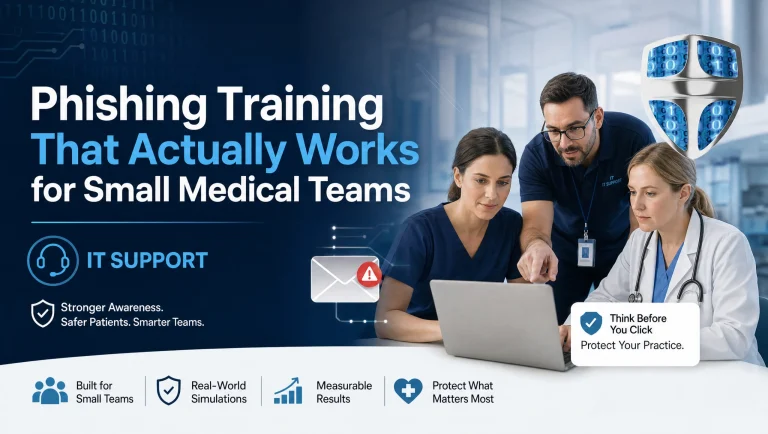
Another critical aspect of system recovery is employee training and awareness. IT support teams should conduct regular training sessions to educate staff on best practices for data protection and system recovery. This includes recognizing phishing attempts, understanding the importance of regular software updates, and knowing how to respond in the event of a system failure. By fostering a culture of awareness and preparedness, organizations can reduce the likelihood of human error and enhance their overall recovery efforts.
Finally, continuous monitoring and proactive maintenance are essential components of an effective system recovery strategy. IT support teams should employ advanced monitoring tools to detect potential issues before they escalate into major disruptions. By addressing vulnerabilities and performing routine maintenance, organizations can prevent system failures and ensure that their IT infrastructure remains robust and reliable.
In conclusion, ensuring business continuity through effective IT support requires a multifaceted approach to system recovery. By understanding the IT environment, implementing regular data backups, developing a comprehensive disaster recovery plan, leveraging cloud solutions, training employees, and maintaining continuous monitoring, organizations can enhance their resilience against disruptions. As the digital landscape continues to evolve, these strategies will be instrumental in safeguarding business operations and maintaining a competitive edge.
The Importance Of Regular IT Maintenance: Keeping Your Systems Running Smoothly
In today’s fast-paced digital landscape, the seamless operation of IT systems is crucial for the success of any organization. Regular IT maintenance plays a pivotal role in ensuring that these systems function optimally, thereby minimizing disruptions and enhancing productivity. By proactively addressing potential issues, businesses can avoid costly downtime and maintain a competitive edge. This article delves into the significance of regular IT maintenance and how it contributes to the smooth running of organizational systems.
To begin with, regular IT maintenance helps in identifying and resolving potential vulnerabilities before they escalate into major problems. By conducting routine checks and updates, IT professionals can detect security loopholes, outdated software, and hardware malfunctions. This proactive approach not only safeguards sensitive data from cyber threats but also ensures compliance with industry regulations. Consequently, organizations can avoid the financial and reputational damage associated with data breaches and non-compliance penalties.
Moreover, regular maintenance enhances the performance and efficiency of IT systems. Over time, systems can become sluggish due to the accumulation of temporary files, fragmented data, and outdated software. By performing regular clean-ups and updates, IT teams can optimize system performance, ensuring that applications run smoothly and efficiently. This, in turn, leads to improved employee productivity, as staff can work without the frustration of slow or unresponsive systems.
In addition to performance optimization, regular IT maintenance extends the lifespan of hardware and software assets. Just as regular servicing can prolong the life of a vehicle, routine IT maintenance can prevent premature wear and tear of technological assets. By addressing minor issues early on, organizations can avoid the need for costly repairs or replacements. This not only results in significant cost savings but also allows businesses to allocate resources more effectively.
Furthermore, regular IT maintenance facilitates better planning and budgeting for future IT needs. By keeping systems up-to-date and monitoring their performance, IT departments can gain valuable insights into usage patterns and potential areas for improvement. This information is instrumental in making informed decisions about future investments in technology, ensuring that organizations remain at the forefront of innovation.
Another critical aspect of regular IT maintenance is its role in fostering a culture of continuous improvement within an organization. By prioritizing maintenance, businesses demonstrate a commitment to excellence and a proactive approach to problem-solving. This mindset can permeate throughout the organization, encouraging employees to adopt similar attitudes in their respective roles. As a result, the entire organization benefits from a culture that values efficiency, innovation, and resilience.
In conclusion, the importance of regular IT maintenance cannot be overstated. By proactively addressing potential issues, optimizing system performance, extending the lifespan of assets, and facilitating better planning, regular maintenance ensures that IT systems run smoothly and efficiently. This not only enhances productivity and cost-effectiveness but also safeguards the organization’s reputation and competitive standing. As technology continues to evolve, businesses that prioritize regular IT maintenance will be better equipped to navigate the challenges and opportunities of the digital age. Therefore, it is imperative for organizations to invest in regular IT maintenance as a strategic priority, ensuring the long-term success and sustainability of their operations.
Cloud Backup Solutions: A Key Component Of Modern Tech Support
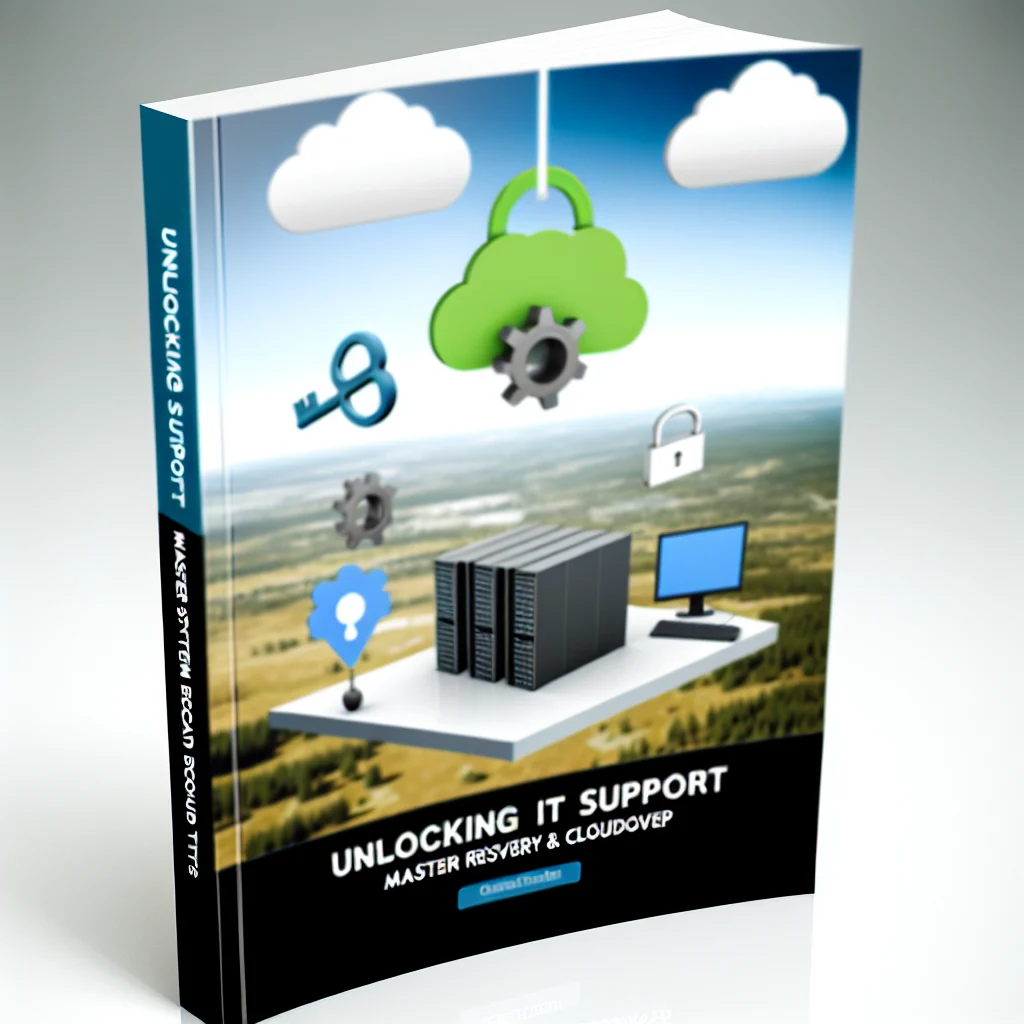
In the rapidly evolving landscape of information technology, cloud backup solutions have emerged as a pivotal component of modern tech support. As organizations increasingly rely on digital data to drive their operations, the need for robust, reliable, and secure data storage solutions has never been more critical. Cloud backup solutions offer a compelling answer to this need, providing a range of benefits that enhance the efficiency and effectiveness of tech support services.
To begin with, cloud backup solutions offer unparalleled accessibility. Unlike traditional backup methods that often require physical storage devices, cloud solutions enable data to be accessed from anywhere with an internet connection. This accessibility is particularly advantageous for tech support teams, who can quickly retrieve and restore data without the constraints of physical location. Consequently, this leads to faster resolution times for technical issues, thereby improving overall service delivery and customer satisfaction.
Moreover, cloud backup solutions provide a high level of data security, which is a paramount concern for any organization. With cyber threats becoming increasingly sophisticated, the need for secure data storage is more pressing than ever. Cloud providers typically employ advanced encryption techniques and multi-factor authentication to protect data from unauthorized access. Additionally, regular security audits and compliance with industry standards further bolster the security framework of cloud backup solutions. This robust security infrastructure not only safeguards sensitive information but also instills confidence in clients and stakeholders.
In addition to security, scalability is another significant advantage of cloud backup solutions. As organizations grow, their data storage needs inevitably increase. Cloud solutions offer the flexibility to scale storage capacity up or down based on current requirements, without the need for significant capital investment in physical infrastructure. This scalability ensures that tech support teams can efficiently manage data growth, maintaining seamless operations even as demands fluctuate.
Furthermore, cloud backup solutions contribute to cost efficiency, a critical consideration for many organizations. Traditional backup methods often involve substantial upfront costs for hardware and ongoing maintenance expenses. In contrast, cloud solutions typically operate on a subscription-based model, allowing organizations to pay only for the storage they use. This model not only reduces initial expenditure but also provides predictable budgeting, which is particularly beneficial for small to medium-sized enterprises with limited financial resources.
Transitioning to cloud backup solutions also supports business continuity and disaster recovery efforts. In the event of data loss due to hardware failure, natural disasters, or cyberattacks, cloud backups ensure that data can be quickly restored, minimizing downtime and disruption. This capability is essential for maintaining operational resilience and protecting an organization’s reputation.
Finally, the integration of cloud backup solutions with other IT support services enhances overall system performance. By centralizing data storage and management, cloud solutions facilitate seamless collaboration between different tech support functions. This integration streamlines processes, reduces redundancies, and enables more effective monitoring and troubleshooting of technical issues.
In conclusion, cloud backup solutions represent a key component of modern tech support, offering a range of benefits that address the challenges of data accessibility, security, scalability, cost efficiency, and business continuity. As organizations continue to navigate the complexities of the digital age, the adoption of cloud backup solutions will undoubtedly play a crucial role in supporting their technological infrastructure and ensuring sustained success.
Troubleshooting Common IT Issues: Tips From The Tech Support Experts
In the ever-evolving landscape of technology, IT support has become an indispensable component of modern business operations. As organizations increasingly rely on digital tools and platforms, the demand for efficient and effective tech support has surged. Understanding common IT issues and their solutions is crucial for maintaining productivity and minimizing downtime. Drawing from the expertise of seasoned tech support professionals, this article delves into some of the most prevalent IT challenges and offers practical troubleshooting tips.
One of the most frequent issues encountered by IT support teams is connectivity problems. Whether it’s a slow internet connection or an inability to connect to a network, these issues can significantly disrupt workflow. To address connectivity problems, it is essential first to identify whether the issue is isolated to a single device or affects multiple users. If the problem is widespread, checking the network hardware, such as routers and switches, is advisable. Restarting these devices can often resolve temporary glitches. Additionally, ensuring that all cables are securely connected and that there are no physical obstructions can help improve connectivity.
Another common challenge is software malfunctions, which can manifest as application crashes or unresponsive programs. In such cases, it is beneficial to start by checking for software updates. Developers frequently release patches to fix bugs and improve performance, so keeping applications up to date is crucial. If the problem persists, reinstalling the software might be necessary. This process can help resolve any corrupted files that may be causing the malfunction. Furthermore, ensuring that the system meets the software’s minimum requirements can prevent performance issues.
Hardware failures also pose significant challenges for IT support teams. From malfunctioning keyboards to unresponsive monitors, hardware issues can halt productivity. When faced with a hardware problem, it is important to conduct a thorough inspection of the affected device. Checking for physical damage, such as loose connections or broken components, can often reveal the source of the issue. In some cases, replacing a faulty component may be the only solution. However, before proceeding with replacements, it is advisable to consult the device’s warranty and support documentation to explore potential repair options.
Security concerns are another critical area where IT support plays a vital role. With the increasing prevalence of cyber threats, safeguarding sensitive data has become a top priority for organizations. To mitigate security risks, tech support experts recommend implementing robust antivirus software and ensuring that all systems are regularly updated with the latest security patches. Additionally, educating employees about safe online practices, such as recognizing phishing attempts and using strong passwords, can significantly enhance an organization’s security posture.
In conclusion, while IT issues are an inevitable part of the digital age, understanding how to effectively troubleshoot these problems can greatly reduce their impact. By addressing connectivity issues, software malfunctions, hardware failures, and security concerns with a methodical approach, tech support professionals can ensure that organizations continue to operate smoothly. As technology continues to advance, staying informed about the latest troubleshooting techniques and solutions will remain essential for both IT support teams and the businesses they serve. Through proactive measures and a commitment to continuous learning, tech support experts can navigate the complexities of modern IT challenges and contribute to the overall success of their organizations.
Optimizing IT Performance: How Remote Helpdesk Services Enhance Efficiency
In today’s fast-paced digital landscape, businesses are increasingly reliant on technology to drive their operations and maintain a competitive edge. As a result, the demand for efficient IT support has never been more critical. One of the most effective ways to optimize IT performance is through the implementation of remote helpdesk services. These services not only enhance efficiency but also provide a range of benefits that contribute to the overall success of an organization.
To begin with, remote helpdesk services offer a level of accessibility that traditional on-site support cannot match. By leveraging cloud-based technologies and advanced communication tools, remote helpdesks can provide immediate assistance to users regardless of their location. This is particularly advantageous for organizations with a geographically dispersed workforce, as it ensures that all employees have access to the support they need without the delays associated with travel or scheduling conflicts. Consequently, this leads to a reduction in downtime and an increase in productivity, as issues are resolved more swiftly.
Moreover, remote helpdesk services are often more cost-effective than maintaining an in-house IT support team. By outsourcing these services, businesses can reduce overhead costs associated with salaries, benefits, and training. Additionally, remote helpdesks typically operate on a subscription or pay-per-use model, allowing organizations to scale their support needs according to demand. This flexibility not only helps manage costs but also ensures that businesses receive the appropriate level of support as they grow and evolve.
In addition to cost savings, remote helpdesk services provide access to a broader range of expertise. These services are typically staffed by IT professionals with diverse skill sets and experience across various industries. This diversity enables remote helpdesks to address a wide array of technical issues, from routine troubleshooting to complex system integrations. Furthermore, remote helpdesks often have access to the latest tools and technologies, ensuring that they can provide cutting-edge solutions to their clients. This access to specialized knowledge and resources can be invaluable for businesses looking to stay ahead of the curve in an ever-changing technological landscape.
Another significant advantage of remote helpdesk services is their ability to offer proactive support. By utilizing advanced monitoring tools, remote helpdesks can identify potential issues before they escalate into more significant problems. This proactive approach not only minimizes disruptions but also extends the lifespan of IT infrastructure by addressing concerns before they cause damage. As a result, businesses can enjoy a more stable and reliable IT environment, which is essential for maintaining operational efficiency.
Furthermore, remote helpdesk services can enhance the overall user experience by providing personalized support tailored to individual needs. By maintaining detailed records of past interactions and issues, remote helpdesks can offer more targeted assistance, reducing the time spent on troubleshooting and increasing user satisfaction. This personalized approach fosters a positive relationship between users and IT support, ultimately contributing to a more harmonious and productive work environment.
In conclusion, remote helpdesk services play a crucial role in optimizing IT performance by offering accessible, cost-effective, and expert support. Through their proactive approach and personalized assistance, these services not only enhance efficiency but also contribute to the long-term success of an organization. As businesses continue to navigate the complexities of the digital age, embracing remote helpdesk services can provide the competitive advantage needed to thrive in an increasingly technology-driven world.
Unlock the full potential of your IT infrastructure with expert insights from Tech Support (22). Discover cutting-edge solutions and strategies to enhance your tech support capabilities. Explore IT Support Insights now!