Ensuring HIPAA Compliance in Modern Healthcare Systems
In the rapidly evolving landscape of modern healthcare systems, ensuring compliance with the Health Insurance Portability and Accountability Act (HIPAA) remains a critical priority. As healthcare organizations increasingly adopt advanced technologies to enhance patient care and streamline operations, the challenge of maintaining HIPAA compliance becomes more complex. This complexity arises from the need to balance technological innovation with stringent regulatory requirements designed to protect patient privacy and secure sensitive health information.
To begin with, it is essential to understand the core objectives of HIPAA, which are to safeguard patient data and ensure the confidentiality, integrity, and availability of protected health information (PHI). As healthcare systems integrate electronic health records (EHRs), telemedicine, and other digital tools, the potential for data breaches and unauthorized access to PHI increases. Consequently, healthcare providers must implement robust security measures to mitigate these risks. This includes employing encryption technologies, access controls, and regular security audits to detect and address vulnerabilities.
Moreover, the rise of cloud computing in healthcare presents both opportunities and challenges for HIPAA compliance. Cloud services offer scalable solutions for data storage and management, enabling healthcare organizations to efficiently handle large volumes of patient data. However, entrusting PHI to third-party cloud providers necessitates rigorous due diligence. Healthcare entities must ensure that their cloud partners adhere to HIPAA regulations and sign Business Associate Agreements (BAAs) to formalize their commitment to protecting patient data.
In addition to technological safeguards, fostering a culture of compliance within healthcare organizations is paramount. This involves comprehensive training programs for staff to educate them about HIPAA requirements and the importance of data privacy. Employees should be well-versed in identifying potential security threats and understanding the protocols for reporting breaches. By cultivating an environment where compliance is a shared responsibility, healthcare systems can better protect patient information and maintain trust.
Furthermore, the advent of telehealth services has expanded access to care but also introduced new compliance challenges. Telehealth platforms must be designed with HIPAA in mind, ensuring secure communication channels between patients and providers. This includes using end-to-end encryption for video consultations and secure messaging systems for patient-provider interactions. As telehealth continues to grow, ongoing evaluation and enhancement of these platforms are necessary to address emerging security concerns.
Another critical aspect of ensuring HIPAA compliance is the regular review and updating of policies and procedures. As technology and regulations evolve, healthcare organizations must remain agile, adapting their compliance strategies to reflect current best practices. This may involve revisiting risk assessments, updating privacy policies, and ensuring that all stakeholders are informed of any changes.
In conclusion, ensuring HIPAA compliance in modern healthcare systems is a multifaceted endeavor that requires a proactive approach. By leveraging advanced technologies while adhering to regulatory standards, healthcare organizations can protect patient data and enhance the quality of care. The integration of robust security measures, comprehensive staff training, and continuous policy evaluation are essential components of a successful compliance strategy. As the healthcare landscape continues to evolve, maintaining a steadfast commitment to HIPAA compliance will be crucial in safeguarding patient privacy and fostering trust in the digital age.
The Role of Clinical Support in Enhancing Healthcare Systems
In the rapidly evolving landscape of healthcare, the integration of clinical support systems has become a pivotal element in enhancing the efficiency and effectiveness of healthcare delivery. As healthcare systems strive to meet the increasing demands of patient care, clinical support systems offer a robust framework that aids healthcare professionals in making informed decisions, thereby improving patient outcomes. These systems, which encompass a range of tools and technologies, are designed to support clinical decision-making processes, streamline workflows, and ensure the delivery of high-quality care.
One of the primary functions of clinical support systems is to provide healthcare professionals with access to evidence-based guidelines and protocols. By integrating these guidelines into the daily operations of healthcare facilities, clinical support systems help ensure that patient care is consistent with the latest medical research and best practices. This is particularly important in an era where medical knowledge is expanding at an unprecedented rate, making it challenging for practitioners to stay abreast of the latest developments. Consequently, clinical support systems serve as a valuable resource, offering timely and relevant information that can significantly enhance clinical decision-making.
Moreover, clinical support systems play a crucial role in reducing the incidence of medical errors, which are a significant concern in healthcare settings. By providing alerts and reminders about potential drug interactions, allergies, and other critical patient information, these systems help mitigate the risk of adverse events. This not only enhances patient safety but also contributes to the overall efficiency of healthcare systems by reducing the need for corrective measures and additional treatments. Furthermore, the integration of clinical support systems with electronic health records (EHRs) ensures that patient information is readily accessible, facilitating seamless communication and coordination among healthcare providers.
In addition to improving patient safety, clinical support systems also contribute to the optimization of healthcare workflows. By automating routine tasks and streamlining administrative processes, these systems allow healthcare professionals to focus more on patient care rather than on time-consuming paperwork. This increased efficiency can lead to shorter wait times for patients, improved resource allocation, and ultimately, a more patient-centered approach to healthcare delivery. As a result, healthcare systems can operate more effectively, providing high-quality care to a larger number of patients.
Furthermore, the role of clinical support systems extends beyond individual patient care to encompass population health management. By analyzing large datasets, these systems can identify trends and patterns that may not be immediately apparent to healthcare providers. This capability enables healthcare systems to implement preventive measures and targeted interventions, addressing public health concerns more proactively. In this way, clinical support systems contribute to the broader goal of improving community health outcomes and reducing healthcare disparities.
In conclusion, the integration of clinical support systems into healthcare systems represents a significant advancement in the delivery of medical care. By enhancing clinical decision-making, improving patient safety, optimizing workflows, and supporting population health management, these systems play a vital role in the ongoing effort to improve healthcare outcomes. As technology continues to advance, the potential for clinical support systems to further transform healthcare delivery is immense, promising a future where healthcare systems are more efficient, effective, and equitable.
Leveraging EHR for Improved Medical Data Management
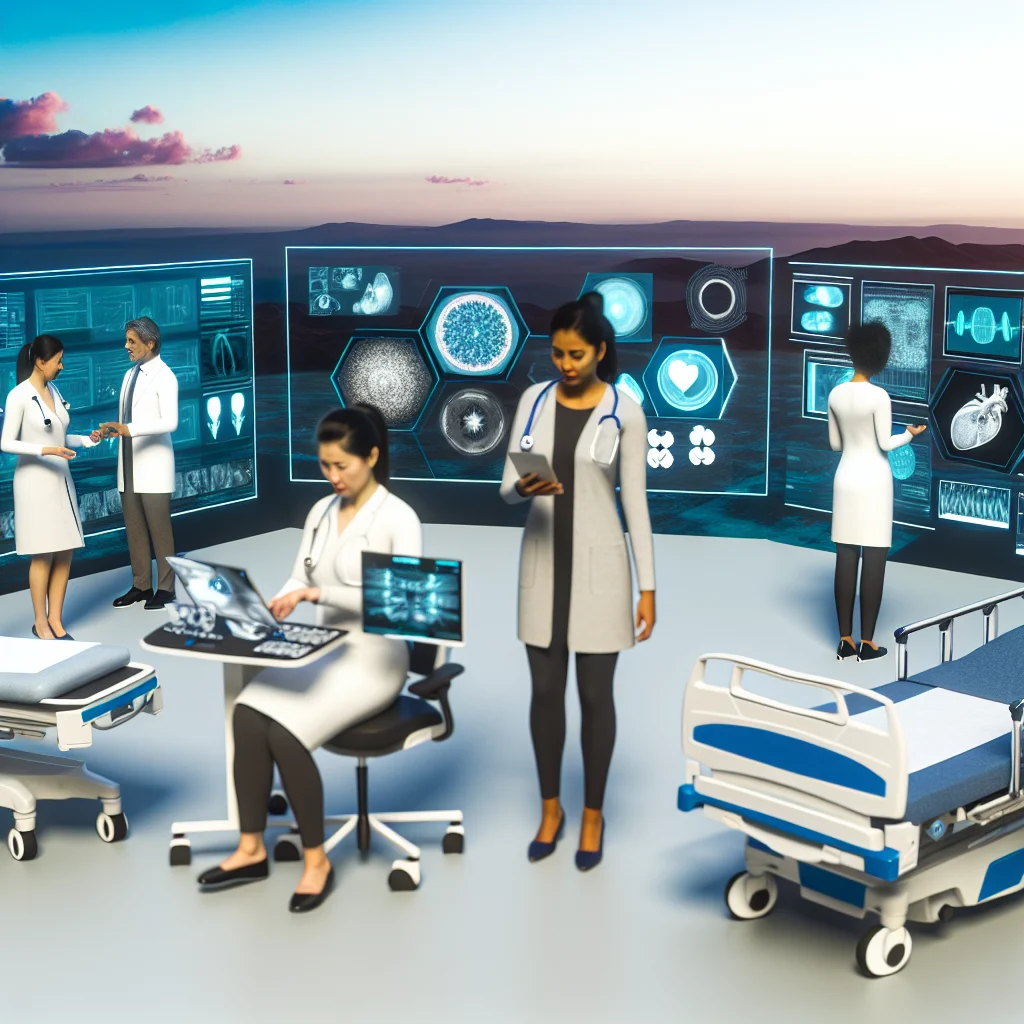
In the rapidly evolving landscape of healthcare, the integration of technology has become indispensable, particularly in the realm of medical data management. Electronic Health Records (EHR) systems have emerged as a cornerstone in this transformation, offering a robust platform for the efficient handling of patient information. As healthcare providers strive to enhance patient care and streamline operations, leveraging EHR systems effectively is paramount.
To begin with, EHR systems facilitate the seamless collection, storage, and retrieval of patient data, which is crucial for informed decision-making. By digitizing health records, these systems eliminate the inefficiencies associated with paper-based documentation, thereby reducing the risk of errors and enhancing the accuracy of patient information. This digital transformation not only improves the quality of care but also ensures that healthcare providers have immediate access to comprehensive patient histories, enabling them to make timely and informed clinical decisions.
Moreover, EHR systems play a pivotal role in enhancing communication and collaboration among healthcare professionals. By providing a centralized repository of patient data, these systems enable different departments and specialists to access and share information effortlessly. This interconnectedness fosters a more coordinated approach to patient care, as healthcare teams can collaborate more effectively, leading to improved patient outcomes. For instance, when a patient is referred to a specialist, the seamless transfer of medical records through an EHR system ensures continuity of care and reduces the likelihood of redundant tests or procedures.
In addition to improving clinical workflows, EHR systems also contribute significantly to the administrative efficiency of healthcare organizations. By automating routine tasks such as appointment scheduling, billing, and insurance claims processing, these systems free up valuable time for healthcare staff, allowing them to focus more on patient care. Furthermore, the integration of EHR systems with other healthcare technologies, such as telemedicine platforms and patient portals, enhances the overall patient experience by providing convenient access to healthcare services and personal health information.
However, the successful implementation and utilization of EHR systems are not without challenges. One of the primary concerns is ensuring the security and privacy of patient data. As healthcare organizations increasingly rely on digital systems, they must implement robust cybersecurity measures to protect sensitive information from unauthorized access and data breaches. This requires ongoing investment in advanced security technologies and the continuous training of staff to recognize and mitigate potential threats.
Another challenge lies in the interoperability of EHR systems. With numerous vendors offering diverse solutions, achieving seamless data exchange between different systems can be complex. To address this issue, healthcare organizations must prioritize the adoption of standardized protocols and frameworks that facilitate interoperability, ensuring that patient data can be shared across different platforms without compromising its integrity.
In conclusion, the effective leveraging of EHR systems is crucial for the advancement of medical data management in healthcare. By enhancing the accuracy, accessibility, and security of patient information, these systems play a vital role in improving patient care and operational efficiency. As the healthcare industry continues to embrace digital transformation, addressing the challenges associated with EHR implementation will be essential to unlocking their full potential. Through strategic investments in technology and a commitment to fostering a culture of collaboration and innovation, healthcare organizations can harness the power of EHR systems to drive meaningful improvements in patient care and outcomes.
Health IT Trends: Transforming Healthcare Systems
In recent years, the integration of information technology into healthcare systems has revolutionized the way medical services are delivered, managed, and perceived. This transformation is not merely a trend but a fundamental shift that is reshaping the landscape of healthcare. As we delve into the intricacies of this evolution, it becomes evident that the adoption of health IT is driven by the need for efficiency, accuracy, and improved patient outcomes.
One of the most significant impacts of health IT is the enhancement of electronic health records (EHRs). EHRs have become the backbone of modern healthcare systems, providing a comprehensive digital version of a patient’s paper chart. They are designed to be shared across different healthcare settings, ensuring that patient information is accessible to authorized users whenever needed. This accessibility not only facilitates better coordination among healthcare providers but also reduces the likelihood of errors, thereby improving patient safety.
Moreover, the integration of health IT has paved the way for telemedicine, which has gained unprecedented momentum, especially in the wake of the COVID-19 pandemic. Telemedicine allows healthcare professionals to evaluate, diagnose, and treat patients remotely, using telecommunications technology. This approach has proven invaluable in extending healthcare services to remote and underserved areas, where access to medical facilities may be limited. Additionally, telemedicine offers the convenience of reducing travel time and associated costs for patients, making healthcare more accessible and efficient.
Furthermore, the rise of wearable technology and mobile health applications has empowered patients to take a more active role in managing their health. Devices such as fitness trackers and smartwatches monitor vital signs and physical activity, providing users with real-time data about their health status. This information can be shared with healthcare providers, enabling more personalized and proactive care. Consequently, patients are becoming more engaged in their health management, leading to better adherence to treatment plans and healthier lifestyles.
In addition to patient-centered technologies, health IT is also transforming the administrative aspects of healthcare systems. Automation of routine tasks, such as appointment scheduling and billing, has streamlined operations, reducing administrative burdens on healthcare staff. This efficiency allows healthcare providers to focus more on patient care rather than paperwork, ultimately enhancing the overall quality of service.
However, the integration of health IT is not without challenges. Concerns about data privacy and security are paramount, as the digitization of health records increases the risk of cyberattacks and unauthorized access. Healthcare organizations must invest in robust cybersecurity measures to protect sensitive patient information and maintain trust in digital health solutions.
Moreover, the implementation of health IT requires significant investment in infrastructure and training. Healthcare providers must be equipped with the necessary skills to effectively utilize new technologies, which can be a daunting task for institutions with limited resources. Despite these challenges, the potential benefits of health IT far outweigh the drawbacks, making it an indispensable component of modern healthcare systems.
In conclusion, the transformation of healthcare systems through information technology is a dynamic and ongoing process. As health IT continues to evolve, it promises to enhance the quality, accessibility, and efficiency of healthcare services. By embracing these technological advancements, healthcare systems can better meet the needs of patients and providers alike, ultimately leading to improved health outcomes and a more sustainable healthcare ecosystem.
Tech Integration: Revolutionizing Healthcare Systems
The integration of technology into healthcare systems has revolutionized the way medical services are delivered, enhancing both efficiency and patient outcomes. As healthcare systems continue to evolve, the role of technology becomes increasingly pivotal, offering innovative solutions to longstanding challenges. One of the most significant advancements in this domain is the implementation of electronic health records (EHRs), which have transformed the way patient information is stored and accessed. EHRs facilitate seamless communication among healthcare providers, ensuring that patient data is readily available and up-to-date, thereby reducing the likelihood of medical errors and improving the quality of care.
Moreover, the advent of telemedicine has further exemplified the transformative power of technology in healthcare. By enabling remote consultations, telemedicine has expanded access to medical services, particularly for individuals residing in rural or underserved areas. This technological advancement not only reduces the need for travel but also allows for more timely interventions, which can be critical in managing chronic conditions or addressing acute health issues. As a result, telemedicine has become an indispensable tool in modern healthcare systems, offering a convenient and efficient alternative to traditional in-person visits.
In addition to EHRs and telemedicine, the integration of artificial intelligence (AI) into healthcare systems has opened new avenues for diagnosis and treatment. AI algorithms can analyze vast amounts of data with remarkable speed and accuracy, assisting healthcare professionals in identifying patterns and making informed decisions. For instance, AI-powered diagnostic tools can detect anomalies in medical imaging, such as X-rays or MRIs, with a level of precision that rivals human expertise. This not only accelerates the diagnostic process but also enhances the accuracy of diagnoses, ultimately leading to better patient outcomes.
Furthermore, the use of wearable technology has gained traction in recent years, providing patients and healthcare providers with real-time health data. Devices such as smartwatches and fitness trackers monitor vital signs, physical activity, and other health metrics, empowering individuals to take a proactive role in managing their health. This continuous stream of data enables healthcare providers to monitor patients remotely, facilitating early detection of potential health issues and allowing for timely interventions. Consequently, wearable technology has become an integral component of preventive healthcare, promoting healthier lifestyles and reducing the burden on healthcare systems.
Despite these advancements, the integration of technology into healthcare systems is not without its challenges. Data security and privacy concerns remain paramount, as the digitization of health records increases the risk of unauthorized access and data breaches. Healthcare organizations must implement robust cybersecurity measures to protect sensitive patient information and maintain trust in digital health solutions. Additionally, the adoption of new technologies requires significant investment in infrastructure and training, which can be a barrier for some healthcare providers.
Nevertheless, the benefits of technology integration in healthcare systems far outweigh the challenges, offering a promising future for the industry. As technology continues to advance, it is essential for healthcare systems to adapt and embrace these innovations, ensuring that they are leveraged to their full potential. By doing so, healthcare providers can enhance the quality of care, improve patient outcomes, and ultimately create a more efficient and effective healthcare system. In conclusion, the integration of technology into healthcare systems is revolutionizing the industry, paving the way for a new era of medical care that is more accessible, efficient, and patient-centered.
Unlock the future of healthcare with cutting-edge IT insights! Discover how advanced healthcare systems are transforming patient care and operational efficiency. [Learn more](https://comptss.com) today!