The Future Of Digital Dentistry: Embracing Modern IT Strategies
The future of digital dentistry is poised for remarkable transformation as modern IT strategies continue to integrate with dental technology, creating a seamless and efficient environment for both practitioners and patients. As the dental industry evolves, the adoption of advanced IT solutions is becoming increasingly essential, not only to enhance patient care but also to streamline operations and improve overall practice management. This convergence of technology and dentistry is paving the way for a new era of dental care, characterized by precision, efficiency, and enhanced patient experiences.
One of the most significant advancements in digital dentistry is the implementation of electronic health records (EHRs). These digital records have revolutionized the way dental practices manage patient information, allowing for easy access, secure storage, and efficient sharing of data among healthcare providers. EHRs facilitate a more coordinated approach to patient care, enabling dentists to make informed decisions based on comprehensive patient histories. Moreover, the integration of EHRs with other digital tools, such as imaging systems and practice management software, further enhances the efficiency and accuracy of dental procedures.
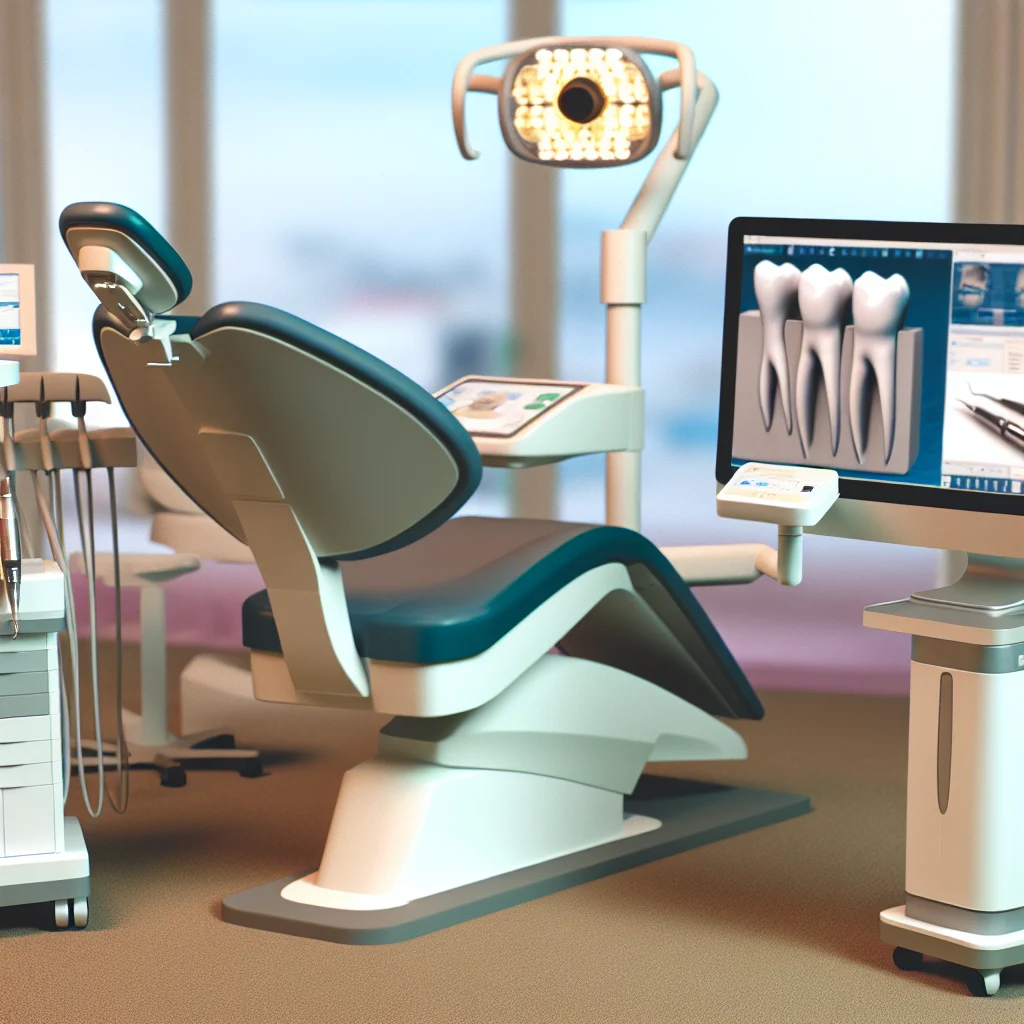
In addition to EHRs, the use of digital imaging technologies, such as 3D imaging and intraoral scanners, is transforming diagnostic and treatment planning processes. These technologies provide dentists with highly detailed and accurate images, allowing for precise diagnosis and treatment planning. The ability to visualize complex dental structures in three dimensions enhances the dentist’s ability to identify issues that may not be visible through traditional methods. Furthermore, digital imaging reduces the need for physical impressions, improving patient comfort and reducing the time required for certain procedures.
The integration of artificial intelligence (AI) into dental practices is another promising development in digital dentistry. AI-powered tools can analyze vast amounts of data quickly and accurately, assisting dentists in diagnosing conditions and predicting treatment outcomes. For instance, AI algorithms can identify patterns in dental images that may indicate early signs of decay or other issues, enabling proactive intervention. Additionally, AI can optimize practice management by automating routine tasks, such as appointment scheduling and billing, allowing dental professionals to focus more on patient care.
Cloud computing is also playing a crucial role in the modernization of dental practices. By storing data in the cloud, dental practices can ensure secure and reliable access to patient information from any location. This flexibility is particularly beneficial for practices with multiple locations or for dentists who need to access patient records remotely. Cloud-based solutions also offer scalability, allowing practices to easily expand their IT infrastructure as their needs grow.
Moreover, the rise of tele-dentistry is reshaping the way dental care is delivered. Through virtual consultations, patients can receive expert advice and preliminary diagnoses without the need for an in-person visit. This approach not only increases access to dental care, especially for those in remote areas, but also reduces the burden on physical dental facilities. Tele-dentistry, supported by robust IT infrastructure, is becoming an integral part of comprehensive dental care strategies.
In conclusion, the future of digital dentistry is being shaped by the integration of modern IT strategies, which are enhancing the efficiency, accuracy, and accessibility of dental care. As technology continues to advance, dental practices that embrace these innovations will be better positioned to provide high-quality care and improve patient outcomes. The ongoing collaboration between dental professionals and IT experts will be essential in navigating this evolving landscape, ensuring that the benefits of digital dentistry are fully realized.
Enhancing Practice Security Through Advanced Dental Technology
In the rapidly evolving landscape of dental technology, the integration of advanced IT strategies has become paramount in enhancing practice security. As dental practices increasingly rely on digital solutions to streamline operations and improve patient care, the need for robust security measures has never been more critical. This intersection of dental technology and IT strategies not only safeguards sensitive patient information but also fortifies the overall integrity of dental practices.
To begin with, the adoption of electronic health records (EHRs) has revolutionized the way dental practices manage patient information. EHRs offer a centralized platform for storing and accessing patient data, facilitating seamless communication among dental professionals. However, this digital convenience comes with the responsibility of ensuring that these records are protected against unauthorized access and data breaches. Implementing advanced encryption methods and multi-factor authentication are essential strategies that dental practices can employ to enhance the security of EHRs. By doing so, they can ensure that patient information remains confidential and secure from potential cyber threats.
Moreover, the integration of cloud-based solutions in dental practices has further underscored the importance of robust security measures. Cloud computing offers numerous benefits, such as scalability, cost-effectiveness, and remote access to data. However, it also presents unique security challenges that must be addressed. Dental practices should collaborate with reputable cloud service providers that adhere to stringent security standards and offer comprehensive data protection measures. Regular security audits and vulnerability assessments can help identify potential weaknesses in the system, allowing practices to proactively address any issues before they escalate.
In addition to these technological advancements, the role of staff training in enhancing practice security cannot be overstated. Dental professionals must be well-versed in the latest security protocols and best practices to effectively safeguard patient information. Regular training sessions and workshops can equip staff with the knowledge and skills needed to recognize and respond to potential security threats. By fostering a culture of security awareness, dental practices can significantly reduce the risk of data breaches and ensure that all team members are aligned with the practice’s security objectives.
Furthermore, the implementation of advanced dental technology, such as digital imaging systems and intraoral scanners, has transformed the way dental procedures are conducted. These technologies not only improve diagnostic accuracy and treatment outcomes but also necessitate stringent security measures to protect the data they generate. Ensuring that these devices are equipped with the latest security features and regularly updated with software patches is crucial in preventing unauthorized access and data leaks.
As dental practices continue to embrace digital transformation, the importance of a comprehensive IT strategy becomes increasingly evident. A well-defined IT strategy should encompass not only the implementation of advanced technologies but also the establishment of a robust security framework. This includes developing a comprehensive incident response plan to address potential security breaches swiftly and effectively. By doing so, dental practices can minimize the impact of any security incidents and maintain the trust of their patients.
In conclusion, the integration of advanced dental technology and modern IT strategies plays a pivotal role in enhancing practice security. By adopting robust security measures, investing in staff training, and developing a comprehensive IT strategy, dental practices can protect sensitive patient information and ensure the integrity of their operations. As the digital landscape continues to evolve, staying ahead of potential security threats will be essential in maintaining the trust and confidence of patients in the modern dental practice.
Cloud Integration In Dental Practices: A Modern IT Approach
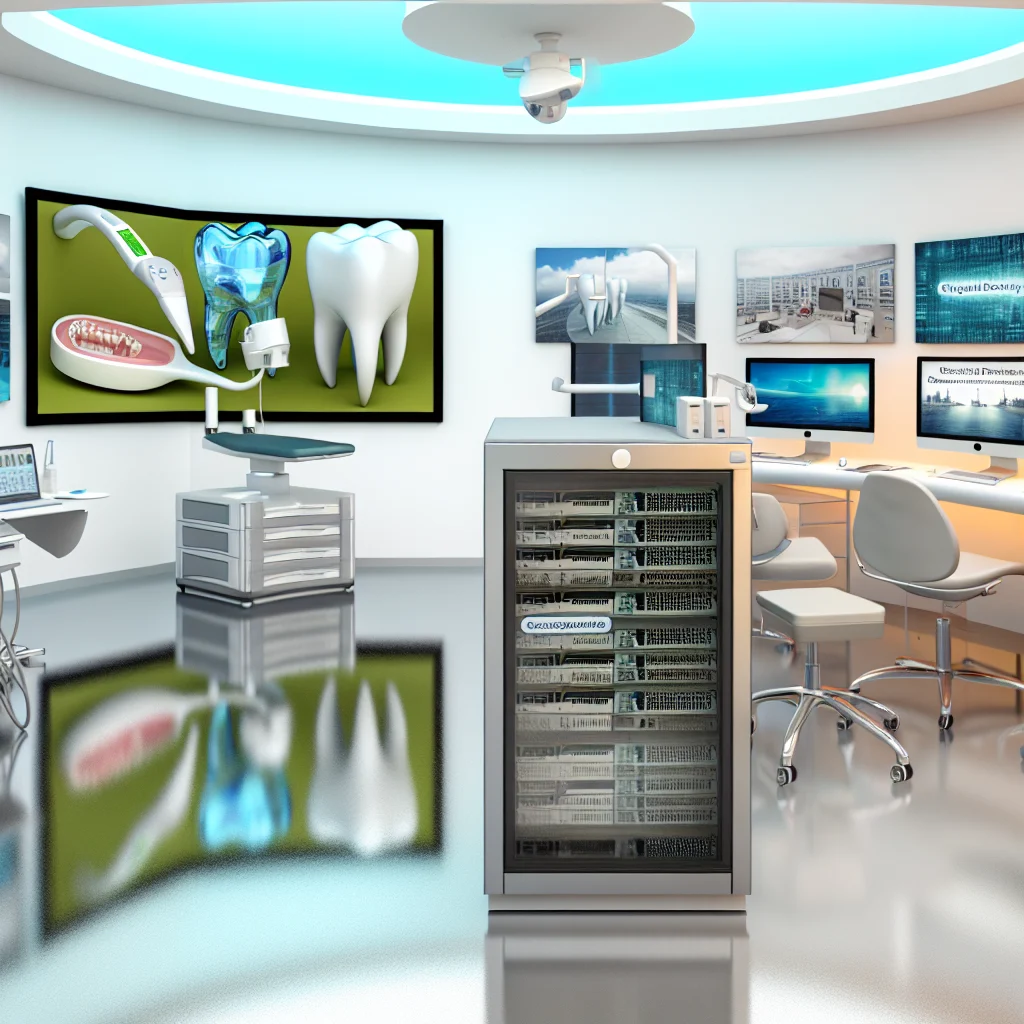
In the rapidly evolving landscape of dental technology, the integration of cloud computing has emerged as a pivotal strategy for modern dental practices. As dental professionals seek to enhance operational efficiency and improve patient care, cloud integration offers a robust solution that addresses many of the challenges faced by traditional IT systems. By leveraging cloud-based platforms, dental practices can streamline their operations, enhance data security, and facilitate seamless communication, thereby transforming the way they deliver care.
One of the primary advantages of cloud integration in dental practices is the ability to access patient data and practice management tools from any location with an internet connection. This flexibility is particularly beneficial for practices with multiple locations or for dental professionals who need to access information remotely. By storing data in the cloud, dental practices can ensure that patient records are consistently updated and accessible, reducing the risk of data discrepancies and enhancing the continuity of care. Moreover, cloud-based systems often come with advanced security features, such as encryption and multi-factor authentication, which help protect sensitive patient information from unauthorized access.
In addition to improving data accessibility and security, cloud integration can significantly enhance collaboration among dental professionals. With cloud-based platforms, dentists, hygienists, and administrative staff can easily share information and coordinate care, leading to more efficient workflows and improved patient outcomes. For instance, treatment plans and diagnostic images can be shared in real-time, allowing for more informed decision-making and timely interventions. This level of collaboration is particularly important in complex cases that require input from multiple specialists, as it ensures that all team members are on the same page and can contribute their expertise effectively.
Furthermore, cloud integration supports the scalability of dental practices, allowing them to adapt to changing needs without the constraints of traditional IT infrastructure. As a practice grows, cloud-based systems can be easily expanded to accommodate additional users and increased data storage requirements. This scalability is not only cost-effective but also ensures that dental practices can continue to operate efficiently as they expand their services and patient base. Additionally, cloud solutions often come with automatic updates and maintenance, reducing the burden on in-house IT staff and ensuring that the practice is always using the latest technology.
Another significant benefit of cloud integration is the potential for enhanced patient engagement. With cloud-based patient portals, individuals can access their dental records, schedule appointments, and communicate with their dental care team from the comfort of their own homes. This level of convenience can lead to increased patient satisfaction and loyalty, as patients appreciate the ease of managing their dental care. Moreover, by providing patients with access to their health information, dental practices can empower individuals to take a more active role in their oral health, leading to better long-term outcomes.
In conclusion, cloud integration represents a modern IT approach that offers numerous benefits for dental practices. By enhancing data accessibility, security, collaboration, scalability, and patient engagement, cloud-based systems can transform the way dental professionals deliver care. As the dental industry continues to evolve, embracing cloud technology will be essential for practices seeking to remain competitive and provide the highest quality of care to their patients. Through strategic cloud integration, dental practices can position themselves at the forefront of innovation, ensuring that they are well-equipped to meet the demands of the future.
Navigating IT Upgrades For Optimal Dental Software Performance
In the rapidly evolving landscape of dental technology, the integration of modern IT strategies is paramount for ensuring optimal software performance. As dental practices increasingly rely on sophisticated software solutions to enhance patient care and streamline operations, navigating IT upgrades becomes a critical component of maintaining efficiency and competitiveness. The process of upgrading IT systems, however, is not without its challenges. It requires a strategic approach that balances the need for cutting-edge technology with the practical considerations of cost, training, and system compatibility.
To begin with, understanding the specific needs of a dental practice is essential when planning IT upgrades. Each practice has unique requirements based on its size, patient demographics, and the types of services offered. Therefore, a thorough assessment of current systems and future needs is the first step in the upgrade process. This involves evaluating existing software and hardware, identifying any performance bottlenecks, and determining the potential benefits of new technologies. By conducting a comprehensive needs analysis, dental practices can prioritize upgrades that will deliver the most significant improvements in efficiency and patient care.
Once the needs assessment is complete, the next step is to explore the available technology options. The dental software market is vast, with numerous vendors offering a wide range of solutions. It is crucial to select software that not only meets the current needs of the practice but also has the flexibility to adapt to future changes. This requires careful consideration of factors such as scalability, integration capabilities, and vendor support. Additionally, practices should seek out software that complies with industry standards and regulations, ensuring that patient data is protected and that the practice remains in compliance with legal requirements.
Transitioning to new software can be a complex process, and effective change management is vital to its success. Staff training is a critical component of this transition, as it ensures that all team members are proficient in using the new systems. Comprehensive training programs should be implemented to cover all aspects of the software, from basic functionality to advanced features. Moreover, ongoing support and resources should be available to address any questions or issues that arise post-implementation. By investing in thorough training and support, practices can minimize disruptions and maximize the benefits of their new IT systems.
In addition to training, it is important to establish a clear timeline for the upgrade process. This includes setting realistic deadlines for each phase of the transition, from initial planning to full implementation. A well-defined timeline helps to keep the project on track and ensures that all stakeholders are aligned with the practice’s goals. Furthermore, regular communication with staff and patients about the upgrade process can help to manage expectations and reduce any potential anxiety associated with the changes.
Finally, it is essential to continuously monitor and evaluate the performance of upgraded systems. This involves tracking key performance indicators to assess the impact of the new technology on practice operations and patient outcomes. Regular reviews allow practices to identify any areas for improvement and make necessary adjustments to optimize performance. By maintaining a proactive approach to IT management, dental practices can ensure that their technology investments continue to deliver value over the long term.
In conclusion, navigating IT upgrades for optimal dental software performance requires a strategic and comprehensive approach. By understanding the specific needs of the practice, selecting the right technology, managing the transition effectively, and continuously evaluating system performance, dental practices can harness the power of modern IT strategies to enhance patient care and operational efficiency.
Ensuring Dental Compliance With Cutting-Edge IT Solutions
In the rapidly evolving landscape of dental technology, ensuring compliance with industry regulations is paramount. Dental practices are increasingly relying on cutting-edge IT solutions to navigate the complex web of compliance requirements. As the dental industry integrates more advanced technologies, the need for robust IT strategies becomes even more critical. These strategies not only help in maintaining compliance but also enhance the overall efficiency and security of dental operations.
One of the primary concerns for dental practices is adhering to the Health Insurance Portability and Accountability Act (HIPAA). This legislation mandates the protection of patient information, making it essential for dental practices to implement IT solutions that safeguard sensitive data. Advanced encryption methods, secure data storage, and regular security audits are some of the IT strategies that can help dental practices remain compliant. By employing these technologies, dental practices can ensure that patient data is protected from unauthorized access and potential breaches.
Moreover, the integration of electronic health records (EHRs) has revolutionized the way dental practices manage patient information. EHRs streamline the documentation process, making it easier for dental professionals to access and update patient records. However, the transition to digital records also necessitates stringent IT measures to ensure compliance. Implementing secure access controls and regular software updates are crucial steps in maintaining the integrity and confidentiality of EHRs. These measures not only comply with regulatory standards but also foster trust between patients and dental providers.
In addition to data protection, dental practices must also focus on maintaining the functionality and reliability of their IT systems. Downtime or technical failures can disrupt operations and potentially lead to non-compliance with regulatory requirements. Therefore, investing in reliable IT infrastructure and support services is essential. Regular system maintenance, timely software updates, and proactive monitoring can prevent technical issues and ensure that dental practices operate smoothly. By minimizing disruptions, dental practices can focus on delivering quality care while remaining compliant with industry standards.
Furthermore, the rise of telehealth services in dentistry has introduced new compliance challenges. As more dental practices offer virtual consultations, ensuring the security and privacy of these interactions is crucial. IT solutions that provide secure communication channels and protect patient data during virtual consultations are vital. By adopting these technologies, dental practices can expand their services while adhering to compliance requirements.
Training and education also play a significant role in ensuring compliance within dental practices. Staff members must be well-versed in the latest IT solutions and compliance protocols. Regular training sessions and workshops can keep dental professionals informed about new technologies and regulatory changes. By fostering a culture of compliance, dental practices can mitigate risks and enhance their reputation in the industry.
In conclusion, the integration of cutting-edge IT solutions is essential for dental practices to ensure compliance with industry regulations. From safeguarding patient data to maintaining reliable IT systems, these strategies are crucial in navigating the complexities of modern dental operations. As technology continues to advance, dental practices must remain vigilant and proactive in adopting IT solutions that not only meet compliance standards but also enhance the quality of care provided to patients. By doing so, they can position themselves as leaders in the dental industry, committed to excellence and compliance in equal measure.
Discover the latest in dental technology and modern IT strategies with our comprehensive guide, “Dental IT Insights: Dental Technology and Modern IT Strategies.” Enhance your practice’s efficiency and patient care today! Learn more.