Enhancing Clinical Support Through Advanced Tech Integration in Healthcare Systems
In the rapidly evolving landscape of healthcare, the integration of advanced technology into clinical support systems has become a pivotal strategy for enhancing patient care and operational efficiency. As healthcare systems strive to meet the increasing demands of patient populations, the adoption of modern IT strategies is proving indispensable. This integration not only streamlines processes but also significantly improves the quality of care provided to patients.
One of the primary ways advanced technology is enhancing clinical support is through the implementation of electronic health records (EHRs). EHRs have revolutionized the way patient information is stored, accessed, and utilized. By digitizing patient records, healthcare providers can easily access comprehensive patient histories, which facilitates more accurate diagnoses and personalized treatment plans. Moreover, EHRs enable seamless communication between different departments and healthcare facilities, ensuring that patient information is consistently up-to-date and accessible to all relevant parties.
In addition to EHRs, telemedicine has emerged as a critical component of modern healthcare IT strategies. Telemedicine leverages digital communication tools to provide remote clinical services, thereby expanding access to care for patients in underserved or rural areas. This technology not only reduces the need for in-person visits but also allows healthcare providers to monitor patients’ conditions in real-time, leading to more timely interventions. Furthermore, telemedicine platforms often incorporate features such as video consultations and secure messaging, which enhance patient engagement and satisfaction.
Another significant advancement in healthcare IT is the use of artificial intelligence (AI) and machine learning algorithms. These technologies are being employed to analyze vast amounts of healthcare data, uncovering patterns and insights that were previously inaccessible. AI-driven tools can assist clinicians in making more informed decisions by predicting patient outcomes, identifying potential complications, and suggesting optimal treatment pathways. For instance, AI algorithms can analyze medical images with remarkable accuracy, aiding radiologists in detecting abnormalities that might be missed by the human eye.
Moreover, the integration of wearable technology into healthcare systems is transforming how patient data is collected and utilized. Wearable devices, such as smartwatches and fitness trackers, continuously monitor vital signs and other health metrics, providing healthcare providers with real-time data on patients’ conditions. This continuous monitoring allows for early detection of potential health issues and facilitates proactive management of chronic diseases. As a result, patients can enjoy improved health outcomes and a higher quality of life.
Despite these advancements, the integration of advanced technology into healthcare systems is not without challenges. Ensuring data security and patient privacy remains a top priority, as the increased digitization of health information presents new vulnerabilities. Healthcare organizations must implement robust cybersecurity measures to protect sensitive data from breaches and unauthorized access. Additionally, there is a need for ongoing training and support for healthcare professionals to effectively utilize these technologies and adapt to the changing landscape.
In conclusion, the integration of advanced technology into clinical support systems is reshaping the healthcare industry, offering numerous benefits in terms of efficiency, accessibility, and quality of care. As healthcare systems continue to embrace modern IT strategies, they are better equipped to meet the evolving needs of patients and deliver superior healthcare services. By addressing the challenges associated with technology integration, healthcare organizations can ensure that these innovations lead to sustainable improvements in patient care and outcomes.
EHR Innovations: Transforming Healthcare Systems with Modern IT Strategies
The integration of Electronic Health Records (EHR) into healthcare systems has revolutionized the way medical information is managed, accessed, and utilized. As healthcare systems continue to evolve, modern IT strategies are playing a pivotal role in enhancing the efficiency and effectiveness of EHR systems. These innovations are not only transforming the administrative aspects of healthcare but are also significantly impacting patient care and outcomes.
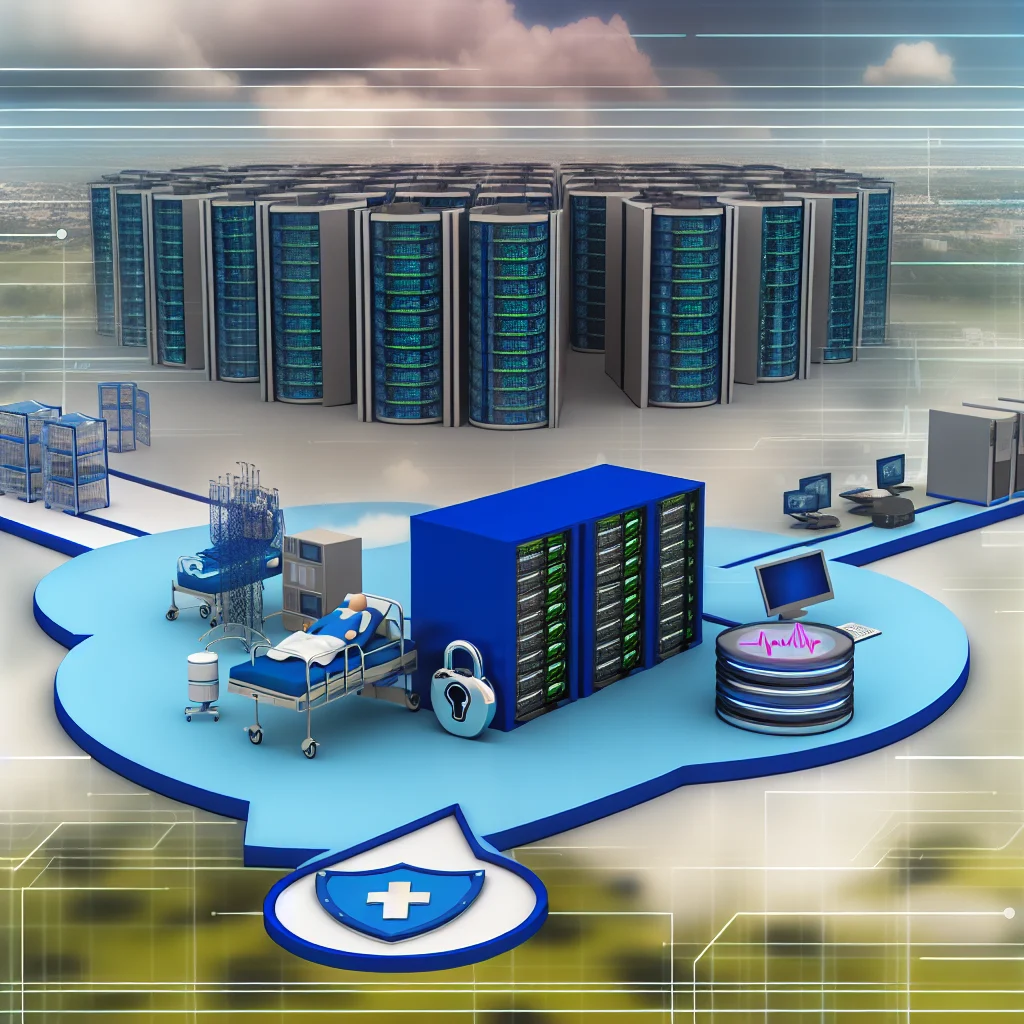
One of the most significant advancements in EHR systems is the incorporation of cloud-based solutions. By leveraging cloud technology, healthcare providers can ensure that patient data is stored securely while being easily accessible from any location. This accessibility is crucial for facilitating seamless communication and collaboration among healthcare professionals, especially in multi-disciplinary teams. Moreover, cloud-based EHR systems offer scalability, allowing healthcare organizations to adjust their data storage needs as they grow, without the need for substantial infrastructure investments.
In addition to cloud computing, artificial intelligence (AI) is increasingly being integrated into EHR systems to enhance data analysis and decision-making processes. AI algorithms can sift through vast amounts of patient data to identify patterns and trends that may not be immediately apparent to human clinicians. This capability is particularly beneficial in predictive analytics, where AI can help forecast patient outcomes and identify those at risk of developing certain conditions. Consequently, healthcare providers can implement preventive measures more effectively, ultimately improving patient care and reducing costs.
Furthermore, interoperability remains a critical focus in the evolution of EHR systems. Modern IT strategies are emphasizing the importance of creating systems that can communicate seamlessly with one another, regardless of the platform or vendor. This interoperability ensures that patient data can be shared across different healthcare settings, providing a comprehensive view of a patient’s medical history. As a result, healthcare providers can make more informed decisions, reducing the likelihood of errors and improving the continuity of care.
Another area where modern IT strategies are making a significant impact is in enhancing the user experience for healthcare professionals. EHR systems are being designed with more intuitive interfaces and user-friendly features, reducing the administrative burden on clinicians and allowing them to focus more on patient care. By streamlining workflows and minimizing the time spent on data entry, these innovations contribute to increased productivity and job satisfaction among healthcare workers.
Moreover, the integration of telemedicine capabilities into EHR systems is transforming how healthcare services are delivered. Telemedicine allows patients to consult with healthcare providers remotely, increasing access to care, particularly for those in rural or underserved areas. By incorporating telemedicine into EHR systems, healthcare providers can maintain comprehensive records of virtual consultations, ensuring continuity of care and facilitating follow-up treatments.
In conclusion, the ongoing innovations in EHR systems, driven by modern IT strategies, are reshaping the landscape of healthcare. By embracing cloud computing, artificial intelligence, interoperability, user-friendly designs, and telemedicine integration, healthcare systems are becoming more efficient, effective, and patient-centered. These advancements not only enhance the quality of care but also contribute to the sustainability of healthcare systems in an increasingly digital world. As technology continues to evolve, it is imperative for healthcare organizations to remain agile and adaptive, ensuring that they can harness the full potential of these innovations to improve patient outcomes and operational efficiency.
Navigating Health IT Trends: Key Strategies for Effective Tech Integration
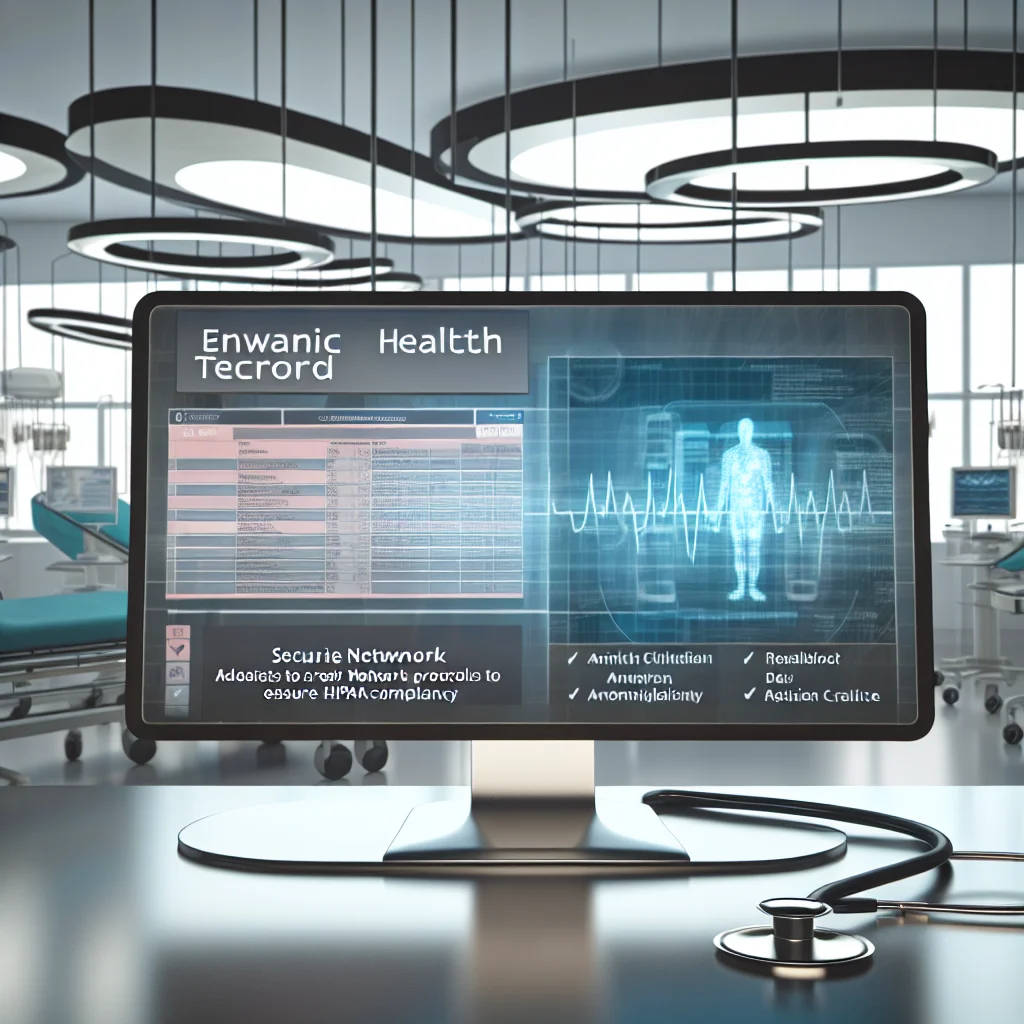
In the rapidly evolving landscape of healthcare, the integration of modern IT strategies has become a pivotal component in enhancing the efficiency and effectiveness of healthcare systems. As healthcare organizations strive to improve patient outcomes and streamline operations, understanding and navigating the latest health IT trends is essential. The adoption of electronic health records (EHRs), telemedicine, and data analytics are just a few examples of how technology is reshaping the healthcare industry. To effectively integrate these technologies, healthcare providers must employ strategic approaches that align with their organizational goals and patient care objectives.
One of the primary strategies for successful tech integration in healthcare is the implementation of comprehensive electronic health records systems. EHRs have revolutionized the way patient information is stored, accessed, and shared among healthcare professionals. By digitizing patient records, healthcare providers can ensure that critical information is readily available, thereby reducing the risk of errors and improving the quality of care. However, the transition to EHRs requires careful planning and training to ensure that staff are proficient in using the new systems. Additionally, interoperability between different EHR systems is crucial to facilitate seamless information exchange across various healthcare settings.
In addition to EHRs, telemedicine has emerged as a significant trend in healthcare IT, offering patients greater access to medical services while reducing the need for in-person visits. The COVID-19 pandemic accelerated the adoption of telemedicine, highlighting its potential to provide convenient and cost-effective care. For healthcare organizations looking to integrate telemedicine into their services, it is important to invest in secure and user-friendly platforms that protect patient privacy and comply with regulatory standards. Furthermore, training healthcare professionals to effectively communicate and diagnose patients remotely is essential to ensure the success of telemedicine initiatives.
Data analytics is another critical component of modern healthcare IT strategies. By harnessing the power of big data, healthcare organizations can gain valuable insights into patient populations, treatment outcomes, and operational efficiencies. Advanced analytics tools enable providers to identify trends, predict patient needs, and make informed decisions that enhance care delivery. However, the integration of data analytics requires a robust IT infrastructure and skilled personnel who can interpret and act on the data. As such, investing in the necessary technology and training is vital for healthcare organizations aiming to leverage data analytics effectively.
Moreover, cybersecurity remains a top priority as healthcare systems become increasingly digitized. Protecting sensitive patient information from cyber threats is paramount, and healthcare organizations must implement comprehensive security measures to safeguard their IT systems. This includes regular security assessments, employee training on data protection practices, and the adoption of advanced security technologies. By prioritizing cybersecurity, healthcare providers can build trust with patients and ensure the integrity of their IT systems.
In conclusion, the integration of modern IT strategies in healthcare systems is a multifaceted process that requires careful planning, investment, and ongoing evaluation. By focusing on key areas such as electronic health records, telemedicine, data analytics, and cybersecurity, healthcare organizations can navigate the complex landscape of health IT trends and achieve successful tech integration. As technology continues to advance, staying informed and adaptable will be crucial for healthcare providers seeking to enhance patient care and operational efficiency through innovative IT solutions.
Ensuring HIPAA Compliance in the Era of Digital Medical Data
In the rapidly evolving landscape of healthcare, the integration of information technology has become indispensable. As healthcare systems increasingly rely on digital solutions to enhance patient care and streamline operations, ensuring compliance with the Health Insurance Portability and Accountability Act (HIPAA) has become a paramount concern. HIPAA, enacted in 1996, was designed to protect sensitive patient information from unauthorized access and disclosure. However, the advent of digital medical data has introduced new challenges and complexities in maintaining compliance.
To begin with, the digitization of medical records has transformed how healthcare providers store, access, and share patient information. Electronic Health Records (EHRs) have replaced traditional paper records, offering numerous advantages such as improved accessibility, enhanced coordination of care, and reduced administrative burdens. Nevertheless, this digital shift necessitates robust security measures to safeguard patient data. Healthcare organizations must implement comprehensive IT strategies that encompass data encryption, secure access controls, and regular audits to ensure that patient information remains confidential and secure.
Moreover, the proliferation of mobile devices and telehealth services has further complicated the landscape of HIPAA compliance. As healthcare providers increasingly utilize smartphones, tablets, and other mobile devices to access and transmit patient data, the risk of data breaches has escalated. To mitigate these risks, organizations must establish stringent mobile device management policies. These policies should include guidelines for secure data transmission, remote data wiping capabilities, and regular security updates to protect against vulnerabilities.
In addition to mobile devices, the rise of telehealth services has introduced new dimensions to HIPAA compliance. Telehealth platforms enable healthcare providers to deliver care remotely, offering convenience and accessibility to patients. However, these platforms must adhere to the same stringent security standards as traditional healthcare systems. Ensuring that telehealth services are HIPAA-compliant involves selecting platforms that offer end-to-end encryption, secure user authentication, and comprehensive audit trails to monitor access and usage.
Furthermore, the increasing reliance on third-party vendors for data storage and processing presents additional challenges in maintaining HIPAA compliance. Healthcare organizations often partner with cloud service providers to store and manage vast amounts of patient data. It is crucial for these organizations to conduct thorough due diligence when selecting vendors, ensuring that they adhere to HIPAA regulations and implement robust security measures. Establishing Business Associate Agreements (BAAs) with these vendors is essential to delineate responsibilities and ensure accountability in protecting patient information.
Transitioning to a more proactive approach, healthcare organizations must prioritize employee training and awareness to bolster HIPAA compliance. Human error remains a significant factor in data breaches, often resulting from inadequate training or lack of awareness regarding security protocols. Regular training sessions and workshops can equip healthcare staff with the knowledge and skills necessary to identify potential threats and respond effectively. By fostering a culture of security awareness, organizations can significantly reduce the risk of data breaches and enhance overall compliance.
In conclusion, ensuring HIPAA compliance in the era of digital medical data requires a multifaceted approach that encompasses robust IT strategies, secure mobile and telehealth solutions, diligent vendor management, and comprehensive employee training. As healthcare systems continue to evolve and embrace digital innovations, maintaining the confidentiality and security of patient information must remain a top priority. By adopting these strategies, healthcare organizations can navigate the complexities of the digital age while upholding the principles of patient privacy and data protection.
Optimizing Healthcare Systems: The Role of IT in Modern Clinical Support
In the rapidly evolving landscape of healthcare, the integration of information technology (IT) into clinical support systems has become a pivotal factor in optimizing healthcare delivery. As healthcare systems strive to enhance patient outcomes, reduce costs, and improve operational efficiency, modern IT strategies are increasingly being recognized as essential components in achieving these goals. The role of IT in clinical support is multifaceted, encompassing everything from electronic health records (EHRs) to advanced data analytics, and its impact is profound.
To begin with, electronic health records have revolutionized the way patient information is stored, accessed, and utilized. By digitizing patient records, healthcare providers can ensure that critical information is readily available to authorized personnel, thereby facilitating more informed decision-making. This accessibility not only enhances the quality of care but also reduces the likelihood of errors that can occur with paper-based systems. Moreover, EHRs enable seamless communication between different healthcare providers, ensuring continuity of care as patients move through various stages of treatment.
In addition to EHRs, the implementation of advanced data analytics in healthcare systems has opened new avenues for optimizing clinical support. By harnessing the power of big data, healthcare providers can identify patterns and trends that were previously hidden. This capability allows for more accurate diagnoses, personalized treatment plans, and predictive modeling that can anticipate patient needs before they arise. For instance, predictive analytics can help identify patients at high risk of readmission, enabling healthcare providers to implement targeted interventions that can prevent unnecessary hospital stays.
Furthermore, the integration of IT in healthcare systems extends to the realm of telemedicine, which has gained significant traction in recent years. Telemedicine leverages technology to provide remote clinical services, thereby increasing access to care for patients in underserved or rural areas. This approach not only expands the reach of healthcare services but also reduces the burden on physical healthcare facilities. As a result, telemedicine has become an invaluable tool in optimizing healthcare systems, particularly in times of crisis such as the COVID-19 pandemic.
Another critical aspect of IT in modern clinical support is the use of artificial intelligence (AI) and machine learning. These technologies have the potential to transform healthcare by automating routine tasks, enhancing diagnostic accuracy, and even assisting in surgical procedures. For example, AI algorithms can analyze medical images with remarkable precision, aiding radiologists in detecting abnormalities that might be missed by the human eye. Additionally, machine learning models can continuously learn and improve from new data, ensuring that healthcare systems remain at the cutting edge of medical advancements.
Despite the numerous benefits, the integration of IT into healthcare systems is not without challenges. Issues such as data security, patient privacy, and the need for significant investment in infrastructure and training must be addressed to fully realize the potential of IT in clinical support. Nevertheless, as technology continues to advance, the opportunities for optimizing healthcare systems through IT are boundless.
In conclusion, the role of IT in modern clinical support is indispensable in the quest to optimize healthcare systems. From electronic health records and data analytics to telemedicine and artificial intelligence, IT strategies are reshaping the way healthcare is delivered. By embracing these technologies, healthcare providers can enhance patient care, improve operational efficiency, and ultimately achieve better health outcomes for all. As we move forward, it is imperative that healthcare systems continue to innovate and adapt, ensuring that they remain responsive to the ever-changing needs of patients and providers alike.
Unlock the future of healthcare with cutting-edge IT strategies! Discover how modern technology is transforming healthcare systems. Dive into Healthcare IT Insights now! Learn More