HIPAA Compliance: Ensuring Privacy in Modern Healthcare Systems
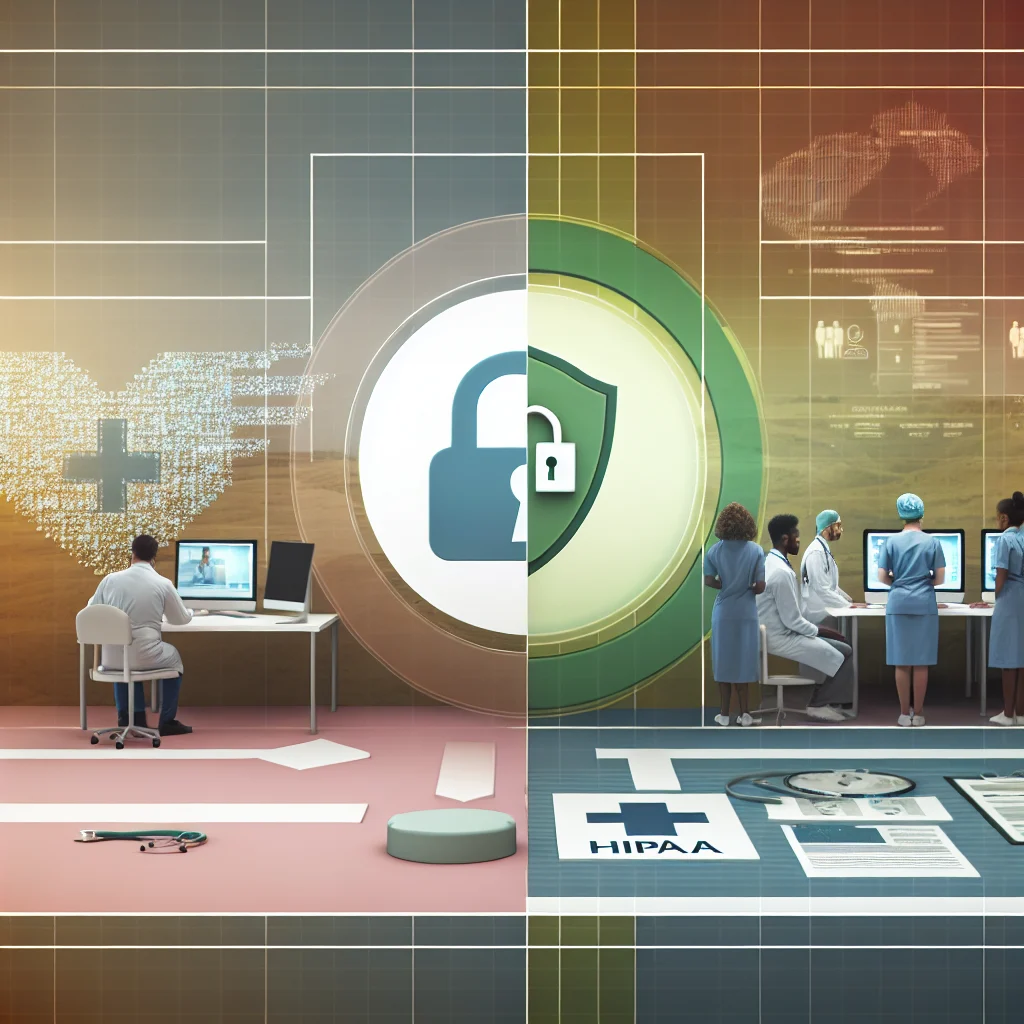
In the rapidly evolving landscape of healthcare, the integration of modern IT strategies has become indispensable. As healthcare systems increasingly rely on digital solutions to enhance patient care and operational efficiency, the importance of safeguarding patient information has never been more critical. The Health Insurance Portability and Accountability Act (HIPAA) serves as a cornerstone in ensuring the privacy and security of patient data within these modern healthcare systems. Understanding HIPAA compliance is essential for healthcare providers and IT professionals alike, as it provides a framework for protecting sensitive health information in an era where data breaches and cyber threats are prevalent.
HIPAA, enacted in 1996, was designed to address the growing need for privacy and security in healthcare. It establishes national standards for the protection of individually identifiable health information, known as protected health information (PHI). As healthcare systems adopt electronic health records (EHRs) and other digital tools, the scope of HIPAA compliance has expanded to encompass a wide range of IT strategies. This includes the implementation of robust security measures, such as encryption, access controls, and regular audits, to ensure that PHI is adequately protected against unauthorized access and disclosure.
One of the key components of HIPAA compliance is the Privacy Rule, which sets standards for the use and disclosure of PHI. This rule mandates that healthcare providers, health plans, and clearinghouses implement policies and procedures to safeguard patient information. In the context of modern IT strategies, this means that healthcare organizations must ensure that their digital systems are designed with privacy in mind. For instance, access to EHRs should be restricted to authorized personnel only, and any sharing of PHI should be conducted in a manner that minimizes the risk of exposure.
In addition to the Privacy Rule, the Security Rule is another critical aspect of HIPAA compliance. This rule specifically addresses the technical and physical safeguards required to protect electronic PHI (ePHI). As healthcare systems increasingly rely on cloud-based solutions and mobile devices, the Security Rule necessitates the implementation of advanced security measures. Encryption, for example, is a vital tool in protecting ePHI during transmission and storage. Furthermore, regular risk assessments and security audits are essential to identify potential vulnerabilities and ensure that appropriate measures are in place to mitigate them.
The advent of telemedicine and remote patient monitoring has further underscored the need for stringent HIPAA compliance. These technologies, while offering significant benefits in terms of accessibility and convenience, also present unique challenges in terms of data security. Healthcare providers must ensure that their telehealth platforms are HIPAA-compliant, employing secure communication channels and robust authentication processes to protect patient information.
Moreover, the role of IT professionals in maintaining HIPAA compliance cannot be overstated. They are tasked with designing and implementing systems that not only meet regulatory requirements but also adapt to the ever-changing technological landscape. Continuous education and training are crucial for IT staff to stay abreast of the latest developments in cybersecurity and data protection.
In conclusion, HIPAA compliance remains a fundamental aspect of modern healthcare systems, ensuring that patient privacy is upheld in an increasingly digital world. As healthcare organizations continue to adopt innovative IT strategies, they must remain vigilant in their efforts to protect sensitive health information. By adhering to HIPAA regulations and implementing comprehensive security measures, healthcare providers can foster trust and confidence among patients, ultimately enhancing the quality of care delivered.
Integrating EHR Systems: Strategies for Seamless Tech Integration in Healthcare
In the rapidly evolving landscape of healthcare, the integration of Electronic Health Record (EHR) systems has become a pivotal component in enhancing patient care and operational efficiency. As healthcare organizations strive to modernize their IT strategies, the seamless integration of EHR systems presents both opportunities and challenges. Understanding the intricacies of this integration is essential for healthcare providers aiming to optimize their technological infrastructure.
To begin with, the integration of EHR systems requires a comprehensive approach that considers the unique needs of each healthcare facility. It is crucial to conduct a thorough assessment of existing IT infrastructure to identify potential gaps and areas for improvement. This assessment should involve key stakeholders, including IT professionals, healthcare providers, and administrative staff, to ensure a holistic understanding of the organization’s requirements. By fostering collaboration among these groups, healthcare organizations can develop a strategic plan that aligns with their specific goals and objectives.
Moreover, selecting the right EHR system is a critical step in the integration process. With a myriad of options available, healthcare organizations must evaluate systems based on their functionality, interoperability, and scalability. Interoperability, in particular, is a key consideration, as it ensures that the EHR system can seamlessly communicate with other healthcare technologies and platforms. This capability is essential for facilitating the exchange of patient information across different departments and even between different healthcare providers, ultimately leading to improved patient outcomes.
Once an appropriate EHR system is selected, the next phase involves meticulous planning and execution of the integration process. This includes data migration, which is often one of the most challenging aspects of EHR integration. Ensuring data accuracy and integrity during this transition is paramount, as any discrepancies can have significant implications for patient care. Employing robust data validation and verification processes can mitigate these risks and ensure a smooth transition.
In addition to technical considerations, the human element of EHR integration cannot be overlooked. Training and support for healthcare staff are vital to the successful adoption of new systems. Comprehensive training programs should be implemented to familiarize staff with the functionalities of the EHR system and to address any concerns or challenges they may encounter. Ongoing support and feedback mechanisms can further enhance user confidence and proficiency, thereby facilitating a smoother integration process.
Furthermore, continuous evaluation and optimization of the EHR system are necessary to ensure its long-term success. Regular audits and performance assessments can identify areas for improvement and inform necessary adjustments. By maintaining a proactive approach to system optimization, healthcare organizations can adapt to evolving technological advancements and regulatory requirements, ensuring that their EHR systems remain effective and compliant.
In conclusion, the integration of EHR systems into healthcare settings is a complex but essential endeavor that requires careful planning, execution, and ongoing management. By adopting a strategic approach that encompasses technical, organizational, and human factors, healthcare organizations can achieve seamless EHR integration. This not only enhances operational efficiency but also significantly improves patient care, ultimately contributing to the overarching goal of advancing healthcare delivery in the modern era. As technology continues to evolve, the ability to effectively integrate and leverage EHR systems will remain a cornerstone of successful healthcare IT strategies.
Clinical Support Tools: Enhancing Patient Care with Advanced Health IT
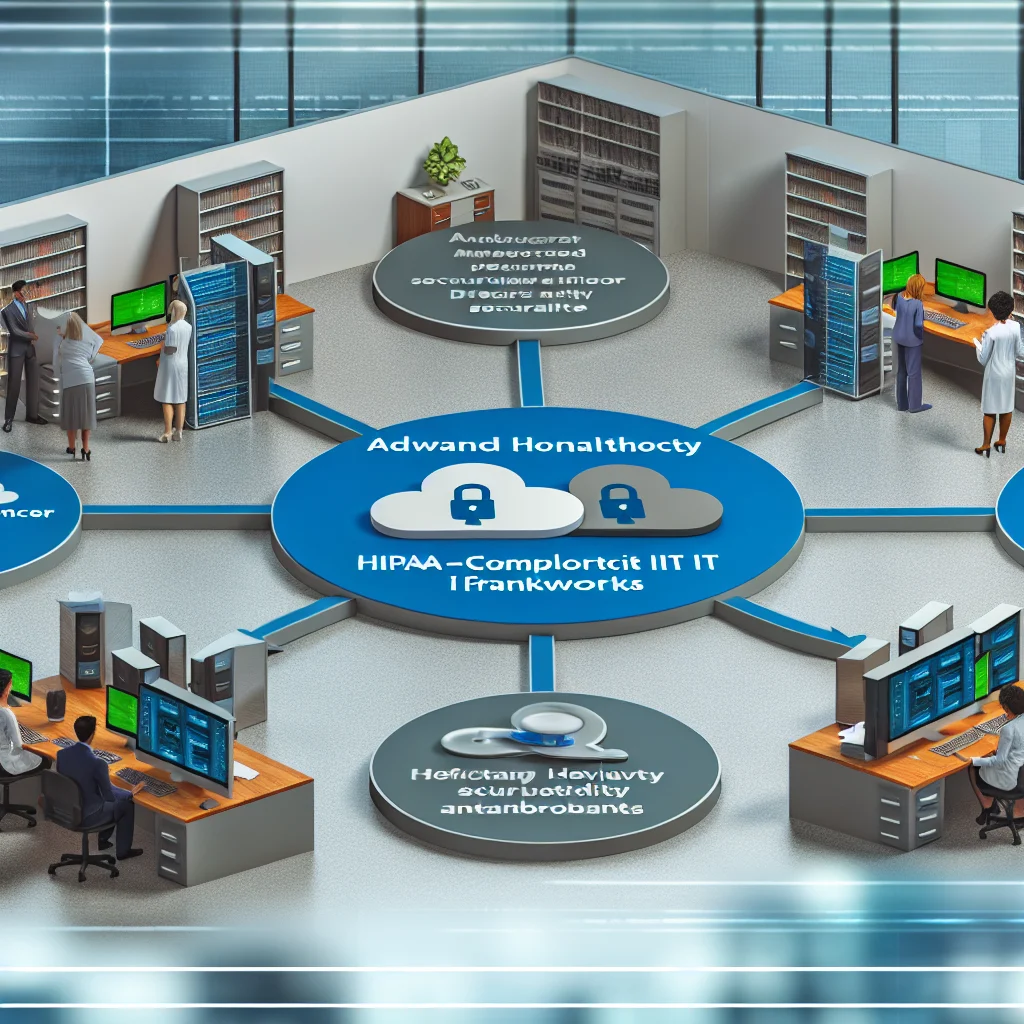
In the rapidly evolving landscape of healthcare, the integration of advanced information technology has become indispensable in enhancing patient care. Clinical support tools, a pivotal component of health IT, are at the forefront of this transformation. These tools, which encompass a wide range of applications from electronic health records (EHRs) to decision support systems, are designed to assist healthcare professionals in making informed decisions, ultimately improving patient outcomes.
One of the primary benefits of clinical support tools is their ability to provide real-time access to patient data. This immediate availability of information allows healthcare providers to make timely and accurate decisions, reducing the likelihood of errors. For instance, EHRs consolidate patient information, including medical history, medications, and test results, into a single, easily accessible platform. This comprehensive view of a patient’s health status enables clinicians to tailor treatment plans more effectively, ensuring that each patient receives personalized care.
Moreover, clinical decision support systems (CDSS) play a crucial role in enhancing diagnostic accuracy. By leveraging algorithms and evidence-based guidelines, these systems offer recommendations that aid clinicians in diagnosing complex conditions. For example, CDSS can analyze patient data and suggest potential diagnoses or flag potential drug interactions, thereby reducing the risk of adverse events. This not only enhances patient safety but also boosts the confidence of healthcare providers in their clinical judgments.
In addition to improving diagnostic accuracy, clinical support tools facilitate better communication and collaboration among healthcare teams. With integrated IT systems, information can be seamlessly shared across different departments and specialties, fostering a more coordinated approach to patient care. This interconnectedness is particularly beneficial in managing chronic diseases, where multidisciplinary teams must work together to develop and implement comprehensive care plans. By ensuring that all team members have access to the same up-to-date information, clinical support tools help eliminate redundancies and streamline workflows.
Furthermore, the implementation of advanced health IT solutions has significant implications for patient engagement. With the advent of patient portals and mobile health applications, patients are now more empowered to take an active role in their healthcare journey. These platforms enable patients to access their health records, schedule appointments, and communicate with their healthcare providers, all from the convenience of their devices. This increased engagement not only enhances patient satisfaction but also encourages adherence to treatment plans, leading to better health outcomes.
Despite the numerous advantages, the integration of clinical support tools into healthcare systems is not without challenges. Issues such as data privacy, interoperability, and the need for ongoing training and support must be addressed to fully realize the potential of these technologies. Ensuring that patient data is secure and that different IT systems can communicate effectively is crucial for maintaining trust and maximizing the benefits of health IT.
In conclusion, clinical support tools represent a significant advancement in the realm of healthcare IT, offering numerous benefits that enhance patient care. By providing real-time access to information, improving diagnostic accuracy, facilitating communication, and empowering patients, these tools are transforming the way healthcare is delivered. As technology continues to evolve, it is imperative for healthcare systems to adopt and adapt to these innovations, ensuring that they are equipped to meet the demands of modern patient care. Through strategic implementation and continuous improvement, clinical support tools have the potential to revolutionize healthcare, ultimately leading to a more efficient and effective healthcare system.
Emerging Health IT Trends: Transforming Medical Data Management
In recent years, the healthcare industry has witnessed a significant transformation driven by the integration of modern information technology strategies. This evolution is particularly evident in the realm of medical data management, where emerging health IT trends are reshaping how data is collected, stored, and utilized. As healthcare systems strive to improve patient outcomes and operational efficiency, the adoption of advanced IT solutions has become indispensable.
One of the most notable trends in medical data management is the increasing use of cloud computing. By leveraging cloud-based platforms, healthcare providers can store vast amounts of data securely and access it from anywhere, facilitating seamless collaboration among medical professionals. This shift not only enhances data accessibility but also reduces the costs associated with maintaining on-premises data centers. Moreover, cloud computing offers scalable solutions that can adapt to the growing data needs of healthcare organizations, ensuring that they remain agile in a rapidly changing environment.
In conjunction with cloud computing, the implementation of artificial intelligence (AI) and machine learning (ML) technologies is revolutionizing the way medical data is analyzed. These technologies enable healthcare providers to derive actionable insights from complex datasets, leading to more accurate diagnoses and personalized treatment plans. For instance, AI algorithms can identify patterns in patient data that may be indicative of certain health conditions, allowing for early intervention and improved patient outcomes. Furthermore, machine learning models can continuously learn from new data, enhancing their predictive capabilities over time.
Another emerging trend is the use of blockchain technology to enhance the security and integrity of medical data. Blockchain’s decentralized nature ensures that data is stored in a tamper-proof manner, providing an additional layer of security against cyber threats. This is particularly important in the healthcare sector, where data breaches can have severe consequences. By implementing blockchain, healthcare organizations can ensure that patient data remains confidential and is only accessible to authorized individuals.
The rise of telemedicine has also contributed to the transformation of medical data management. As more patients opt for virtual consultations, healthcare providers are tasked with managing an influx of digital health records. This shift necessitates robust IT systems capable of handling large volumes of data while ensuring compliance with privacy regulations. Telemedicine platforms often integrate with electronic health records (EHR) systems, streamlining the process of updating and retrieving patient information. This integration not only improves the efficiency of healthcare delivery but also enhances the patient experience by providing timely access to medical care.
Furthermore, the Internet of Medical Things (IoMT) is playing a pivotal role in transforming data management practices. IoMT devices, such as wearable health monitors and smart medical equipment, generate a continuous stream of real-time data. This data can be used to monitor patient health remotely, enabling proactive interventions and reducing the need for hospital visits. However, the proliferation of IoMT devices also presents challenges in terms of data integration and interoperability. To address these challenges, healthcare organizations are investing in advanced IT solutions that facilitate seamless data exchange across different platforms.
In conclusion, the landscape of medical data management is undergoing a profound transformation driven by emerging health IT trends. Cloud computing, artificial intelligence, blockchain technology, telemedicine, and the Internet of Medical Things are at the forefront of this evolution, offering innovative solutions to enhance data management practices. As healthcare systems continue to embrace these technologies, they are better equipped to deliver high-quality care, improve patient outcomes, and navigate the complexities of modern healthcare delivery.
Modern IT Strategies for Healthcare: Balancing Innovation and Compliance
In the rapidly evolving landscape of healthcare, the integration of modern IT strategies has become indispensable for enhancing patient care, streamlining operations, and ensuring compliance with regulatory standards. As healthcare systems increasingly rely on digital solutions, the challenge lies in balancing innovation with the stringent requirements of compliance. This delicate equilibrium is crucial for healthcare providers aiming to leverage technology while safeguarding patient data and adhering to legal mandates.
One of the primary drivers of modern IT strategies in healthcare is the need for improved patient outcomes. Advanced technologies such as electronic health records (EHRs), telemedicine, and artificial intelligence (AI) have revolutionized the way healthcare is delivered. EHRs, for instance, facilitate seamless access to patient information, enabling healthcare professionals to make informed decisions quickly. Telemedicine has expanded access to care, particularly in remote areas, by allowing patients to consult with specialists without the need for travel. Meanwhile, AI is being utilized to predict patient outcomes, personalize treatment plans, and even assist in diagnostic processes. These innovations not only enhance the quality of care but also contribute to operational efficiency.
However, the adoption of these technologies must be carefully managed to ensure compliance with regulations such as the Health Insurance Portability and Accountability Act (HIPAA) in the United States, the General Data Protection Regulation (GDPR) in Europe, and other regional data protection laws. These regulations are designed to protect patient privacy and ensure the security of sensitive health information. Consequently, healthcare organizations must implement robust cybersecurity measures to prevent data breaches and unauthorized access. This involves employing encryption, multi-factor authentication, and regular security audits to safeguard patient data.
Moreover, the integration of modern IT strategies necessitates a comprehensive understanding of the regulatory environment. Healthcare providers must stay informed about changes in legislation and ensure that their IT systems are adaptable to new compliance requirements. This often involves collaboration with legal experts and IT professionals to develop policies and procedures that align with current regulations. By fostering a culture of compliance, healthcare organizations can mitigate risks and avoid costly penalties associated with data breaches or non-compliance.
In addition to compliance, interoperability is a critical consideration in the implementation of modern IT strategies. The ability of different IT systems to communicate and exchange information seamlessly is essential for delivering coordinated care. Interoperability ensures that patient data can be shared across various platforms and healthcare providers, reducing redundancies and improving the continuity of care. To achieve this, healthcare organizations must adopt standardized protocols and invest in systems that support data exchange across diverse platforms.
Furthermore, the shift towards value-based care models underscores the importance of data analytics in modern healthcare IT strategies. By harnessing the power of big data, healthcare providers can gain insights into patient populations, identify trends, and optimize resource allocation. Data analytics enables healthcare organizations to measure performance, improve patient outcomes, and reduce costs. However, the use of data analytics must be balanced with privacy considerations, ensuring that patient information is anonymized and used ethically.
In conclusion, modern IT strategies in healthcare present a myriad of opportunities for innovation and improved patient care. However, the successful implementation of these strategies requires a careful balance between embracing technological advancements and adhering to compliance requirements. By prioritizing cybersecurity, interoperability, and data analytics, healthcare organizations can navigate the complexities of the digital age while maintaining the trust and confidence of their patients. As the healthcare industry continues to evolve, the integration of modern IT strategies will remain a pivotal factor in achieving sustainable and effective healthcare delivery.
Unlock the future of healthcare with cutting-edge IT strategies! Discover how modern technology is transforming healthcare systems. Dive into Healthcare IT Insights now! Learn more.