Understanding Zero Trust: A Modern Approach to Cybersecurity Audit
In the rapidly evolving landscape of digital technology, the concept of Zero Trust has emerged as a pivotal strategy in modern cybersecurity audits. As organizations increasingly rely on complex IT infrastructures, the traditional perimeter-based security models have become insufficient. This shift necessitates a more robust approach, where the Zero Trust model plays a crucial role. At its core, Zero Trust operates on the principle of “never trust, always verify,” which fundamentally changes how access to resources is managed and monitored.
The Zero Trust model is not merely a set of tools or technologies but a comprehensive framework that requires a paradigm shift in how organizations perceive and implement security. It emphasizes the importance of verifying every request as though it originates from an open network, regardless of whether it is inside or outside the organization’s perimeter. This approach is particularly relevant in today’s environment, where remote work and cloud services have blurred the traditional boundaries of corporate networks.
Implementing Zero Trust involves several key components, each contributing to a more secure and resilient IT strategy. One of the foundational elements is identity verification. In a Zero Trust architecture, every user and device must be authenticated and authorized before gaining access to any resource. This process often involves multi-factor authentication (MFA), which adds an additional layer of security by requiring users to provide two or more verification factors to gain access.
Another critical aspect of Zero Trust is the principle of least privilege. This principle ensures that users have the minimum level of access necessary to perform their duties, thereby reducing the risk of unauthorized access to sensitive information. By limiting access rights, organizations can minimize potential damage in the event of a security breach.
Moreover, continuous monitoring and real-time analytics are integral to the Zero Trust model. By constantly analyzing user behavior and network traffic, organizations can detect anomalies and potential threats more effectively. This proactive approach allows for swift responses to security incidents, thereby mitigating potential damage.
Transitioning to a Zero Trust architecture also involves re-evaluating existing security policies and practices. Organizations must conduct thorough cybersecurity audits to identify vulnerabilities and areas for improvement. These audits provide valuable insights into the current security posture and help in aligning IT strategies with the Zero Trust framework.
Furthermore, the integration of advanced technologies such as artificial intelligence (AI) and machine learning (ML) can enhance the effectiveness of Zero Trust strategies. These technologies can automate threat detection and response, providing organizations with the agility needed to address emerging threats promptly.
In conclusion, the adoption of a Zero Trust model represents a significant advancement in modern IT strategies. By focusing on identity verification, least privilege access, continuous monitoring, and leveraging advanced technologies, organizations can create a more secure and resilient digital environment. As cyber threats continue to evolve, embracing Zero Trust is not just an option but a necessity for organizations aiming to protect their assets and maintain trust with their stakeholders. Through comprehensive cybersecurity audits and strategic implementation, Zero Trust can transform how organizations approach security, ensuring they are well-equipped to face the challenges of the digital age.
Enhancing Endpoint Protection: Key Strategies for IT Compliance
In the rapidly evolving landscape of cybersecurity, ensuring robust endpoint protection has become a critical component of IT compliance strategies. As organizations increasingly rely on a diverse array of devices to conduct business, the need to secure these endpoints against potential threats has never been more pressing. Endpoint protection, therefore, is not merely a technical necessity but a fundamental aspect of maintaining compliance with various regulatory standards. To achieve this, organizations must adopt a comprehensive approach that integrates advanced technologies, employee training, and continuous monitoring.
One of the primary strategies for enhancing endpoint protection is the implementation of advanced threat detection and response systems. These systems leverage artificial intelligence and machine learning to identify and mitigate threats in real-time. By analyzing patterns and behaviors, they can detect anomalies that may indicate a security breach, allowing IT teams to respond swiftly and effectively. This proactive approach not only helps in preventing data breaches but also ensures that organizations remain compliant with regulations that mandate the protection of sensitive information.
In addition to technological solutions, employee training plays a pivotal role in strengthening endpoint security. Human error remains one of the most significant vulnerabilities in any cybersecurity framework. Therefore, educating employees about best practices, such as recognizing phishing attempts and using secure passwords, is essential. Regular training sessions and updates on the latest cybersecurity threats can empower employees to act as the first line of defense against potential attacks. Moreover, fostering a culture of security awareness within the organization can significantly reduce the risk of accidental data breaches.
Furthermore, the adoption of a zero-trust security model can greatly enhance endpoint protection. This approach operates on the principle of “never trust, always verify,” meaning that no device or user is automatically trusted, regardless of whether they are inside or outside the network perimeter. By continuously verifying the identity and integrity of devices and users, organizations can minimize the risk of unauthorized access. Implementing multi-factor authentication and strict access controls are integral components of a zero-trust strategy, ensuring that only authorized personnel can access sensitive data and systems.
Continuous monitoring and regular audits are also crucial for maintaining endpoint security and compliance. By continuously monitoring network activity and conducting regular security audits, organizations can identify vulnerabilities and address them before they are exploited by malicious actors. These audits not only help in assessing the effectiveness of existing security measures but also ensure that organizations remain compliant with evolving regulatory requirements. Additionally, maintaining detailed logs of network activity can aid in forensic investigations in the event of a security incident, providing valuable insights into the nature and scope of the breach.
Finally, collaboration with external cybersecurity experts can provide organizations with an added layer of protection. Engaging with third-party security firms for regular assessments and penetration testing can help identify potential weaknesses that may have been overlooked internally. These experts can offer valuable recommendations and insights, ensuring that the organization’s endpoint protection strategies are aligned with the latest industry standards and best practices.
In conclusion, enhancing endpoint protection is a multifaceted endeavor that requires a combination of advanced technologies, employee education, strategic frameworks, and continuous vigilance. By adopting these key strategies, organizations can not only safeguard their endpoints against emerging threats but also ensure compliance with the stringent requirements of modern IT regulations. As the cybersecurity landscape continues to evolve, staying ahead of potential threats through proactive measures will be essential for maintaining the integrity and security of organizational data.
Firewall Setup Best Practices: Strengthening Your Network Against Intrusion
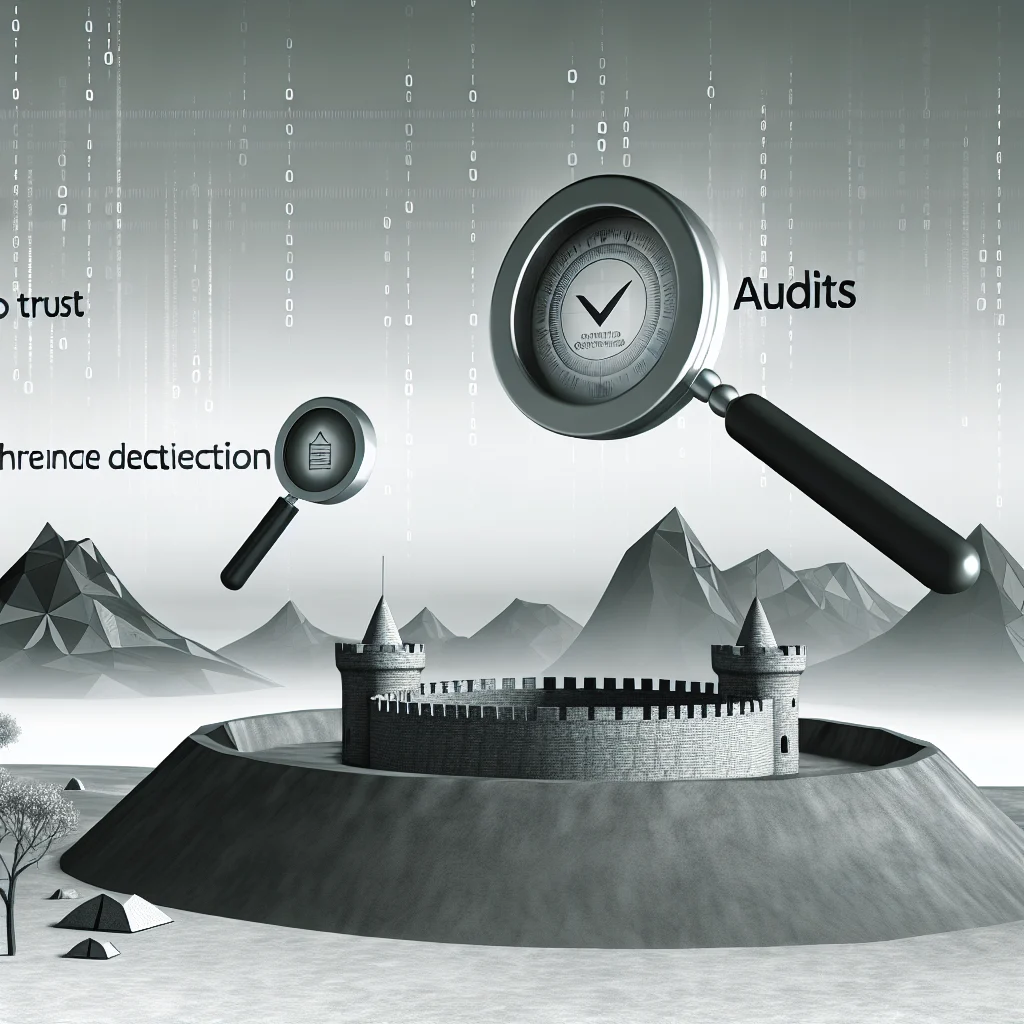
In the ever-evolving landscape of cybersecurity, the importance of a robust firewall setup cannot be overstated. As organizations increasingly rely on digital infrastructure, the need to protect sensitive data from unauthorized access becomes paramount. A well-configured firewall serves as the first line of defense against potential intrusions, making it an essential component of any comprehensive cybersecurity strategy. To ensure optimal protection, it is crucial to adhere to best practices in firewall setup, thereby strengthening your network against potential threats.
To begin with, understanding the types of firewalls available is fundamental. Firewalls can be broadly categorized into hardware and software firewalls, each serving distinct purposes. Hardware firewalls are physical devices that filter traffic between your network and the internet, while software firewalls are installed on individual devices to protect them from internal and external threats. Selecting the appropriate type of firewall depends on the specific needs and architecture of your network. For larger organizations, a combination of both hardware and software firewalls often provides the most comprehensive protection.
Once the appropriate firewall type is selected, the next step involves configuring it to align with your organization’s security policies. This process begins with defining clear and precise rules that dictate which traffic is allowed or denied access to the network. It is advisable to adopt a default-deny policy, where all traffic is blocked by default, and only explicitly permitted traffic is allowed through. This approach minimizes the risk of unauthorized access and ensures that only legitimate traffic is processed.
Moreover, regular updates and patches are critical to maintaining the effectiveness of your firewall. Cyber threats are constantly evolving, and outdated firewall software can become a vulnerability. By keeping your firewall up to date, you ensure that it is equipped to handle the latest threats. Additionally, enabling logging and monitoring features allows for real-time analysis of network traffic, providing valuable insights into potential security incidents. This proactive approach enables swift responses to any anomalies, thereby mitigating potential damage.
In addition to these technical configurations, it is essential to consider the human element in firewall management. Training staff on the importance of cybersecurity and the role of firewalls in protecting the network is vital. Employees should be aware of the potential risks associated with bypassing firewall protocols and the importance of adhering to established security policies. By fostering a culture of cybersecurity awareness, organizations can significantly reduce the likelihood of human error leading to security breaches.
Furthermore, conducting regular audits and assessments of your firewall setup is crucial. These evaluations help identify any weaknesses or misconfigurations that could be exploited by malicious actors. By routinely reviewing and updating firewall rules and configurations, organizations can ensure that their defenses remain robust and effective against emerging threats.
In conclusion, a well-implemented firewall setup is a cornerstone of modern IT strategies aimed at safeguarding networks from intrusion. By selecting the appropriate firewall type, configuring it according to best practices, and maintaining it through regular updates and audits, organizations can significantly enhance their cybersecurity posture. Coupled with employee training and awareness, these measures create a formidable barrier against potential cyber threats, ensuring the integrity and confidentiality of sensitive data. As cyber threats continue to evolve, staying vigilant and proactive in firewall management remains a critical component of any successful cybersecurity strategy.
Advanced Threat Detection: Integrating Modern IT Strategies for Cybersecurity
In the rapidly evolving landscape of digital technology, the importance of robust cybersecurity measures cannot be overstated. As organizations increasingly rely on digital infrastructures, the threat landscape has expanded, necessitating advanced threat detection mechanisms. Integrating modern IT strategies into cybersecurity frameworks is essential for safeguarding sensitive information and ensuring operational continuity. A pivotal component of this integration is the cybersecurity audit, which serves as a comprehensive evaluation of an organization’s security posture.
A cybersecurity audit is a systematic examination of an organization’s information systems, policies, and procedures. It aims to identify vulnerabilities, assess the effectiveness of existing security measures, and ensure compliance with relevant regulations. By conducting regular audits, organizations can proactively address potential threats and enhance their overall security framework. This process not only helps in identifying weaknesses but also provides valuable insights into the effectiveness of current security strategies.
Incorporating modern IT strategies into cybersecurity audits can significantly enhance threat detection capabilities. One such strategy is the adoption of artificial intelligence (AI) and machine learning (ML) technologies. These technologies can analyze vast amounts of data in real-time, identifying patterns and anomalies that may indicate a security breach. By leveraging AI and ML, organizations can detect threats more quickly and accurately, reducing the time between detection and response.
Moreover, the integration of cloud computing into cybersecurity strategies offers numerous advantages. Cloud-based solutions provide scalability, flexibility, and cost-effectiveness, allowing organizations to adapt to changing threat landscapes. By utilizing cloud services, organizations can implement advanced security measures such as encryption, multi-factor authentication, and continuous monitoring. These measures not only protect data but also ensure that it is accessible only to authorized users.
Another critical aspect of modern IT strategies is the implementation of zero-trust architecture. This approach operates on the principle that no user or device should be trusted by default, regardless of whether they are inside or outside the network perimeter. By continuously verifying the identity and integrity of users and devices, zero-trust architecture minimizes the risk of unauthorized access and data breaches. This strategy is particularly effective in today’s environment, where remote work and mobile devices are prevalent.
Furthermore, the integration of threat intelligence into cybersecurity frameworks is essential for advanced threat detection. Threat intelligence involves the collection and analysis of data related to potential or existing threats. By staying informed about the latest threat trends and tactics, organizations can anticipate and mitigate risks more effectively. This proactive approach enables organizations to stay one step ahead of cybercriminals, reducing the likelihood of successful attacks.
In conclusion, the integration of modern IT strategies into cybersecurity frameworks is crucial for advanced threat detection. By conducting regular cybersecurity audits and leveraging technologies such as AI, cloud computing, zero-trust architecture, and threat intelligence, organizations can enhance their security posture and protect against evolving threats. As the digital landscape continues to change, staying informed and adaptable is essential for maintaining robust cybersecurity defenses. Through these efforts, organizations can ensure the confidentiality, integrity, and availability of their information systems, ultimately safeguarding their operations and reputation in an increasingly interconnected world.
Conducting a Comprehensive Cybersecurity Audit: Ensuring Robust IT Compliance
In today’s rapidly evolving digital landscape, the importance of conducting a comprehensive cybersecurity audit cannot be overstated. As organizations increasingly rely on technology to drive their operations, the need to ensure robust IT compliance has become paramount. A cybersecurity audit serves as a critical tool in this endeavor, providing a systematic evaluation of an organization’s information systems, policies, and procedures. By identifying vulnerabilities and assessing the effectiveness of existing security measures, a cybersecurity audit helps organizations safeguard their digital assets and maintain the trust of their stakeholders.
To begin with, a cybersecurity audit involves a thorough examination of an organization’s IT infrastructure. This includes evaluating hardware, software, networks, and data management practices. By scrutinizing these components, auditors can identify potential weaknesses that could be exploited by cybercriminals. Moreover, the audit process involves reviewing access controls and authentication mechanisms to ensure that only authorized personnel have access to sensitive information. This step is crucial in preventing unauthorized access and data breaches, which can have devastating consequences for an organization.
In addition to assessing technical aspects, a comprehensive cybersecurity audit also examines an organization’s policies and procedures. This involves reviewing security policies to ensure they are up-to-date and aligned with industry standards and regulations. Furthermore, auditors evaluate the effectiveness of incident response plans, which are essential for minimizing the impact of security breaches. By ensuring that these plans are well-documented and regularly tested, organizations can respond swiftly and effectively to cyber incidents, thereby reducing potential damage.
Another critical aspect of a cybersecurity audit is the evaluation of employee awareness and training programs. Human error remains one of the leading causes of security breaches, making it imperative for organizations to educate their staff on cybersecurity best practices. During the audit, auditors assess the effectiveness of training programs and recommend improvements where necessary. By fostering a culture of security awareness, organizations can significantly reduce the risk of human-related security incidents.
Furthermore, a cybersecurity audit provides valuable insights into an organization’s compliance with relevant laws and regulations. With the increasing complexity of regulatory requirements, such as the General Data Protection Regulation (GDPR) and the Health Insurance Portability and Accountability Act (HIPAA), organizations must ensure that they are meeting their legal obligations. Non-compliance can result in severe penalties and reputational damage. Therefore, a cybersecurity audit helps organizations identify areas of non-compliance and implement corrective measures to achieve full compliance.
In conclusion, conducting a comprehensive cybersecurity audit is an essential component of modern IT strategies. By systematically evaluating an organization’s IT infrastructure, policies, and employee awareness, a cybersecurity audit helps identify vulnerabilities and ensure robust IT compliance. Moreover, it provides organizations with the insights needed to enhance their security posture and protect their digital assets. As cyber threats continue to evolve, organizations must prioritize regular cybersecurity audits to stay ahead of potential risks and maintain the trust of their stakeholders. Through diligent auditing and continuous improvement, organizations can navigate the complexities of the digital age with confidence and resilience.
Enhance your organization’s security posture with our expert insights on cybersecurity audits and modern IT strategies. Discover more by visiting our website today!