Ransomware Explained: Understanding the Threat to Your Business
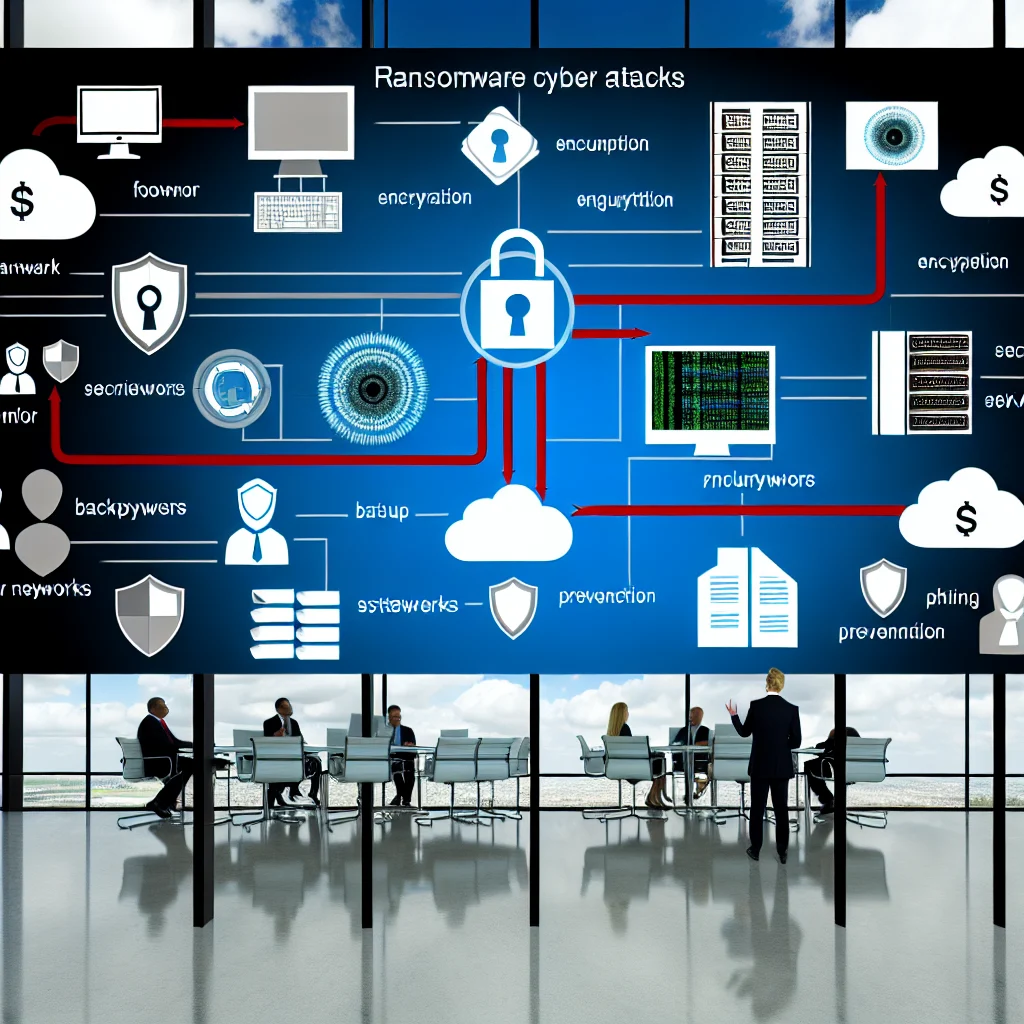
Ransomware has emerged as one of the most formidable threats to businesses in the digital age, posing significant risks to data integrity and operational continuity. This malicious software encrypts a victim’s files, rendering them inaccessible until a ransom is paid to the attacker. Understanding the nature of ransomware and its potential impact on businesses is crucial for developing effective strategies to mitigate this threat.
Initially, ransomware attacks were relatively unsophisticated, often targeting individual users. However, as cybercriminals have become more organized and technologically adept, businesses have increasingly become the primary targets. The financial incentives for attackers are substantial, as companies are often willing to pay large sums to regain access to critical data and resume normal operations. Consequently, the frequency and severity of ransomware attacks have escalated, making it imperative for businesses to understand the threat landscape.
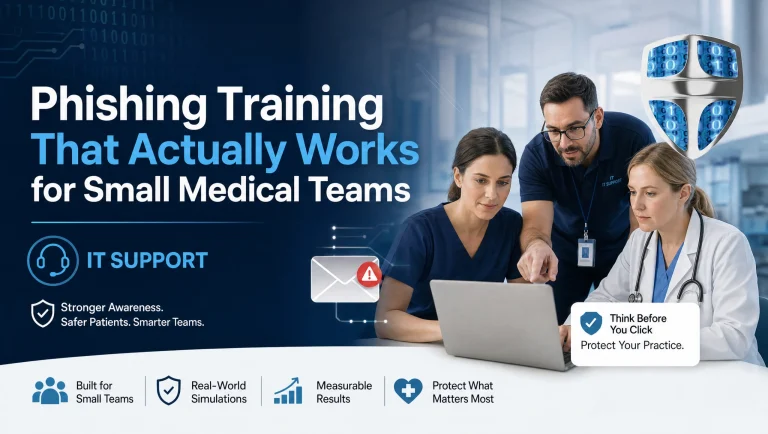
One of the primary reasons ransomware is so effective is its ability to exploit human vulnerabilities. Phishing emails, for instance, remain a common vector for ransomware distribution. These emails often appear legitimate, tricking employees into clicking on malicious links or downloading infected attachments. Once the ransomware is activated, it can spread rapidly across a network, encrypting files and demanding payment. Therefore, educating employees about the dangers of phishing and implementing robust email filtering systems are essential steps in preventing ransomware infections.
In addition to human vulnerabilities, technical weaknesses in a company’s IT infrastructure can also be exploited by ransomware. Outdated software, unpatched systems, and inadequate security protocols create opportunities for attackers to infiltrate networks. Regularly updating software and systems, conducting vulnerability assessments, and implementing strong access controls are critical measures to fortify a business’s defenses against ransomware.
Moreover, the rise of ransomware-as-a-service (RaaS) has lowered the barrier to entry for cybercriminals, enabling even those with limited technical skills to launch attacks. This development has contributed to the proliferation of ransomware incidents, as attackers can easily access sophisticated tools and support from RaaS providers. Consequently, businesses must remain vigilant and proactive in their cybersecurity efforts, continuously adapting to the evolving threat landscape.
To effectively protect against ransomware, businesses should adopt a multi-layered security approach. This includes implementing advanced threat detection systems that can identify and neutralize ransomware before it causes harm. Additionally, maintaining regular data backups is crucial, as it allows businesses to restore their systems without succumbing to ransom demands. These backups should be stored offline or in a secure cloud environment to prevent them from being compromised during an attack.
Furthermore, developing a comprehensive incident response plan is vital for minimizing the impact of a ransomware attack. This plan should outline the steps to be taken in the event of an attack, including communication strategies, roles and responsibilities, and recovery procedures. Regularly testing and updating this plan ensures that businesses are prepared to respond swiftly and effectively, reducing downtime and financial losses.
In conclusion, understanding the threat of ransomware and implementing robust security measures are essential for protecting businesses from this pervasive menace. By educating employees, securing IT infrastructure, and adopting a proactive security posture, companies can significantly reduce their risk of falling victim to ransomware attacks. As the digital landscape continues to evolve, staying informed and vigilant is key to safeguarding business operations and maintaining data integrity.
Essential Cybersecurity Measures to Protect Your Business from Ransomware
Ransomware has emerged as one of the most formidable threats in the digital landscape, posing significant risks to businesses of all sizes. As cybercriminals become increasingly sophisticated, it is crucial for organizations to implement robust cybersecurity measures to safeguard their operations. Understanding the nature of ransomware and adopting essential protective strategies can significantly reduce the likelihood of falling victim to such attacks.
Ransomware is a type of malicious software designed to block access to a computer system or data until a ransom is paid. Typically, it infiltrates a system through phishing emails, malicious downloads, or vulnerabilities in software. Once inside, it encrypts files, rendering them inaccessible to the user. The attackers then demand payment, often in cryptocurrency, in exchange for the decryption key. The consequences of a ransomware attack can be devastating, leading to financial losses, reputational damage, and operational disruptions.
To protect against ransomware, businesses must first prioritize employee education and awareness. Since phishing emails are a common entry point for ransomware, training employees to recognize and report suspicious emails is essential. Regularly conducting simulated phishing exercises can help reinforce this training and ensure that employees remain vigilant. Additionally, implementing a robust email filtering system can help prevent malicious emails from reaching employees’ inboxes in the first place.
Another critical measure is maintaining up-to-date software and systems. Cybercriminals often exploit vulnerabilities in outdated software to gain access to systems. By regularly updating software and applying security patches, businesses can close these vulnerabilities and reduce the risk of an attack. Furthermore, employing a comprehensive endpoint protection solution can provide an additional layer of defense by detecting and blocking ransomware before it can execute.
Data backup is another vital component of a ransomware defense strategy. Regularly backing up data ensures that, in the event of an attack, businesses can restore their systems without having to pay the ransom. It is important to store backups in a secure, offsite location that is not connected to the primary network, as ransomware can also target connected backup systems. Testing the backup and recovery process periodically is crucial to ensure that data can be restored quickly and effectively when needed.
Network segmentation is an often-overlooked yet effective strategy for limiting the spread of ransomware within an organization. By dividing the network into smaller, isolated segments, businesses can contain an infection to a specific area, preventing it from spreading to the entire network. Implementing strict access controls and monitoring network traffic can further enhance this approach, allowing for the early detection of suspicious activity.
Finally, developing and regularly updating an incident response plan is essential for minimizing the impact of a ransomware attack. This plan should outline the steps to be taken in the event of an attack, including communication protocols, roles and responsibilities, and procedures for restoring systems and data. Conducting regular drills and simulations can help ensure that all employees are familiar with the plan and can respond effectively in a real-world scenario.
In conclusion, while ransomware poses a significant threat to businesses, implementing a comprehensive cybersecurity strategy can greatly reduce the risk of an attack. By focusing on employee education, maintaining up-to-date systems, ensuring regular data backups, segmenting networks, and developing a robust incident response plan, organizations can protect themselves from the potentially devastating consequences of ransomware. As cyber threats continue to evolve, staying informed and proactive is key to safeguarding business operations and maintaining resilience in the face of adversity.
Data Encryption and Its Role in Defending Against Ransomware Attacks
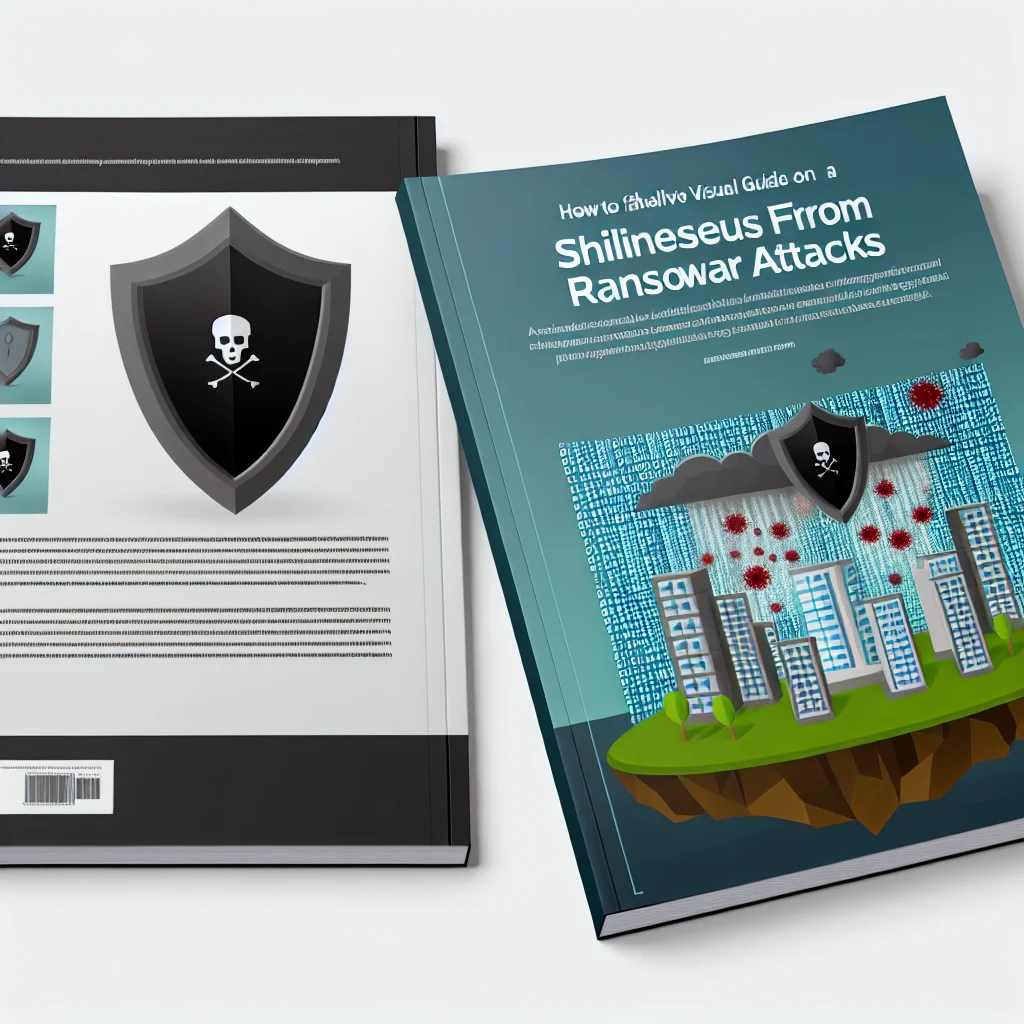
In the ever-evolving landscape of cybersecurity threats, ransomware has emerged as a particularly insidious form of attack, targeting businesses of all sizes. This malicious software encrypts the victim’s data, rendering it inaccessible until a ransom is paid to the attacker. As businesses increasingly rely on digital data, the threat of ransomware looms larger, making it imperative for organizations to adopt robust defense mechanisms. One of the most effective strategies in this regard is the implementation of data encryption, which plays a crucial role in safeguarding sensitive information from unauthorized access.
Data encryption involves converting information into a code to prevent unauthorized access. This process ensures that even if cybercriminals manage to infiltrate a system, the data they obtain remains unintelligible without the decryption key. By encrypting data both at rest and in transit, businesses can significantly reduce the risk of data breaches and mitigate the impact of potential ransomware attacks. Moreover, encryption serves as a deterrent, as attackers are less likely to target systems where the data is not easily exploitable.
Transitioning to the practical aspects of encryption, it is essential for businesses to implement a comprehensive encryption strategy that encompasses all critical data. This includes customer information, financial records, and proprietary business data. By employing strong encryption algorithms, such as Advanced Encryption Standard (AES), organizations can ensure that their data remains secure against even the most sophisticated attacks. Additionally, businesses should regularly update their encryption protocols to keep pace with advancements in technology and emerging threats.
Furthermore, encryption should be complemented by other security measures to create a multi-layered defense system. For instance, businesses should implement robust access controls to ensure that only authorized personnel can access sensitive data. This can be achieved through the use of multi-factor authentication, which adds an extra layer of security by requiring users to provide multiple forms of identification before gaining access. Additionally, regular security audits and vulnerability assessments can help identify potential weaknesses in the system, allowing businesses to address them proactively.
Another critical aspect of defending against ransomware attacks is employee education and awareness. Human error remains one of the leading causes of security breaches, and as such, businesses must invest in training programs to educate employees about the risks of ransomware and the importance of data encryption. By fostering a culture of security awareness, organizations can empower their employees to recognize and respond to potential threats, thereby reducing the likelihood of successful attacks.
In conclusion, while ransomware attacks pose a significant threat to businesses, the implementation of data encryption can serve as a powerful defense mechanism. By encrypting sensitive information and adopting a multi-layered security approach, organizations can protect themselves against unauthorized access and minimize the impact of potential breaches. Moreover, by educating employees and staying abreast of the latest cybersecurity trends, businesses can enhance their resilience against ransomware attacks. As the digital landscape continues to evolve, it is imperative for organizations to prioritize data encryption and other security measures to safeguard their valuable assets and maintain the trust of their customers.
Malware Prevention Strategies: Safeguarding Your Business from Cyber Attacks
In today’s digital age, businesses face an ever-growing threat from cyber attacks, with ransomware emerging as one of the most formidable adversaries. Ransomware is a type of malicious software designed to block access to a computer system or data until a sum of money is paid. As cybercriminals become increasingly sophisticated, it is crucial for businesses to implement effective malware prevention strategies to safeguard their operations and sensitive information.
To begin with, understanding the nature of ransomware is essential for developing robust defense mechanisms. Ransomware typically infiltrates a system through phishing emails, malicious downloads, or compromised websites. Once inside, it encrypts files, rendering them inaccessible to the user. The attackers then demand a ransom, often in cryptocurrency, in exchange for the decryption key. This modus operandi not only disrupts business operations but also poses significant financial and reputational risks.
Given the potential impact of ransomware attacks, businesses must adopt a proactive approach to cybersecurity. One of the most effective strategies is to regularly update and patch software systems. Cybercriminals often exploit vulnerabilities in outdated software to gain unauthorized access. By ensuring that all software, including operating systems and applications, is up-to-date, businesses can significantly reduce the risk of exploitation.
In addition to software updates, implementing robust antivirus and anti-malware solutions is crucial. These tools can detect and neutralize threats before they cause harm. However, relying solely on these solutions is not enough. Businesses should also employ firewalls to create a barrier between their internal networks and potential external threats. Firewalls can monitor incoming and outgoing traffic, blocking suspicious activity and preventing unauthorized access.
Moreover, employee education and awareness play a pivotal role in preventing ransomware attacks. Human error is often the weakest link in cybersecurity defenses. Therefore, businesses should conduct regular training sessions to educate employees about the dangers of phishing emails and the importance of verifying the authenticity of links and attachments. Encouraging a culture of vigilance can help employees recognize and report potential threats, thereby strengthening the organization’s overall security posture.
Another critical aspect of ransomware prevention is data backup. Regularly backing up data ensures that, in the event of an attack, businesses can restore their systems without succumbing to ransom demands. It is advisable to follow the 3-2-1 backup rule: maintain three copies of data, store them on two different media, and keep one copy offsite. This strategy not only provides a safety net but also minimizes downtime and data loss.
Furthermore, businesses should consider implementing network segmentation to limit the spread of ransomware within their systems. By dividing the network into smaller, isolated segments, organizations can contain an attack to a specific area, preventing it from affecting the entire network. This approach, combined with strict access controls, ensures that only authorized personnel can access sensitive data and systems.
In conclusion, as ransomware attacks continue to evolve, businesses must remain vigilant and proactive in their cybersecurity efforts. By understanding the nature of ransomware and implementing comprehensive prevention strategies, organizations can protect themselves from the devastating consequences of an attack. Regular software updates, robust antivirus solutions, employee education, data backup, and network segmentation are all integral components of a resilient cybersecurity framework. Through these measures, businesses can safeguard their operations and maintain the trust of their clients and stakeholders in an increasingly digital world.
Effective Threat Mitigation Techniques to Combat Ransomware in Your Business
Ransomware has emerged as one of the most formidable threats to businesses worldwide, with its ability to encrypt critical data and demand hefty ransoms for its release. As organizations increasingly rely on digital infrastructure, the risk of falling victim to such attacks has grown exponentially. Therefore, understanding effective threat mitigation techniques is crucial for safeguarding your business from these malicious incursions. To begin with, implementing a robust cybersecurity framework is essential. This involves deploying advanced security software that can detect and neutralize ransomware before it infiltrates your systems. Regularly updating this software ensures that it can combat the latest threats, as cybercriminals continuously evolve their tactics. Additionally, employing firewalls and intrusion detection systems can provide an extra layer of defense, monitoring network traffic for suspicious activity and blocking potential threats.
Moreover, employee education plays a pivotal role in ransomware prevention. Since phishing emails are a common vector for ransomware attacks, training employees to recognize and report suspicious emails can significantly reduce the risk of infection. Conducting regular cybersecurity awareness sessions and simulations can help reinforce this knowledge, ensuring that employees remain vigilant against potential threats. Furthermore, establishing a clear protocol for reporting and responding to suspected phishing attempts can streamline the process and minimize the chances of a successful attack.
In addition to these preventive measures, maintaining regular data backups is a critical component of an effective ransomware mitigation strategy. By ensuring that data is backed up frequently and stored securely, businesses can recover their information without succumbing to ransom demands. It is advisable to follow the 3-2-1 backup rule: keep three copies of your data, on two different media, with one copy stored offsite. This approach not only safeguards against ransomware but also protects against other data loss scenarios, such as hardware failures or natural disasters.
Furthermore, access control is another vital aspect of ransomware defense. By implementing the principle of least privilege, businesses can limit access to sensitive data and systems to only those employees who absolutely need it. This minimizes the potential damage in the event of a ransomware attack, as the malware will have fewer opportunities to spread throughout the network. Regularly reviewing and updating access permissions can help ensure that they remain appropriate and secure.
Additionally, developing a comprehensive incident response plan is crucial for minimizing the impact of a ransomware attack. This plan should outline the steps to be taken in the event of an attack, including isolating affected systems, notifying relevant stakeholders, and engaging with cybersecurity experts to assess and remediate the situation. By having a clear and practiced response plan in place, businesses can act swiftly and decisively, reducing downtime and mitigating potential damage.
Finally, staying informed about the latest ransomware trends and threats is essential for maintaining a strong defense. Subscribing to cybersecurity bulletins and participating in industry forums can provide valuable insights into emerging threats and effective countermeasures. By remaining proactive and informed, businesses can adapt their strategies to address new challenges and ensure their continued resilience against ransomware attacks.
In conclusion, protecting your business from ransomware requires a multifaceted approach that combines advanced technology, employee education, data backup, access control, and incident response planning. By implementing these effective threat mitigation techniques, businesses can significantly reduce their vulnerability to ransomware attacks and safeguard their critical assets.
Protect your business from ransomware attacks today! Discover essential strategies and insights by exploring our comprehensive guide on understanding ransomware. [Learn more now](https://comptss.com).