Enhancing IT Security: Best Practices for Remote Work Environments
In the rapidly evolving landscape of remote work, businesses face unprecedented challenges in maintaining robust cybersecurity measures. As organizations increasingly adopt remote work models, the need to secure business networks has become more critical than ever. The shift to remote work has expanded the attack surface for cyber threats, making it imperative for businesses to enhance their IT security practices. By implementing a comprehensive cybersecurity strategy, organizations can protect their sensitive data and maintain the integrity of their networks.
To begin with, one of the most effective ways to enhance IT security in remote work environments is by implementing strong authentication measures. Multi-factor authentication (MFA) is a crucial tool that adds an extra layer of security by requiring users to provide two or more verification factors to gain access to a system. This significantly reduces the risk of unauthorized access, as it is not enough for an attacker to simply obtain a password. By incorporating MFA, businesses can ensure that only authorized personnel can access sensitive information, thereby safeguarding their networks from potential breaches.
In addition to authentication measures, businesses should prioritize the use of virtual private networks (VPNs) to secure remote connections. VPNs encrypt data transmitted between remote workers and the company’s network, making it difficult for cybercriminals to intercept and exploit sensitive information. By mandating the use of VPNs, organizations can create a secure communication channel for their remote workforce, thereby minimizing the risk of data breaches and unauthorized access.
Moreover, it is essential for businesses to regularly update and patch their software and systems. Cybercriminals often exploit vulnerabilities in outdated software to gain access to networks. By ensuring that all software, including operating systems and applications, is up-to-date with the latest security patches, organizations can close potential entry points for cyber threats. Regular updates not only enhance security but also improve the overall performance and reliability of IT systems.
Furthermore, educating employees about cybersecurity best practices is a vital component of a comprehensive security strategy. Remote workers should be trained to recognize phishing attempts, avoid suspicious links, and use strong, unique passwords. By fostering a culture of cybersecurity awareness, businesses can empower their employees to act as the first line of defense against cyber threats. Regular training sessions and updates on emerging threats can help keep employees informed and vigilant.
Another critical aspect of securing remote work environments is the implementation of endpoint security solutions. With employees accessing company resources from various devices, it is crucial to ensure that each endpoint is protected against malware and other cyber threats. Endpoint security solutions provide real-time monitoring and threat detection, allowing businesses to respond swiftly to any potential security incidents. By securing endpoints, organizations can prevent cyber threats from infiltrating their networks through vulnerable devices.
Finally, businesses should consider conducting regular security audits and assessments to identify potential vulnerabilities and areas for improvement. By evaluating their current security posture, organizations can make informed decisions about necessary upgrades and adjustments to their cybersecurity strategies. Regular audits also demonstrate a commitment to maintaining high security standards, which can enhance trust with clients and stakeholders.
In conclusion, as remote work continues to be a prevalent model, businesses must prioritize cybersecurity to protect their networks and sensitive data. By implementing strong authentication measures, utilizing VPNs, keeping software updated, educating employees, securing endpoints, and conducting regular security audits, organizations can create a robust security framework that mitigates the risks associated with remote work. Through these best practices, businesses can ensure the integrity and confidentiality of their networks, thereby safeguarding their operations in an increasingly digital world.
Data Protection Strategies for Securing Your Business Network
In the rapidly evolving landscape of remote work, businesses face unprecedented challenges in securing their networks against cyber threats. As organizations increasingly rely on digital platforms to facilitate remote operations, the need for robust data protection strategies has never been more critical. Ensuring the security of a business network in a remote work environment requires a comprehensive approach that addresses both technological and human factors. By implementing a combination of advanced security measures and fostering a culture of cybersecurity awareness, businesses can effectively safeguard their sensitive data and maintain operational integrity.
To begin with, one of the most fundamental strategies for securing a business network is the implementation of strong authentication protocols. Multi-factor authentication (MFA) is a crucial tool in this regard, as it adds an extra layer of security by requiring users to provide multiple forms of verification before accessing the network. This significantly reduces the risk of unauthorized access, even if login credentials are compromised. Additionally, businesses should enforce the use of strong, unique passwords and encourage regular updates to further enhance security.
Moreover, the use of virtual private networks (VPNs) is essential for protecting data transmitted over the internet. VPNs encrypt data, making it difficult for cybercriminals to intercept and exploit sensitive information. By requiring remote employees to connect to the company network via a VPN, businesses can ensure that their data remains secure, regardless of the employee’s location. Furthermore, it is advisable to regularly update and patch all software and systems to protect against known vulnerabilities that cyber attackers might exploit.
In addition to technological measures, educating employees about cybersecurity best practices is paramount. Human error remains one of the leading causes of data breaches, often due to a lack of awareness or understanding of potential threats. Conducting regular training sessions can help employees recognize phishing attempts, understand the importance of secure password management, and adhere to company policies regarding data protection. By fostering a culture of cybersecurity awareness, businesses can empower their employees to act as the first line of defense against cyber threats.
Another critical aspect of data protection is the implementation of robust data backup and recovery solutions. In the event of a cyber attack, having a reliable backup system can mean the difference between a minor disruption and a catastrophic data loss. Businesses should regularly back up their data and ensure that these backups are stored securely, preferably in an offsite location or cloud-based service. Additionally, testing the recovery process periodically can help identify potential issues and ensure that data can be restored quickly and efficiently when needed.
Furthermore, businesses should consider employing advanced threat detection and response systems to monitor network activity and identify potential security incidents in real-time. These systems can provide valuable insights into unusual patterns of behavior, allowing for swift action to mitigate threats before they escalate. By integrating artificial intelligence and machine learning technologies, businesses can enhance their ability to detect and respond to emerging threats, thereby strengthening their overall security posture.
In conclusion, securing a business network in a remote work environment requires a multifaceted approach that combines technological solutions with employee education and awareness. By implementing strong authentication protocols, utilizing VPNs, educating employees, ensuring robust data backup and recovery, and employing advanced threat detection systems, businesses can effectively protect their networks and sensitive data from cyber threats. As remote work continues to be a significant aspect of modern business operations, prioritizing cybersecurity will be essential for maintaining the trust and confidence of clients and stakeholders alike.
Implementing Effective Malware Defense in a Remote Work Setting

In the evolving landscape of remote work, businesses face the critical challenge of securing their networks against a myriad of cyber threats. As employees access company resources from various locations, the risk of malware infiltration increases significantly. Implementing effective malware defense in a remote work setting is paramount to safeguarding sensitive data and maintaining operational integrity. To achieve this, businesses must adopt a multi-layered approach that encompasses both technological solutions and employee education.
Firstly, deploying robust antivirus and anti-malware software is essential. These tools serve as the first line of defense, detecting and neutralizing malicious software before it can cause harm. It is crucial to ensure that all devices used for work purposes, including personal laptops and mobile phones, are equipped with up-to-date security software. Regular updates are vital, as they provide protection against the latest threats. Additionally, businesses should consider using endpoint detection and response (EDR) solutions, which offer advanced threat detection capabilities and real-time monitoring of endpoints.
Moreover, implementing a virtual private network (VPN) is a critical step in securing remote connections. A VPN encrypts data transmitted between the employee’s device and the company network, making it difficult for cybercriminals to intercept sensitive information. This is particularly important when employees connect to public Wi-Fi networks, which are often unsecured and vulnerable to attacks. By using a VPN, businesses can ensure that their data remains confidential and protected from prying eyes.
In addition to technological measures, fostering a culture of cybersecurity awareness among employees is equally important. Human error is a leading cause of security breaches, and educating employees about the risks and best practices can significantly reduce this risk. Regular training sessions should be conducted to inform employees about the latest phishing tactics, social engineering attacks, and other common threats. Encouraging employees to report suspicious activities promptly can also help in early detection and mitigation of potential threats.
Furthermore, implementing strict access controls is vital in minimizing the risk of unauthorized access to company resources. Businesses should adopt the principle of least privilege, granting employees access only to the information and systems necessary for their roles. Multi-factor authentication (MFA) adds an additional layer of security by requiring users to verify their identity through multiple means before gaining access. This can prevent unauthorized access even if login credentials are compromised.
Data backup and recovery plans are also integral components of an effective malware defense strategy. Regularly backing up data ensures that, in the event of a ransomware attack or data breach, businesses can restore their systems to a previous state with minimal disruption. It is important to store backups in a secure, offsite location and to test recovery procedures periodically to ensure their effectiveness.
In conclusion, securing a business network in a remote work setting requires a comprehensive approach that combines technological solutions with employee education and awareness. By deploying advanced security software, utilizing VPNs, enforcing strict access controls, and fostering a culture of cybersecurity, businesses can significantly reduce the risk of malware attacks. As remote work continues to be a prevalent mode of operation, prioritizing cybersecurity will be essential in protecting company assets and maintaining trust with clients and stakeholders.
Top Security Solutions for Protecting Your Business Network Remotely
In the rapidly evolving landscape of remote work, ensuring the security of business networks has become a paramount concern for organizations worldwide. As more employees access company resources from various locations, the potential for cyber threats has increased significantly. Consequently, businesses must adopt robust security solutions to protect their networks from potential breaches. One of the most effective strategies is implementing a Virtual Private Network (VPN). A VPN encrypts internet traffic, ensuring that data transmitted between remote workers and the company network remains secure from prying eyes. By masking IP addresses and encrypting data, VPNs provide a secure tunnel for information, making it difficult for cybercriminals to intercept sensitive data.
In addition to VPNs, businesses should consider deploying multi-factor authentication (MFA) as a critical security measure. MFA requires users to provide two or more verification factors to gain access to a system, making it significantly harder for unauthorized individuals to breach accounts. This added layer of security is particularly important for remote work environments, where traditional security measures may be insufficient. By requiring something the user knows (like a password) and something the user has (such as a smartphone for a verification code), MFA reduces the risk of unauthorized access.
Moreover, endpoint security solutions are essential for protecting devices used by remote workers. These solutions include antivirus software, firewalls, and intrusion detection systems that safeguard laptops, tablets, and smartphones from malware and other cyber threats. By ensuring that all devices connected to the business network are secure, organizations can prevent potential entry points for cyberattacks. Regular updates and patches are also crucial, as they address vulnerabilities that cybercriminals might exploit.
Furthermore, businesses should prioritize employee training and awareness programs. Human error remains one of the leading causes of security breaches, often due to phishing attacks or weak passwords. By educating employees about the importance of cybersecurity and providing them with the tools to recognize potential threats, organizations can significantly reduce the risk of successful attacks. Training sessions should cover topics such as identifying phishing emails, creating strong passwords, and understanding the importance of regular software updates.
In addition to these measures, implementing a zero-trust architecture can further enhance network security. This approach operates on the principle of “never trust, always verify,” meaning that no user or device is trusted by default, regardless of whether they are inside or outside the network perimeter. By continuously verifying the identity and integrity of users and devices, businesses can ensure that only authorized individuals have access to sensitive information.
Finally, regular security audits and assessments are vital for maintaining a secure remote work environment. These evaluations help identify potential vulnerabilities and ensure that security measures are up to date. By conducting regular audits, businesses can adapt to the ever-changing threat landscape and implement necessary improvements to their security protocols.
In conclusion, as remote work becomes increasingly prevalent, businesses must adopt comprehensive security solutions to protect their networks. By implementing VPNs, multi-factor authentication, endpoint security, employee training, zero-trust architecture, and regular security audits, organizations can create a robust defense against cyber threats. These measures not only safeguard sensitive data but also ensure the continuity and integrity of business operations in a remote work setting.
Cybersecurity Essentials: Safeguarding Your Business in a Remote Work Era
In the era of remote work, businesses face unprecedented challenges in maintaining robust cybersecurity measures. As employees access company networks from various locations, the traditional security perimeter has dissolved, necessitating a reevaluation of cybersecurity strategies. To safeguard business networks effectively, it is crucial to implement comprehensive security protocols that address the unique vulnerabilities associated with remote work environments.
First and foremost, businesses must prioritize the use of virtual private networks (VPNs). VPNs encrypt internet traffic, ensuring that data transmitted between remote employees and the company network remains secure from potential eavesdroppers. By requiring employees to connect through a VPN, businesses can create a secure tunnel for data exchange, significantly reducing the risk of unauthorized access. Moreover, it is essential to ensure that the VPN software is regularly updated to protect against newly discovered vulnerabilities.
In addition to VPNs, implementing multi-factor authentication (MFA) is a critical step in enhancing cybersecurity. MFA requires users to provide two or more verification factors to gain access to a system, making it significantly more difficult for cybercriminals to compromise accounts. By combining something the user knows, such as a password, with something the user has, like a smartphone app or hardware token, MFA adds an extra layer of security that can thwart unauthorized access attempts.
Furthermore, businesses should invest in comprehensive endpoint security solutions. With employees using personal devices for work purposes, these devices become potential entry points for cyber threats. Endpoint security software can monitor and protect devices from malware, ransomware, and other malicious activities. Regularly updating this software is crucial to ensure it can defend against the latest threats. Additionally, businesses should establish clear policies regarding the use of personal devices for work, including guidelines for software installation and data access.
Another vital aspect of securing a business network in a remote work setting is employee education and training. Human error remains one of the most significant cybersecurity risks, and employees must be aware of the potential threats they may encounter. Regular training sessions can educate employees about phishing attacks, social engineering tactics, and safe browsing practices. By fostering a culture of cybersecurity awareness, businesses can empower their workforce to recognize and respond to potential threats effectively.
Moreover, businesses should implement robust data backup and recovery procedures. In the event of a cyberattack or data breach, having reliable backups ensures that critical business information can be restored with minimal disruption. Regularly testing these backup systems is essential to verify their effectiveness and to ensure that data recovery processes are efficient and reliable.
Finally, businesses must stay informed about the evolving cybersecurity landscape. Cyber threats are constantly changing, and staying abreast of the latest developments is crucial for maintaining a secure network. Engaging with cybersecurity experts, participating in industry forums, and subscribing to threat intelligence services can provide valuable insights into emerging threats and best practices for mitigation.
In conclusion, securing a business network in a remote work era requires a multifaceted approach that combines technology, policy, and education. By implementing VPNs, multi-factor authentication, endpoint security, employee training, and robust data backup procedures, businesses can create a resilient cybersecurity framework. As the remote work trend continues to grow, prioritizing cybersecurity will be essential for protecting sensitive business information and maintaining operational integrity.
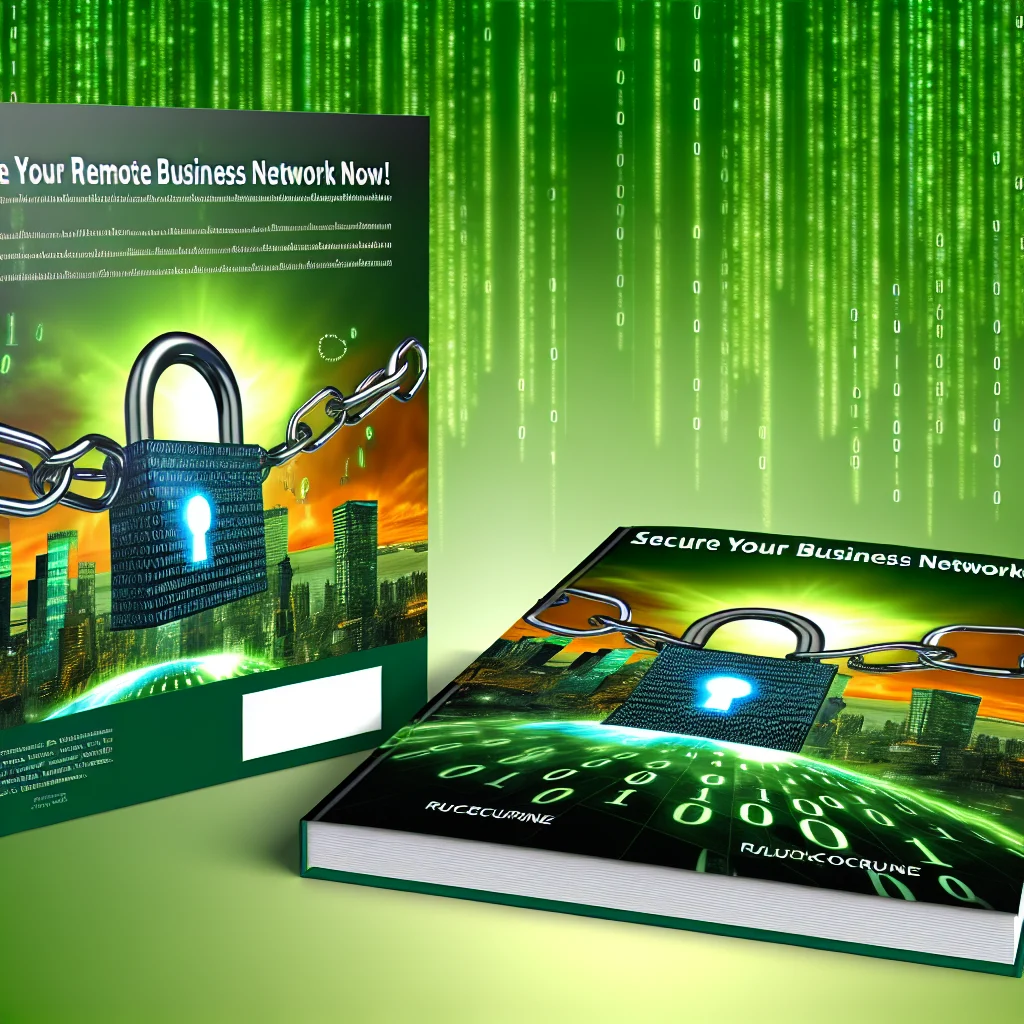
Secure your business network today and protect your remote work environment from cyber threats. Learn how to enhance your cybersecurity measures by visiting our comprehensive guide.