Navigating HIPAA Compliance in Modern Healthcare Systems
Navigating the complexities of HIPAA compliance in modern healthcare systems is a critical task that demands both attention to detail and a comprehensive understanding of the regulatory landscape. The Health Insurance Portability and Accountability Act (HIPAA), enacted in 1996, was designed to protect sensitive patient information from being disclosed without the patient’s consent or knowledge. As healthcare systems have evolved, so too have the challenges associated with maintaining compliance, particularly in an era where digital transformation is reshaping the industry.
One of the primary challenges in achieving HIPAA compliance is the integration of advanced technologies into healthcare systems. Electronic Health Records (EHRs), telemedicine, and mobile health applications have become integral components of modern healthcare delivery. While these technologies offer significant benefits in terms of accessibility and efficiency, they also introduce new vulnerabilities. Ensuring that these systems are secure and that patient data is protected requires a robust framework that addresses both technological and human factors.
To navigate these challenges, healthcare organizations must implement comprehensive risk management strategies. This involves conducting regular risk assessments to identify potential vulnerabilities and developing mitigation plans to address them. Encryption of data, both at rest and in transit, is a fundamental requirement to safeguard patient information. Additionally, access controls must be stringent, ensuring that only authorized personnel have access to sensitive data. This is particularly important in preventing unauthorized access and potential data breaches.
Moreover, training and education play a pivotal role in maintaining HIPAA compliance. Healthcare professionals must be well-versed in the regulations and understand the importance of protecting patient information. Regular training sessions can help reinforce the significance of compliance and ensure that staff are aware of the latest threats and best practices. This is crucial, as human error remains one of the leading causes of data breaches in healthcare.
In addition to internal measures, healthcare organizations must also be vigilant in managing their relationships with third-party vendors. Business Associate Agreements (BAAs) are essential in ensuring that vendors who handle protected health information (PHI) are also compliant with HIPAA regulations. These agreements should clearly outline the responsibilities of each party and include provisions for regular audits and assessments to verify compliance.
As healthcare systems continue to evolve, so too must the regulatory frameworks that govern them. The Office for Civil Rights (OCR), which enforces HIPAA compliance, regularly updates its guidelines to address emerging threats and technologies. Healthcare organizations must stay informed of these changes and adapt their compliance strategies accordingly. This requires a proactive approach, with compliance officers and IT professionals working collaboratively to ensure that systems are up-to-date and secure.
In conclusion, navigating HIPAA compliance in modern healthcare systems is a multifaceted challenge that requires a comprehensive approach. By integrating advanced technologies with robust risk management strategies, providing ongoing education and training, and maintaining vigilant oversight of third-party relationships, healthcare organizations can protect patient information and maintain compliance. As the healthcare landscape continues to evolve, staying informed and adaptable will be key to ensuring that patient privacy is upheld and that healthcare systems remain secure and efficient.
The Evolution of EHR: Transforming Healthcare Systems
The evolution of Electronic Health Records (EHR) has been a transformative force in modern healthcare systems, reshaping the way patient information is managed and utilized. Initially, healthcare systems relied heavily on paper-based records, which were cumbersome, prone to errors, and often inaccessible when needed most. The transition to EHRs marked a significant shift towards digitalization, offering a more streamlined and efficient approach to managing patient data. This transformation has not only improved the accuracy and accessibility of health records but has also paved the way for enhanced patient care and operational efficiency.
One of the primary advantages of EHR systems is their ability to provide healthcare professionals with immediate access to comprehensive patient information. This accessibility is crucial in emergency situations where time is of the essence. With EHRs, clinicians can quickly retrieve a patient’s medical history, allergies, and current medications, enabling them to make informed decisions swiftly. Moreover, the integration of EHRs with other healthcare technologies, such as diagnostic tools and laboratory systems, facilitates a more holistic view of a patient’s health status, thereby improving diagnostic accuracy and treatment outcomes.
In addition to improving clinical decision-making, EHRs have significantly enhanced communication and collaboration among healthcare providers. By centralizing patient information, EHRs enable seamless information sharing across different departments and even between separate healthcare facilities. This interoperability ensures that all members of a patient’s care team are on the same page, reducing the likelihood of redundant tests and procedures, and ultimately leading to more coordinated and efficient care delivery.
Furthermore, the adoption of EHRs has been instrumental in advancing healthcare research and public health initiatives. The vast amount of data generated by EHR systems provides valuable insights into population health trends, disease outbreaks, and treatment efficacy. Researchers can leverage this data to identify patterns and correlations that were previously difficult to discern, thereby contributing to the development of new treatment protocols and public health strategies. Additionally, EHRs facilitate the collection and reporting of data required for regulatory compliance and quality improvement programs, ensuring that healthcare providers meet established standards and benchmarks.
Despite these benefits, the implementation of EHR systems has not been without challenges. Healthcare organizations have faced significant financial and logistical hurdles in transitioning from paper-based systems to digital platforms. The initial costs of EHR adoption, including software acquisition, staff training, and system maintenance, can be substantial. Moreover, concerns about data privacy and security have been paramount, as the digitization of health records increases the risk of unauthorized access and cyberattacks. To address these issues, healthcare systems must invest in robust cybersecurity measures and ensure compliance with regulations such as the Health Insurance Portability and Accountability Act (HIPAA).
In conclusion, the evolution of EHRs has been a pivotal development in the transformation of healthcare systems. By enhancing the accessibility, accuracy, and interoperability of patient information, EHRs have improved clinical decision-making, facilitated better communication among healthcare providers, and contributed to advancements in healthcare research and public health. While challenges remain, particularly in terms of cost and data security, the continued refinement and integration of EHR systems hold great promise for the future of healthcare, ultimately leading to improved patient outcomes and more efficient healthcare delivery.
Emerging Health IT Trends Shaping the Future of Healthcare
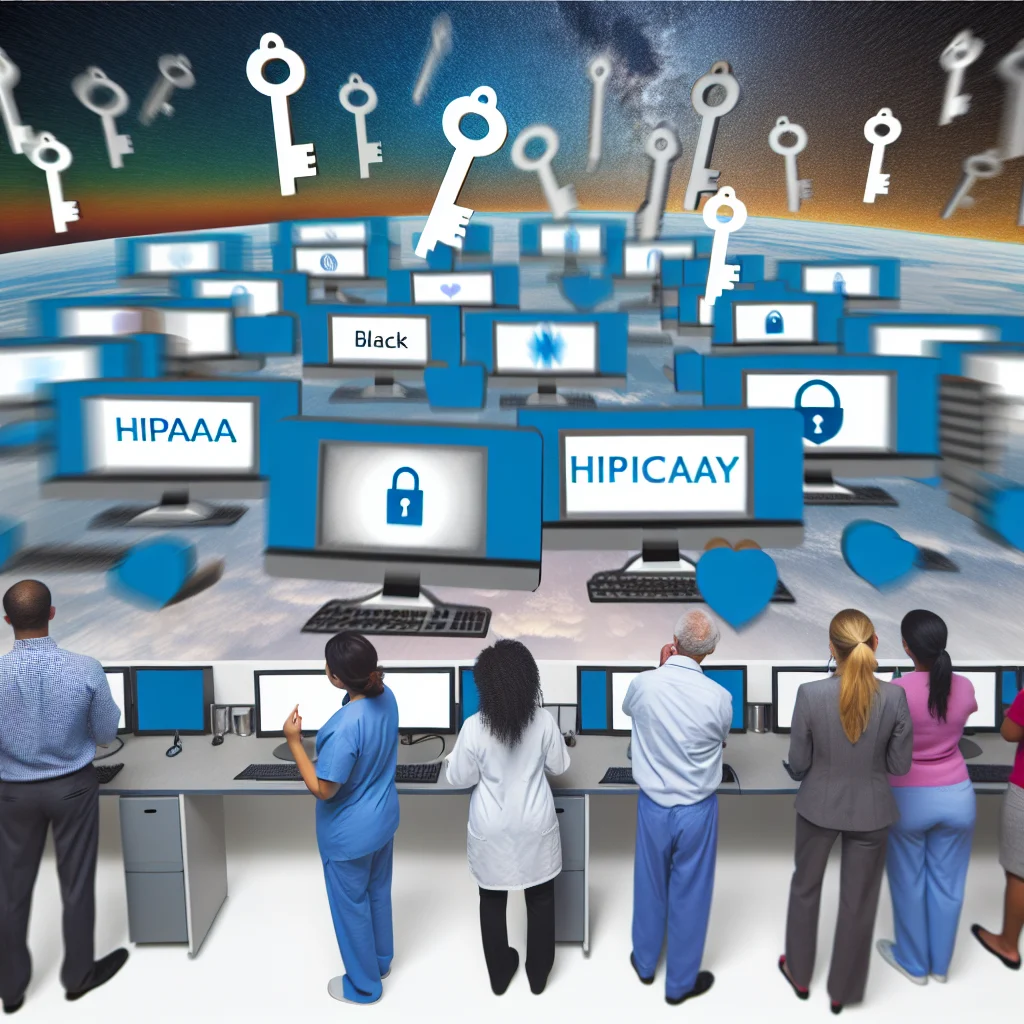
In recent years, the healthcare industry has witnessed a transformative shift driven by the rapid advancement of information technology. As healthcare systems strive to improve patient outcomes, reduce costs, and enhance operational efficiency, emerging health IT trends are playing a pivotal role in shaping the future of healthcare. One of the most significant trends is the increasing adoption of telemedicine, which has revolutionized the way healthcare services are delivered. By leveraging digital communication tools, telemedicine enables healthcare providers to offer remote consultations, thereby expanding access to care, especially for patients in rural or underserved areas. This trend not only enhances convenience for patients but also alleviates the burden on healthcare facilities, allowing them to allocate resources more effectively.
In addition to telemedicine, the integration of artificial intelligence (AI) into healthcare systems is another trend that is gaining momentum. AI technologies, such as machine learning algorithms and natural language processing, are being utilized to analyze vast amounts of healthcare data, leading to more accurate diagnoses and personalized treatment plans. For instance, AI-powered diagnostic tools can assist radiologists in identifying anomalies in medical images with greater precision, thus improving diagnostic accuracy and reducing the likelihood of human error. Furthermore, AI is being employed to predict patient outcomes and optimize treatment protocols, ultimately enhancing the quality of care provided.
Another emerging trend is the implementation of electronic health records (EHRs), which has become a cornerstone of modern healthcare systems. EHRs facilitate the seamless exchange of patient information across different healthcare providers, ensuring that clinicians have access to comprehensive and up-to-date medical histories. This interoperability not only improves care coordination but also reduces the risk of redundant tests and procedures, thereby lowering healthcare costs. Moreover, EHRs empower patients by granting them access to their own health information, fostering a sense of ownership and encouraging active participation in their healthcare journey.
The rise of wearable health technology is also reshaping the healthcare landscape. Devices such as smartwatches and fitness trackers are increasingly being used to monitor vital signs and track physical activity in real-time. These wearables provide valuable data that can be shared with healthcare providers, enabling proactive management of chronic conditions and facilitating early intervention when necessary. As a result, patients are becoming more engaged in their health management, leading to improved health outcomes and a reduction in hospital readmissions.
Furthermore, the growing emphasis on data security and privacy is a critical trend that cannot be overlooked. As healthcare systems become more digitized, the risk of cyberattacks and data breaches increases, necessitating robust security measures to protect sensitive patient information. Healthcare organizations are investing in advanced cybersecurity technologies and implementing stringent data protection protocols to safeguard patient data and maintain trust in the healthcare system.
In conclusion, the integration of emerging health IT trends is fundamentally transforming the healthcare industry. Telemedicine, artificial intelligence, electronic health records, wearable technology, and data security are all contributing to a more efficient, patient-centered healthcare system. As these technologies continue to evolve, they hold the promise of further enhancing the quality of care, improving patient outcomes, and reducing healthcare costs. It is imperative for healthcare providers and policymakers to stay abreast of these trends and embrace the opportunities they present to ensure a sustainable and innovative future for healthcare.
Enhancing Clinical Support Through Advanced Tech Integration
In the rapidly evolving landscape of healthcare, the integration of advanced technology into clinical support systems has become a pivotal factor in enhancing patient care and operational efficiency. As healthcare systems strive to meet the increasing demands of patient populations, the role of technology in streamlining processes and improving outcomes cannot be overstated. The adoption of sophisticated healthcare IT solutions is transforming the way clinicians access information, make decisions, and deliver care, ultimately leading to more effective and efficient healthcare delivery.
One of the most significant advancements in this domain is the implementation of Electronic Health Records (EHRs). EHRs have revolutionized the way patient information is stored, accessed, and shared across different healthcare settings. By providing a comprehensive and up-to-date view of a patient’s medical history, EHRs facilitate better coordination among healthcare providers, reduce the likelihood of medical errors, and enhance the overall quality of care. Moreover, the integration of EHRs with other clinical support systems, such as Computerized Physician Order Entry (CPOE) and Clinical Decision Support Systems (CDSS), further augments their utility by enabling real-time decision-making and reducing administrative burdens on healthcare professionals.
In addition to EHRs, the advent of telemedicine has significantly expanded the reach of healthcare services, particularly in underserved and remote areas. Telemedicine platforms leverage video conferencing, remote monitoring, and mobile health applications to provide patients with access to medical consultations and follow-up care without the need for physical travel. This not only improves patient convenience but also alleviates the strain on healthcare facilities by reducing the volume of in-person visits. Furthermore, telemedicine has proven to be an invaluable tool during public health emergencies, such as the COVID-19 pandemic, by ensuring continuity of care while minimizing the risk of infection transmission.
Another critical aspect of advanced tech integration in healthcare is the use of artificial intelligence (AI) and machine learning algorithms. These technologies are being harnessed to analyze vast amounts of healthcare data, identify patterns, and generate predictive insights that can inform clinical decision-making. For instance, AI-driven tools can assist in early diagnosis by analyzing medical images with high accuracy, thereby enabling timely intervention and improving patient outcomes. Additionally, machine learning models can predict patient deterioration, optimize treatment plans, and personalize care based on individual patient profiles, thus enhancing the precision and effectiveness of medical interventions.
Moreover, the integration of Internet of Things (IoT) devices into healthcare systems is facilitating continuous patient monitoring and data collection. Wearable devices, such as smartwatches and fitness trackers, can monitor vital signs and other health metrics in real-time, providing clinicians with valuable insights into a patient’s condition outside of traditional clinical settings. This continuous flow of data allows for proactive management of chronic conditions, early detection of potential health issues, and more informed clinical decisions.
In conclusion, the integration of advanced technology into clinical support systems is reshaping the healthcare landscape by enhancing the quality, accessibility, and efficiency of care. As healthcare systems continue to embrace these innovations, the potential for improved patient outcomes and streamlined operations becomes increasingly attainable. However, it is essential for healthcare providers to address challenges related to data security, interoperability, and user training to fully realize the benefits of these technological advancements. By doing so, healthcare systems can ensure that they are well-equipped to meet the evolving needs of patients and deliver high-quality care in an increasingly digital world.
Securing Medical Data: Best Practices for Healthcare Systems
In the rapidly evolving landscape of healthcare, the integration of information technology has become indispensable. As healthcare systems increasingly rely on digital solutions to enhance patient care and streamline operations, the security of medical data has emerged as a paramount concern. Protecting sensitive patient information from unauthorized access and breaches is not only a legal obligation but also a moral imperative. Consequently, healthcare organizations must adopt robust strategies to safeguard their data.
To begin with, implementing strong access controls is a fundamental step in securing medical data. By ensuring that only authorized personnel have access to sensitive information, healthcare systems can significantly reduce the risk of data breaches. This can be achieved through the use of multi-factor authentication, which requires users to provide two or more verification factors to gain access to the system. Additionally, role-based access control can be employed to ensure that individuals only have access to the data necessary for their specific job functions, thereby minimizing the potential for misuse.
Moreover, encryption plays a crucial role in protecting medical data both at rest and in transit. By converting data into a coded format that can only be deciphered with the appropriate decryption key, encryption ensures that even if data is intercepted or accessed without authorization, it remains unreadable and secure. Healthcare organizations should employ strong encryption protocols for all sensitive data, including patient records, billing information, and communications.
In addition to technical measures, fostering a culture of security awareness among healthcare staff is essential. Regular training sessions can educate employees about the importance of data security and the potential risks associated with data breaches. By understanding the implications of their actions, staff members are more likely to adhere to security protocols and report any suspicious activities. Furthermore, conducting regular security audits and assessments can help identify vulnerabilities within the system and ensure compliance with industry standards and regulations.
Another critical aspect of securing medical data is the implementation of comprehensive data backup and recovery plans. In the event of a cyberattack or system failure, having reliable backups ensures that patient information can be restored quickly and accurately, minimizing disruption to healthcare services. These backups should be stored securely, preferably offsite or in the cloud, and tested regularly to ensure their integrity and effectiveness.
Furthermore, healthcare systems must stay abreast of the latest cybersecurity threats and trends. By keeping informed about emerging risks and vulnerabilities, organizations can proactively update their security measures and protect against potential attacks. Collaborating with cybersecurity experts and participating in information-sharing networks can provide valuable insights and resources to enhance data protection efforts.
Finally, compliance with legal and regulatory requirements is a critical component of securing medical data. Healthcare organizations must adhere to standards such as the Health Insurance Portability and Accountability Act (HIPAA) in the United States, which sets forth guidelines for the protection of patient information. By ensuring compliance with these regulations, healthcare systems not only protect themselves from legal repercussions but also demonstrate their commitment to safeguarding patient privacy.
In conclusion, securing medical data in healthcare systems requires a multifaceted approach that combines technical solutions, staff education, and regulatory compliance. By implementing best practices such as strong access controls, encryption, regular training, and comprehensive backup plans, healthcare organizations can protect sensitive information and maintain the trust of their patients. As the digital landscape continues to evolve, staying vigilant and proactive in data security efforts will be essential to ensuring the integrity and confidentiality of medical data.
Discover the top 10 healthcare systems transforming the industry with cutting-edge IT insights. Stay ahead in healthcare innovation. Learn more.