Enhancing IT Security: Best Practices for Remote Work Cybersecurity
As remote work becomes an increasingly integral part of modern business operations, ensuring robust cybersecurity measures is more critical than ever. The shift from traditional office environments to remote work settings has introduced new vulnerabilities, making it essential for businesses to adapt their IT security strategies accordingly. To secure your business network effectively, it is crucial to implement best practices that address the unique challenges posed by remote work.
First and foremost, businesses must prioritize the use of virtual private networks (VPNs). VPNs create a secure, encrypted connection between remote employees and the company’s internal network, safeguarding sensitive data from potential interception by malicious actors. By ensuring that all remote workers connect to the corporate network through a VPN, businesses can significantly reduce the risk of data breaches and unauthorized access.
In addition to VPNs, multi-factor authentication (MFA) is another vital component of a robust cybersecurity strategy. MFA requires users to provide two or more verification factors to gain access to a system, making it much more difficult for cybercriminals to compromise accounts. Implementing MFA across all company applications and systems adds an extra layer of security, ensuring that even if a password is compromised, unauthorized access is still prevented.
Moreover, businesses should invest in comprehensive endpoint security solutions. With employees accessing company resources from various devices and locations, endpoint security becomes paramount. These solutions protect devices such as laptops, tablets, and smartphones from malware, ransomware, and other cyber threats. By deploying endpoint security software, businesses can monitor and manage the security of all devices connected to their network, ensuring that vulnerabilities are promptly addressed.
Furthermore, regular software updates and patch management are essential practices for maintaining a secure remote work environment. Cybercriminals often exploit known vulnerabilities in outdated software to gain unauthorized access to systems. By keeping all software, including operating systems and applications, up to date with the latest security patches, businesses can close potential entry points for cyberattacks.
Equally important is the need for comprehensive employee training on cybersecurity best practices. Human error remains one of the leading causes of data breaches, making it imperative for businesses to educate their workforce on recognizing phishing attempts, creating strong passwords, and adhering to company security policies. Regular training sessions and awareness programs can empower employees to become the first line of defense against cyber threats.
Additionally, businesses should establish clear remote work policies that outline security expectations and guidelines for employees. These policies should cover aspects such as the use of personal devices for work purposes, data handling procedures, and protocols for reporting security incidents. By providing employees with a clear framework for secure remote work, businesses can foster a culture of cybersecurity awareness and accountability.
Finally, it is crucial for businesses to conduct regular security audits and risk assessments. These evaluations help identify potential vulnerabilities and areas for improvement within the company’s cybersecurity infrastructure. By proactively addressing identified risks, businesses can strengthen their defenses and ensure that their remote work environment remains secure.
In conclusion, as remote work continues to reshape the business landscape, enhancing IT security through best practices is essential for safeguarding company networks. By implementing measures such as VPNs, MFA, endpoint security, regular updates, employee training, clear policies, and security audits, businesses can effectively mitigate the risks associated with remote work and protect their valuable data from cyber threats.
Data Protection Strategies for Securing Your Business Network
In the rapidly evolving landscape of remote work, businesses face unprecedented challenges in securing their networks. As employees access company resources from various locations, the risk of cyber threats increases significantly. Therefore, implementing robust data protection strategies is crucial to safeguarding sensitive information and maintaining the integrity of business operations. To begin with, one of the most effective strategies is to establish a comprehensive cybersecurity policy. This policy should outline the protocols for accessing company data, the use of personal devices, and the procedures for reporting security incidents. By clearly defining these guidelines, businesses can ensure that all employees are aware of their responsibilities in protecting company data.
Moreover, the use of Virtual Private Networks (VPNs) is essential for securing remote connections. VPNs encrypt data transmitted between the employee’s device and the company network, making it difficult for cybercriminals to intercept sensitive information. In addition to VPNs, businesses should consider implementing multi-factor authentication (MFA) to add an extra layer of security. MFA requires users to provide two or more verification factors to gain access to company resources, thereby reducing the risk of unauthorized access.
Furthermore, regular software updates and patch management are critical components of a robust data protection strategy. Cybercriminals often exploit vulnerabilities in outdated software to gain access to business networks. By ensuring that all software and systems are up-to-date, businesses can protect themselves against known vulnerabilities. Additionally, businesses should conduct regular security audits and vulnerability assessments to identify potential weaknesses in their networks. These assessments can help organizations proactively address security gaps before they are exploited by malicious actors.
Another important aspect of securing a business network is employee training. Employees are often the first line of defense against cyber threats, and their actions can significantly impact the security of company data. Therefore, businesses should invest in regular cybersecurity training programs to educate employees about the latest threats and best practices for data protection. This training should cover topics such as recognizing phishing emails, creating strong passwords, and safely handling sensitive information.
In addition to training, businesses should implement data encryption to protect sensitive information both in transit and at rest. Encryption converts data into a code that can only be accessed by authorized users with the correct decryption key. This ensures that even if data is intercepted or accessed by unauthorized individuals, it remains unreadable and secure.
Moreover, businesses should consider implementing endpoint security solutions to protect devices used by remote employees. These solutions can include antivirus software, firewalls, and intrusion detection systems that monitor and protect devices from potential threats. By securing endpoints, businesses can prevent cybercriminals from using compromised devices as entry points into the company network.
Finally, it is essential for businesses to have an incident response plan in place. Despite the best efforts to secure a network, breaches can still occur. An incident response plan outlines the steps to be taken in the event of a security breach, including identifying the source of the breach, containing the damage, and recovering affected systems. By having a well-defined plan, businesses can minimize the impact of a breach and quickly restore normal operations.
In conclusion, securing a business network in a remote work environment requires a multi-faceted approach that includes establishing clear policies, utilizing advanced security technologies, and fostering a culture of cybersecurity awareness among employees. By implementing these data protection strategies, businesses can effectively safeguard their networks and ensure the continued security of their operations in an increasingly digital world.
Implementing Malware Defense in a Remote Work Environment

In the evolving landscape of remote work, businesses face the critical challenge of securing their networks against a myriad of cyber threats. As employees access company resources from various locations, the risk of malware infiltration increases significantly. Implementing robust malware defense mechanisms is essential to protect sensitive data and maintain the integrity of business operations. To achieve this, organizations must adopt a multi-layered approach that encompasses both technological solutions and employee education.
Firstly, deploying comprehensive antivirus and anti-malware software is a fundamental step in safeguarding remote work environments. These tools are designed to detect, quarantine, and eliminate malicious software before it can cause harm. It is crucial for businesses to ensure that all devices used by remote employees are equipped with up-to-date security software. Regular updates are vital, as they provide protection against the latest threats and vulnerabilities. Moreover, enabling automatic updates can help ensure that security measures are consistently maintained without requiring manual intervention.
In addition to antivirus solutions, implementing a robust firewall is another critical component of malware defense. Firewalls act as a barrier between the internal network and external threats, monitoring incoming and outgoing traffic to prevent unauthorized access. For remote work settings, businesses should consider using virtual private networks (VPNs) in conjunction with firewalls. VPNs encrypt data transmitted over the internet, providing an additional layer of security and ensuring that sensitive information remains confidential.
While technological defenses are indispensable, they must be complemented by comprehensive employee training programs. Human error is often a significant factor in successful cyberattacks, making it imperative for organizations to educate their workforce about potential threats and safe online practices. Regular training sessions can help employees recognize phishing attempts, suspicious links, and other common tactics used by cybercriminals. By fostering a culture of cybersecurity awareness, businesses can empower their employees to act as the first line of defense against malware attacks.
Furthermore, implementing strict access controls is essential in minimizing the risk of unauthorized access to company resources. Businesses should adopt the principle of least privilege, granting employees access only to the information and systems necessary for their roles. This approach limits the potential damage that can be caused by compromised accounts. Multi-factor authentication (MFA) is another effective measure, requiring users to provide multiple forms of verification before accessing sensitive data. MFA significantly reduces the likelihood of unauthorized access, even if login credentials are compromised.
Regularly conducting security audits and vulnerability assessments is also crucial in identifying potential weaknesses within the network. These assessments can help organizations pinpoint areas that require improvement and ensure that security measures are functioning as intended. By proactively addressing vulnerabilities, businesses can reduce the risk of malware infiltration and maintain a secure remote work environment.
In conclusion, securing a business network in a remote work setting requires a comprehensive approach that combines technological solutions with employee education and strict access controls. By implementing robust antivirus software, firewalls, and VPNs, businesses can protect their networks from external threats. Simultaneously, fostering a culture of cybersecurity awareness and conducting regular security assessments can help mitigate the risk of human error and identify potential vulnerabilities. As remote work continues to be a prevalent mode of operation, prioritizing cybersecurity is essential for safeguarding business operations and maintaining the trust of clients and stakeholders.
Top Security Solutions for Protecting Your Business Network
In the rapidly evolving landscape of remote work, ensuring the security of your business network has become more critical than ever. As organizations increasingly adopt flexible work arrangements, the need to protect sensitive data and maintain robust cybersecurity measures has intensified. To address these challenges, businesses must implement top security solutions that safeguard their networks from potential threats. One of the most effective strategies is to employ a comprehensive virtual private network (VPN). A VPN encrypts internet traffic, providing a secure connection for remote employees accessing company resources. This encryption is crucial in preventing unauthorized access and ensuring that sensitive information remains confidential. By masking IP addresses and encrypting data, VPNs create a secure tunnel for data transmission, making it significantly harder for cybercriminals to intercept or exploit information.
In addition to VPNs, multi-factor authentication (MFA) is another essential security measure. MFA requires users to provide two or more verification factors to gain access to a system, adding an extra layer of security beyond just a password. This approach significantly reduces the risk of unauthorized access, as it requires something the user knows (a password) and something the user has (a mobile device or security token). By implementing MFA, businesses can protect their networks from phishing attacks and other forms of credential theft, which are prevalent in remote work environments.
Furthermore, endpoint security solutions play a vital role in protecting business networks. With employees accessing company data from various devices, it is crucial to ensure that each endpoint is secure. Endpoint security software provides protection against malware, ransomware, and other cyber threats by continuously monitoring and managing devices. This software can detect and respond to threats in real-time, ensuring that any potential vulnerabilities are addressed promptly. By maintaining up-to-date antivirus and anti-malware programs, businesses can safeguard their networks from a wide range of cyber threats.
Moreover, regular software updates and patch management are critical components of a robust cybersecurity strategy. Cybercriminals often exploit vulnerabilities in outdated software to gain unauthorized access to networks. By ensuring that all software and systems are regularly updated, businesses can close potential security gaps and protect their networks from exploitation. Automated patch management solutions can streamline this process, ensuring that updates are applied promptly and consistently across all devices.
In addition to these technical solutions, employee training and awareness are fundamental to maintaining a secure business network. Human error remains one of the leading causes of security breaches, making it essential for employees to understand the importance of cybersecurity best practices. Regular training sessions can educate employees on recognizing phishing attempts, creating strong passwords, and securely handling sensitive information. By fostering a culture of security awareness, businesses can empower their employees to act as the first line of defense against cyber threats.
Finally, businesses should consider implementing a zero-trust security model. This approach operates on the principle of “never trust, always verify,” requiring continuous authentication and authorization for all users and devices accessing the network. By assuming that threats could exist both inside and outside the network, a zero-trust model minimizes the risk of data breaches and unauthorized access. This comprehensive approach to security ensures that only verified users can access sensitive information, providing an additional layer of protection for business networks.
In conclusion, as remote work continues to shape the modern business environment, securing your business network is paramount. By implementing top security solutions such as VPNs, MFA, endpoint security, regular updates, employee training, and a zero-trust model, businesses can effectively protect their networks from cyber threats. These measures not only safeguard sensitive data but also ensure the continuity and resilience of business operations in an increasingly digital world.
Cybersecurity Challenges and Solutions for Remote Workforces
As remote work becomes an increasingly integral part of modern business operations, the need for robust cybersecurity measures has never been more critical. The shift from traditional office environments to remote workforces presents unique challenges that require innovative solutions to protect sensitive data and maintain the integrity of business networks. One of the primary challenges is the increased vulnerability to cyberattacks, as employees access company resources from various locations and devices. This decentralization of access points creates numerous potential entryways for cybercriminals, making it imperative for businesses to implement comprehensive security protocols.
To address these challenges, businesses must first ensure that all remote employees are equipped with secure devices. This involves providing company-issued hardware that is pre-configured with the necessary security software, such as firewalls, antivirus programs, and encryption tools. By standardizing the security measures across all devices, companies can significantly reduce the risk of unauthorized access and data breaches. Additionally, it is crucial to keep all software up to date, as outdated applications can serve as gateways for cyber threats. Regular updates and patches help close security gaps and protect against the latest vulnerabilities.
Another essential aspect of securing a remote workforce is the implementation of a robust virtual private network (VPN). A VPN encrypts internet traffic, ensuring that data transmitted between remote employees and the company network remains confidential and secure. This is particularly important when employees connect to public Wi-Fi networks, which are notoriously insecure and susceptible to eavesdropping. By routing all remote connections through a VPN, businesses can safeguard sensitive information and maintain a secure communication channel.
Moreover, businesses should adopt a zero-trust security model, which operates on the principle of “never trust, always verify.” This approach requires continuous authentication and authorization of users and devices, regardless of their location. By implementing multi-factor authentication (MFA), companies can add an extra layer of security, making it more difficult for unauthorized users to gain access to the network. MFA typically involves a combination of something the user knows (such as a password), something the user has (like a smartphone), and something the user is (biometric verification), thereby enhancing the overall security posture.
In addition to technological solutions, fostering a culture of cybersecurity awareness among employees is vital. Regular training sessions and workshops can educate remote workers about the latest cyber threats and best practices for safeguarding information. Employees should be encouraged to recognize phishing attempts, use strong and unique passwords, and report any suspicious activity immediately. By empowering employees with knowledge and resources, businesses can create a human firewall that complements their technological defenses.
Furthermore, businesses should establish clear cybersecurity policies and procedures tailored to remote work environments. These policies should outline acceptable use of company resources, data protection guidelines, and incident response protocols. By clearly defining expectations and responsibilities, companies can ensure that all employees are aligned with the organization’s security objectives.
In conclusion, securing a business network in the era of remote work requires a multifaceted approach that combines technology, policy, and education. By addressing the unique challenges posed by remote workforces and implementing comprehensive cybersecurity measures, businesses can protect their valuable assets and maintain operational resilience. As the landscape of work continues to evolve, staying vigilant and proactive in cybersecurity efforts will be essential for safeguarding the future of business operations.
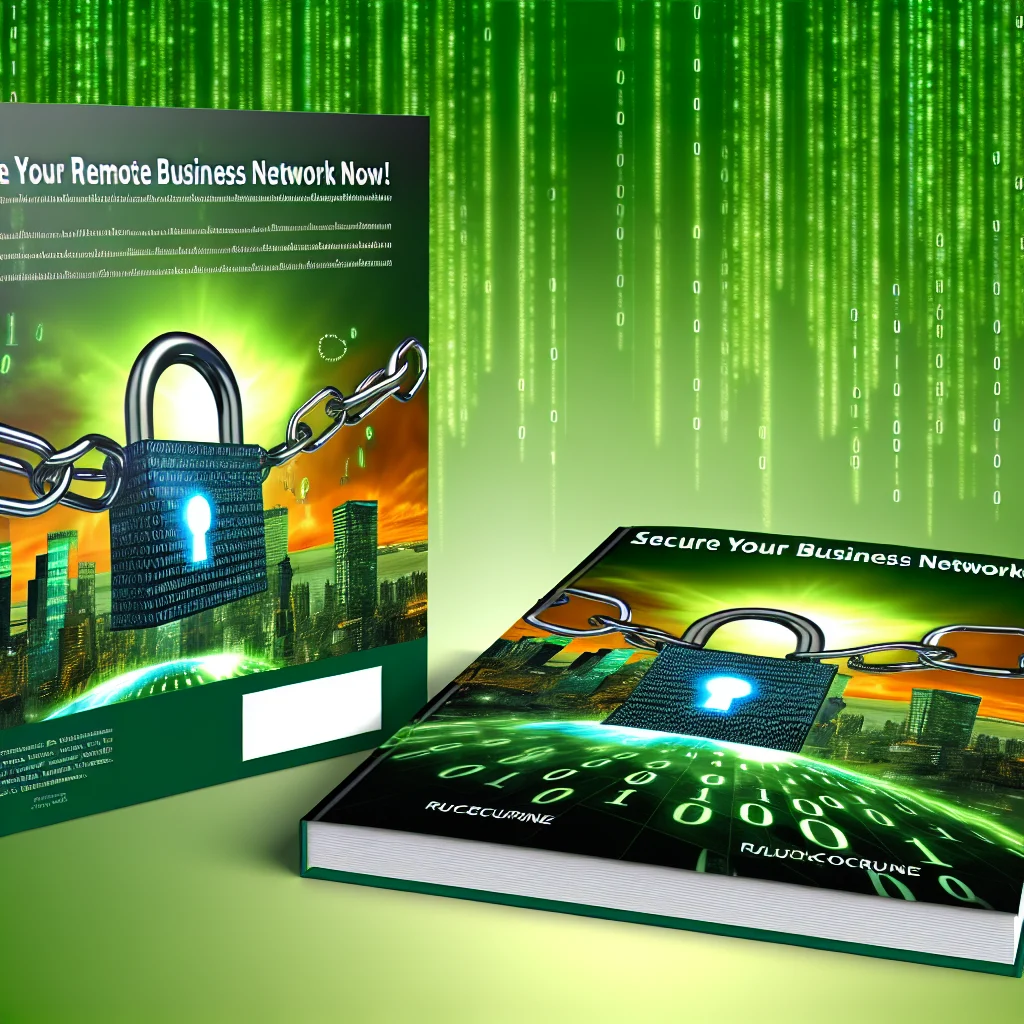
Secure your business network today and protect your remote work environment from cyber threats. Learn how to enhance your cybersecurity measures by visiting our comprehensive guide.