Tech Integration In Healthcare Systems: Enhancing Clinical Support
In recent years, the integration of technology within healthcare systems has become a pivotal factor in enhancing clinical support and improving patient outcomes. As healthcare providers strive to deliver more efficient and effective care, the adoption of advanced technological solutions has emerged as a critical component in achieving these goals. The seamless integration of technology into healthcare systems not only streamlines operations but also enhances the quality of care provided to patients.
One of the most significant advancements in healthcare technology is the implementation of Electronic Health Records (EHRs). EHRs have revolutionized the way patient information is stored, accessed, and shared among healthcare professionals. By digitizing patient records, EHRs facilitate real-time access to comprehensive patient data, enabling healthcare providers to make informed decisions quickly. This accessibility is particularly crucial in emergency situations where timely decision-making can significantly impact patient outcomes. Moreover, EHRs reduce the likelihood of errors associated with manual record-keeping, thereby enhancing patient safety.
In addition to EHRs, telemedicine has emerged as a transformative force in healthcare delivery. Telemedicine leverages digital communication technologies to provide remote clinical services, thereby expanding access to care, especially for individuals in rural or underserved areas. Through virtual consultations, patients can receive medical advice, diagnosis, and treatment without the need for physical travel. This not only improves convenience for patients but also alleviates the burden on healthcare facilities, allowing them to allocate resources more efficiently. Furthermore, telemedicine has proven invaluable during public health crises, such as the COVID-19 pandemic, by minimizing the risk of virus transmission while ensuring continuity of care.
Another critical aspect of technology integration in healthcare is the use of data analytics. With the vast amount of data generated in healthcare settings, advanced analytics tools are essential for extracting meaningful insights that can drive clinical decision-making. By analyzing patient data, healthcare providers can identify patterns and trends that inform treatment plans and predict potential health issues before they become critical. This proactive approach to healthcare not only improves patient outcomes but also reduces costs by preventing complications and hospital readmissions.
Moreover, the integration of artificial intelligence (AI) in healthcare systems is paving the way for more personalized and precise medical care. AI algorithms can analyze complex datasets to assist in diagnosing diseases, recommending treatment options, and even predicting patient responses to specific therapies. This level of precision medicine ensures that patients receive tailored care that is most likely to be effective for their unique conditions. Additionally, AI-powered tools can automate routine tasks, such as scheduling and billing, allowing healthcare professionals to focus more on patient care.
Despite the numerous benefits of technology integration in healthcare, challenges remain. Ensuring data security and patient privacy is paramount, as the digitization of health records increases the risk of cyber threats. Healthcare organizations must implement robust cybersecurity measures to protect sensitive information and maintain patient trust. Furthermore, the successful integration of technology requires significant investment in infrastructure and training, which can be a barrier for some healthcare systems.
In conclusion, the integration of technology in healthcare systems is a dynamic and evolving process that holds immense potential for enhancing clinical support. By embracing innovations such as EHRs, telemedicine, data analytics, and AI, healthcare providers can improve the quality of care, increase accessibility, and optimize resource allocation. As technology continues to advance, it is imperative for healthcare systems to adapt and harness these tools to meet the ever-changing needs of patients and the healthcare industry as a whole.
Emerging Health IT Trends: Transforming Healthcare Systems
In recent years, the healthcare industry has witnessed a significant transformation driven by the rapid advancement of information technology. As healthcare systems strive to improve patient outcomes, reduce costs, and enhance operational efficiency, emerging health IT trends are playing a pivotal role in reshaping the landscape. One of the most prominent trends is the adoption of electronic health records (EHRs), which has revolutionized the way patient information is stored, accessed, and shared. EHRs facilitate seamless communication among healthcare providers, ensuring that critical patient data is available at the point of care. This not only enhances the quality of care but also reduces the likelihood of medical errors, thereby improving patient safety.
Moreover, the integration of artificial intelligence (AI) into healthcare systems is another transformative trend. AI algorithms are being utilized to analyze vast amounts of data, enabling healthcare providers to make more informed decisions. For instance, AI-powered diagnostic tools can assist in early disease detection, allowing for timely intervention and better patient outcomes. Additionally, AI is being used to optimize hospital operations, such as predicting patient admissions and managing staff schedules, which contributes to more efficient resource allocation.
Telemedicine has also emerged as a crucial component of modern healthcare systems, particularly in the wake of the COVID-19 pandemic. By leveraging digital communication technologies, telemedicine enables healthcare providers to deliver care remotely, thus expanding access to medical services for patients in underserved or rural areas. This trend not only enhances convenience for patients but also reduces the burden on healthcare facilities, allowing them to focus on critical cases that require in-person attention. Furthermore, telemedicine has proven to be a cost-effective solution, as it minimizes the need for physical infrastructure and reduces travel-related expenses for both patients and providers.
In addition to these advancements, the Internet of Medical Things (IoMT) is gaining traction as a means to improve patient monitoring and care delivery. IoMT refers to the interconnected network of medical devices and applications that collect and transmit health data in real-time. Wearable devices, such as smartwatches and fitness trackers, are increasingly being used to monitor vital signs and track health metrics, providing valuable insights into a patient’s condition. This continuous flow of data enables healthcare providers to detect potential health issues early and intervene promptly, ultimately leading to better health outcomes.
Furthermore, the emphasis on data security and privacy has become paramount as healthcare systems become more digitized. With the increasing volume of sensitive patient information being stored and shared electronically, robust cybersecurity measures are essential to protect against data breaches and unauthorized access. Healthcare organizations are investing in advanced encryption technologies and implementing stringent access controls to safeguard patient data, thereby maintaining trust and compliance with regulatory requirements.
As these emerging health IT trends continue to evolve, they hold the potential to transform healthcare systems in unprecedented ways. By harnessing the power of technology, healthcare providers can deliver more personalized, efficient, and effective care, ultimately improving the overall health and well-being of populations. However, it is crucial for stakeholders to remain vigilant and proactive in addressing the challenges associated with these advancements, such as ensuring equitable access to technology and maintaining data integrity. In doing so, the healthcare industry can fully realize the benefits of these innovations and continue to advance towards a more connected and patient-centric future.
Medical Data Management: Ensuring HIPAA Compliance In Healthcare IT
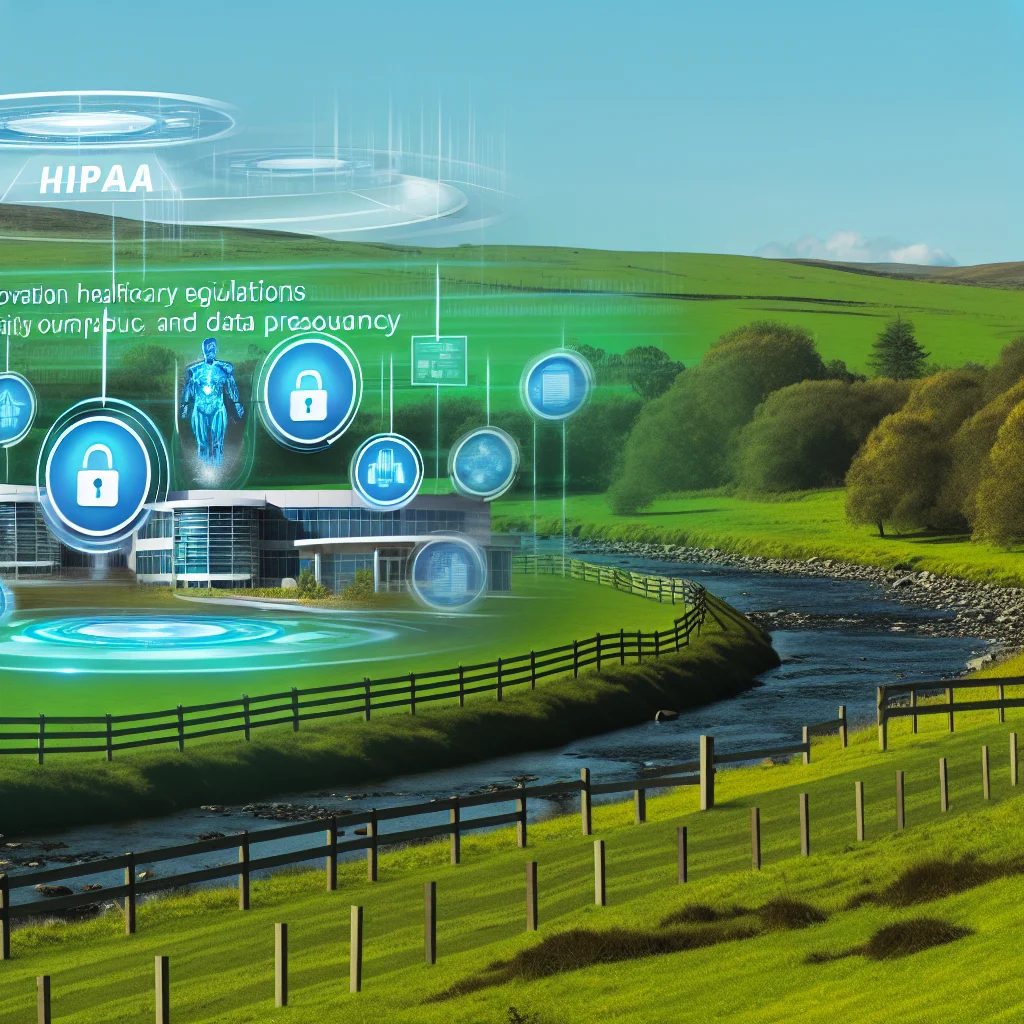
In the rapidly evolving landscape of healthcare information technology, the management of medical data has become a critical focal point. As healthcare systems increasingly rely on digital solutions to enhance patient care and streamline operations, ensuring compliance with the Health Insurance Portability and Accountability Act (HIPAA) remains paramount. HIPAA, enacted in 1996, sets the standard for protecting sensitive patient information, and its compliance is essential for healthcare providers, insurers, and any entity handling medical data.
The integration of electronic health records (EHRs) and other digital tools has revolutionized the way healthcare providers manage patient information. However, this digital transformation also introduces significant challenges in maintaining data privacy and security. To address these challenges, healthcare organizations must implement robust data management strategies that align with HIPAA regulations. This involves not only safeguarding electronic data but also ensuring that all personnel are adequately trained in data protection protocols.
One of the primary requirements of HIPAA is the implementation of administrative, physical, and technical safeguards to protect patient information. Administrative safeguards involve the development of policies and procedures that govern the conduct of the workforce in relation to the protection of health information. This includes regular training programs to ensure that all employees are aware of their responsibilities under HIPAA. Physical safeguards, on the other hand, pertain to the protection of electronic systems and related buildings and equipment from natural and environmental hazards, as well as unauthorized intrusion. Technical safeguards focus on the technology and the policies and procedures for its use that protect electronic health information and control access to it.
Moreover, the rise of cloud computing in healthcare IT has necessitated a reevaluation of data management practices. While cloud solutions offer scalability and cost-effectiveness, they also pose potential risks to data security. Healthcare organizations must ensure that their cloud service providers are HIPAA-compliant and that data encryption and access controls are rigorously enforced. This is crucial in preventing unauthorized access and ensuring that patient data remains confidential and secure.
In addition to these technical measures, healthcare organizations must also focus on the human element of data management. Insider threats, whether due to negligence or malicious intent, can pose significant risks to data security. Therefore, fostering a culture of compliance and accountability within the organization is essential. Regular audits and assessments can help identify potential vulnerabilities and ensure that all staff members adhere to established protocols.
Furthermore, as telemedicine and remote patient monitoring become more prevalent, healthcare providers must adapt their data management strategies to accommodate these new modalities. This includes ensuring that all telehealth platforms are secure and that patient data transmitted during virtual consultations is protected. The use of end-to-end encryption and secure communication channels is vital in maintaining the integrity and confidentiality of patient information.
In conclusion, as healthcare systems continue to embrace digital transformation, the importance of effective medical data management cannot be overstated. Ensuring HIPAA compliance is not only a legal obligation but also a critical component of maintaining patient trust and safeguarding sensitive health information. By implementing comprehensive data protection strategies and fostering a culture of compliance, healthcare organizations can navigate the complexities of modern healthcare IT while upholding the highest standards of data privacy and security.
EHR Innovations: Revolutionizing Healthcare Systems
Electronic Health Records (EHRs) have become a cornerstone of modern healthcare systems, revolutionizing the way patient information is managed and utilized. As healthcare continues to evolve, the innovations within EHR systems are playing a pivotal role in enhancing patient care, improving efficiency, and reducing costs. The integration of advanced technologies into EHR systems is transforming the landscape of healthcare delivery, offering unprecedented opportunities for healthcare providers and patients alike.
One of the most significant innovations in EHR systems is the incorporation of artificial intelligence (AI) and machine learning algorithms. These technologies enable the analysis of vast amounts of patient data, providing healthcare professionals with valuable insights that can inform clinical decision-making. For instance, AI can identify patterns in patient data that may indicate the early onset of diseases, allowing for timely interventions. Moreover, machine learning algorithms can predict patient outcomes based on historical data, enabling personalized treatment plans that cater to individual patient needs.
In addition to AI, the integration of telemedicine capabilities within EHR systems is another groundbreaking development. Telemedicine allows healthcare providers to offer remote consultations, making healthcare more accessible to patients, particularly those in rural or underserved areas. By incorporating telemedicine into EHR systems, healthcare providers can seamlessly access patient records during virtual consultations, ensuring continuity of care. This integration not only enhances patient convenience but also reduces the burden on healthcare facilities, allowing them to allocate resources more efficiently.
Furthermore, the interoperability of EHR systems is a critical factor in revolutionizing healthcare systems. Interoperability refers to the ability of different EHR systems to communicate and exchange information seamlessly. This capability is essential for ensuring that patient data is accessible across various healthcare settings, from primary care clinics to specialized hospitals. By facilitating the flow of information, interoperability reduces the risk of medical errors, enhances care coordination, and improves patient outcomes. Efforts to standardize data formats and communication protocols are ongoing, with the aim of achieving a truly interconnected healthcare ecosystem.
Another noteworthy innovation is the emphasis on patient engagement within EHR systems. Modern EHR platforms are increasingly designed to empower patients by providing them with access to their own health records. This transparency fosters a collaborative relationship between patients and healthcare providers, encouraging patients to take an active role in managing their health. Features such as patient portals and mobile applications allow individuals to view test results, schedule appointments, and communicate with their healthcare team, all of which contribute to a more informed and engaged patient population.
Moreover, the integration of data analytics tools within EHR systems is enhancing the ability of healthcare providers to monitor and improve the quality of care. By analyzing data on treatment outcomes, patient satisfaction, and resource utilization, healthcare organizations can identify areas for improvement and implement evidence-based practices. This data-driven approach not only enhances the quality of care but also supports value-based care models, which focus on delivering high-quality care while controlling costs.
In conclusion, the innovations within EHR systems are revolutionizing healthcare systems by enhancing patient care, improving efficiency, and reducing costs. The integration of AI, telemedicine, interoperability, patient engagement, and data analytics is transforming the way healthcare is delivered and experienced. As these technologies continue to evolve, they hold the promise of further advancing healthcare systems, ultimately leading to better health outcomes for patients worldwide. The ongoing commitment to innovation and collaboration among healthcare stakeholders will be crucial in realizing the full potential of EHR systems in the years to come.
Clinical Support Systems: Leveraging Health IT For Improved Patient Care
In the rapidly evolving landscape of healthcare, the integration of information technology has become a pivotal factor in enhancing patient care. Clinical support systems, a subset of healthcare IT, play a crucial role in this transformation by providing healthcare professionals with the tools necessary to make informed decisions. These systems, which include electronic health records (EHRs), clinical decision support systems (CDSS), and computerized physician order entry (CPOE), are designed to streamline processes, reduce errors, and ultimately improve patient outcomes.
To begin with, electronic health records serve as the backbone of clinical support systems. EHRs offer a comprehensive digital version of a patient’s paper chart, making it accessible to authorized users across different healthcare settings. This accessibility ensures that healthcare providers have up-to-date information, which is essential for accurate diagnosis and treatment. Moreover, EHRs facilitate the sharing of patient information among specialists, thereby promoting coordinated care. As a result, patients benefit from a more integrated approach to their healthcare, reducing the likelihood of redundant tests and procedures.
In addition to EHRs, clinical decision support systems are instrumental in enhancing the decision-making process for healthcare providers. CDSS are sophisticated tools that analyze data from various sources to provide evidence-based recommendations. These systems can alert clinicians to potential issues such as drug interactions, allergies, or deviations from standard treatment protocols. By offering real-time insights, CDSS help mitigate risks and ensure that patients receive the most appropriate care. Furthermore, these systems can be tailored to the specific needs of a healthcare facility, allowing for customization that aligns with institutional practices and guidelines.
Another critical component of clinical support systems is computerized physician order entry. CPOE systems enable healthcare providers to enter and manage orders for medications, tests, and other services electronically. This digital approach reduces the risk of errors associated with handwritten orders, such as illegible handwriting or transcription mistakes. Additionally, CPOE systems often include built-in checks for potential drug interactions or contraindications, further safeguarding patient safety. By streamlining the ordering process, CPOE systems contribute to more efficient workflows and faster delivery of care.
While the benefits of clinical support systems are evident, their implementation is not without challenges. Healthcare organizations must invest in the necessary infrastructure and training to ensure that these systems are used effectively. Moreover, there is a need for ongoing evaluation and optimization to address any issues that may arise and to adapt to the ever-changing healthcare environment. Despite these challenges, the potential for clinical support systems to transform patient care is undeniable.
In conclusion, clinical support systems represent a significant advancement in healthcare IT, offering numerous benefits that enhance patient care. By leveraging electronic health records, clinical decision support systems, and computerized physician order entry, healthcare providers can make more informed decisions, reduce errors, and improve overall efficiency. As technology continues to evolve, it is imperative for healthcare organizations to embrace these systems and invest in their development. Ultimately, the integration of clinical support systems into healthcare practices holds the promise of a more effective, patient-centered approach to care, paving the way for improved health outcomes and a more sustainable healthcare system.
Unlock the future of healthcare with our in-depth Healthcare IT Insights on seven transformative healthcare systems. Discover how technology is revolutionizing patient care and operational efficiency. Explore now and stay ahead in the ever-evolving healthcare landscape!