Understanding Ransomware Recovery: Key Steps for Modern IT Strategies
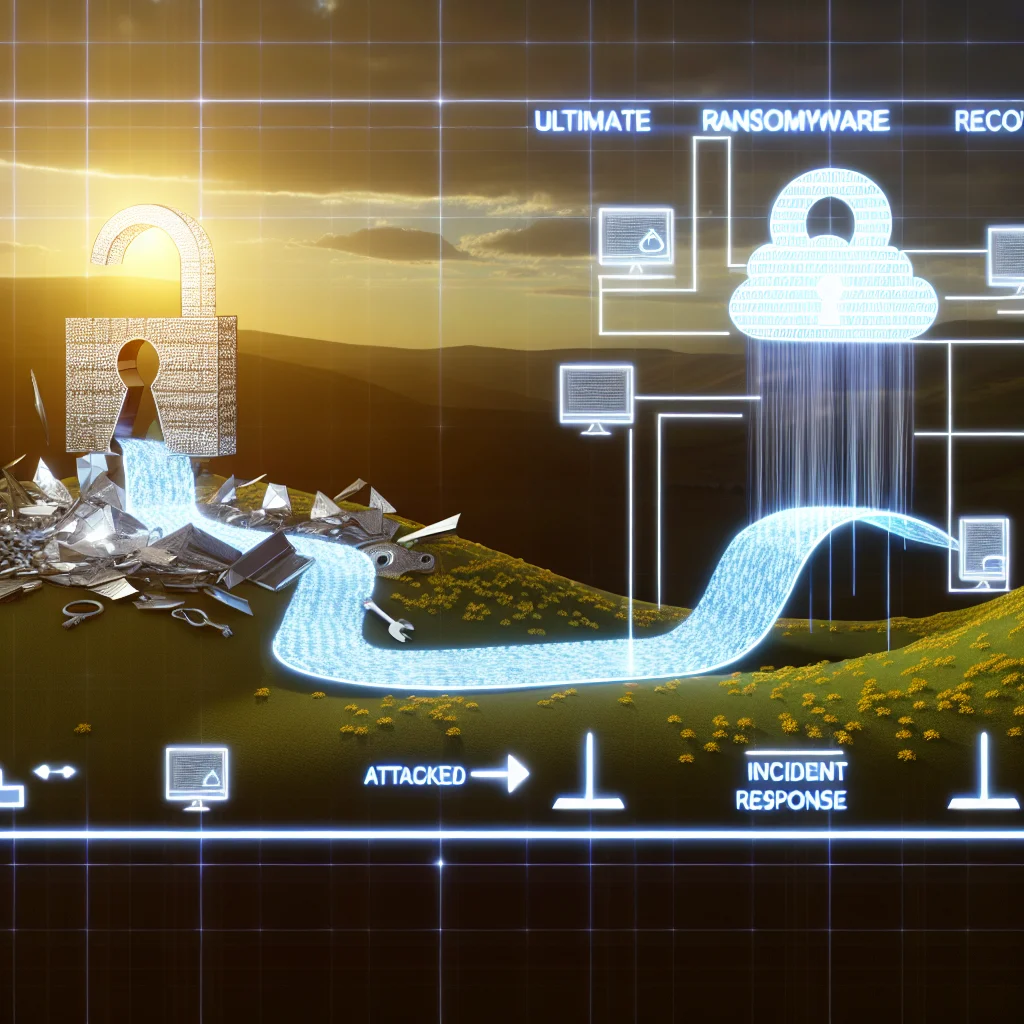
Ransomware has emerged as a formidable threat in the digital landscape, compelling organizations to reassess their IT strategies and fortify their defenses. Understanding ransomware recovery is crucial for modern IT strategies, as it not only involves technical solutions but also strategic planning and organizational resilience. The first step in ransomware recovery is to establish a comprehensive incident response plan. This plan should outline the roles and responsibilities of each team member, ensuring that everyone knows their part in the recovery process. By having a clear plan in place, organizations can respond swiftly and effectively when an attack occurs, minimizing downtime and data loss.
In addition to having a response plan, regular data backups are essential. Backups should be conducted frequently and stored securely, preferably offsite or in a cloud environment that is isolated from the primary network. This ensures that, in the event of a ransomware attack, organizations can restore their systems to a pre-attack state without succumbing to the demands of cybercriminals. Moreover, testing these backups regularly is vital to ensure their integrity and reliability. Transitioning from backup strategies, it is equally important to focus on network segmentation. By dividing the network into smaller, isolated segments, organizations can limit the spread of ransomware, should an attack occur. This containment strategy is crucial in preventing the entire network from being compromised, thereby reducing the potential impact of an attack.
Furthermore, employee training and awareness are pivotal components of ransomware recovery. Human error remains one of the most significant vulnerabilities in cybersecurity. Regular training sessions can educate employees about the latest phishing tactics and other methods used by cybercriminals to infiltrate systems. By fostering a culture of vigilance and awareness, organizations can significantly reduce the likelihood of a successful ransomware attack. In conjunction with employee training, implementing robust endpoint protection is another critical step. Modern IT strategies should include advanced security solutions that can detect and neutralize threats in real-time. These solutions often employ artificial intelligence and machine learning to identify unusual patterns and behaviors, providing an additional layer of defense against ransomware.
Moreover, collaboration with external cybersecurity experts can enhance an organization’s ransomware recovery capabilities. These experts can offer valuable insights and guidance, helping to identify vulnerabilities and recommend best practices for strengthening defenses. By leveraging external expertise, organizations can stay ahead of emerging threats and ensure their recovery strategies are up-to-date. Transitioning to the importance of communication, maintaining transparent communication with stakeholders during and after a ransomware attack is essential. This includes informing customers, partners, and regulatory bodies about the incident and the steps being taken to address it. Transparent communication helps maintain trust and can mitigate reputational damage.
Finally, post-incident analysis is a crucial step in ransomware recovery. After an attack has been contained and systems restored, organizations should conduct a thorough review to understand how the breach occurred and what can be done to prevent future incidents. This analysis should inform updates to the incident response plan and other security measures, ensuring continuous improvement in the organization’s cybersecurity posture. In conclusion, understanding ransomware recovery involves a multifaceted approach that combines technical solutions, strategic planning, and organizational resilience. By implementing these key steps, modern IT strategies can effectively mitigate the impact of ransomware attacks and safeguard their digital assets.
Enhancing Phishing Defense: A Crucial Component in Ransomware Prevention
In the ever-evolving landscape of cybersecurity threats, ransomware has emerged as a formidable adversary, posing significant risks to organizations worldwide. As businesses strive to fortify their defenses against such threats, enhancing phishing defense has become a crucial component in ransomware prevention. Phishing, a deceptive tactic used by cybercriminals to trick individuals into divulging sensitive information, often serves as the initial vector for ransomware attacks. Consequently, understanding and mitigating phishing risks is essential for any comprehensive ransomware recovery and modern IT strategy.
To begin with, it is important to recognize that phishing attacks have become increasingly sophisticated, leveraging social engineering techniques to exploit human vulnerabilities. Cybercriminals craft convincing emails, messages, or websites that mimic legitimate sources, thereby luring unsuspecting individuals into clicking malicious links or downloading harmful attachments. Once the victim takes the bait, ransomware can be deployed, encrypting critical data and demanding a ransom for its release. Therefore, enhancing phishing defense is not merely an option but a necessity for organizations aiming to protect their digital assets.
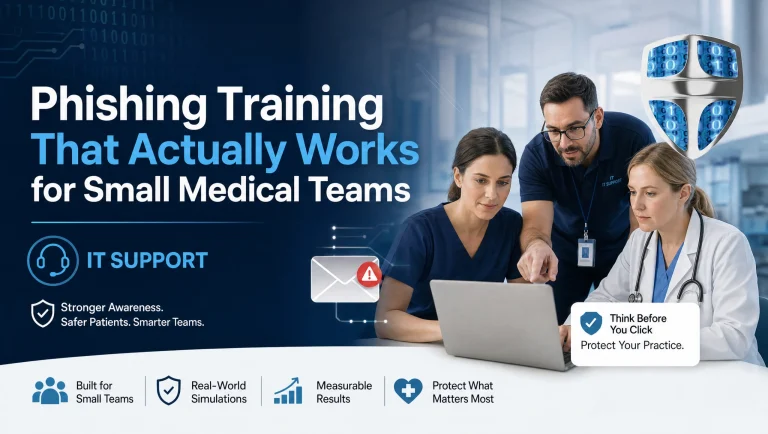
One effective approach to bolstering phishing defense is through employee education and awareness programs. By fostering a culture of cybersecurity awareness, organizations can empower their employees to recognize and report phishing attempts. Regular training sessions, coupled with simulated phishing exercises, can help employees identify red flags such as suspicious email addresses, unexpected attachments, or urgent requests for sensitive information. Moreover, encouraging a proactive reporting culture ensures that potential threats are swiftly addressed, minimizing the risk of a successful ransomware attack.
In addition to employee education, implementing advanced email filtering technologies is another critical step in enhancing phishing defense. Modern email security solutions utilize machine learning algorithms and threat intelligence to detect and block phishing emails before they reach the inbox. By analyzing email headers, content, and sender reputation, these solutions can effectively identify and quarantine suspicious messages. Furthermore, integrating these technologies with existing security information and event management (SIEM) systems allows for real-time monitoring and response, ensuring a robust defense against phishing threats.
Moreover, organizations should consider adopting multi-factor authentication (MFA) as an additional layer of security. MFA requires users to provide multiple forms of verification before accessing sensitive systems or data, thereby reducing the likelihood of unauthorized access through compromised credentials. Even if a phishing attack successfully captures a user’s password, the additional authentication step acts as a formidable barrier, thwarting the attacker’s efforts to infiltrate the network.
Furthermore, regular security assessments and vulnerability scans are essential components of a comprehensive phishing defense strategy. By identifying and addressing potential weaknesses in the IT infrastructure, organizations can proactively mitigate the risk of exploitation by cybercriminals. These assessments should encompass not only technical vulnerabilities but also human factors, such as employee susceptibility to phishing attacks. By continuously evaluating and improving their security posture, organizations can stay one step ahead of cyber threats.
In conclusion, enhancing phishing defense is a crucial component in ransomware prevention and recovery. By prioritizing employee education, leveraging advanced email filtering technologies, implementing multi-factor authentication, and conducting regular security assessments, organizations can significantly reduce their vulnerability to phishing attacks. As cyber threats continue to evolve, adopting a proactive and multi-faceted approach to cybersecurity is imperative for safeguarding digital assets and ensuring business continuity. Through these efforts, organizations can build a resilient defense against ransomware, protecting their operations and reputation in an increasingly digital world.
The Role of Security Patches in Mitigating Ransomware Threats

In the ever-evolving landscape of cybersecurity, ransomware remains a formidable threat to organizations worldwide. As cybercriminals continue to refine their tactics, the importance of robust defense mechanisms becomes increasingly apparent. Among these, security patches play a pivotal role in mitigating ransomware threats. By understanding the significance of timely updates and their impact on organizational security, businesses can better protect themselves against potential attacks.
Security patches are essentially updates provided by software vendors to address vulnerabilities within their products. These vulnerabilities, if left unaddressed, can serve as entry points for ransomware attacks. Cybercriminals often exploit these weaknesses to infiltrate systems, encrypt data, and demand ransom payments. Therefore, the timely application of security patches is crucial in closing these gaps and fortifying an organization’s defenses.
The process of patch management involves identifying, acquiring, installing, and verifying patches for software and systems. This process is not merely a technical task but a strategic component of an organization’s overall cybersecurity posture. By prioritizing patch management, organizations can significantly reduce their attack surface, thereby minimizing the risk of ransomware infections. Moreover, a well-structured patch management strategy ensures that all systems are consistently updated, reducing the likelihood of vulnerabilities being exploited.
However, the implementation of security patches is not without its challenges. Organizations often face difficulties in managing the sheer volume of patches released by vendors. Additionally, the complexity of IT environments, with their diverse range of software and hardware, can complicate the patching process. Despite these challenges, the cost of neglecting patch management can be far greater, as evidenced by numerous high-profile ransomware attacks that have exploited unpatched vulnerabilities.
To effectively manage security patches, organizations must adopt a proactive approach. This involves staying informed about the latest vulnerabilities and patches, as well as understanding the specific risks they pose to the organization. Regular vulnerability assessments and penetration testing can help identify areas that require immediate attention. Furthermore, organizations should establish a clear patch management policy that outlines the procedures for testing and deploying patches, ensuring minimal disruption to business operations.
In addition to technical measures, fostering a culture of cybersecurity awareness is essential. Employees should be educated about the importance of security patches and encouraged to report any suspicious activity. By promoting a security-conscious mindset, organizations can enhance their resilience against ransomware threats.
Moreover, collaboration between IT teams and other departments is vital in ensuring the success of patch management efforts. By working together, organizations can streamline the patching process, address potential issues promptly, and maintain a secure IT environment. This collaborative approach not only strengthens defenses but also fosters a sense of shared responsibility for cybersecurity.
In conclusion, security patches are a critical component in the fight against ransomware. By addressing vulnerabilities and closing potential entry points, they play a key role in safeguarding organizations from cyber threats. While challenges exist in managing patches, a proactive and collaborative approach can help overcome these obstacles. Ultimately, by prioritizing patch management and fostering a culture of cybersecurity awareness, organizations can significantly enhance their ability to mitigate ransomware threats and protect their valuable assets.
Effective Incident Response: Preparing for Ransomware Attacks
In the ever-evolving landscape of cybersecurity threats, ransomware has emerged as a formidable adversary, challenging organizations to bolster their defenses and refine their incident response strategies. As ransomware attacks become increasingly sophisticated, the importance of an effective incident response plan cannot be overstated. Preparing for such attacks requires a comprehensive approach that encompasses not only technological defenses but also organizational readiness and strategic planning.
To begin with, understanding the nature of ransomware is crucial. Ransomware is a type of malicious software designed to encrypt files on a victim’s system, rendering them inaccessible until a ransom is paid. This threat has evolved from simple encryption techniques to more complex methods that can cripple entire networks. Consequently, organizations must adopt a proactive stance, anticipating potential attacks and preparing accordingly.
One of the foundational elements of an effective incident response plan is the establishment of a dedicated incident response team. This team should comprise individuals with diverse expertise, including IT professionals, cybersecurity specialists, legal advisors, and communication experts. By assembling a multidisciplinary team, organizations can ensure a holistic approach to managing ransomware incidents, addressing both technical and non-technical aspects.
Moreover, regular training and simulation exercises are essential to maintaining a state of readiness. These exercises help familiarize the incident response team with the latest ransomware tactics and allow them to practice their response in a controlled environment. By simulating real-world scenarios, organizations can identify potential weaknesses in their response plan and make necessary adjustments before an actual attack occurs.
In addition to team preparedness, organizations must also focus on technological defenses. Implementing robust cybersecurity measures, such as firewalls, intrusion detection systems, and endpoint protection, can significantly reduce the risk of a successful ransomware attack. Furthermore, maintaining up-to-date backups is critical. Regularly backing up data ensures that, in the event of an attack, organizations can restore their systems without succumbing to ransom demands. It is imperative that these backups are stored securely and are not connected to the primary network, thereby preventing them from being compromised during an attack.
Communication plays a pivotal role in effective incident response. During a ransomware attack, clear and timely communication with stakeholders, including employees, customers, and partners, is vital. Organizations should have predefined communication protocols in place to ensure that accurate information is disseminated promptly, minimizing confusion and maintaining trust.
Legal considerations are another important aspect of preparing for ransomware attacks. Organizations must be aware of the legal implications of paying ransoms, as well as the regulatory requirements for reporting data breaches. Consulting with legal experts can provide valuable guidance on navigating these complex issues and ensuring compliance with relevant laws and regulations.
Finally, post-incident analysis is a critical component of the incident response process. After a ransomware attack has been resolved, organizations should conduct a thorough review to identify the root cause of the incident and assess the effectiveness of their response. This analysis provides valuable insights that can inform future strategies and enhance overall resilience against ransomware threats.
In conclusion, preparing for ransomware attacks requires a multifaceted approach that combines technological defenses, organizational readiness, and strategic planning. By establishing a dedicated incident response team, conducting regular training exercises, implementing robust cybersecurity measures, and maintaining clear communication protocols, organizations can effectively mitigate the impact of ransomware attacks and safeguard their critical assets.
Disaster Planning for Ransomware: Ensuring Business Continuity
In today’s digital landscape, the threat of ransomware looms large over businesses of all sizes. As cybercriminals become increasingly sophisticated, the potential for significant disruption to operations has never been greater. Consequently, disaster planning for ransomware has become a critical component of ensuring business continuity. By understanding the nuances of ransomware recovery and integrating modern IT strategies, organizations can better prepare for and mitigate the impact of such attacks.
To begin with, it is essential to recognize that ransomware attacks can cripple an organization by encrypting critical data and demanding a ransom for its release. This not only halts business operations but also poses a severe threat to sensitive information. Therefore, a comprehensive disaster recovery plan must be in place to address these challenges. Such a plan should encompass a multi-layered approach, combining preventive measures with robust recovery strategies.
One of the foundational elements of disaster planning is the implementation of regular data backups. By maintaining up-to-date copies of critical data, organizations can significantly reduce the impact of a ransomware attack. These backups should be stored in secure, offsite locations to ensure they remain unaffected by any potential breach. Moreover, it is crucial to test these backups regularly to verify their integrity and ensure that data can be restored swiftly in the event of an attack.
In addition to data backups, modern IT strategies emphasize the importance of network segmentation. By dividing a network into smaller, isolated segments, organizations can limit the spread of ransomware and contain its impact. This approach not only enhances security but also facilitates more efficient monitoring and management of network traffic. Furthermore, implementing robust access controls and ensuring that employees have only the necessary permissions can prevent unauthorized access and reduce the risk of internal threats.
Another critical aspect of disaster planning is employee education and awareness. Human error remains one of the most common entry points for ransomware attacks. Therefore, regular training sessions should be conducted to educate employees about the latest phishing tactics and the importance of maintaining good cybersecurity hygiene. By fostering a culture of vigilance, organizations can empower their workforce to act as the first line of defense against potential threats.
Moreover, leveraging advanced technologies such as artificial intelligence and machine learning can enhance an organization’s ability to detect and respond to ransomware attacks. These technologies can analyze vast amounts of data in real-time, identifying anomalies and potential threats before they escalate. By integrating such tools into their IT infrastructure, businesses can improve their overall resilience and reduce the likelihood of successful attacks.
In the unfortunate event that a ransomware attack does occur, having a well-defined incident response plan is crucial. This plan should outline the steps to be taken immediately following an attack, including isolating affected systems, notifying relevant stakeholders, and engaging with cybersecurity experts. By acting swiftly and decisively, organizations can minimize downtime and begin the recovery process more effectively.
In conclusion, disaster planning for ransomware is an essential component of ensuring business continuity in the modern digital age. By adopting a proactive approach that combines regular data backups, network segmentation, employee education, and advanced technologies, organizations can better protect themselves against the ever-evolving threat of ransomware. As cybercriminals continue to refine their tactics, it is imperative for businesses to remain vigilant and adaptable, ensuring that their disaster recovery plans are robust and comprehensive. Through these efforts, organizations can safeguard their operations and maintain resilience in the face of adversity.
Unlock the secrets to safeguarding your business with “Ransomware Insights: Ransomware Recovery and Modern IT Strategies.” Discover cutting-edge techniques to protect your data and ensure swift recovery. Don’t wait until it’s too late—[learn more now](https://comptss.com).